Matox News

Truth Over Trends, always!

UK Users Reclaim Access to Pornhub—Are You Ready to Join the Comeback?

The Resurgence of Pornhub in the UK: A Sign of Society’s Changing Attitudes Towards Digital Content

In a move that underscores the ongoing battle for digital freedom and safety, Pornhub’s parent company, Aylo, has announced that UK iOS users can now access the platform again, thanks to innovative device-based age verification technology. After a controversial push to block the adult content giant earlier this year, the company’s reversal highlights a paradigm shift in how society balances personal responsibility with online content regulation. The key enabler? Apple’s latest iOS 26.4 update, which introduces what Aylo describes as the world’s first device-level age verification solution specifically for UK users. This new system leverages the familiarity and security of existing devices—requiring proof-of-age through credit cards, identity scans, or official documents—aiming to create a safer yet unrestricted digital space for adults.

This development isn’t just a win for the adult industry; it’s a cultural statement about the importance of personal agency in digital consumption. Influencers, legal experts, and tech analysts are weighing in to evaluate how technology can be harnessed to protect minors without infringing on adult privacy and freedom. As Solomon Friedman, VP of Compliance at Ethical Capital Partners, points out, “device-based age verification offers a highly effective, privacy-conscious way of reconciling safety concerns with the need for unrestricted access for adults.” This move aligns with the broader societal trend toward personalized online safety measures and reflects a societal shift in the way digital content is controlled, emphasizing adult responsibility over blanket censorship.

The Rise of Tech-Integrated Sexual Wellness & Social Connectivity

Alongside this regulatory evolution, a remarkable rise in hookup apps reveals how society’s approach to relationships and casual connections is transforming. According to trending consumer data, platforms like AdultFriendFinder, Tinder, and Hinge are experiencing surges in popularity among young adults. These apps are now viewed less as mere tools for fleeting encounters and more as central nodes in a broader quest for authentic social experiences. The trend is shaped by an emerging societal attitude: casual connections are increasingly normalized and celebrated as part of the modern lifestyle.

  • AdultFriendFinder remains the top choice for casual connections, emphasizing comfort and openness.
  • Tinder continues to reign as the go-to platform for quick hookups rooted in efficiency and user-friendly design.
  • Hinge attracts those seeking more regular, meaningful meetups, marking a shift towards establishing genuine relationships within a casual framework.

These social platforms symbolize more than just convenience; they reflect a noticeable cultural shift toward open sexuality, digital integration into dating lives, and a move away from traditional, conservative notions of relationships. Influencers across social media channels are championing this rebirth of sexual freedom, suggesting that societal acceptance of casual intimacy is casting aside outdated stigmas. Sociologists like Dr. Emma Harris describe this as “a democratization of sexuality, facilitated by technology and driven by youth’s desire for authentic, *safe* experiences.”

What Lies Ahead? The Big Question for Digital Societies

While these advancements—both in content accessibility and social connection—signal a more open and technologically integrated future, they also raise critical questions. How will privacy and personal data be protected amid an environment where age verification becomes so seamlessly embedded into everyday devices? Will society be able to strike a balance between personal freedom and societal safety? And as youth culture continues to evolve around the digital realm, the core question remains: what is the future of online authenticity, privacy, and responsibility? As the next wave of innovations approaches, global society must grapple with these complexities—shaping a future where technology enhances life, not compromises its integrity.
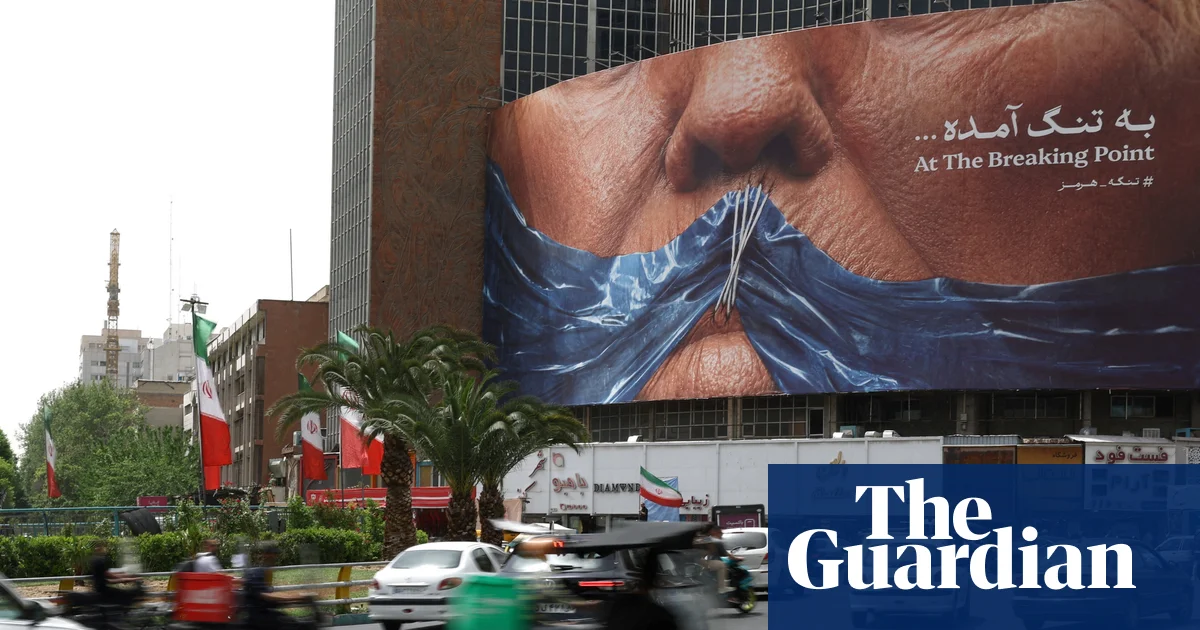
Trump Warns Iran: Accept Deal or Prepare for New U.S. Strikes in Escalating Tensions

Amid mounting tensions and fragile negotiations in the Middle East, President Donald Trump has issued a stark ultimatum to Iran: accept a proposed peace deal or face a dramatic escalation in U.S. military action. In a recent social media statement, Trump warned that **if Tehran refuses** to comply with Washington’s conditions, the U.S. will initiate a wave of bombing “at a much higher level and intensity than it was before.” This rhetoric signals a volatile crossroads in the ongoing confrontation rooted in decades of geopolitical rivalry, with America asserting and reasserting its dominance, while Iran maintains its defiant stance against what it perceives as aggressive encirclement and economic strangulation.

Negotiations in the Crossfire of War and Diplomacy

Unconfirmed reports suggest that extensive negotiations between Tehran and Washington may be on the verge of a breakthrough, with some officials indicating a tentative agreement on a *one-page memorandum* aimed at ending the war. Yet, the prospects remain uncertain. Analysts and diplomats from the region highlight that trust deficits and external influences—especially China’s role—continue to complicate the diplomatic process.

  • Washington appears eager to claim victory ahead of key diplomatic visits, particularly Trump’s upcoming trip to Beijing.
  • Portrayed as an opportunity, the proposed framework could involve a temporary ceasefire, possibly lasting 60 days, to facilitate substantive dialogue on Qatar’s nuclear ambitions and regional stability.

However, the hardline rhetoric from Tehran’s senior negotiator, Mohammad Bagher Ghalibaf, accuses Washington of attempting to “destroy” Iran through economic blockade, naval threats, and media manipulation. Such language underscores the depth of mistrust and the complex web of interests that continue to threaten any fragile peace.

Strategic Dynamics and the Oil Waterway

Adding to the geopolitical firestorm, the *strut of the Strait of Hormuz* has become a pivotal flashpoint. Earlier in the week, Trump ordered a pause to the naval convoy, dubbed “Project Freedom,” which had been attempting to safeguard shipping lanes and ensure the flow of roughly 20,000 ships annually through what is arguably the world’s most vital maritime chokepoint. Despite this, Iran has threatened to deploy mines, drones, and missile strikes should Washington attempt another blockade, risking a major escalation in the region’s already volatile environment. The potential shutdown of the strait—a lifeline for global oil supplies—could ignite fuel prices worldwide and send markets into chaos, illustrating how intertwined regional conflicts are with global economies.

Among international observers, China emerges as a critical player with its historical ties to Tehran. While Beijing advocates for a *comprehensive ceasefire*, skepticism remains about its capacity to influence Iran’s radical regime—yet many analysts see China’s “role as a guarantor” as perhaps a key to lasting peace. Meanwhile, Pakistan and regional intermediaries are striving to broker a *temporary relaxation of hostilities*, emphasizing the importance of trust-building measures amid ongoing negotiations. As Turkey and other regional actors watch closely, the U.S. seeks to leverage these dynamics to pressure Iran into acceptance, while avoiding full-scale war that could destabilize the entire Middle Eastern balance of power.

The Stakes and the Future of History

With oil prices soaring earlier this week and the specter of renewed conflict looming large, domestic and international pressures converge on Trump. His diplomatic dance—balancing aggressive posturing with the hope of a negotiated settlement—reflects a broader strategy that seeks not just regional stability but also to cement his legacy ahead of the upcoming U.S. congressional elections. Yet, the core questions remain: Will Tehran capitulate to U.S. demands, or will this crisis spiral into an unpredictable chapter of open conflict? As the world holds its breath, history continues to write itself in the flames of diplomatic negotiations and military posturing, with each new move echoing far beyond the sands of the Middle East. The ultimate outcome—whether peace or chaos—stands as a stark testament to the fragile architecture of power in the 21st century, where the lines of diplomacy blur with the shadows of war, and the weight of history presses heavily on the unfolding future.

Honoring Michael Tilson Thomas’s Legacy: Celebrating the Next Generation of Young Musicians

In a world increasingly captivated by the transient spectacle of modernity, it is vital to recognize the enduring significance of culture as the bedrock of identity, tradition, and societal cohesion. The story of Michael Tilson Thomas—a titan of American orchestral music—serves not merely as a chronicle of artistic achievement but as a testament to the profound role culture plays in shaping national character and collective memory. An advocate of the arts who seamlessly bridged the classical tradition with America’s vibrant, sometimes rebellious, cultural landscape, Thomas exemplified how the arts can act as both a mirror and a mold for society. His commitment to nurturing young talent, fostering innovation, and intertwining popular culture with high art underscores a fundamental truth: culture is the living fabric of a nation itself, crafted through the continuous dialogue between the past’s storied echoes and the prophetic voices of future generations.

Throughout his illustrious career, Thomas exemplified the profound philosophy that culture is both memory and prophecy. His work with the San Francisco Symphony and the founding of the New World Symphony embodied a mission to keep alive the lessons of tradition while eagerly anticipating the future. His efforts to incorporate diverse musical idioms—ranging from the classical to the avant-garde—mirrored the broader cultural shift of an America that increasingly values its hybrid identity. As Ortega y Gasset once argued, culture is not static; it is a dynamic process, a reflection of the rational spirit constantly shaping and reshaping societal values. Thomas’s embrace of technology, especially through initiatives like the YouTube Symphony Orchestra, represents a conscious effort to democratize art and democratize the link between tradition and innovation—integral in a society that prizes connectivity and accessibility.

The influence of figures like Thomas reminds us that culture is the architecture of society, influencing how communities conceive of their history, their values, and their destiny. When Thomas championed artists like Yuja Wang and Julia Bullock, he did more than foster individual careers; he reaffirmed the importance of cultural continuity in a rapidly changing world. His work was rooted in the understanding that tradition is not relic but the foundation from which new greatness is born. Historical critics such as Chesterton have long argued that a society without a vibrant love of its cultural roots risks falling into superficiality and alienation. Conversely, Thomas’s life demonstrated that to preserve tradition is to safeguard the soul of a nation, and to innovate within that tradition is to propel it forward—both essential in a society resisting the erosion of its identity amidst the chaos of modern change.

As we reflect on Thomas’s legacy, it becomes clear that the arts serve as a crucial platform for shaping young minds and reaffirming societal ideals. His attention to education and mentorship embodies the belief that culture is the seed of community, capable of inspiring the fiercest patriotism and the most profound human understanding. In this sense, culture is prophecy: what we cultivate today becomes the moral and aesthetic landscape of tomorrow’s society. This powerful idea is echoed by thinkers like T.S. Eliot, who emphasized that tradition is the backbone of creative renewal. In a cultural epoch often dominated by fleeting trends, Thomas’s life stands as a towering record of the enduring power of cultural roots—roots that anchor us to our history and blossom into the visions of what our society could yet become.

In the quiet dignity of his final years, Thomas returned to the nurturing ground of education, underscoring a fundamental truth: culture demands perpetual renewal. As he worked with students at the San Francisco Conservatory of Music, he exemplified the belief that each generation bears the responsibility of preserving the memory of their cultural ancestors while becoming prophets of their own artistic destiny. Culture, then, is both remembrance and prophecy—an eternal dialogue between memory and the future. When we recognize that our shared cultural endeavors are the ongoing stories of humanity, it becomes clear that society’s truest strength lies in its ability to remember and envision, to honor its past and forge its future. As the final notes of a symphony fade into silence, the enduring melody of culture continues to resonate, a poetic testament: human life, an unfolding epic, both rooted in history and reaching beyond it, shaping the destiny of humanity’s collective soul.

Alito’s move to protect abortion pill access—live discussion now!

The recent actions taken by the U.S. Supreme Court underscore the complex power struggles that define contemporary American politics, revealing how judicial decisions are not merely legal rulings but pivotal battles that shape the fabric of society. Justice Samuel Alito stepped into the spotlight by intervening to preserve access to abortion pills—a move that stunned many as it signaled the court’s willingness to engage in direct action amidst ongoing national debates. His intervention, rooted in a recognition of the potential ramifications of restricting reproductive rights, contrasts sharply with the stance of some of his colleagues, highlighting the internal fissures within the high court’s conservative bloc.

The court’s emergency docket, historically reserved for urgent legal matters, has recently roared back to vitality, positioning itself as a battleground where decisions carry profound implications for ordinary Americans. In particular, the contentious dispute over Louisiana’s congressional map exemplifies the high-stakes power struggles between judicial and legislative branches. Justice Ketanji Brown Jackson and Samuel Alito have found themselves at odds, reflective of the court’s wider ideological divides. Such conflicts evoke historical parallels to past judicial battles—where courts have acted as decisive arbiters in battles over voting rights and legislative boundaries—underscoring that the judiciary’s role remains central in shaping political fortunes and policy directions.

This ongoing clash over electoral districting underscores an essential truth: the decisions made inside the courtroom ripple outward, affecting how populations are represented and how power is distributed across states. While some constitutional experts argue that such interventions are necessary to uphold the rule of law and checks and balances, critics contend they risk turning courts into political battlegrounds, where the outcomes are less about legal doctrine and more about ideological dominance. Meanwhile, figures such as James Comey find themselves confronting new challenges—signaling that the broader political landscape continues to evolve, driven by power assertions both within government and the increasingly polarized public sphere.

In the context of these upheavals, the question remains: who truly controls the destiny of the nation—the courts, the Congress, or the Executive? As the judiciary asserts its independence, it also assumes a critical role as the final arbiter of contentious policy issues—yet the balance of power remains fragile. In a sense, the court embodies the tension of a nation crafting its future amid the shadows of historical precedents and contemporary crises. Just as earlier eras saw courts as custodians of constitutional integrity or political agitators depending on the era’s storm, today’s judicial landscape tells us that the battle for the soul of America persists at the intersection of law, politics, and destiny.

Ultimately, the great political theater continues. Decisions made within these hallowed halls are not mere legal rulings—they are the strokes that may redraw the nation’s map of power. As leadership contends with internal divisions and external pressures, the courts remain a vivid stage where the future of liberty, justice, and national identity is forged in the crucible of controversy. In this relentless pursuit of dominance, politics is less about party lines and more about who holds the pen that writes history.

April private payrolls surge beyond forecasts with 109,000 new jobs, ADP reports

The recent release of private sector employment data from ADP underscores a resilient U.S. economy, even as macroeconomic headwinds persist. In April, companies expanded their payrolls by 109,000 jobs, significantly exceeding the market expectation of 84,000 and marking a notable uptick from March’s revised 61,000. This growth signals a labor market that, despite subtle signs of slowdown, continues to demonstrate strength. Economists like those from the Heritage Foundation emphasize that such employment figures bolster the case for maintaining current fiscal policies, rendering an aggressive shift in interest rate directives less likely in the near term.

Within this expansion, sectors such as education and health services dominate, adding 61,000 new hires, while trade, transportation, and utilities contributed another 25,000. Meanwhile, manufacturing — a sector long prioritized by the Trump administration through tariffs aimed to reshore production jobs — grew modestly, adding only 2,000 jobs. This subdued manufacturing growth raises questions about policy effectiveness and the realignment of supply chains in a post-pandemic economy. Large firms (over 500 employees) and small businesses (fewer than 50) are both contributing significantly, with respective increases of 42,000 and 65,000, although the absence of broad, sector-wide growth indicates an economy that’s both cautious and selective in its hiring. As Nela Richardson, chief economist at ADP, notes, “Softness in the middle—where medium-sized firms operate—reflects a complex labor environment shaped by persistent inflation and geopolitical shocks.”

The policy ramifications of these employment figures are profound. The Federal Reserve, in its recent interest rate decision, chose to hold steady, despite four dissenting votes hinting at a possible rate cut next. The balance of opinions illuminates the delicate dance policymakers face: support the labor market’s resilience without igniting inflationary pressures triggered by tariffs and international conflicts like the Iran war. With inflation remaining stubbornly high, and the headline unemployment rate steady at 4.3%, the Fed’s cautious approach aims to sustain economic stability without risking overheating the economy. The upcoming nonfarm payrolls report from the Bureau of Labor Statistics will be instrumental in shaping future policy trajectories, with consensus expectations of around 55,000 new jobs—neither a sign of booming expansion nor immediate contraction.

This employment landscape signals a pivotal moment for the markets and the broader economic stage. While the U.S. labor market demonstrates resilience, the uneven gains across sectors and the cautious posture of policymakers reflect an implicit reminder: the economy remains a dynamic and delicate organism, pulsating with the ambitions of its entrepreneurs and the security of its workforce. The market’s response will likely influence investment strategies, with keen eyes on sectors poised for innovation and growth amidst geopolitical tensions and technological shifts. As economic commentators and think tanks analyze these data, one truth remains clear: the vitality of the U.S. economy—its capacity to adapt, to harness opportunity from challenge—is the true engine propelling the nation’s rise on the global stage. The pulse of enterprise continues to beat strongly, signaling a future where power isn’t just inherited but forged anew in the fires of resilience and strategic vision, shaping the course of global influence for generations to come.

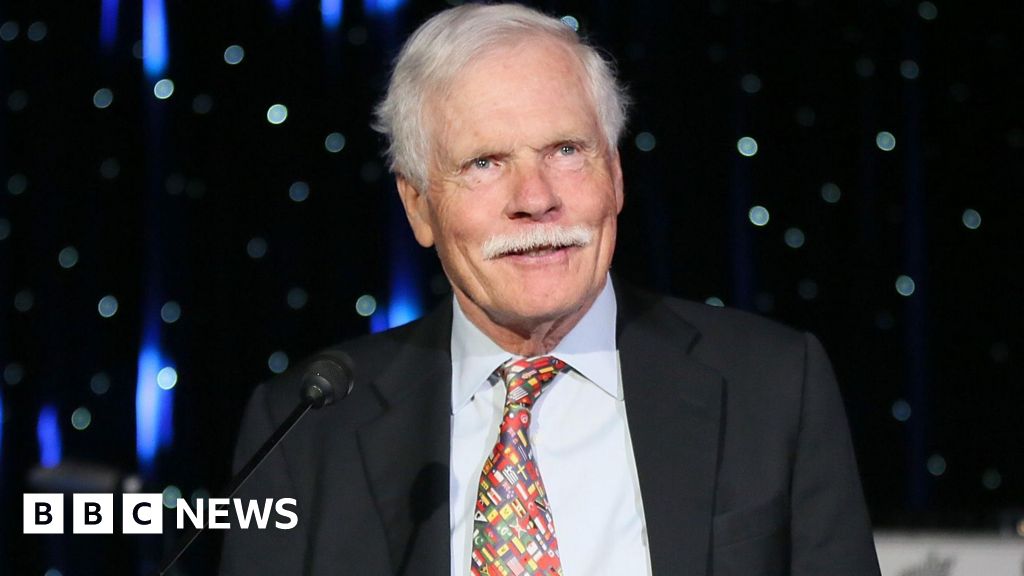
Media titan Ted Turner, founder of CNN and pioneer of modern news, passes away at 87

The Launch of CNN: Marking a New Era in International Information Warfare

In 1980, a transformative chapter in global communication was written with the launch of Cable News Network (CNN), under the visionary leadership of media mogul Ted Turner. This bold move not only revolutionized the way information was disseminated but also set the stage for the modern 24-hour news ecosystem that now pervades international societies. Analysts underscore that CNN’s inception was more than just a technological advancement; it signaled a profound shift in geopolitical narratives and the power dynamics between nations. As Turner’s brainchild expanded, it became a vital instrument for shaping public opinion, influencing diplomatic relations, and even affecting global conflicts.

This new paradigm of continuous news coverage accelerated the tempo of international conflict and diplomacy. Recent decades have demonstrated how real-time reporting can escalate or de-escalate tensions, especially when coverage spans hot zones like the Middle East, Eastern Europe, or Southeast Asia. Governments and insurgent groups alike learned to manipulate the media landscape, understanding that immediate information dissemination could sway public sentiment and international intervention. Many scholars trace this development to CNN’s revolutionary model, which blurred the line between news and propaganda, fostering a global environment where information wars are now common as conventional military confrontations.

The geopolitical impact of CNN’s expansion extended beyond reporting to influence global power structures. As international organizations like the United Nations and major powers such as the United States, China, and Russia navigated a new information environment, their strategies increasingly involved controlling narratives in real-time. This shift has led to an era where information battles often rival traditional military conflicts—including cyber operations, disinformation campaigns, and diplomatic maneuvers—highlighting CNN’s role as a catalyst for a new kind of global influence. Historians warn that the implications of this media revolution continue to unfold, with the potential to either foster greater transparency or deepen geopolitical tensions, depending on how the information age is managed.

Looking forward, experts emphasize that the ongoing intertwining of media narratives with geopolitics will test the resilience of nations’ sovereignty and societal cohesion. As an era of rapid, unfiltered information persists, the responsibility for truthful reporting and strategic communication becomes ever more critical. The launch of CNN laid the groundwork for this complex landscape, making history’s ongoing narrative one of intense competition for hearts and minds. With the stakes high and the repercussions global, historians contend we are living at the dawn of a new epoch—one where the power to shape perception can determine the fate of nations and the course of history itself.

Gasoline jumps 31 cents, hits over $4.50 — time for energy reform.

The recent spike in gasoline prices, soaring to an average of $4.53 a gallon, marks a critical juncture in American economic and geopolitical stability. According to AAA, this increase of 31 cents in just one week and an overall rise of 50 percent since the inception of the Iran conflict underscores the fragility of the global energy market. As tensions escalate with Iran’s response—namely, the *closure of the Strait of Hormuz*—the stakes for U.S. energy security become vividly apparent, revealing the underlying _power struggle_ that exists not merely in international waters, but within the corridors of political power in Washington.

For years, energy policy and national security have been intertwined, with conservative voices warning that dependence on unstable Middle Eastern regimes threatens American sovereignty. The recent surge in fuel costs demonstrates how geopolitical conflicts—particularly the *Iranian response*—can have immediate, tangible impacts on everyday Americans. The _closure of the Strait_, considered a strategic waterway for nearly 20% of the world’s oil trade, effectively threatens to choke a vital artery of the global economy. This move underscores how Iran’s _defiance_ acts as a catalyst for a broader conflict in energy dominance, challenging U.S. diplomatic resilience and strategic foresight. As political theorists like Hans Morgenthau have warned, *power is the ultimate currency*—and in this arena, the outcomes directly influence the livelihood of millions.

Within the U.S., the _decision-making process_ mirrors an ongoing _power struggle_ between different factions of authority. On one hand, pragmatic centrists and constitutional experts caution against impulsive military responses or reckless energy policy shifts; on the other, hawkish policymakers advocate for a _more aggressive stance_ both economically and militarily. The Biden administration’s handling of the situation reveals _how decisions are often a balancing act_—aimed at safeguarding national interests while preventing a full-scale conflict. This delicate dance echoes historic parallels, such as the Cuban Missile Crisis, where strategic restraint and brinkmanship determined not just the course of history, but the very fabric of world peace.

Ultimately, the current geopolitical crisis illuminates how _power remains the ultimate arbiter in international relations_ and how domestic policies are invariably shaped by these _global power struggles_. The increase in gasoline prices is not merely an economic indicator but a reflection of the broader _contest for control over global energy resources_. As history has repeatedly demonstrated, the stage of politics is where destiny is written—where decisions wielded by a few can ripple through the fabric of society, shaping the future of generations. In this unfolding drama, the question remains: will the United States rise to the challenge or succumb to the winds of geopolitical chaos? The answer lies in the enduring _battle over power_, echoing through the corridors of history and into the fuel pumps across America.

Three evacuated as Spain clears ship linked to hantavirus outbreak—public safety prioritized

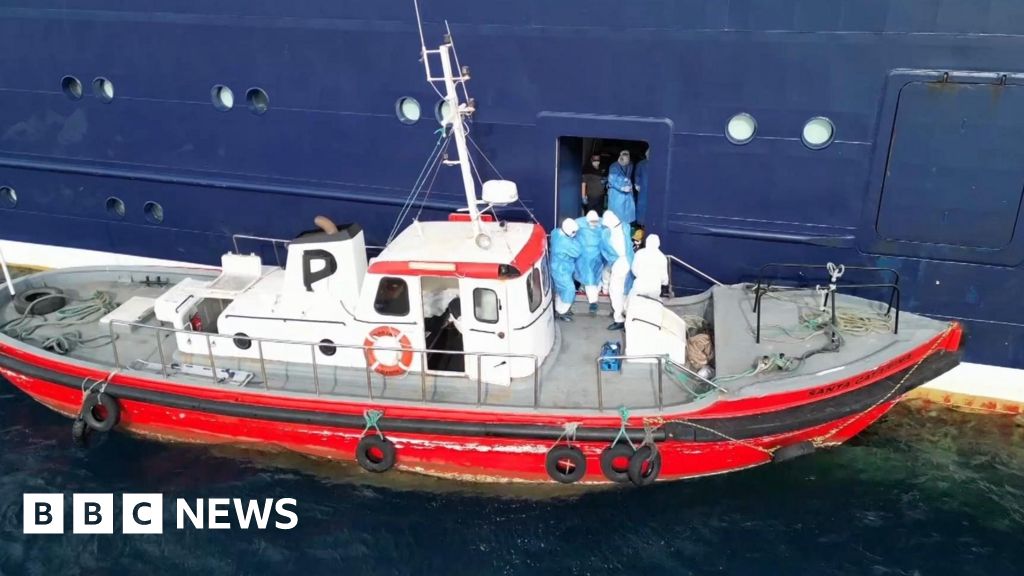
Recent developments involving the MV Hondius, a Dutch-flagged cruise ship stranded off the coast of West Africa, have spotlighted the broader societal issues of public health crises, governmental authority, and social cohesion. As nearly 150 passengers from diverse communities find themselves caught in a complex web of international health protocols and local political disputes, the ripple effects extend far beyond individual health concerns, deeply affecting families, local communities, and the societal fabric. The evacuation of suspected hantavirus patients to the Netherlands, confirmed by the WHO, underscores the intersections of health security, humanitarian responsibilities, and geopolitical considerations.

Such incidents expose the intertwined nature of demographic shifts and cultural tensions. The ship, which was en route to the Canary Islands—an often-overlooked hub for European-tourism-dependent economies—becomes a microcosm of societal fragility. The fact that the Spanish authorities refused docking initially, and that local leaders like Fernando Clavijo vehemently oppose the vessel’s arrival, illustrates how public health emergencies are increasingly politicized, threatening the social cohesion vital for community resilience.

  • The outbreak is linked to hantavirus, typically transmitted via contact with rodents, complicating quarantine strategies in high-density environments.
  • With passengers from multiple nations—Britain, Germany, Australia, and beyond—the crisis highlights the globalized nature of social issues.
  • Local governments face balancing public safety with economic and diplomatic pressures, often leaving families and communities uncertain and anxious about their loved ones’ fates.

Nevertheless, the societal ramifications extend into the realm of education and moral responsibility. As sociologists like Dr. Emily Nguyen argue, societal responses to crises influence the moral fabric of communities—shaping how future generations perceive authority, altruism, and collective security. The ongoing debate over whether to permit docking, coupled with the decisions about health monitoring and quarantine, underscores society’s moral dilemma: uphold individual rights or prioritize collective safety. The situation heightens the importance of ethical leadership in maintaining societal trust. Families—particularly those with loved ones aboard—are left navigating a landscape fraught with uncertainty, exemplifying how societal stressors inevitably translate into intergenerational anxieties and social fractures.

As the world watches with concern, the unfolding crisis serves as a stark reminder of the urgent need for community-based solutions and stronger social safety nets. The hope lies in fostering a society where public health is not merely a bureaucratic mandate but a shared moral mission—one that respects human dignity while safeguarding collective well-being. History teaches us, as sociologist David H. Smith notes, that resilient societies are built not solely on infrastructure but on trust, moral clarity, and the unity of purpose. Society’s challenge is to transform this harrowing event into an opportunity for growth, for reimagining community bonds, and for cultivating hope amid adversity. In the end, society’s greatest strength remains its capacity for renewal—an enduring testament to the human spirit’s relentless quest for harmony in a fractured world.

New York Launches Exclusive Epstein Files Library—Empowering Truth and Transparency

Revolutionizing Accountability: How Technology Is Transforming Transparency and Disruption in the Digital Age

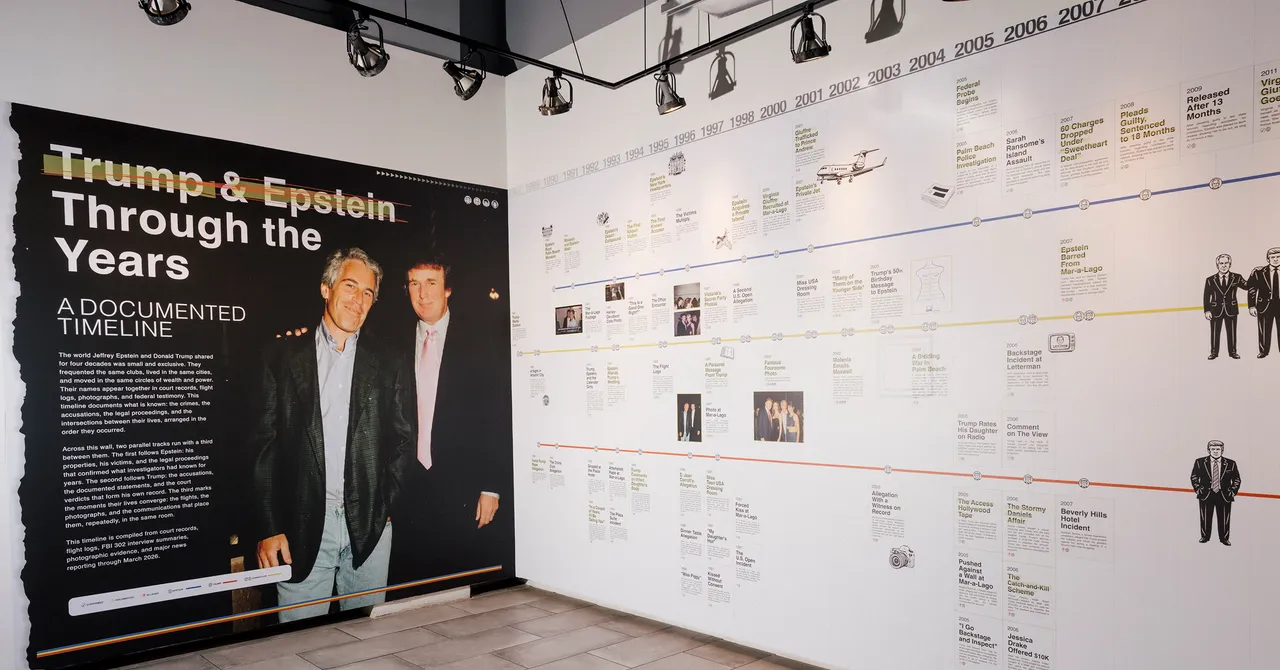
In the rapidly evolving landscape of technological innovation, institutions tackling transparency are experiencing a paradigm shift, driven by unprecedented access to comprehensive data and advanced digital platforms. The recent unveiling of the Epstein files library in New York City exemplifies this transformation, blending disruption in information management with a renewed societal calling for accountability. The collection—the culmination of years of investigative efforts—comprises over 3.5 million pages of documented evidence, organized into more than 3,700 volumes, and represents a formidable step forward in harnessing technology for public oversight and historical reckoning.

This initiative underscores how disruptive innovations in data compilation, digitization, and public accessibility are reshaping the landscape of accountability. By converting vast swaths of evidence into an accessible, organized, and interactive format, institutions like the Institute for Primary Facts are pioneering efforts that challenge traditional, opaque investigative methods. This digital transformation is fueled by advancements in data analytics, secure cloud storage, and AI-driven cataloging—tools endorsed by *MIT* researchers and industry pioneers like Elon Musk, who advocate for transparency as a foundational pillar of modern governance. Such innovations are not merely constructing *digital archives,* but are actively empowering citizens and watchdog groups to scrutinize complex crimes—ultimately fueling a convergence of technology and activism that institutions worldwide can no longer ignore.

The implications for business and governmental sectors are profound, especially considering the increasing roles of disruptive technology in uncovering corruption at the highest levels. Already, analyst firms such as Gartner forecast a burgeoning market for AI-enabled investigative tools capable of parsing through petabytes of data, revealing hidden networks, and streamlining evidence analysis at speeds unattainable by manual methods. Moreover, this shift heralds an era where digital transparency campaigns could redefine how public institutions engage with citizens, fostering new accountability standards that threaten to disrupt entrenched political and corporate powers.

Business Implications and Future Outlook

The creation and public access to expansive digital records arrive at a critical juncture where innovation in legal and data management sectors emerge as lucrative frontiers. Companies developing secure platforms for investigative data, AI-based censorship and fact-checking, and blockchain for evidence integrity are positioned to benefit immensely. The Epstein case exemplifies how these technologies hold the power to not only unravel entrenched corruption but also to dynamically alter the market landscape—challenging complacent institutions and encouraging a culture of proactive accountability.

Looking forward, the integration of emerging tech—like decentralized ledgers, facial recognition, and predictive analytics—will accelerate this trend, fostering a society where transparency is the norm rather than the exception. Industry leaders are tasked with the dual challenge of balancing privacy and security with the demand for openness and justice. As Peter Thiel and other visionaries warn, *”The future belongs to those who can innovate faster than they can be contained.”* The true potential of these innovations will depend on decisive investments, regulatory support, and a collective commitment to reform. In this era of digital disruption, those who adapt quickly will not only shape the narrative but also secure the authority to hold the powerful accountable.

MV Hondius: Three passengers evacuated off Cape Verde amid ongoing operations

The recent evacuation of passengers from the MV Hondius off Cape Verde has quickly captured international attention, highlighting the fragile interplay between global health security and maritime travel. The cruise ship, which set sail from Argentina on 1 April, became the focus of concern after an outbreak of hantavirus, a deadly rodent-spread disease. The incident underscores the persistent risks associated with international leisure travel, especially in an age where infectious diseases can rapidly transcend borders, testing the resilience of global health systems.

Within days, tragic losses occurred as three passengers succumbed to the outbreak, with several others exhibiting symptoms. The ship’s evacuation near Cape Verde and its subsequent departure to the Canary Islands serve as a stark reminder of how infectious disease outbreaks can become geopolitical flashpoints. Countries like Cape Verde and Spain, along with international health authorities, now grapple with managing the crisis while attempting to prevent further spread. Authorities’ response, coordinated with international organizations such as the World Health Organization, emphasizes the critical need for stringent onboard health protocols and rapid response mechanisms—yet, critics argue that such measures are often reactive rather than proactive.

This incident sheds light on broader geopolitical concerns. Cruise ships, often seen as emblematic of global interconnectedness, paradoxically become vectors for disease transmission—a reality that has led some nations to reconsider their maritime policies. Historically, pandemics and epidemics have reshaped international diplomacy and travel regulations; today, the outbreak aboard the MV Hondius could accelerate stricter maritime health standards, affecting the future of international cruise industry policies. Analysts warn that a failure to contain such outbreaks could undermine global confidence in maritime tourism, impacting economies that rely heavily on this sector.

International organizations and geopolitical analysts continue to monitor the unfolding situation. Recent history since the COVID-19 pandemic shows how decisions made in moments of crisis carry lasting consequences: lockdowns, travel bans, and increased health inspections have become standard, yet they often ignite tensions over sovereignty and economic interests. As nations debate the best course of action, the global community must reckon with the reality that unpredictable outbreaks can destabilize entire regions, threaten public health, and challenge the very fabric of international cooperation. The story of the MV Hondius is not merely about a cruise ship; it is a chapter in the ongoing saga where humanity’s pursuit of leisure and globalization must be balanced against the imperatives of security—an interplay that history will remember as a defining test of resilience in an interconnected world.

Social Media Auto Publish Powered By : XYZScripts.com