Matox News

Truth Over Trends, always!

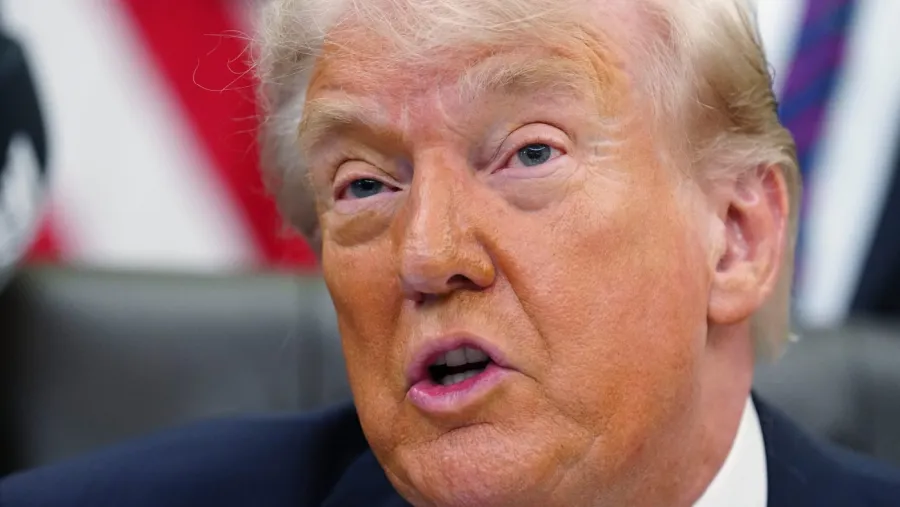
Trump warns Iran: Accept deal or risk increased military action

In an era marked by relentless power struggles and geopolitical chess, the recent reports suggesting that the United States and Iran are nearing a potential peace deal serve as a stark reminder of how decisions made in the corridors of power can reshape (or threaten to reshape) global stability. President Donald Trump has signaled a hardline stance with a blunt warning, suggesting that failure to reach an agreement will result in severe military action. His statement, posted on Truth Social, made it clear: “If they don’t agree, the bombing starts, and it will be, sadly, at a much higher level and intensity than it was before.” Such rhetoric underscores how America’s political elite view Iran’s nuclear ambitions not merely as a regional concern but as a direct existential threat requiring decisive, even brutal, responses.

Historically, U.S. policy towards Iran has oscillated between engagement and confrontation, often reflecting internal power struggles within Washington’s political apparatus. The current discourse exemplifies how the stakes are not only about diplomacy but about the very nature of American assertiveness. The administration’s push for a deal aligns with a broader strategic calculation: either leverage diplomacy to contain Iran’s influence or risk a precipitous escalation that could drag the Middle East into chaos. The use of aggressive rhetoric by Trump, reminiscent of the confrontational tone during his previous tenure, signals a desire to reassert America’s dominance on the global stage. Such decisive declarations are rooted in a worldview popular among conservative hawks, who see militarism as a necessary tool to project strength and uphold national interests.

Meanwhile, the public debate over the potential treaty exposes the underlying conflict between diplomacy and military intervention. Legislative and constitutional experts scrutinize whether Biden’s diplomacy can be sustained without forcing a confrontation that could spiral out of control. Historically, this mirrors moments when executive authority was wielded either to de-escalate or to escalate tensions — reminiscent of Cold War crises where timing, perception, and power dynamics dictated the course of history. In this context, the choices made today could either usher in a period of détente or plunge the region into an intensified conflict that redefines regional power balances. The primary question remains: will diplomacy prevail, or does the shadow of military force dominate decision-making?

Amid the underpinning power struggles, one thing remains clear: how these decisions are made directly impact the people. The citizens of Iran, the United States, and the broader Middle East shoulder the consequences of each diplomatic shift or military threat. As political theorists like Machiavelli have long argued, power is the ultimate arbiter of human fate. The current episode of high-stakes negotiation underscores this truth — where the diplomatic stage is often a battleground for control over history’s narrative. Ultimately, as the world watches, the future will be written by those wielding the most decisive power, leaving no doubt that in the arena of geopolitics, destiny is a commodity fought over with every policy enacted and every rhetorical assault launched.
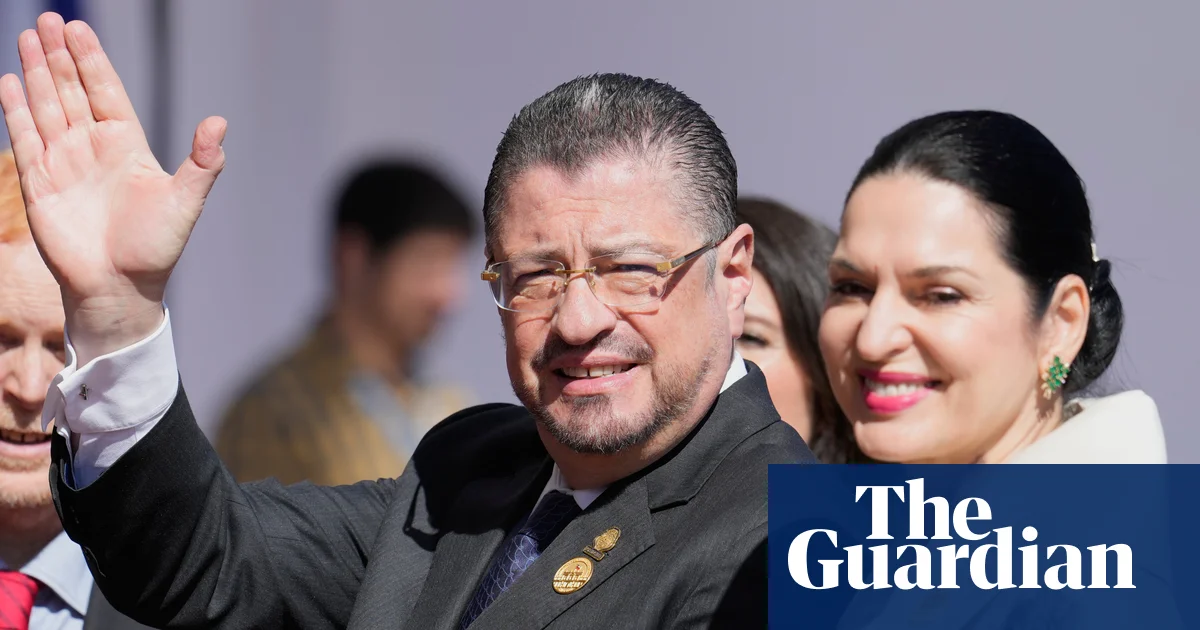
U.S. Cancels Tourist Visas for Top Costa Rica Newspaper Leaders—Security First

The recent actions taken by the United States against Costa Rica’s leading newspaper, La Nación, mark a new chapter in the geopolitical chess game that defines our era. In a move that has stunned many international observers, over half of La Nación’s board members have had their US visas revoked, an unprecedented action that signals the growing influence of Washington in shaping political landscapes in Central America. This crackdown comes amidst a backdrop of escalating tensions between the US and the Costa Rican government, highlighting how decisions made in Washington ripple across smaller nations, affecting local media, political opposition, and societal freedoms.

At the heart of this crisis is Rodrigo Chaves, Costa Rica’s current president and a close ally of the US. During his 2022 presidential campaign, La Nación’s investigative journalism exposed allegations of sexual harassment against Chaves—claims that previously forced him out of his role at the World Bank. The paper’s reporting on allegations of illegal campaign financing further deepened tensions, with Chaves condemning the outlet as “despicable press” and “political assassins.” Since assuming office, the president’s rhetoric has grown hostile, culminating in financial sanctions against the newspaper’s parent company and the recent visa revocations targeted at its board members—an attack on press freedom that critics argue is orchestrated to silence dissent in a strategic move aligned with US interests.

The geopolitical impact of this escalation extends beyond Costa Rica. Analysts argue that the US’s intervention signals an alarming erosion of democratic institutions in the region. “It’s a blatant attempt to intimidate independent press and suppress opposition voices,” warned Felipe Alpízar from the Observatory of American Politics at the University of Costa Rica. Historically, the US has used visa restrictions as tools to influence political figures—yet the targeting of a major media outlet’s board members marks a dangerous escalation, eroding not only media independence but also how nations resist external influence and protect societal freedoms. Past instances involving Nobel laureate Óscar Arias and other Costa Rican figures illustrate a pattern where US policies leverage visa controls to exert political dominance, often under the guise of security concerns or strategic economic interests.

Furthermore, the recent US actions come on the heels of diplomatic overtures, including praise for Chaves’s stance against Chinese 5G infrastructure, instigated by Secretary of State Marco Rubio. Washington’s support for hardline policies—such as Costa Rica’s agreement to accept US deported migrants and the closure of embassies—are perceived by many as deliberate moves to assert control in a region historically characterized by its quest for sovereignty. Critics contend that such measures serve US geopolitical aims under the pretext of promoting stability, but ultimately threaten to destabilize Costa Rica’s fragile political equilibrium. The fear remains: how long before the US’s influence extends further, reshaping society and politics across neighboring nations?

The unfolding narrative leaves a haunting sense of fragile sovereignty amidst the shifting sands of global influence. As Laura Fernández prepares to assume power, replacing Chaves, international analysts warn that the targeted suppression of opposition voices is unlikely to cease. Instead, they suggest, this episode is part of a larger, ongoing effort to realign regional power—an effort that could redefine the fabric of Costa Rican society for generations to come. History, it seems, is still in the making, and the global community watches with bated breath as the story of a small nation grapples with the heavy hand of a superpower in its quest for influence and control.

Polanski admits false claim of Red Cross spokesperson role

In a recent development that underscores the delicate interplay between political optics and personal accountability, Green Party leader has come under scrutiny following statements made to the BBC regarding his involvement with a prominent charity. While he maintained that he hosted fundraisers for the organization, the controversy centers on his admission that he had not properly articulated his role, raising questions about transparency and the true extent of political engagement in such philanthropic endeavors. These episodes serve as a stark reminder that power struggles within the political landscape often hinge on seemingly mundane details, yet their implications resonate deeply within public perception and policy direction.

The incident reveals a broader pattern where political actors often craft narratives that serve to shield their actions from scrutiny, yet the underlying truth persists in the details of their engagement. According to constitutional experts, the line between genuine support and strategic image management is often blurred, particularly in a climate where public trust is fragile and political branding is paramount. Historically, similar situations have emerged when leadership figures, either consciously or inadvertently, misrepresent their roles, leading to crises of credibility. The case is reminiscent of past political scandals where the mischaracterization of involvement in populist causes or charitable work became a catalyst for public outrage, illustrating that the narrative built around political power must withstand the scrutiny of truth, lest it crumble under the weight of suspicion.

This incident also highlights the power dynamics and conflicts that shape policy decisions. The Green Party’s emphasis on environmental activism often hinges on moral authority, but such controversies threaten to undermine that authority in the eyes of the electorate. The decision to clarify his role, whether as a genuine supporter or a strategic figure, underscores how personal integrity and political strategy are inexorably intertwined in the pursuit of ideological influence. Furthermore, debates among political theorists posit that leadership integrity is essential for maintaining the social contract; without it, the legitimacy of political institutions itself becomes vulnerable. As history has shown, the battle for hearts and minds often hinges on the smallest details, which ultimately define whether a movement elevates or diminishes its moral standing.

Ultimately, the revelation surrounding the Green Party leader exemplifies the notion that politics is the arena where destinies are forged, often in the crucible of contention over truth and perception. With each decision, each statement, and each allegorical gesture, political actors are engaged not solely in policy implementation but in the ongoing act of building and defending their legacy. As history illustrates through figures like Machiavelli and later political theorists, power is maintained not only through action but through the management of narrative—an enduring struggle that continues to shape how societies understand authority and legitimacy. In the end, politics remains the stage upon which the future’s script is written—its lines penned by those daring enough to shape the destiny of nations.

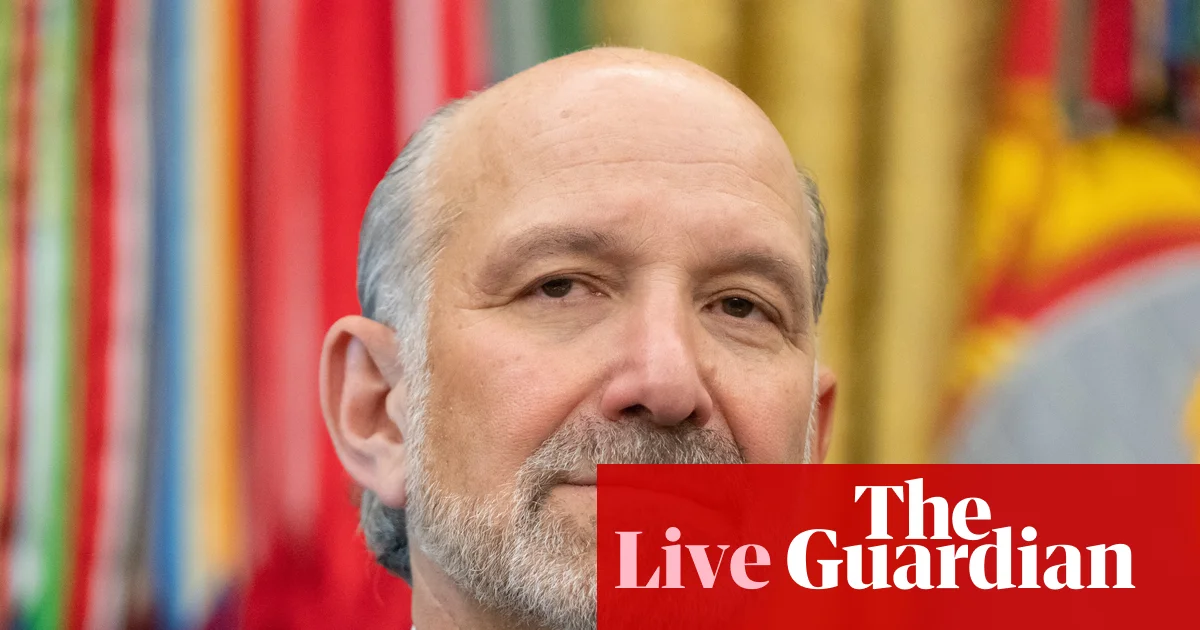
Commerce Chief Lutnick prepares for private questioning over Epstein ties—US politics update

Global Geopolitical Shifts Unfold Amid U.S. Political Chaos

In the intricate web of international relations, recent events in the United States reveal a nation mired in political turbulence, with repercussions stretching beyond its borders. As Commerce Secretary Howard Lutnick prepares for a closed-door interrogation over ties to the late Jeffrey Epstein, the international community watches with sharp interest. It’s a stark reminder that the internal struggles of the world’s most powerful democracy are not isolated incidents but have the potential to sway the course of global geopolitics. Historians warn that such internal instability could embolden adversaries and weaken alliances that rely on American leadership.

The investigation into Lutnick, which centers on claims of visits to Epstein’s private island and alleged ongoing business collaborations as recent as 2014, exemplifies the persistent shadows cast by scandals on critical policymakers. This episode underscores how transparency and accountability become vital in a country where political factions are divided over how best to confront its past. With Republicans and Democrats cooperating and opposing figures alike being called into scrutiny, the episode highlights a larger, ongoing theme: the internal fissures within the U.S. are affecting its ability to project stability outward. International analysts argue that this chaos feeds into a narrative of American decline, influencing how other nations perceive and respond to U.S. actions on the world stage.

More broadly, recent U.S. political developments, including the high-profile primaries in Indiana and Ohio, serve as microcosms of a nation at a crossroads. The success of Trump-backed candidates in Indiana, in particular, signifies a resilient, if contentious, faction of the American political landscape that refuses to abandon its populist roots. Meanwhile, the surge in fuel prices, approaching a four-year high, has prompted some officials, like Marco Rubio, to suggest that the U.S. remains “fortunate,” but the underlying economic strains threaten to undermine both domestic stability and geopolitical leverage. Countries across the globe are watching the U.S. grapple with these internal challenges, knowing that the strength of America’s economy and political resilience directly influences global markets and diplomatic ties.

Furthermore, the recent legal and political maneuvers echo deeper warnings about the fragility of American institutions. As legislative battles unfold over immigration enforcement and infrastructure investments, the international community perceives this as an era of upheaval—dangerous ground that, if mismanaged, could allow rival powers such as China and Russia to fill the power vacuum. International think tanks and geopolitical strategists warn that America’s internal disunity and scandal-driven politics threaten to erode its preeminent role in maintaining geopolitical stability. As history reveals, the balance of world power often hinges upon the internal health of its dominant nations. The unfolding drama is a stark reminder that the weight of history is still being written, and today’s internal chaos may define tomorrow’s global order.

Airlines cut 13,000 flights in May as soaring jet fuel prices hit the industry

In a clear signal of shifting economic winds, airlines worldwide have pared back their flight capacities significantly, removing nearly two million seats from their schedules over the past month, according to data from Cirium. This contraction in capacity reflects broader trends of caution and adjustment amid persistent geopolitical tensions, inflationary pressures, and changing consumer behaviors. As the backbone of global commerce and tourism, the aviation industry’s pullback is more than just a setback for travelers—it’s a revealing indicator of underlying economic currents that threaten to reshape international markets.

Most notably, the United States and Europe have spearheaded this capacity reduction, with both regions experiencing sharp declines in flight availability. The U.S.—long regarded as the backbone of global airline growth—saw nearly

  • 1 million

seats removed, driven by rising fuel costs, labor shortages, and an ongoing reevaluation of post-pandemic travel demand. Meanwhile, Europe faces similar pressures, further exacerbated by the economic fallout of recent geopolitical conflicts in Eastern Europe. These reductions signal a cautious approach by airlines amid volatile fuel prices and a cautious consumer base wary of economic uncertainty.

The market impact of this capacity contraction extends beyond the aviation sector. The reductions pose risks to related industries such as tourism, manufacturing, and international trade. Investors are closely monitoring these developments, with some analysts warning that sustained capacity cuts could foreshadow a slowing of global economic growth. Economists at the World Bank and IMF suggest that continued reductions may dampen international commerce, foreshadowing a potential cooling-off period in the global economy. Conversely, some industry insiders argue this realignment might signal a more sustainable path forward, emphasizing efficiency over expansion in an era of geopolitical uncertainty.

The policy consequences of these trends are noteworthy. Governments in Europe and North America are now under increased pressure to address inflationary pressures that have driven operational costs skyward. Meanwhile, airline regulators are contemplating measures to stabilize the industry without risking further capacity losses that could hinder economic vitality. The reduction in airline services also raises critical questions about future air traffic management and sustainable transportation policies, as nations grapple with balancing economic recovery against environmental commitments.

Looking ahead, the continued contraction in global airline capacity highlights a turbulent yet transformative period in economic history. The pulse of nations beats strongly in response to these shifts, revealing a landscape where resilience and adaptability will define future power structures. As economic and geopolitical forces converge, the global economy is poised on the cusp of a new era—one where strategic recalibration will determine the trajectory of trade, influence, and economic dominance for years to come. In this epoch of flux, the aviation industry’s transformation epitomizes the relentless reshaping of the global stage, illustrating that even in contraction, the seeds of future strength are being sown.

Israeli Strikes Trigger Wave of Chaos in Lebanon

In a dramatic escalation that threatens to reshape the geopolitical landscape of the Middle East, Israel launched a sweeping military assault against Lebanon on 8 April 2026, just hours after US President Donald Trump announced a tentative ceasefire between the United States, Israel, and Iran. The timing of these events underscores the fragile and volatile nature of regional diplomacy, where even diplomatic overtures can be swiftly overshadowed by renewed violence. Israel claimed to have targeted 100 sites within a mere ten minutes, shattering hopes of a pause in hostilities and amplifying the risk of a wider regional confrontation.

This latest chapter in the ongoing conflict between Israel and Hezbollah, the Lebanese militia armed and financed by Iran, began on 2 March after Hezbollah launched rockets into Israeli territory. Israel responded with an aggressive campaign of aerial bombardments and a ground invasion of southern Lebanon, reigniting a conflict that has already claimed over 2,600 lives in Lebanon, according to the country’s health authorities. As Lebanon’s towns and villages grapple with destruction and displacement—roughly one-fifth of the population forced to flee—the consequences extend far beyond the battlefield, destabilizing an already fragile nation and alarming international observers.

From the perspective of global analysts and historians, the recent violence signals a critical turning point in the regional power struggle. Many experts warn that this renewed conflict could spiral into a much broader war, destabilizing the entire Middle East. The United Nations and regional powers face mounting pressure to intervene, yet the path to de-escalation remains elusive amidst entrenched geopolitical interests. Lebanese society is caught in the crossfire, suffering profound human toll, as families mourn loved ones and communities struggle to recover amid the chaos. This surge of violence is not merely a local tragedy but a stark reminder of how decisions made in distant capitals resonate across borders, fueling instability and endangering global peace.

The geopolitical impact of this escalation extends beyond Lebanon and Israel, touching the core of international diplomacy and security alliances. The United States, under President Trump’s administration, appeared to aim for a moment of diplomatic respite, yet the subsequent attack exposes underlying tensions and unresolved conflicts that threaten the fragile balance of power in the region. Analysts argue that the rapid escalation demonstrates how calculated military actions can undermine diplomatic efforts, forcing nations into dangerous standoffs that are difficult to unravel. The international community, including NATO and the European Union, is now faced with the urgent question: how to prevent an all-out regional war?

As the dust settles and the world watches with apprehension, history continues to unfold in real time. The conflict’s ramifications could ripple across Africa, Europe, and beyond, as global powers recalibrate their strategies in a region that remains one of the most volatile on Earth. Ultimately, the decisions made today will echo through history—either as moments of courageous diplomacy or tragic failures to prevent catastrophe. And so, the race against time persists, with the shadows of war lengthening over a world desperately longing for peace, yet teetering on the edge of chaos—the weight of history unmistakably pressing down on the fabric of global stability.

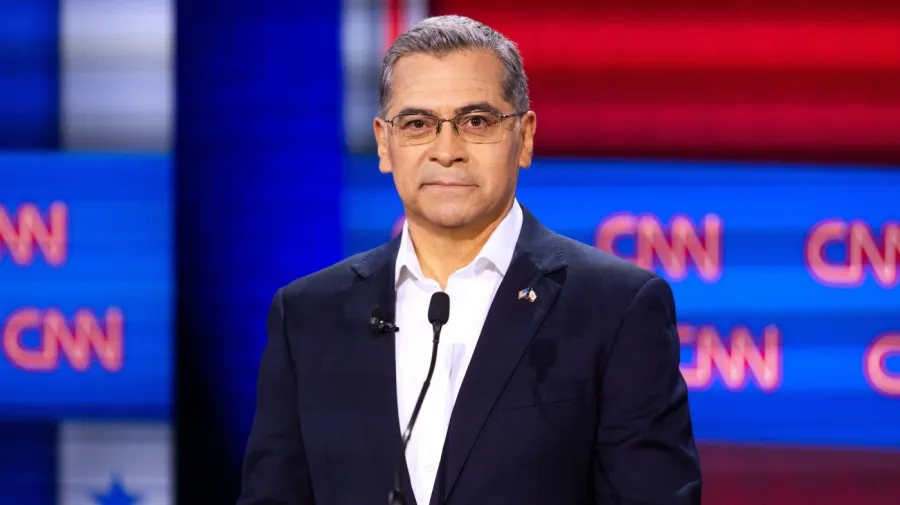
California GOP hopefuls target Becerra during heated debate

Amidst the tumultuous landscape of California politics, a fierce power struggle is emerging as candidates vie to shape the Golden State’s destiny. The recent gubernatorial debate, ignited by the looming exit of Gavin Newsom due to term limits, revealed a political arena rife with strategic maneuvers and ideological clashes. At the center stands Xavier Becerra, the former Health and Human Services Secretary, whose surge to frontrunner status underscores a seismic shift within the Democratic echelon of the state. Candidates seized upon Becerra’s rising prominence to underscore divergent visions for California’s future, each advocating policies rooted in their own interpretation of progress and authority.

The contest reflects a broader struggle over who holds the power to dictate policy and influence the everyday lives of Californians. With the exit of Eric Swalwell, a congressman whose departure has further unsettled the political landscape, the race has pivoted on not just individual charisma but on ideological allegiance. These elections serve as a battleground where fundamental questions about governance, economic reform, and social policy are fiercely debated. Candidates are positioning themselves as the custodians of either tradition or change, weighing the importance of state sovereignty against federal influence, especially in a state often perceived as a barometer of national political trends.

This intra-party strife exposes a deeper conflict over the direction of American liberalism. Powerful figures and constitutional experts point to historical parallels, observing how California’s political upheaval echoes past battles over state autonomy and federal overreach. The contest reflects a microcosm of the national ideological schism—between the desire for radical transformation and cautious reform—each camp eager to carve its legacy into the annals of history. The ultimate outcome hinges on who can wield influence over the state’s legislative machinery, shaping policies that influence everything from public health to economic vitality. The stakes imply not just a fight for office, but for the very soul of Californian governance.

As these political machinations unfold, it becomes increasingly evident: politics is less about personal ambition and more about the grand narrative of power and influence. The decisions made and policies enacted are instrumentally linked to the people’s fate—either safeguarding their liberties or extending the reach of government authority. In the grand theater of public life, each campaign, debate, and legislative push plays into a larger story of struggle for control over the future. The contestants are not merely vying for votes but for the mantle of leadership that will determine California’s—and by extension, America’s—course. In this relentless pursuit of power, history reminds us that those who command policy influence the very fabric of society, etching their will into the annals of time. Ultimately, it is the decisions of these political actors that write the next chapter of the nation’s destiny—an epic where the stakes are nothing less than the soul of a state and the future of the republic itself.

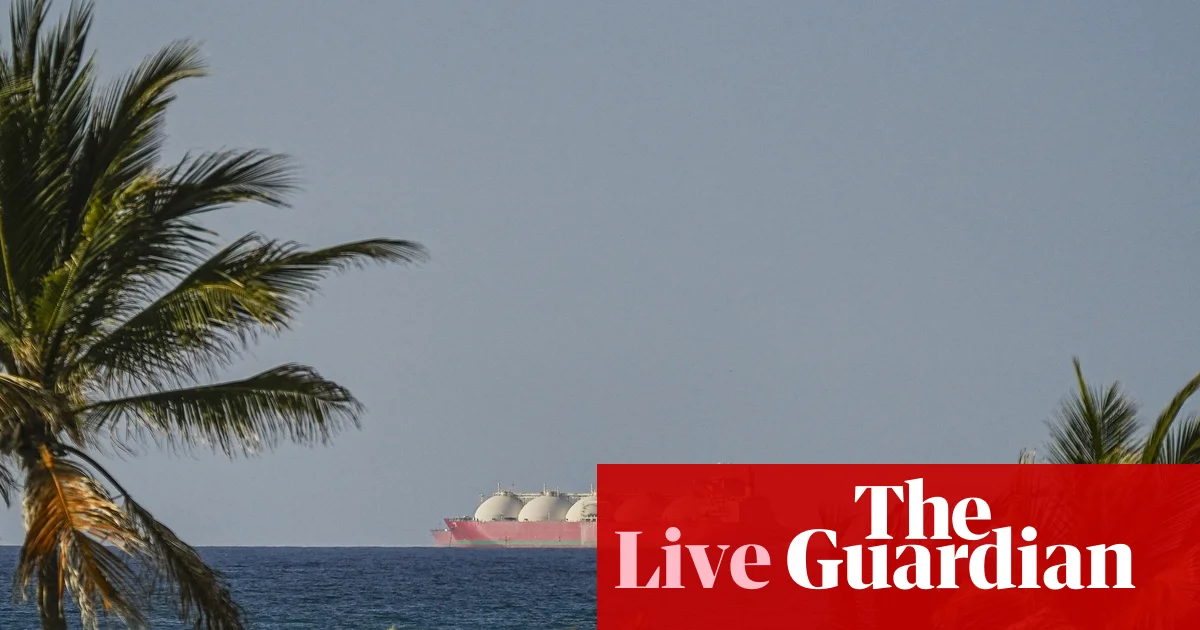
Oil dips, stocks soar as Trump cheers ‘big progress’ on Iran deal — markets on the rise

Global Markets Surge as Diplomatic Negotiations and Geopolitical Shifts Reshape the World Economy

The international financial landscape has experienced a wave of optimism this week, driven by significant diplomatic breakthroughs and a series of strategic geopolitical adjustments. Donald Trump, amid intense international scrutiny, announced a pivotal pause in the controversial “Project Freedom” aimed at steering vessels stranded in the Strait of Hormuz. This move, viewed by many analysts as a calculated step towards easing tensions, coincided with his declaration of “great progress” in negotiations with Tehran for a potential *final agreement* on Iran’s nuclear program. The implications of this diplomatic pivot are profound, signaling a possible shift towards de-escalation in one of the world’s most sensitive geopolitical flashpoints.

In the wake of these developments, Asian equities soared to record highs, with South Korea’s Kospi surpassing 7,000 for the first time, led by an extraordinary 15% leap in Samsung Electronics. This surge not only cemented Samsung’s market value above $1 trillion but also signaled confidence in the broader Asia-Pacific markets, which rallied with Hong Kong’s Hang Seng and China’s CSI 300 climbing appreciably. Meanwhile, Japan’s Nikkei gained nearly 0.4%, consolidating once again as a nexus of regional economic revival. Europe’s bourses also reacted positively, with the FTSE 100 in London gaining 1.5%, led by global spirits giant Diageo. Notably, Diageo announced it was maintaining its 2026 forecasts, citing resilience despite geopolitical uncertainties in the Middle East, which could have disrupted energy supplies and global trade routes.

Back in the United States, Wall Street hit fresh record highs, with the S&P 500 up nearly 0.8% and the Nasdaq surging 1%, amid a maelstrom of AI-driven trades and investor confidence in the technology sector. Chris Weston, a leading analyst at Pepperstone, remarked that institutional investors are steadfast in adding to their positions in the “2026 winners,” especially in tech segments led by giants like Apple and major memory manufacturers. This inflow underscores a broader trend: global investors are displaying a clear preference for sectors poised to benefit from technological innovation and long-term economic reforms. As analysts from the International Monetary Fund and respected historians observe, such resilience highlights a critical juncture in the ongoing narrative of global market recovery.

The diplomatic détente with Iran, coupled with the resilient performance of stock markets worldwide, has raised questions about the geopolitical impact of these diplomatic shifts. Critics warn that the pause in the Iran-U.S. standoff may be temporary and that underlying tensions could flare anew if the broader negotiations falter. The strategic significance is clear: the Strait of Hormuz, a vital artery for global oil supplies, remains a point of contention, with Trump maintaining the blockade of Iranian ports as a show of strength. This move has sent oil prices retreating nearly 2% to $107.7 per barrel, temporarily easing inflationary pressures but also signaling ongoing instability. How these decisions influence energy security and regional stability in coming months will undoubtedly shape economic policies across key NATO and Middle Eastern nations.

As history continues to unfold under the watchful eyes of the global community, the decisions made in these turbulent yet pivotal days will resonate for generations. Will this convergence of geopolitics, diplomacy, and market resilience herald a new era of cautious optimism, or are we merely witnessing a fragile pause in a broader storm? The answers remain embedded in the complex tapestries of international relations, economic reform, and the relentless march of history—a story still being written, and its climax yet to come.

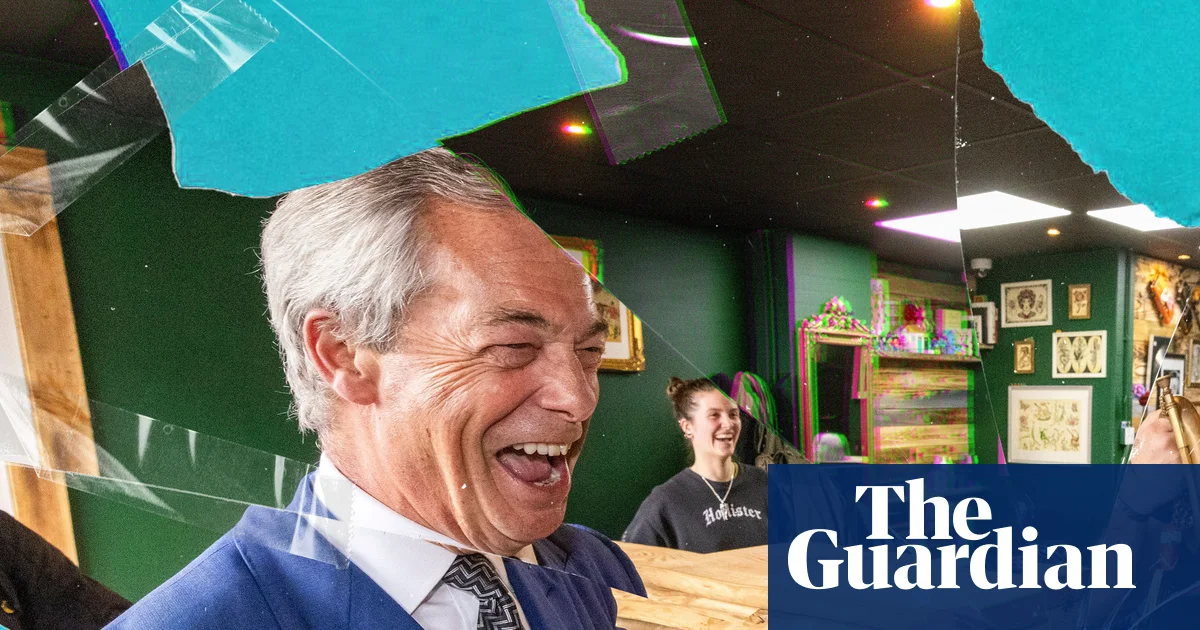
Apps and activism fuel Essex campaign: Reform UK’s move towards professionalism tested

The upcoming local elections in Essex have become a crucible for the ambitions of Reform UK, a party siphoning energy from populist fervor, and positioning itself as a formidable challenger to the established political order. Led by Nigel Farage, a figure synonymous with Brexit and nationalist resurgence, Reform UK’s strategy entails more than merely gaining seats; it aims to recalibrate the power dynamic of local governance and challenge the entrenched political elites who have long dictated the terms of civic life. During a recent walkabout in Waltham Abbey, Farage demonstrated that the party’s outreach is both strategic and symbolic, blending traditional populist rhetoric with an emphasis on professionalization and reform—echoes of the Thatcherite revolution that once reshaped British conservatism.

The party’s focus on local governance speaks to an underlying power struggle for control over decisions that directly impact everyday citizens. With over one million votes across Essex’s county councils on the line, Reform UK’s prospects hinge on their ability to appear as a credible alternative, challenging the status quo of both Labour and Conservative dominance. Their campaign promises encompass a broad spectrum of reforms, such as

  • reducing bureaucracy,
  • enhancing public safety,
  • and promoting a nationalist, sovereignty-first agenda.

Such policies resonate strongly with voters disillusioned by what they perceive as a distant, unresponsive political establishment. Political theorists like Hannah Arendt have long argued that power often resides not just in institutions but in the public’s perception of who holds the authority—a perception that Reform UK is cleverly exploiting.

Meanwhile, the power struggles unfolding within the British political landscape serve as a stark reminder of how decisions by political leaders can reverberate far beyond Westminster, shaping the lives of ordinary people. The push for political professionalism and restructuring local authority functions may seem technical, but in truth, they are battlegrounds for ideological dominance. The idea that local governments should serve as dykes against the tidal wave of unchecked immigration, EU-era regulations, or globalist interference is a recurring theme among reform-minded factions. These movements evoke echoes of Hayek’s cautionary warnings against central planning—reminding us that power concentrated too heavily in bureaucratic elites often undermines individual liberty and local autonomy.

As Reform UK advances its insurgency, the inherent conflicts reveal a broader contest for the soul of British politics. The party’s success could recalibrate long-standing political equilibria, much as Margaret Thatcher’s revolution did in the 1980s, redefining what it means to be conservative and what role the state plays in citizens’ lives. Yet, their rise also poses a question about the resilience of traditional party systems: will this new populist wave fracture the political landscape into irreparable factions, or will it ultimately be absorbed into the existing framework? The answer hinges on the decisions made behind closed doors and in the halls of power, where the destiny of a nation is often forged in shadows. Ultimately, politics remains the grand stage where the struggle for sovereignty and self-determination continues—a relentless duel where history’s pen continues to write the future’s narrative.

Ring Deal Alert: Get 50% Off with Exclusive Promo Code!

Ring’s Strategic Push to Dominate Smart Security Market Accelerates

Amazon’s Ring division continues to disrupt traditional home security paradigms through aggressive pricing strategies and expansive product bundling, marking a pivotal moment in the evolution of smart home technology. With the latest promotional offers—featuring up to 50% off on cameras, doorbells, and comprehensive bundles—the company is solidifying its market dominance, turning everyday homes into integrated ecosystems of connected security devices. This move underscores Amazon’s broader vision of owning the home convenience industry, echoing the disruptive visions endorsed by tech visionaries like Elon Musk and Peter Thiel, who emphasize the importance of vertical integration and ecosystem control for sustained competitive advantage.

Innovation at the Core: Disrupting the Traditional Security Industry

  • Integrated Ecosystem: Ring’s emphasis on seamless app-based control simplifies user engagement, fostering customer lock-in and high switching costs.
  • Advanced AI Capabilities: Premium plans boast AI-driven features—such as enhanced motion detection and real-time alerts—that set new benchmarks in smart surveillance.
  • Cost Disruption: Heavy discounts on starter kits and subscription plans lower entry barriers, intensifying price competition and potentially squeezing legacy competitors.

This strategy is underpinned by innovation-driven disruption—surpassing legacy security firms through combined hardware/software integrations that are increasingly intelligent and user-friendly. With Gartner analysts suggesting that AI-enhanced home security could see a CAGR of over 20%, the industry is poised for a seismic shift away from traditional, manual security systems toward fully connected, software-driven solutions. The significance of this shift is particularly evident as major tech firms leverage economies of scale to favor cloud-based subscriptions over one-time hardware sales, which carries profound implications for future revenue streams and industry structure.

Business Implications and Market Dynamics

The prevailing model—relying on monthly subscriptions to unlock full functionalities—has revolutionized the value proposition of home security. As noted by industry experts and MIT researchers, this transition favors scalable SaaS revenue over stodgy hardware sales, aligning well with Amazon’s aggressive expansion goals. The bundling of products like the Whole Home Basic Kit, which integrates multiple cameras, sensors, and alarms, introduces an ecosystem lock-in that incentivizes consumers to stay within the Ring chequebook—potentially squeezing out established security companies unable to match Amazon’s pricing and technological rapidity.

Furthermore, the move toward integrated smart security markets is forecast to attract a new wave of youthful, tech-savvy consumers eager for affordable, yet sophisticated, home automation. Amazon’s targeted marketing campaigns are clearly aiming at this demographic, fostering brand loyalty at an early stage and capturing market share before the industry reaches saturation.

Future Outlook: A Call to Industry Leaders and Innovators

As disruption accelerates, industry leaders must recognize that the smart home security space is no longer just about protecting physical assets but about establishing an intelligent, integrated ecosystem that leverages AI, machine learning, and seamless connectivity. With competitors like Google Nest and new entrants vying for market share, Amazon’s relentless push underscores an urgent imperative for traditional security firms to innovate or risk obsolescence. Looking ahead, the trajectory is clear: those who innovate at scale, focus on AI-driven experiences, and leverage ecosystem lock-in will dominate the next decade of home security.

For consumers and investors alike, the message is unambiguous: technology and business models are converging faster than ever, demanding an aggressive stance on innovation. As Elon Musk often stresses, “the future belongs to those who move fast and break stuff,” and in the fiercely competitive landscape of smart home security, the clock is ticking for legacy industry players to adapt or face the risks of being left behind.

Social Media Auto Publish Powered By : XYZScripts.com