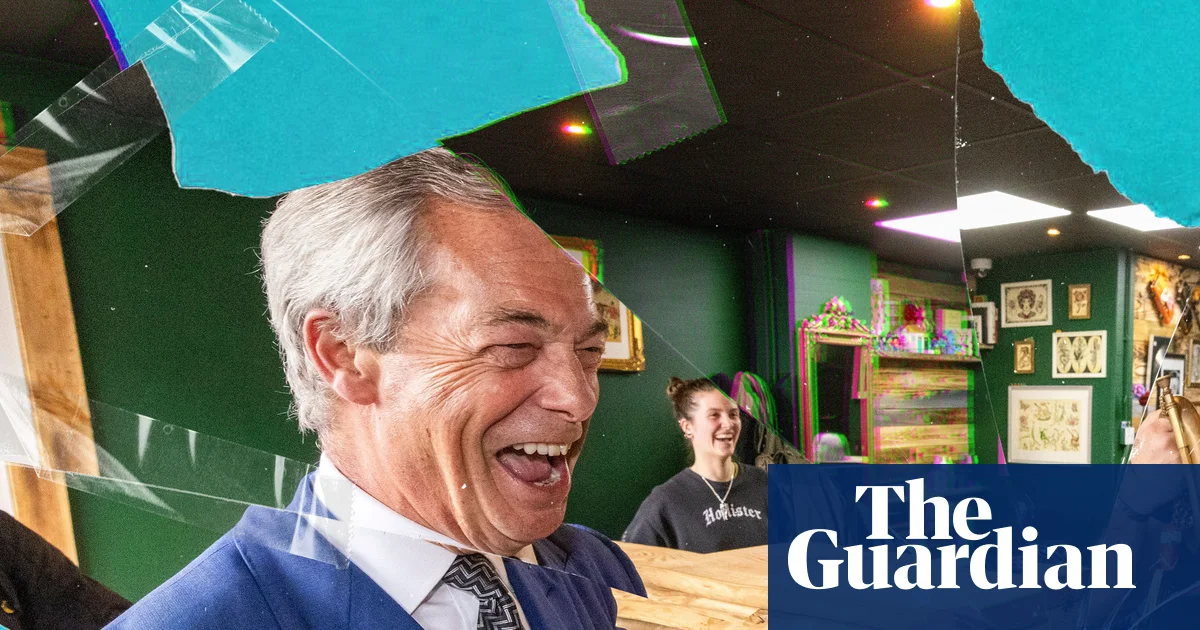
The upcoming local elections in Essex have become a crucible for the ambitions of Reform UK, a party siphoning energy from populist fervor, and positioning itself as a formidable challenger to the established political order. Led by Nigel Farage, a figure synonymous with Brexit and nationalist resurgence, Reform UK’s strategy entails more than merely gaining seats; it aims to recalibrate the power dynamic of local governance and challenge the entrenched political elites who have long dictated the terms of civic life. During a recent walkabout in Waltham Abbey, Farage demonstrated that the party’s outreach is both strategic and symbolic, blending traditional populist rhetoric with an emphasis on professionalization and reform—echoes of the Thatcherite revolution that once reshaped British conservatism.
The party’s focus on local governance speaks to an underlying power struggle for control over decisions that directly impact everyday citizens. With over one million votes across Essex’s county councils on the line, Reform UK’s prospects hinge on their ability to appear as a credible alternative, challenging the status quo of both Labour and Conservative dominance. Their campaign promises encompass a broad spectrum of reforms, such as
- reducing bureaucracy,
- enhancing public safety,
- and promoting a nationalist, sovereignty-first agenda.
Such policies resonate strongly with voters disillusioned by what they perceive as a distant, unresponsive political establishment. Political theorists like Hannah Arendt have long argued that power often resides not just in institutions but in the public’s perception of who holds the authority—a perception that Reform UK is cleverly exploiting.
Meanwhile, the power struggles unfolding within the British political landscape serve as a stark reminder of how decisions by political leaders can reverberate far beyond Westminster, shaping the lives of ordinary people. The push for political professionalism and restructuring local authority functions may seem technical, but in truth, they are battlegrounds for ideological dominance. The idea that local governments should serve as dykes against the tidal wave of unchecked immigration, EU-era regulations, or globalist interference is a recurring theme among reform-minded factions. These movements evoke echoes of Hayek’s cautionary warnings against central planning—reminding us that power concentrated too heavily in bureaucratic elites often undermines individual liberty and local autonomy.
As Reform UK advances its insurgency, the inherent conflicts reveal a broader contest for the soul of British politics. The party’s success could recalibrate long-standing political equilibria, much as Margaret Thatcher’s revolution did in the 1980s, redefining what it means to be conservative and what role the state plays in citizens’ lives. Yet, their rise also poses a question about the resilience of traditional party systems: will this new populist wave fracture the political landscape into irreparable factions, or will it ultimately be absorbed into the existing framework? The answer hinges on the decisions made behind closed doors and in the halls of power, where the destiny of a nation is often forged in shadows. Ultimately, politics remains the grand stage where the struggle for sovereignty and self-determination continues—a relentless duel where history’s pen continues to write the future’s narrative.