Matox News

Truth Over Trends, always!

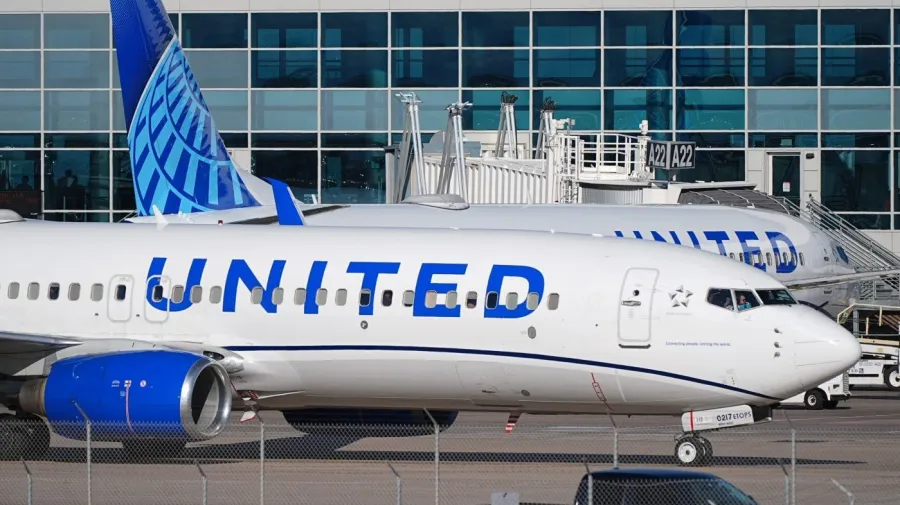
NTSB probes United flight hit pole on NJ Turnpike, safety concerns raised

National Tides of Power: The Incident on the New Jersey Turnpike Sparks Broader Debate

The recent incident involving United Airlines Flight 169, which struck a light pole on the New Jersey Turnpike, has once again thrust the fragile interplay between regulatory oversight and corporate accountability into the national spotlight. The National Transportation Safety Board (NTSB), tasked with probing this unsettling event, underscores how critical decision-making at the intersection of private enterprise and government oversight truly is. As the investigation unfolds, it reveals a larger narrative — one where the power struggle between regulatory bodies, industry stakeholders, and political interests determines the safety and sovereignty of the traveling public.

This episode is more than an accident; it is emblematic of ongoing conflicts over control and responsibility. Airlines operate within a complex lattice of federal regulations and safety protocols, often under the influence of political pressures favoring deregulation and corporate freedom. President Biden’s administration has emphasized the importance of safety reforms, promising increased oversight, yet critics argue that decades of deregulation have eroded safety standards to prioritize profit margins. From a historical perspective, this tension echoes early 20th-century debates about government control versus private enterprise, reminiscent of the Progressive Era’s reforms and their subsequent rollback. Today, the stakes are higher, for decisions made in this arena directly shape the safety and rights of everyday travelers.

The incident’s implications extend into the realm of power dynamics where corporate interests and public safety often collide. The airline industry, heavily influenced by lobbying efforts, has maintained a delicate balance — or perhaps a fragile dominance — over regulatory policies. As the NTSB’s investigation progresses, it raises questions about accountability. Was this a failure of oversight, or simply an unavoidable accident? How decisions by corporate executives and regulatory agencies influence safety standards remains at the heart of the debate. More critically, these events serve as a testing ground for the resilience of our constitutional checks and balances — do agencies like the NTSB wield enough authority, or are they hamstrung by political and industry interests? Experts in constitutional law warn that the outcome of these investigations could test legal boundaries, determining whether regulatory agencies can truly hold powerful entities accountable in pursuit of the public good.

At the core, this incident underscores a broader truth: politics is the theater where the future of individual liberty, safety, and national sovereignty is authored. The decisions — whether enhancing oversight or succumbing to corporate influence — will ultimately decide the shape of society’s fundamental rights: safety, mobility, and trust. As history and political theory reveal, power struggles are never static; they evolve through crises, victories, and setbacks, mirroring the ongoing contest for dominance between state control and private enterprise. Here, in the shadow of this incident, lies a critical question for citizens and policymakers alike: in the choreography of power, who truly holds the steering wheel? The answer, as history has shown, may very well determine whether society advances in safety and sovereignty or falters into chaos — for in politics, fate is written not with ink, but through the deliberate actions of those who dare to shape the future.
Iran Claims U.S. Has Reacted to Its Peace Offer

In a move that continues to shape the strategic landscape of the Middle East, the United States has announced its commitment to ensuring the safe navigation of vessels through critical maritime choke points. In a statement circulated via social media, an unnamed U.S. official communicated that the U.S. government will assist certain countries by guiding their ships safely out of restricted waterways. While the official did not specify which nations are involved, such declarations typically signal a shift in regional security policies amid ongoing tensions and geopolitical rivalries.

This announcement is set against the backdrop of a broader geopolitical contest involving Iran, the Gulf Cooperation Council (GCC) members, and major global powers. The U.S. emphasis on providing maritime security reflects ongoing efforts to maintain freedom of navigation in vital corridors like the Strait of Hormuz, a strategically crucial waterway that connects the Persian Gulf to the Indian Ocean. Historically, analysts, including those at the International Institute for Strategic Studies (IISS), have observed that such assurances are designed to serve multiple interests: safeguarding global oil supplies, deterring regional adversaries, and reinforcing America’s presence as the dominant maritime power.

The consequences of this stance are profound and resonant across multiple spheres. For Iran, which has long sought greater control over regional waterways, the U.S. promise of escort and protection represents a persistent challenge to their ambitions. Historically, Iran’s Houthi insurgency and its maritime provocations have led to frequent naval skirmishes and disruptions, threatening global trade routes. Meanwhile, U.S. policymakers are acutely aware that any increase in insecurity could escalate into broader conflict, potentially destabilizing economies and endangering the security of allied nations. This move, therefore, underscores the United States’ strategic intent to limit Iran’s influence while reassuring allies across the Gulf.

The geopolitical impact of such American assurances extends well beyond immediate regional security. It influences international diplomacy, impacting negotiations over Iran’s nuclear program and other contentious issues. Experts caution that while these efforts might temporarily ease maritime tensions, they could also inflame regional rivalries, prompting Iran to escalate asymmetric responses or increase its domestic militarization. For proponents of a strong U.S. presence, these measures reaffirm American resolve to uphold maritime freedoms; critics, however, warn of the risks of provoking an unintended confrontation that could destabilize the broader Gulf region. As international organizations and analysts continue to follow developments, the echoes of these decisions underscore that regional conflicts are not isolated but intricately linked to global power balances.

Looking ahead, the recent U.S. declaration is a stark reminder that history is once again writing itself in the corridors of power. With the Middle East́’s strategic waterways as both battleground and bargaining chip, the delicate balance of diplomacy and force hangs in the balance. As historians and security experts warn, every decision shaped now risks becoming part of a larger narrative of conflict—one that could redefine alliances and reshape the geopolitical map for generations to come. The question remains: how will nations respond to this pivotal moment? As the world watches, the unfolding saga promises that the tides of history continue to surge, carrying civilizations into uncertain waters with the weight of their choices echoing into eternity.

Lorraine Ribbons’ Legacy: Championing Children’s Health and Our Future

In an era marked by rapid societal shifts and escalating social disparities, the life of Lorraine Ribbons exemplifies how individual dedication can serve as a beacon of hope and resilience for families coping with medical and emotional hardships. Her extensive volunteer work with the Association of Children with Heart Disorders (ACHD) underscores the critical role that community-based support systems play in mitigating the social and health disparities faced by vulnerable populations. Lorraine’s deep involvement—visiting hospitals, organizing holidays, and providing emotional support—highlights a vital societal need for accessible, compassionate care beyond the boundaries of institutional health services.

Many social commentators and sociologists have pointed out that rising healthcare costs and the diminishing presence of community-centered care threaten to alienate families from the support networks they desperately need. Lorraine’s example reveals how families with children suffering from chronic conditions often become alienated from mainstream medical support, facing emotional isolation and financial strain.

  • The challenge remains: how can society integrate volunteer-led initiatives into a broader public health strategy?
  • What kind of policies can foster spaces where families are not left to navigate hardship alone?

Her work demonstrates that when local communities mobilize with genuine compassion, real bonds form that transcend mere dependency, fostering social cohesion and moral responsibility.

Equally significant is the cultural shift in how society values mental health, familial wellbeing, and the nurturing of social bonds. Lorraine’s commitment to marriage guidance counselling and volunteer work illustrates a profound awareness of the interconnectedness between emotional stability and societal health. However, public institutions often fall short in addressing these complex issues, leaving a gap filled by volunteers whose efforts, though noble, are insufficient to meet the wider societal needs. Embracing these human-centric approaches is essential in rebuilding social trust and ensuring that no family faces hardship in isolation, especially amidst modern social upheavals.

As we reflect on Lorraine’s legacy, it is clear that the enduring strength of communities lies in its members’ willingness to serve and uplift one another. Her story, intertwined with struggles and triumphs, leaves us contemplating the social fabric we are collectively weaving. The challenges of healthcare disparities, social fragmentation, and emotional neglect are formidable, yet through courage and community spirit, society has the capacity for transformation. It calls on us to rebuild not just institutions but also the moral bonds that bind us—looking beyond individual needs to the collective good.

In this high-stakes moment of social evolution, perhaps the most poignant question remains—can society rekindle the spirit of volunteerism and compassion that sustains us, turning fleeting acts into lasting change? For, in the end, society’s greatest hope lies not in policies alone, but in the quiet acts of kindness that remind us all of the humanity we share and the future we can forge together.

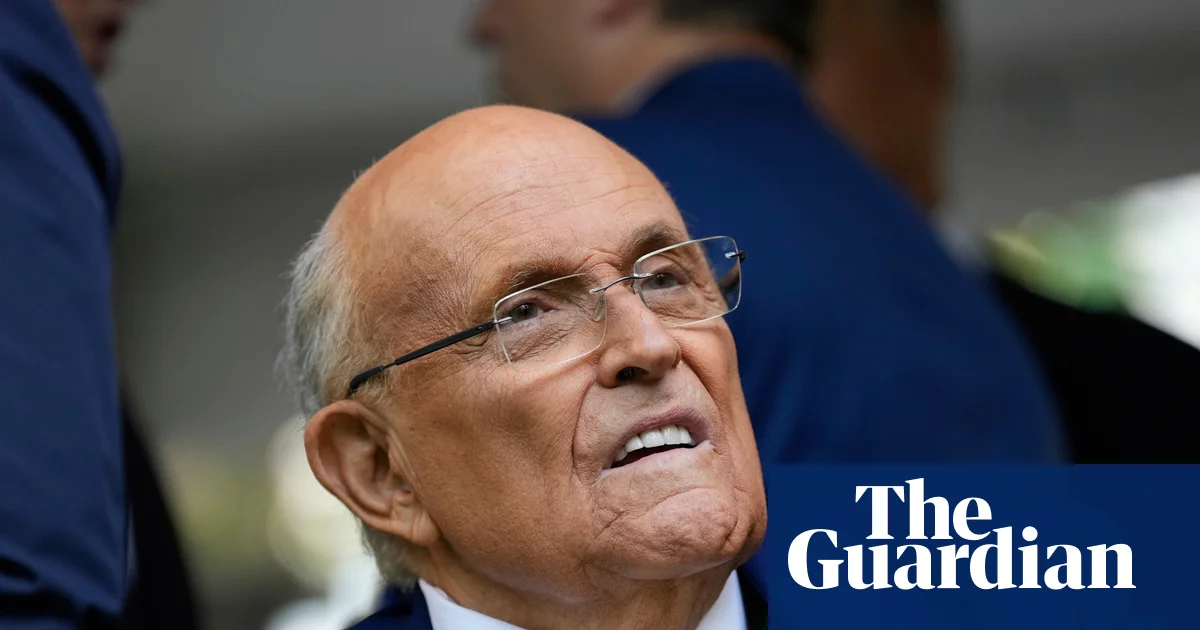
Rudy Giuliani in ‘critical but stable’ condition after hospital stay

The recent hospitalization of Rudy Giuliani, once hailed as America’s mayor for his resolute leadership during the September 11, 2001 attacks, hassent ripples across both political discourse and international perceptions. At 81, Giuliani remains a symbol of resilience for many conservatives, his health status—described as “critical but stable”—raising questions about the reverberating impact his absence might have on US domestic affairs and global diplomacy alike. His career, marked by unwavering support for former President Donald Trump and his controversial efforts to contest the 2020 election results, underscores the intertwined nature of American internal politics and the wider geopolitical chessboard.

Giuliani’s role as a fiery legal advocate for Trump’s claims, particularly his attempts to overturn electoral results, has ignited fierce debates over §the integrity of democratic processes. These efforts, which culminated in criminal charges against him in two US states and a defamation suit, illustrate the intense ideological divide gripping the nation—a divide that echoes across the world. Analysts from the Council on Foreign Relations caution that such internal strife could weaken America’s standing on the international stage, especially as global powers navigate their own conflicts and strategic interests. Furthermore, Giuliani’s rise from the chaos of 9/11 to the tumult of modern politics exemplifies how individual narratives can influence—and are often overshadowed by—the broader currents of geopolitical shifts.

The health crisis surrounding Giuliani also occurs amid a greater international context: a world increasingly divided under shifting alliances, territorial disputes, and competing visions of sovereignty. The U.S. faces mounting challenges from China and Russia, whose actions in Eastern Europe and the Indo-Pacific threaten to redraw the global power map. Critics argue that internal discord, exemplified by high-profile figures like Giuliani, serves as a cautionary tale for nations unable to unite amidst external and internal pressures. Historians such as Niall Ferguson warn that the internal fractures within democracies could ultimately diminish their capacity to project power, especially when faced with authoritarian regimes that capitalize on chaos and division.

In a world where history is often shaped by pivotal moments, Giuliani’s current plight is more than an individual health scare—it symbolizes the fragility of a nation grappling with its identity. As political analysts dissect the implications of his health crisis, the global community watches with cautious anticipation. Decisions taken today, both in the corridors of power and on the geopolitical stage, will determine the future of free societies and the safety of democracies worldwide. The tide of history continues to surge forward, unstoppable and relentless, leaving nations to confront the lingering shadows of choices made in the crucible of crisis. Only time will reveal whether this moment heralds a new chapter of resilience or marks the beginning of a darker epoch for the free world.

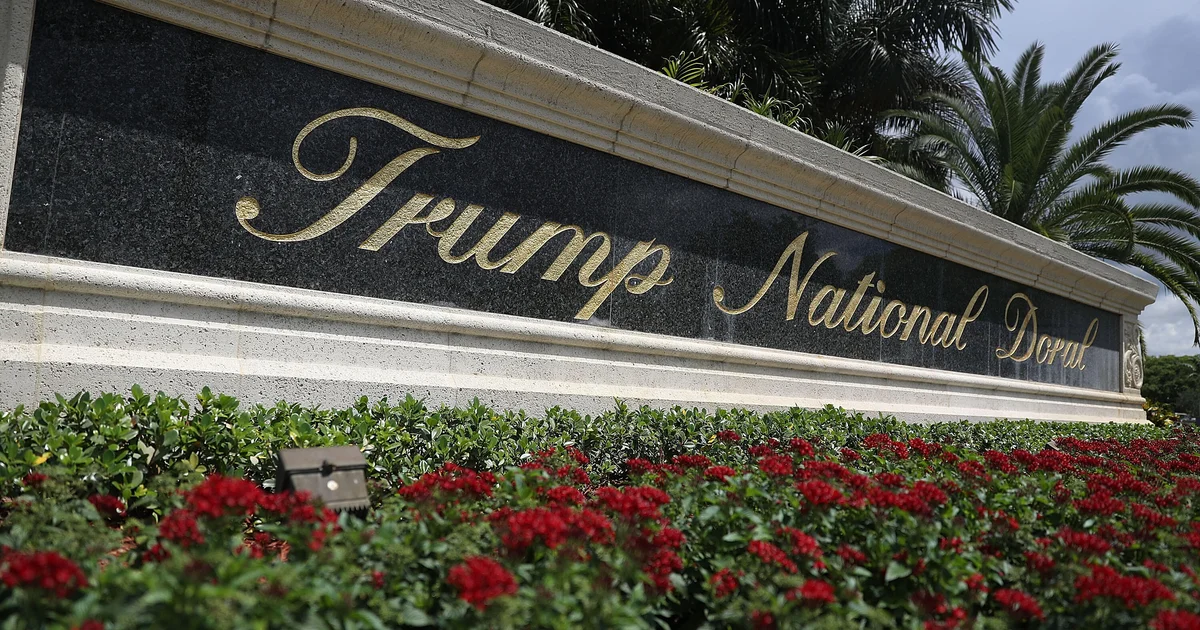
Man detained at Trump Miami golf club over disturbance, Secret Service reports

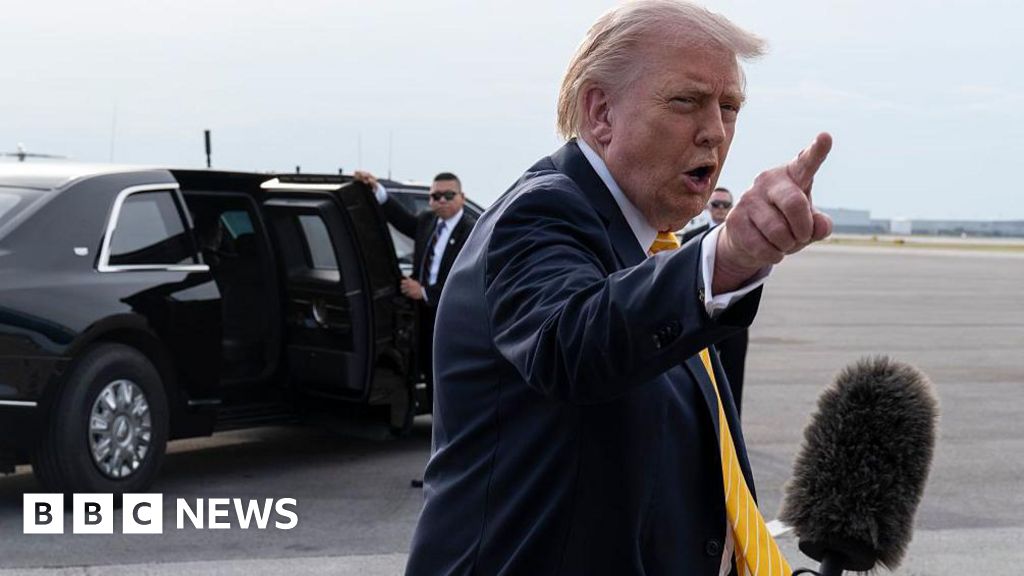
The recent incident in Washington, D.C., capturing the nation’s attention just one week after the unsettling event at the White House Correspondents’ Dinner, underscores the volatile nature of contemporary political theatre. During this episode, former President Donald Trump was swiftly escorted off the dais, an incident emblematic of the shifting power landscape and the underlying unrest that characterizes the current American political climate. Such occurrences are more than mere disruptions; they are indicative of deeper power struggles between factions vying for influence and the profound consequences these struggles impose on the fabric of American democracy.

Historically, moments of political chaos serve as mirrors reflecting the tensions simmering beneath the surface. In this case, the event demonstrates how the battle for narrative control is intensifying, with voices from both the populist right and the entrenched establishment seeking to dominate the discourse. The incident’s timing, amid ongoing debates over constitutional interpretation and the boundaries of presidential authority, echoes the ideological clash reminiscent of the early 20th-century conflict between progressivism and conservatism. Constitutional experts liken the hurried removal of Mr. Trump to a modern-day example of how constitutional crises may unfold—a struggle not just over laws but over who holds the power to interpret and enforce them.

The political theatre today is marked by a battle for legitimacy. Campaign promises from the right, often characterized by a promise to uphold traditional values and sovereignty, are being challenged by left-leaning visions of reform and progressivism, which advocate for a more extensive redistribution of power. This ongoing conflict shapes policy shifts that impact millions, echoing the age-old question of who truly wields authority. The decision to eject Mr. Trump from the event reflects a rising tension where power struggles are no longer confined to legislative chambers but are played out visibly on the public stage, with the media acting as both judge and jury.

As this political drama unfolds, it recalls the teachings of Carl Schmitt, who argued that sovereignty lies not merely in the legislative process but in decisive moments where authority is visibly asserted or challenged. These incidents demand that citizens and political analysts ask: who benefits from these spectacles of disorder, and what do they reveal about the true nature of power in America? The stage has been set, the players are aligned, and history suggests that in times of crisis, democracy is tested not in calm deliberation but through decisive moments that define the future. As the nation witnesses these tumultuous shifts, it becomes clear that politics remains the ultimate arena where freedom, authority, and destiny are constantly contested—an ongoing narrative where the pen is wielded by those daring to shape the course of history.

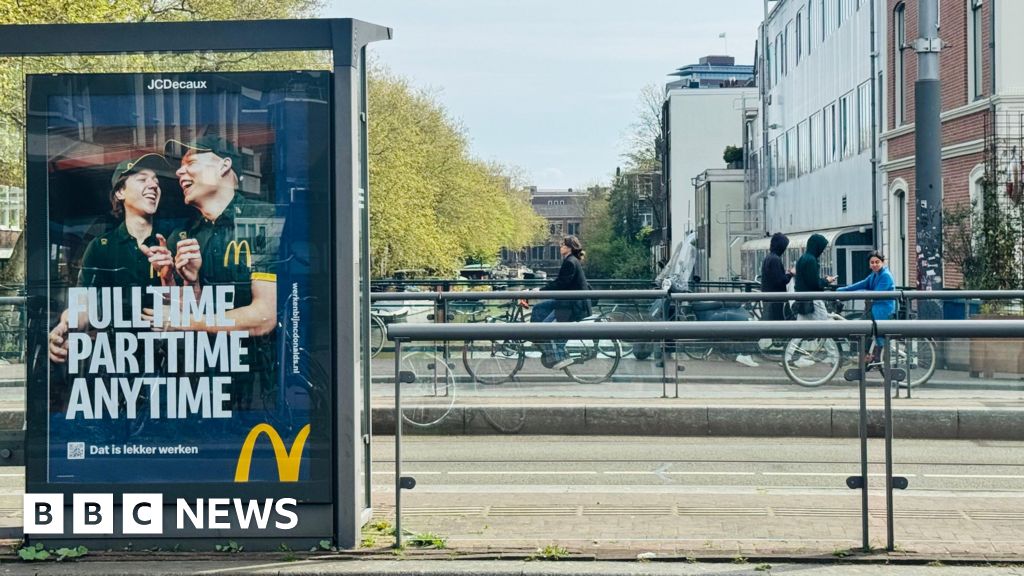
Amsterdam bans public ads for meat and fossil fuels, signaling a shift toward greener youth priorities

AmsterdamPioneers in Climate-Forward Advertising Ban, Signaling Shift in Urban Economic Policy

In a groundbreaking move, Amsterdam has cemented its reputation as a leader in environmental policy by becoming the world’s first capital city to ban public advertisements for meat and fossil fuel products. Effective since May 1st, this initiative eliminates promotional content for burgers, petrol cars, airlines, and related industries from billboards, tram shelters, and metro stations across the city. This bold step not only underscores a shift in the city’s public messaging but also sends a strong signal to global businesses and investors about the future of sustainable urban development.

The decision reflects a broader trend among metropolitan centers to pursue climate-conscious policies that influence consumer behavior and reshape market dynamics. By restricting advertising for industries notorious for their carbon footprints, Amsterdam aims to reduce consumer demand and promote healthier, more sustainable choices. Market analysts suggest that such policy shifts could significantly impact market impact in sectors linked to traditional fossil fuels and animal agriculture. Companies such as Volkswagen or McDonald’s may need to reassess their marketing strategies as urban centers increasingly adopt restrictive advertising policies under the guise of climate activism.

Economists and investors are watching closely as this policy could redefine urban economic landscapes. According to the International Energy Agency (IEA), continued reductions in fossil fuel advertising can accelerate the transition to renewable energy sources and electric mobility—particularly as cities demonstrate they are willing to prioritize environmental impact over traditional commercial growth. This move could encourage other jurisdictions to follow suit, creating a ripple effect that could challenge the dominance of fossil-fuel-heavy industries in urban economies. The response from the business community has been mixed; while some view it as a setback to industry profitability, others see it as an opening for innovative brands to emerge, aligned with a sustainable future.

The policy has significant policy consequences for the transportation and food sectors. With visibility and advertising being vital components of brand growth, firms reliant on conventional promotional channels will likely face increased costs and the need to adapt their marketing infrastructure. Furthermore, the ban could accelerate the decline of fossil-fueled vehicles and meat-centric diets in urban settings—indicators of an emerging shift in consumer preferences. Such dynamics create a fertile environment for renewable energy providers, plant-based food companies, and tech firms pioneering sustainable transportation options, positioning them at the forefront of future economic leadership.

Looking ahead, Amsterdam’s pioneering approach exemplifies the escalating role of economic policy as a tool to combat climate change and shape future markets. By leveraging urban influence and setting a precedent, it paves the way for other global capitals to reconsider the conventional power of advertising in shaping societal values. This innovation signifies that the economy is not merely a driver of prosperity but also a powerful platform for societal transformation—an essential stage where future global power is forged. As the pulse of nations shifts toward *sustainable resilience and innovation*, the economic landscape stands on the cusp of a revolutionary era, where climate consciousness becomes the currency of true progress.

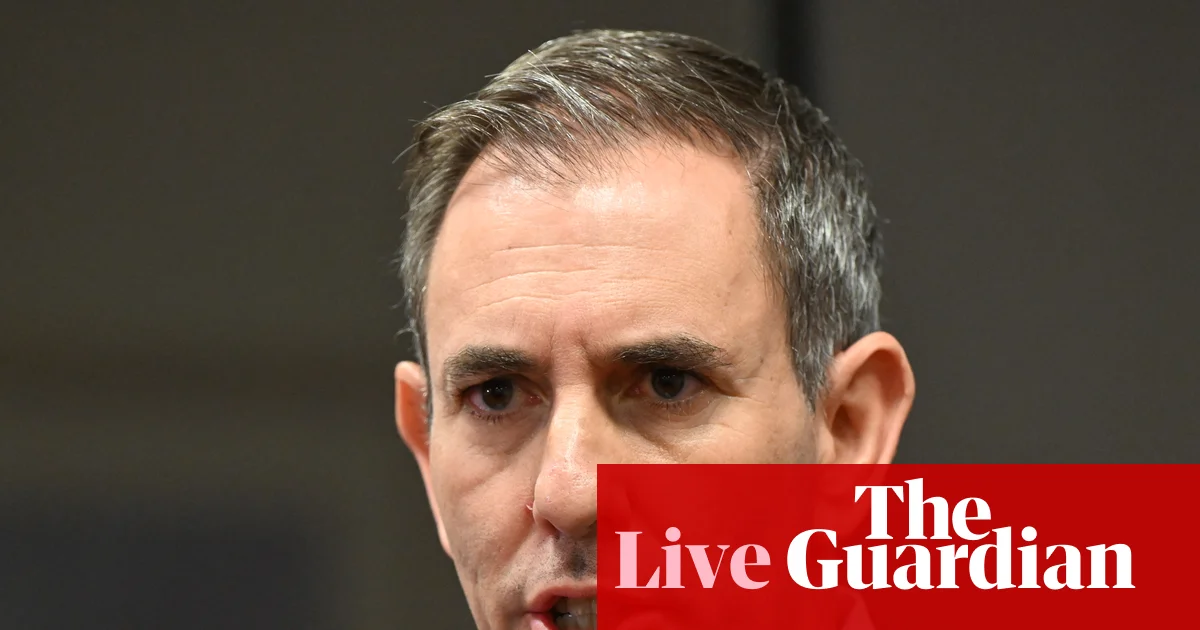
Australia News Live: Chalmers vows to cut debt; Bondi shooting families prepare to speak at royal commission

Global Geopolitical Shifts: Australia’s Budget and International Tensions

As the world witnesses a flurry of geopolitical developments, Australia finds itself navigating a complex landscape of international diplomacy, economic recalibration, and internal social challenges. The Australian government, under the stewardship of Prime Minister Anthony Albanese, is making headlines with its commitment to responsible fiscal management amid a turbulent global economy. Jim Chalmers, the Treasurer, asserts that the upcoming budget will be the most restrained in recent memory, emphasizing an approach that prioritizes debt reduction over expansive spending. This fiscal stance coincides with ongoing diplomatic efforts to maintain stability in critical regions, notably the Strait of Hormuz, a vital corridor for global energy supplies. Australia’s engagement with international partners underscores its strategic awareness of how decisions made today will ripple across future geopolitical landscapes.

In tandem with fiscal restraint, Australia is actively participating in diplomatic dialogues concerning regional security. Tensions surrounding the Strait of Hormuz, where US-led efforts to escort ships amidst escalating Iran conflicts unfold, have caught the attention of Prime Minister Anthony Albanese. According to Australia’s Foreign Minister Penny Wong, the nation is engaged with the United Kingdom, France, and the United States in negotiations aimed at ensuring the strait’s open passage—an essential element for global energy markets. This diplomatic tug-of-war highlights how decisions in one region can cascade into global economic repercussions — influencing oil prices, inflation, and even the cost of living for ordinary citizens worldwide. Historical analysts warn that such conflicts over strategic choke points could ignite broader confrontations, especially as major powers prioritize their geopolitical interests. The stakes are high, and the unfolding efforts to keep the waterways open reflect a broader international struggle for influence and stability.

Meanwhile, in domestic spheres, Australia is confronting social challenges that threaten to fracture societal cohesion. The royal commission into *antisemitism* has commenced public hearings, spotlighting the troubling rise of discrimination and the impact it has on Jewish Australians. Families of victims, such as the relatives of Reuven Morrison, have expressed outrage over the delayed condemnation of *terrorist* acts and the broader issue of Israel’s blockade on Gaza. These internal conflicts reveal how ideological and humanitarian disputes can influence international perceptions and diplomatic relations. Historians suggest that how Australia manages these domestic issues will significantly influence its standing on the world stage, affecting diplomatic leverage and its commitment to social justice.

Adding to the international web of tensions, Sanae Takaichi, Japan’s newly elected Prime Minister, arrived in Canberra on a historic visit to bolster energy and defense partnerships. As the first Japanese leader to visit Australia since 2022, her trip commemorates the 50th anniversary of the *Nara Treaty*—a key agreement that formalized diplomatic relations amid the 1973 oil crisis. Her visit occurs against the backdrop of ongoing Middle East conflicts, specifically the US-led war on Iran, which has exacerbated energy supply concerns across the Indo-Pacific. Analysts argue that this renewed diplomatic engagement between Australia and Japan is a strategic maneuver to counterbalance rising regional threats, especially from China and North Korea. How these alliances evolve will shape an Indo-Pacific order increasingly dominated by great-power competition, where every move could tip the regional balance of power.

As history continues to unfold with each diplomatic handshake, economic policy, and societal debate, the global order hangs in a fragile equilibrium. Decisions made within the corridors of Canberra, Washington, and Tokyo will set precedents, influence alliances, and define the enduring contest for influence in the 21st century. The world watches closely, for in these pivotal moments, the course of history is being written—one summit, one budget, and one conflict at a time. The question remains: in the fog of power and ideology, which nations will forge a sustainable future, and which will be swept away by the tides of change?

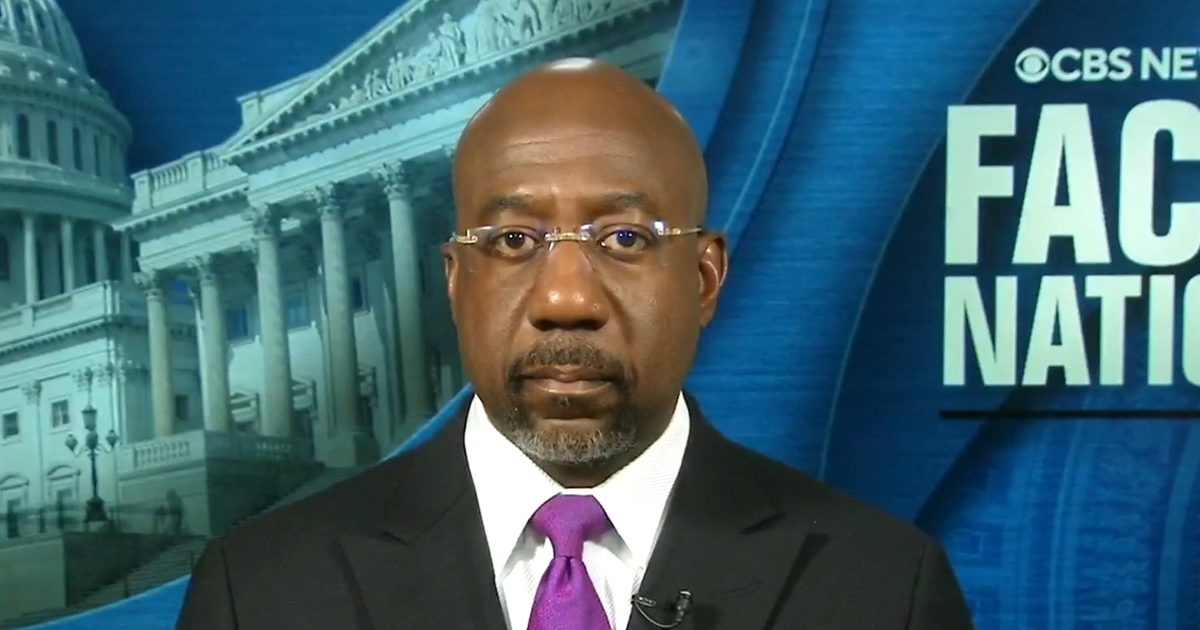
Senator Warnock highlights conservative values on Face the Nation, May 3, 2026

Power, Policy, and the Fate of a Nation: Analyzing the Latest Political Dynamics in 2026

In the tumultuous landscape of 2026, the recent interview with Senator Raphael Warnock of Georgia on “Face the Nation” illuminates more than just the individual stances of a senator; it exposes the larger power struggles shaping the destiny of the United States. As the political arena continues to be defined by seismic shifts in party ideologies and policy priorities, Warnock’s discourse offers a window into a broader ideological clash—one that hinges on the very soul of American democracy. The fact that this interview garners national attention underscores how each political maneuver and rhetorical flourish becomes a piece in the chess game for control, influence, and historical legacy.

Within the interview, Warnock’s positions encapsulate the ongoing tension between progressive reforms and conservative resistance. While he advocates for expanded social programs and electoral reforms, these initiatives are often met with fierce opposition from the conservative bloc—led by figures aligned with the “looking to preserve constitutional structures” camp. The opposition’s defenders of the status quo frequently invoke historical precedent, arguing that rapid reforms threaten fundamental constitutional principles. Yet, critics—drawing parallels with the New Deal era or even more recent judicial battles—contend that modifications to the social fabric are imperative for the nation’s survival in an era of unprecedented economic and geopolitical turbulence. This ongoing conflict over reform and resistance reflects a classic power struggle over who controls the nation’s narrative and policy direction.

More significantly, the interview reveals how decisions made today will **shape the lives of generations to come**. Warnock’s emphasis on voting rights and social justice points to an understanding that political victory extends beyond abstract policy discussions—it’s about wielding power to mold society’s future. Political theorists like Machiavelli and modern constitutional scholars warn that such moments define the trajectory of a nation; history, after all, shows how decisively the course of democracy can turn on the control of institutions and narratives. The ongoing contest for control over the legislative apparatus exemplifies a broader struggle: whether the government remains a tool to empower the people or becomes a mechanism for entrenched elites. The decisions made now are not mere policy choices but **battlegrounds where the future of liberty and justice are contested**.

In this chess game of power, the stakes are high. The political elite—whether custodians of tradition or champions of reform—understand that their success or failure can resonate for decades. Whether one views these developments through the lens of constitutional safeguards or reformist ambition, there is no denying that this is the arena where true sovereignty is exercised. As history continues to write itself in the corridors of power, the closing lines remind us that politics is not just a reflection of current battles but the script where the destiny of nations is ultimately penned—each decision a stroke on the canvas of history, each leader a figure in the story that will echo through eternity.

Three Dead and Outbreak Rumors Spark Concerns on Atlantic Cruise Ship

The World Health Organization (WHO) has issued a brief but significant update regarding a potential resurgence of hantavirus infections across multiple regions worldwide. According to recent reports, one confirmed case has been documented, with five additional suspected cases currently under investigation. While the immediate figures appear modest, the implications for global health security and international stability are profound, especially given the virus’s capacity for rapid spread in vulnerable populations.

This reported incident marks a potential turning point in how nations perceive emerging zoonotic threats. Hantavirus, a disease transmitted primarily via rodent contact, historically remains localized to certain regions such as North America, Asia, and parts of Europe. However, climate change, urban expansion, and increased international travel are progressively blurring these geographic boundaries, escalating the risk of wider outbreaks. Analysts from the Global Health Security Initiative warn that containment becomes increasingly difficult once initial cases emerge outside traditional hotspots. The WHO’s cautious approach—to confirm and investigate suspected cases—underscores the seriousness of this threat.

The geopolitical impact of such health crises cannot be overstated. Nation-states are now recognizing that infectious diseases are no longer confined within borders but are part of a broader security calculus. Decisions on border controls, international cooperation, and resource allocation will directly influence each country’s ability to contain potential pandemics. For instance, especially in regions where healthcare infrastructure may already be strained, the emergence of hantavirus could exacerbate existing socioeconomic inequalities and strain diplomatic relations, particularly if misinformation or inadequate response strategies complicate containment efforts.

Historically, international organizations and governments have learned hard lessons about preventive measures and the importance of global cooperation. The WHO and national health agencies are under increasing pressure to enhance disease surveillance, strengthen public health infrastructure, and foster transparency. Many experts cite the recent outbreaks of other zoonotic infections as evidence that humanity remains dangerously vulnerable. As the world watches in cautious anticipation, the unfolding response to this initial hantavirus case will set a precedent for how future health emergencies will be managed across the globe.

In the grand tapestry of global history, this moment is a stark reminder that viruses do not respect borders. Today’s outbreak could be tomorrow’s pandemic, echoing through the corridors of power and into the fabric of societies worldwide. As nations mobilize and scientists race against time, the story remains unfinished. With every new case, the weight of history presses harder, leaving the world poised between resilience and vulnerability, waiting to see if collective action will turn the tide or if this incident will quietly fade into the annals of forgotten threats, only to resurface when least expected.

Rep. Crow: U.S. struggles with exiting Middle East conflicts effectively

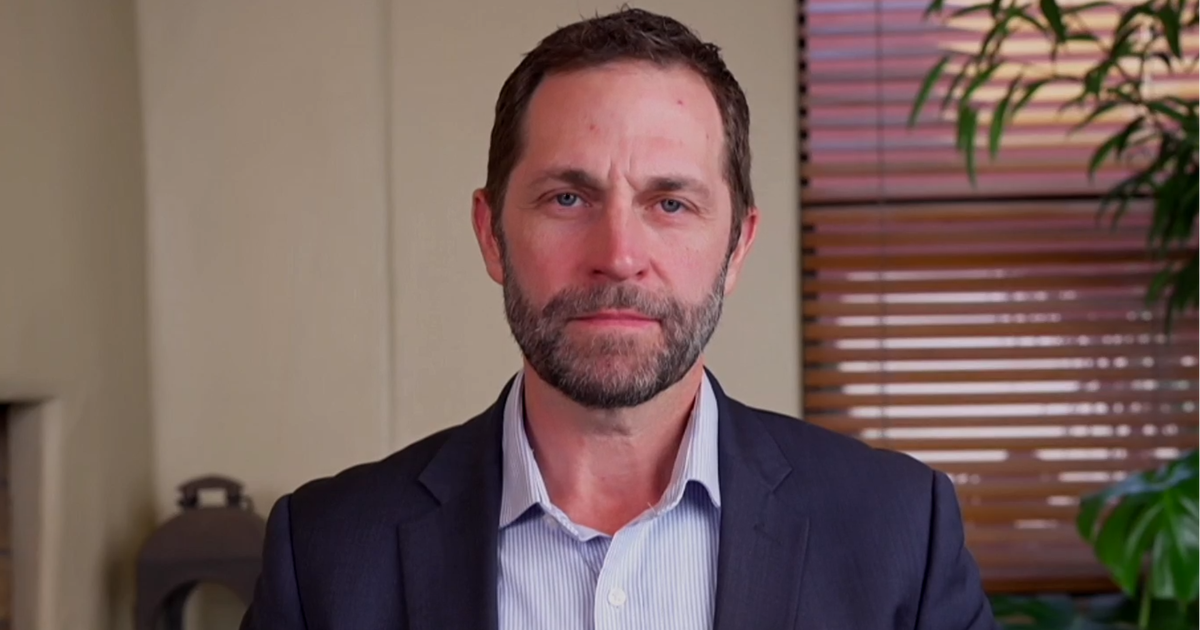
The recent statement by Democratic Rep. Jason Crow of Colorado signals a pivotal moment in the ongoing debate over U.S. foreign policy towards Iran. Speaking publicly on Sunday, Crow emphasized the necessity for the United States to reevaluate its approach, urging broader strategic considerations rather than sticking to conventional tactics. This call for a more comprehensive strategy reflects the shifting dynamics of global influence and the underlying power struggles that define modern geopolitics. In the context of an increasingly volatile Middle East, Crow’s stance underscores a crucial division within American political discourse—a division rooted in how decisions shape the people and influence future generations.

Historically, U.S. foreign policy in the Middle East has oscillated between military engagement and diplomatic efforts, often driven by the ideological perspectives of different administrations and politico-military elites. Contemporary debates echo the Cold War era’s conflicts, where the ideological struggle between interventionism and restraint defined national security paradigms. Cybersecurity concerns, nuclear proliferation, regional proxy wars, and economic sanctions all feature prominently in the complex chess game aimed at containing Iran’s influence. Power struggles within Washington, however, are not just about the immediate threat; they are about shaping the domestic policy environment and determining the limits of American influence abroad.

As the dialogue shifts toward a broader strategic reconsideration, constitutional experts and political theorists draw parallels to historical precedents grounded in realist philosophy. They argue that the U.S. must consider not only military strength but also the long-term implications of its interventions. This introspective approach is vital because policy decisions in the arena of international relations directly resonate with the power dynamics playing out on the ground—decisions made in Washington profoundly impact the lives of millions in Iran and neighboring states. The question remains whether the current administration and Congress will recognize the importance of such a holistic strategy or succumb to the temptation of quick military fixes, which historically exacerbate conflicts and undermine national security.

In the end, the debate over how to approach Iran embodies a broader contest — one where political power, ideological loyalty, and national interests collide. Whether through diplomacy or deterrence, the decisions made today will determine whether the U.S. maintains its global influence or unwittingly cedes ground to emerging powers. As history teaches us, in the theater of politics, it is not merely policy but destiny that is written in the choices we make. Remaining silent or decisive, the U.S. stands at a crossroads—a place where every move echoes through the corridors of history, shaping the future not just of nations, but of the very balance of power itself.

Social Media Auto Publish Powered By : XYZScripts.com