Matox News

Truth Over Trends, always!

Harvard Study: AI Outperforms Docs in ER Diagnostics—A Game Changer for Healthcare

Harvard-led Research Unveils AI’s Surprising Accuracy in Emergency Diagnostics

The rapidly evolving landscape of artificial intelligence continues to challenge traditional paradigms within the healthcare sector. New research published in Science by a collaboration between Harvard Medical School and Beth Israel Deaconess Medical Center has demonstrated how large language models (LLMs) are making significant headway in medical diagnostics, even surpassing human doctors in certain emergency scenarios. The findings mark a pivotal breakthrough in AI innovation, with profound business implications that threaten to disrupt both healthcare and tech industries alike. As industry giants and fierce startups race to harness AI’s disruptive potential, this study underscores the urgent need to redefine standards of accountability, efficacy, and ethical deployment in AI-driven medicine.

Designed as a rigorous comparative analysis, the study tested OpenAI’s GPT-4 and GPT-1 models against seasoned physicians at a high-stakes emergency room in Boston. Within the scope of 76 patient cases, AI models demonstrated diagnostic performance that either matched or surpassed that of internal medicine physicians—particularly at crucial triage points: a stage where rapid, accurate decision-making can be life-saving. In initial ER triage, the AI’s accuracy in providing ‘exact or very close’ diagnoses reached an impressive 67%, outpacing physicians who recorded 55% and 50% respectively. Such landmark results highlight the disruptive edge AI can bring in crisis response, potentially transforming how healthcare providers address urgent patient needs.

The key to these breakthroughs lies in the disruption of conventional diagnostic frameworks. According to Harvard’s researchers, the models relied solely on unprocessed electronic health record data, emphasizing AI’s ability to extract actionable insights from raw inputs without extensive pre-filtering.

  • AI’s rapid processing capabilities
  • Potential to reduce diagnostic delays
  • Enhanced triage efficiency under pressure

These technical advancements could enable hospitals to better allocate resources, prioritize treatments, and possibly reduce human error—an urgent necessity as healthcare systems worldwide grapple with burnout, resource shortages, and rising demand.

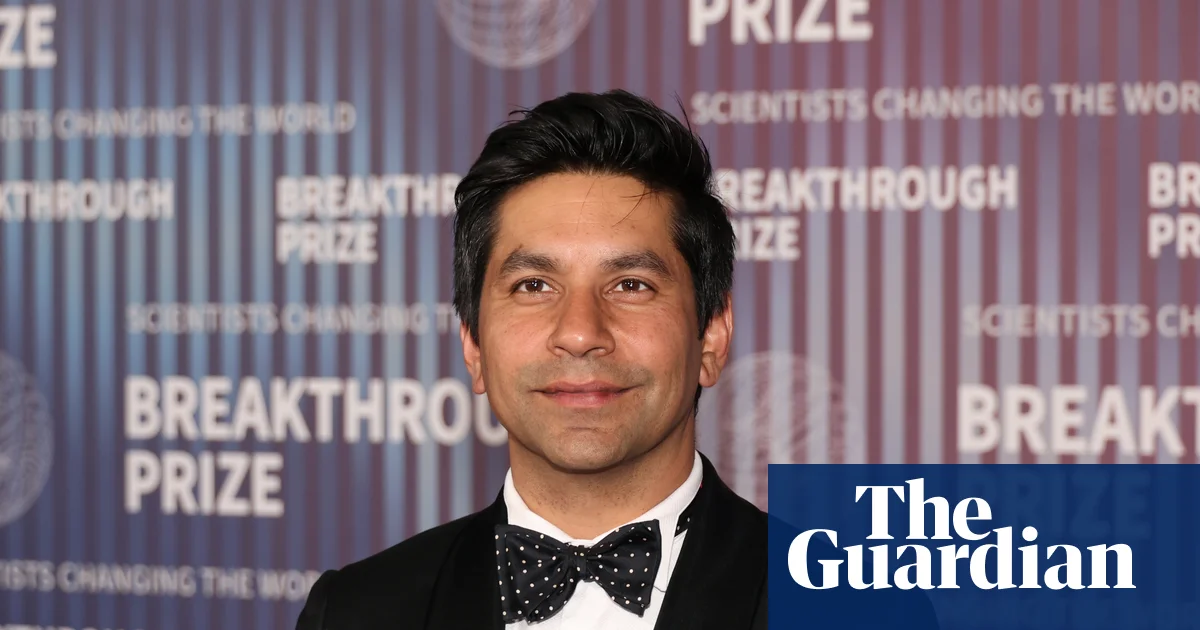
However, the study explicitly recognizes that AI is not yet ready to assume full responsibility in high-stakes environments. Lead author Arjun Manrai stressed that prospective trials are essential before AI can be integrated into real-world patient care. Meanwhile, industry experts like Peter Thiel and Elon Musk have warned about overhyping AI without addressing regulatory and ethical challenges. Notably, the lack of accountability frameworks remains a critical oversight, with safety concerns lingering over AI’s deployment in life-or-death scenarios. Adam Rodman, a Beth Israel physician involved in the study, cautioned that patients still demand human guidance in critical decisions, emphasizing the need for careful, controlled innovation.

Nevertheless, the transformative potential of AI in medicine is unmistakable. As Gartner and MIT researchers point out, these advances lead to a new era of healthcare where disruption and innovation can radically reshape the business landscape. The integration of powerful LLMs promises to slash costs, improve diagnostic accuracy, and even open new markets for AI-enabled health data analytics. In this fiercely competitive environment, firms that harness this technology swiftly could dominate healthcare’s future, capitalizing on the global shift toward digital, AI-driven solutions to meet mounting demand.

Looking ahead, the technical and regulatory challenges notwithstanding, the trajectory is clear: AI is poised to fundamentally alter medical diagnostics, emergency response, and healthcare delivery. Industry stakeholders, policymakers, and technologists must act with urgency, establishing robust frameworks that ensure safety without stifling innovation. With AI models demonstrating the potential to outperform human judgment in critical domains, the window to lead in this new frontier is closing fast. The next decade promises unprecedented levels of disruption and opportunity; those who adapt swiftly will shape the future of healthcare—and by extension, global technological dominance.

Green candidate hits London streets after arrest over alleged anti-Semitism allegations

The Green Party Scandal Sparks Political Turmoil Amid Global Shifts

In recent weeks, a controversy involving Green Party candidates in London has escalated into a reflection of larger international concerns about political integrity and extremism. The arrest of Sabine Mairey and Saiqa Ali on charges related to alleged antisemitic social media posts underscores a troubling phenomenon that transcends local politics and raises questions about the effectiveness of political parties international. As Britain grapples with internal divisions, analysts fear that such incidents may amplify existing geopolitical tensions, particularly in a world increasingly fractured by ideological conflicts.

  • Following their arrests, the Green Party faced severe criticism from political opponents, with Labour accusing the party’s leadership of lax oversight and tolerance for extremism.
  • A significant point of concern was the apparent contradiction between the party’s internal rules—whose provisions explicitly prohibit candidates under investigation from campaigning—and Mairey’s visible participation in local events after her arrest.
  • International organizations, such as the United Nations and European Union, have expressed ongoing worries about rising extremism and anti-Semitism within democratic institutions, warnings that such incidents threaten to undermine already fragile alliances.

The Geopolitical Impact of Internal Political Crises

For Britain and its alliances, the scandal feeds into a broader narrative of moral decline and political instability, which global leaders observe with concern. European analysts, including historians like David Runciman, argue that internal conflicts within parties serve as a barometer for wider societal health, hinting at vulnerabilities ripe for exploitation by hostile foreign powers. This is especially pertinent as Russia and China continue to exploit social fissures to weaken Western democracies, casting doubt on Britain’s ability to maintain a unified front in international diplomacy.

The incident also intensifies debates about freedom of speech and political accountability. Critics point out that the backlash against the Green Party exemplifies how identity politics can become a double-edged sword, fueling division rather than promoting unity. Meanwhile, international institutions warn that the erosion of social cohesion in countries like Britain creates a fertile ground for extremist movements to flourish, jeopardizing the stability of the transatlantic alliance.

How Decisions in London Shape Global Dynamics

Although the incident involves local governance, its repercussions reach far beyond London. The decision by the Labour Party and Green Party to confront or tolerate such behavior could influence neighboring European nations and allies across the Atlantic. The case serves as a reminder of the ongoing struggle for values-based governance in an era where identity-based conflicts threaten to undermine centuries-old alliances. As politicians and analysts debate the appropriate response, the shadows of history’s darkest chapters—including intolerance and extremism—loom large over the current political landscape.

In the closing moments of this unfolding drama, the question remains: will the nations of the West recognize the critical importance of defending their core values—freedom, tolerance, and integrity—or will internal divisions deepen, paving the way for a new era of discord and chaos? As history continues to pen its next chapter, the weight of these decisions will resonate through generations, shaping the future of liberal democracies amid an increasingly volatile international arena.

Sadiq Khan vows safety measures for Jewish Londoners’ peace of mind

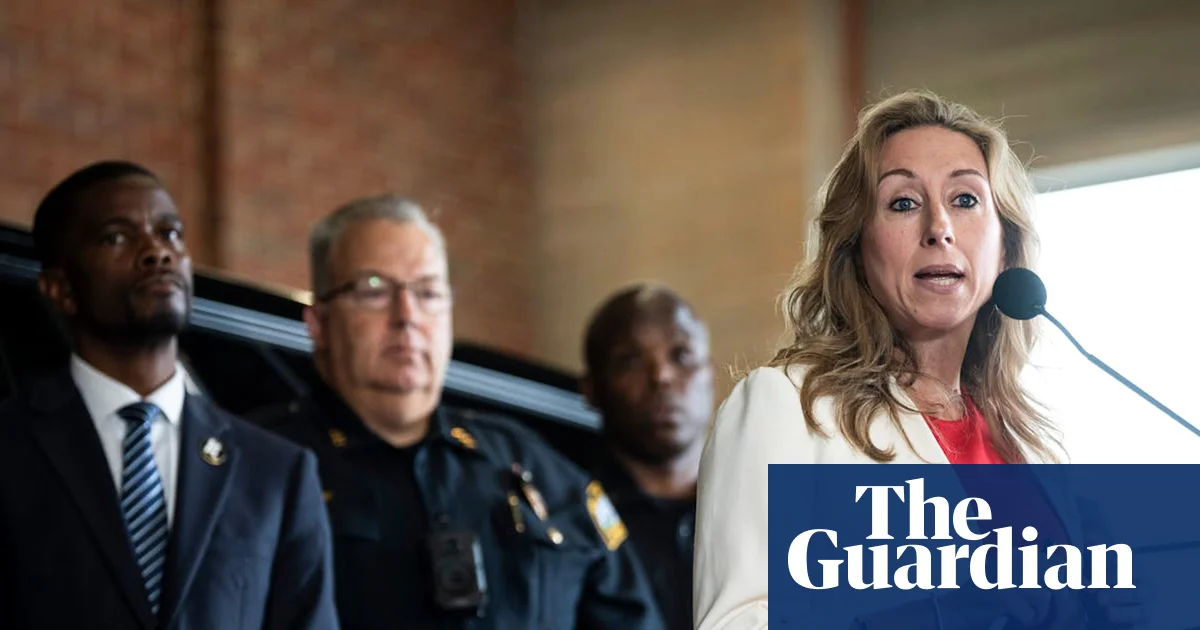
In recent weeks, London has once again become a stage for the raw power struggles that underpin modern politics. At the heart of this clash lies the troubling rise of anti-Semitic sentiment, which has placed the Jewish community under an intolerable shadow. While Mayor Sadiq Khan publicly emphasizes solidarity and calls for unity, the palpable fear among Jewish residents reveals a stark disconnect between rhetoric and reality. Decisions made—or left unmade—regarding security, integration, and social cohesion directly shape not only the safety of these citizens but also the broader narrative of London’s political stability.

  • Sadiq Khan has inherited a city with deep historical scars and an ongoing struggle to balance cultural diversity with social order.
  • The rising anti-Semitic incidents highlight a failure of leadership to enforce and expand policies that protect minority communities.
  • Public sentiment suggests a growing frustration that official efforts are inadequate against the tide of hate—prompting questions about the effectiveness of current grievance mitigation measures.

The political atmosphere in London echoes historical parallels to times when leadership was called to confront the “dark times”—moments when communities were tested to see whether they would capitulate to division or forge a path rooted in resilience. Influential thinkers like Carl Schmitt and Leo Strauss argued that the political arena often reveals the true character of a society through how it manages crises. Today’s crisis—the resurgence of anti-Semitism—demands decisive action, yet the decisions made by policymakers seem to oscillate rather than lead, fueling an undercurrent of societal uncertainty. How political leaders respond to such tensions — whether they unify or fracture» — determines the future fabric of London’s multicultural identity.

The ongoing debate underscores the importance of robust policies — from increased community engagement to stronger anti-hate legislation. Critics argue that some leaders, including Mayor Khan, risk being perceived as insufficiently committed, especially if their policies appear reactionary rather than proactive. Meanwhile, constitutional experts warn that such social fissures threaten the very foundations of liberal democracy, recalling instances like the Weimar Republic where political failures led to catastrophe. The question remains: Will London’s political leaders write a chapter of unity or one of further division? The answer lies in the choices that are yet to be made, for in the theater of politics, destiny is often dictated by those bold enough to grasp the pen in tumultuous times.

As history reminds us, politics is not merely a reflection of popular will but a battlefield where the struggle over future generations is fought in the shadows of policy and power. The coming days will test whether London’s leadership recognizes that the true measure of their legacy is not just in policies enacted but in the confidence they inspire in the citizens—confidence that, even in darkness, the path to renewal can be found. Because ultimately, it is on the stage of politics that the stories of nations are written, and the fate of their people is sealed — for good or ill.

South African police officer risks it all to recover remains from dangerous crocodile-infested river

Floodwaters Claim Lives and Reshape Regional Dynamics in Southern Africa

The recent catastrophic flooding in Mpumalanga, South Africa, has underscored the escalating climate challenges faced by nations in southern Africa. Last week, a tragic incident unfolded when a civilian’s vehicle became stranded while attempting to cross a low bridge over a rising river. According to Mpumalanga provincial police spokesperson Colonel Mavela Masondo, authorities arrived to find the vehicle abandoned and suspected that the driver had been swept away by the deluge. Such events, while devastating on an individual level, also highlight the broader geopolitical consequences of climate change, which continue to threaten regional stability and economic development.

Analysis from international climate experts emphasizes that incidents like this underscore a pressing need for regional cooperation and infrastructure resilience. The flooding has disrupted transport routes, endangered communities, and strained emergency services, exposing vulnerabilities in water management systems. Some analysts warn that without significant investment in climate adaptation strategies, similar tragedies will become more frequent and devastating, impacting not only public safety but also economic stability and regional geopolitics. The current crisis is a stark reminder that climate-related disasters are no longer isolated incidents—they are shaping international relations, compelling nations to reconsider transboundary cooperation and resource sharing.

The geopolitical impact extends beyond climate concerns. South Africa’s internal instability is compounded by the fallout from natural disasters, which strain government resources and test the capacity of local authorities. Meanwhile, neighboring countries and global institutions such as the United Nations are closely monitoring the situation, considering aid and strategic support to bolster resilience. Regional powerhouses like Nigeria and Kenya have called for a coordinated response, recognizing that climate-induced crises threaten the fragile fabric of regional peace and economic cooperation.

Historically, experts note, climate and natural disasters have often been catalysts for geopolitical shifts. These events reveal not only infrastructural weaknesses but also expose the need for comprehensive international frameworks that can address climate resilience equitably. As nations grapple with the consequences, some analysts warn of a future where resource conflicts, migration, and economic instability could intensify if effective measures aren’t adopted swiftly. The unfolding situation in Mpumalanga is a microcosm of a larger global conflict—one fought not with armies but with climate policies, resource management, and international diplomacy. The question remains: how will this chapter in our shared history be written? Will nations unite to confront an increasingly unpredictable environment, or will chaos deepen, rewriting the map of global power?”

Watchdog Finds No Proof of Major Fuel Price-Gouging

The latest data from the UK’s Competition and Markets Authority (CMA) indicates that profit margins across key sectors remained “broadly unchanged” between February and March. This stability, despite ongoing economic uncertainties, highlights a complex interplay within the nation’s economic framework—where persistent challenges are met with resilience and adaptation. The steadfast profit margins are noteworthy in a period marked by inflationary pressures, geopolitical tensions, and evolving consumer behaviors, emphasizing how businesses are navigating a landscape of economic shifts and policy adjustments.

Economists and market analysts interpret this plateau as both a reflection of current market resilience and a potential sign of underlying pressures mounting beneath the surface. The Office for Budget Responsibility (OBR) has warned of continued inflation risks and contractionary fiscal policies that could clamp down on future profit growth. Yet, amid these challenges, large corporations are employing strategies such as cost-cutting, supply chain optimization, and pricing power to maintain margins. For investors, this stability translates into a cautious optimism—pointing to a scenario where the UK’s economic machinery maintains momentum despite external headwinds.

From a policy perspective, the CMA’s findings raise critical questions about market competitiveness and the effectiveness of recent government interventions. The UK government, concerned with market dominance and potential anti-competition practices, faces pressure to implement reforms that foster innovation and support medium-sized enterprises. Key policymakers are weighing the implications of uniform profit margins on market dynamism and investment incentives. Such decisions will inevitably impact the future trajectory of the UK economy, especially as it aims to balance regulatory oversight with free-market growth.

Looking ahead, economic thinkers like the Institute of Economic Affairs suggest that this moment serves as a pivotal juncture for the UK to harness its entrepreneurial spirit. As the world’s economic stage evolves, the resilience shown in profit margins could serve as a foundation for future technological innovation, trade expansion, and productivity gains. Yet, the risks of stagnation or policy overreach remain palpable, especially if inflationary trends persist or external shocks intensify. For now, the UK economy stands at the core of a dynamic global puzzle, where the pulse of markets signifies not just survival, but the potential for a renewed ascendancy in the shifting power corridors of future geopolitics and commerce.

Trump’s Surgeon General pick: praised and criticized by his own team

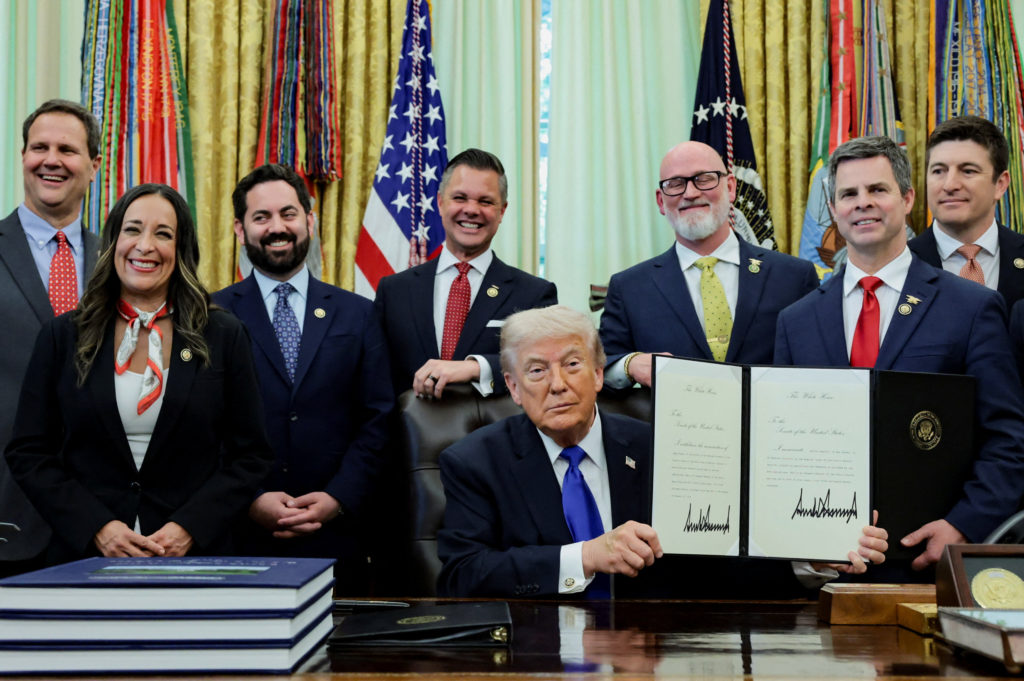
The recent nomination of Dr. Nicole Saphier as the new U.S. surgeon general signals a significant shift in the ongoing power struggle shaping America’s health policy landscape. This move by President Donald Trump effectively concludes the tumultuous campaign of Dr. Casey Means, whose efforts to capture the influential role have been met with fierce resistance from competing political and ideological factions. Such decisions extend beyond individual appointments; they reflect the broader contest of visions for the nation’s health sovereignty and the role of government in dictating individual well-being.

In selecting Dr. Saphier, known for her conservative media presence and unwavering stance on bioethics aligned with America’s constitutional principles, Trump enforces a clear ideological message: she embodies a counterweight to what critics deride as overreach by bureaucrats and health authorities. The appointment underscores a renewed emphasis on individual responsibility, limited government intervention, and free-market solutions, which remain core tenets of the conservative political philosophy. Historically, this mirrors past-era conflicts where appointed figures serve not only as policy implementers but as symbolically charged stakeholders in a battle for narrative control over public health policy—a struggle that echoes the classical debates between individual liberty and state authority.

Moreover, this shift in leadership has immediate implications for policy directions, notably in light of ongoing debates surrounding public health mandates and vaccine directives. Experts and constitutional theorists often cite the writings of Thomas Jefferson and other Founders, who emphasized the importance of sovereignty at the community and individual levels. Such perspectives are increasingly at odds with expansive public health mandates that originated during crises but are now under scrutiny. This is where the power struggle manifests: decisions made in the corridors of Washington have tangible repercussions on how American citizens exercise their freedoms, make health choices, and interpret the limits of government authority.

As the nation stands at this crossroads, the appointment of Dr. Saphier is more than a personnel change; it is a declaration of ideological resolve. It exemplifies what political theorists describe as the “battle for the soul of public policy,” where each decision reconfigures the social contract and influences the course of history. In the theater of politics, where power is born from conflict and maintained through strategic choice, it becomes evident that the destiny of health policy is being scripted by those who hold the pen. Ultimately, politics remains the stage where ideologies clash, shaping the fabric of a nation that continuously rewrites its future amid the relentless pursuit of power.”

Minnesota Flight Attendant Vows to Fight for Us — Runs for Congress

Labor, Immigration, and Geopolitical Fights: The Emerging Power Dynamics in USA Politics

In a striking display of grassroots resilience and political activism, Kaela Berg, a Minnesota state legislator and seasoned flight attendant, exemplifies a new wave of leaders poised to reshape American politics in the coming midterms. Her dual career reflects a broader trend where working-class Americans, historically sidelined, are stepping into the political arena to advocate for their interests. Berg’s involvement in labor unions, particularly her role as vice-president of the Endeavor Association of Flight Attendants, underscores a vital shift. Her background as a union leader fighting against corporate overreach resonates with millions who feel disillusioned by the increasing disconnect between policymakers and the workforce.

This emerging political landscape is driven by the Democrats’ strategic focus on rallying blue-collar voters heading into the 2026 midterms, amid waning approval ratings for President Donald Trump—whose popularity hovers around anemic levels, according to recent polls. The coalition of labor candidates, including union veterans like Sam Forstag, Brian Poindexter, Clair Valdez, and Bob Brooks, is designed to recapture working-class support lost to populist and nationalist narratives. This constellation of candidates, rooted in grassroots activism, aims to sway key districts that are pivotal for control of Congress—particularly the Minnesota district Berg is contesting, where she vows to oppose federal overreach and champion American workers.

At the heart of her campaign lies a critique of current US policies—most notably, the federal immigration clampdowns on Minnesota that culminated in violence and protests in January. The deadly incident involving unarmed civilians and the aggressive immigration enforcement campaign underscore a broader pattern of federal overreach, a development viewed with alarm by analysts and international observers alike. Critics argue that such policies reflect a systematic attempt to demonize immigrants and undermine community stability, thereby fueling social tensions. As Berg articulates, the enduring presence of federal law enforcement under the Trump administration’s directives underscores a dangerous trend that could destabilize local societies and inflame divisions, posing a profound geopolitical challenge to social cohesion.

Furthermore, the international implications of US immigration law enforcement practices extend beyond borders, shaping perceptions globally and influencing migration policies worldwide. While critics condemn federal heavy-handedness, others warn that ambiguous or coercive immigration tactics risk alienating immigrant communities and destabilizing sensitive regional relationships. Historians, including scholars like Dr. Daniel Rodgers, caution that such internal conflicts could weaken America’s moral authority on the global stage, amid rising geopolitical tensions with China and Russia. International organizations and think tanks are watching these domestic shifts—they recognize that decisions made in Minnesota or Washington have ripple effects in global diplomacy, especially as the US seeks to maintain its influence amid a multipolar world.

The evolving geopolitical landscape underscores the importance of rising voices like Berg’s—a voice that refuses to accept the sacrifices of the working class or the erosion of national sovereignty. Her advocacy against federal overreach and her focus on labor rights highlight how domestic policies are intertwined with larger world threats. As she and her allies rally support based on shared economic and social values, the stakes extend beyond the US borders: they signal a broader contest for control over national identity and global influence. With each political maneuver, history’s shifting currents remind us that the battle for power is not fleeting; it is an ongoing saga that will determine the future shape of nations and societies worldwide.

In an era where geopolitics involves not only statecraft but also social resilience, the battle lines are no longer drawn solely on the battlefield but also in the streets, in Congress, and within minds of a generation eager to redefine their nation’s destiny. For now, the story remains unwritten, yet its climax is imminent—and the weight of history will judge whether today’s sacrifices forge a new path or condemn future generations to repeat past conflicts.

Starmer adviser met secretly with US tech giants 16 times, report reveals

Unveiling the Hidden Hand: Lobbying, Power, and the Shape of Democratic Destiny

The recent revelations surrounding Varun Chandra, an influential government adviser aligned with Keir Starmer and Rachel Reeves, have reignited debates over the transparency of political influence. With 16 undisclosed meetings with leading US tech giants—Google, Meta, Apple and others—Chandra’s clandestine engagements underscore the increasingly opaque nature of lobbying behind closed doors. These discussions, spanning over a year, centered on pivotal issues such as regulatory reforms, artificial intelligence, and foreign influences on domestic policy, illustrating a power struggle where tech giants seek sway over the corridors of government.

The Significance of Unseen Ties in Shaping Policy

The importance of these undisclosed meetings extends beyond mere diplomatic courtesy. They reveal how powerful corporate interests attempt to influence or even shift policy trajectories to suit their agendas. According to constitutional experts, such close ties raise fundamental questions about the democratic process itself. If policymakers engage in secret negotiations with vested interests, the question of who truly governs becomes more pressing. The actions of Chandra—who purportedly offered to facilitate direct access to the prime minister—highlight a dangerous precedent: when corporate lobbying becomes intertwined with policy formulation, the voices of the citizens risk being drowned out in favor of a select few wielding political and economic power.

Historical Parallels and the New Power Dynamics

This scenario echoes historical episodes where clandestine influence peddling undermined democratic institutions. From the British East India Company’s covert operations in the 18th century to more recent American oligarchic tendencies, history cautions against allowing unchecked lobbying to shape policy unchecked. Prominent political theorists argue that transparency is the bedrock of a resilient democracy—yet, in the shadowy dealings between government advisers and corporate titans, this principle appears compromised. The involvement of high-level aides like Chandra indicates an ongoing power struggle—where bureaucrats, corporate interests, and political elites jostle fiercely, each seeking to shape the future to their advantage and dictating terms that directly affect millions.

The Arena of Politics: A Stage Where Destiny Is Forged

Ultimately, this unfolding drama underscores a profound truth: politics is the stage where destiny is inscribed through conflict, influence, and often, covert negotiations. As tech giants attempt to mold policy directions—particularly in the realms of AI and regulation—they exemplify the broader trend of power consolidating into elite circles, sidestepping democratic accountability. The decisions made today—whether about regulatory reforms or international alignment—will reverberate through generations, defining the trajectory of society. Leaders like Starmer and Reeves bear the weight of this moment, tasked with defending the sovereignty of the people’s voice against the silent, relentless advance of corporate influence. The question remains: are they guardians of democratic integrity, or merely characters in a grander scheme dictated behind closed doors?

Republicans alarmed as Trump hints at pulling more troops from Germany

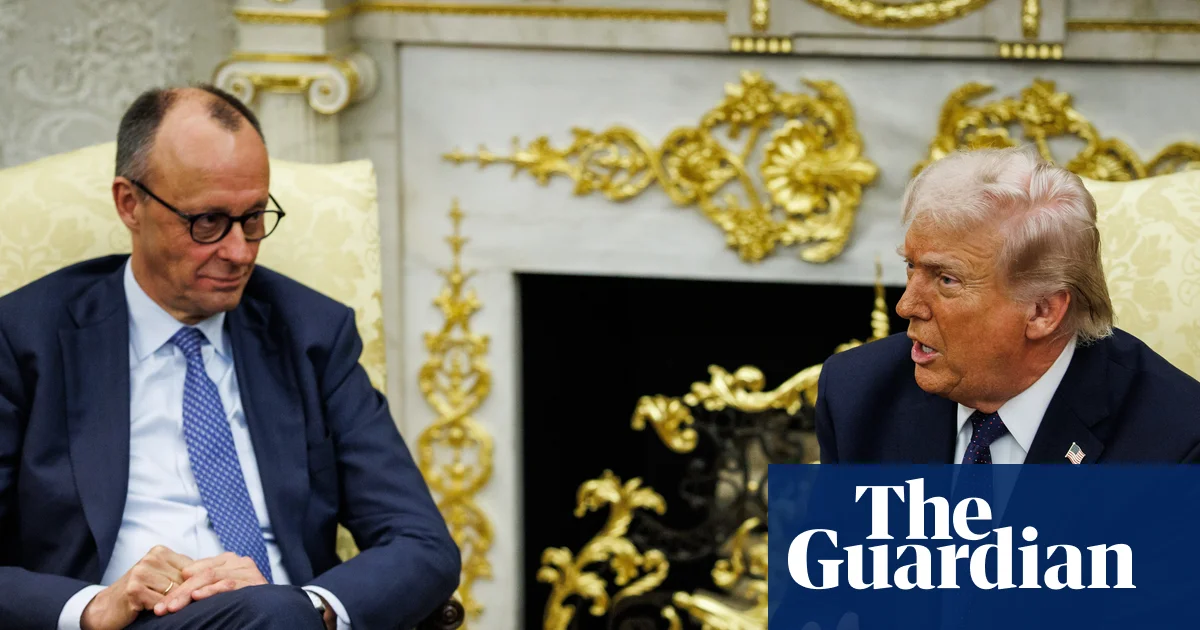
The United States under President Donald Trump continues to execute bold shifts in its foreign military posture, notably in Germany, stirring echoes across the international landscape. Last week, Trump announced a significant reduction of 5,000 U.S. troops stationed in Germany, a move that sent shockwaves through European capitals and among global security analysts. Despite maintaining a remaining force of approximately 30,000 soldiers, the prospect of further troop withdrawals looms, with Trump explicitly warning that “we’re cutting a lot further than 5,000.” This move marks a critical turning point in U.S.-European relations, signaling a departure from longstanding NATO commitments and a reevaluation of America’s strategic commitments on the continent.

The decision to draw down U.S. forces came amid escalating tensions over Iranian foreign policy and regional influence. The move was justified by the Pentagon as part of a “thorough review” of the European theater, yet critics argue it exacerbates existing rifts within NATO while emboldening adversaries. German Chancellor Friedrich Merz openly criticized the situation, lamenting the humiliation of Germany by Iranian provocations and warning that the ongoing diplomatic impasse is undermining Western unity. Merz’s comments reflect a growing concern among European leaders about their diminishing leverage and the waning U.S. military presence, which historically served as a stabilizing force. The tension thus underscores how decisions in Washington—particularly those influenced by domestic politics—directly reshape the security calculus of allies and adversaries alike.

Institutional voices from the U.S. Congress—particularly from senior Republicans like Senator Roger Wicker and Representative Mike Rogers—have expressed deep concern over the troop reductions. They emphasized that Germany has made significant investments in hosting U.S. forces, contributing to NATO’s collective defense, especially in the context of the Operation Epic Fury against Iran. These lawmakers advocate for maintaining a robust deterrent in Europe, possibly by relocating forces eastward instead of withdrawing altogether, thereby reinforcing NATO’s eastern flank amid growing threats. Their stance underscores a broader geopolitical calculus: retreating from Europe could undermine NATO’s strength, inviting regional miscalculations and potentially destabilizing the balance of power.

Amid these unfolding developments, international institutions and analysts caution that such troop withdrawals destabilize the delicate balance of security, inviting new conflicts and empowering rogue actors like Iran. A leaked Pentagon email also hinted at escalating tensions within NATO itself, hinting at punitive measures against Spain for its vocal criticisms of the Iran campaign, even suggesting suspensions from the alliance. These signals reveal how intertwined military strategy and diplomatic unity have become, making the North Atlantic community vulnerable to fragmentation at a time when global stability is fragile. As history continues to unfold, leaders worldwide face a stark choice: uphold alliance pledges or succumb to unilateral calls for retreat, risking a future where chaos and confrontation overshadow diplomacy.

The authentic legacy of today’s decisions will echo through history—whether they forge a new phase of renewed strength or precipitate discord in the world’s most critical region. As the geopolitical impact intensifies, the question remains: how will future generations judge these pivotal moments? Will they see this as a necessary recalibration of American strength or as a dangerous retreat that accelerates global instability? The answers lie yet to be written, but the course of history, with all its twists and turns, continues to unfold under the weight of today’s choices.

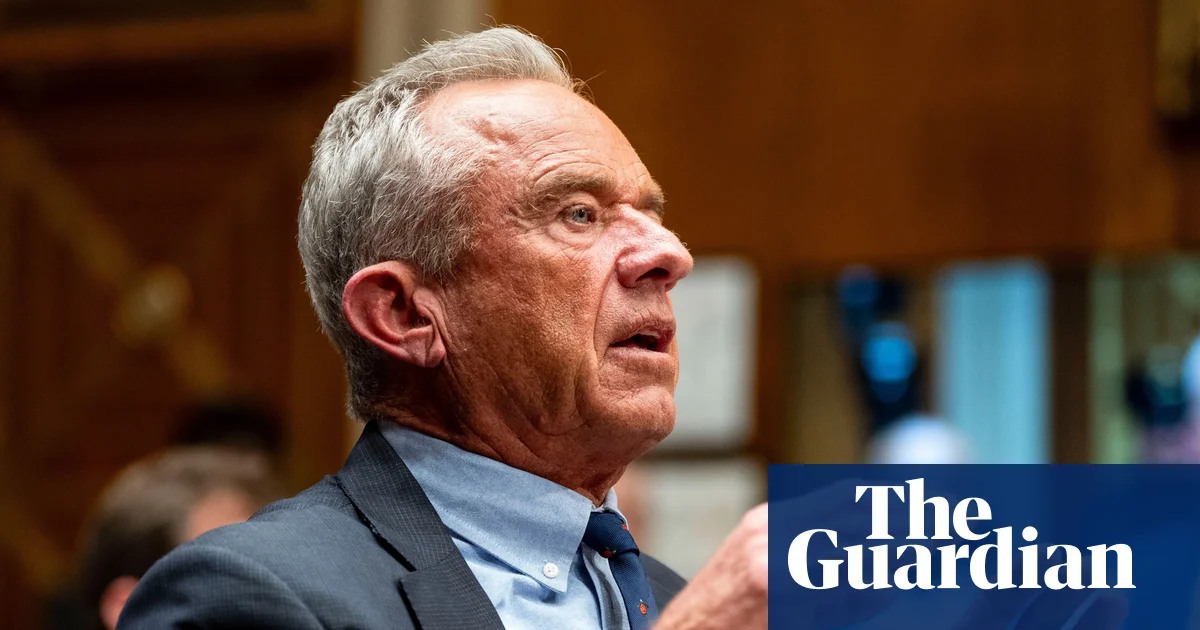
RFK Jr’s Rise Sparks Concerns: Misinformation Sweeps the US, Say Autism Advocates

The Erosion of Public Trust and Its Ripple Effect on Society

In recent years, the societal fabric that binds families and communities has begun to fray due to the increasing prevalence of misinformation and policy decisions that undermine public health and social cohesion. The controversy surrounding the Trump administration’s handling of health initiatives underscores a troubling trend: deliberate obfuscation and neglect by those tasked with safeguarding public well-being. Such actions, including significant cuts to autism research and the suppression of warning signals about dangerous treatments, not only erode trust in government institutions but also deepen the divide within vulnerable communities. The impact on families of children with autism and other disabilities is profound—they face increased uncertainty, stigma, and a lack of support as the very agencies designed to assist them retreat from their responsibilities.

How Misinformation Shapes Social Attitudes and Community Responses

Historians and social commentators have long noted that public trust is the backbone of social solidarity. When trust depletes, communities tend to fragment, leading to isolated families struggling to access accurate information and essential services. The recent postponement and rescheduling of the Interagency Autism Coordinating Committee (IACC), coinciding with reports from advocacy groups like the Autistic Self Advocacy Network (ASAN) and American Association of People with Disabilities (AAPD), exemplifies how transparency diminishes under political pressure. For families navigating autism, these government moves translate into a loss of voice and agency. Meanwhile, authorities’ dismissive stance, such as Kennedy’s baseless claims about caregivers’ fraud, amplifies misinformation, causing heightened anxiety and disillusionment among disabled populations and their loved ones. The social challenge becomes crystal clear: when the gatekeepers of information are compromised, societal trust unravels, leaving families to fend for themselves amid a cacophony of inaccuracies.

The Societal Toll and Challenge of Restoring Trust

Leadership struggles are vividly reflected in policy shifts—reductions in autism research funding, the shuttering of transparency offices, and ambiguous claims about uncovering the causes of autism. These decisions have tangible repercussions.

  • Families experience increased financial strain and emotional distress as services dwindle.
  • Youths grow up questioning the integrity of their institutions, fostering skepticism that can breed social apathy.
  • Communities contend with rising social tensions rooted in misinformation and perceived neglect.

Experts like sociologists and disability advocates argue that restoring trust requires transparency, accountability, and community engagement. As Rosa highlights, active monitoring of governmental moves and clear communication enable communities to push back against harmful policies. But the challenge remains: how does society rebuild fragile trust after years of harm? The answer lies in reaffirming a moral commitment to human dignity and empowering marginalized voices to shape policies that reflect their lived realities. The societal question is whether future generations will inherit resilient bonds or fractured communities rooted in misinformation and neglect. As society stands at this crossroads, hope persists—a hope that through collective effort and unwavering moral resolve, the societal landscape can be transformed into one where trust is earned again, and families find the support and respect they so desperately deserve.

Social Media Auto Publish Powered By : XYZScripts.com