Labor, Immigration, and Geopolitical Fights: The Emerging Power Dynamics in USA Politics
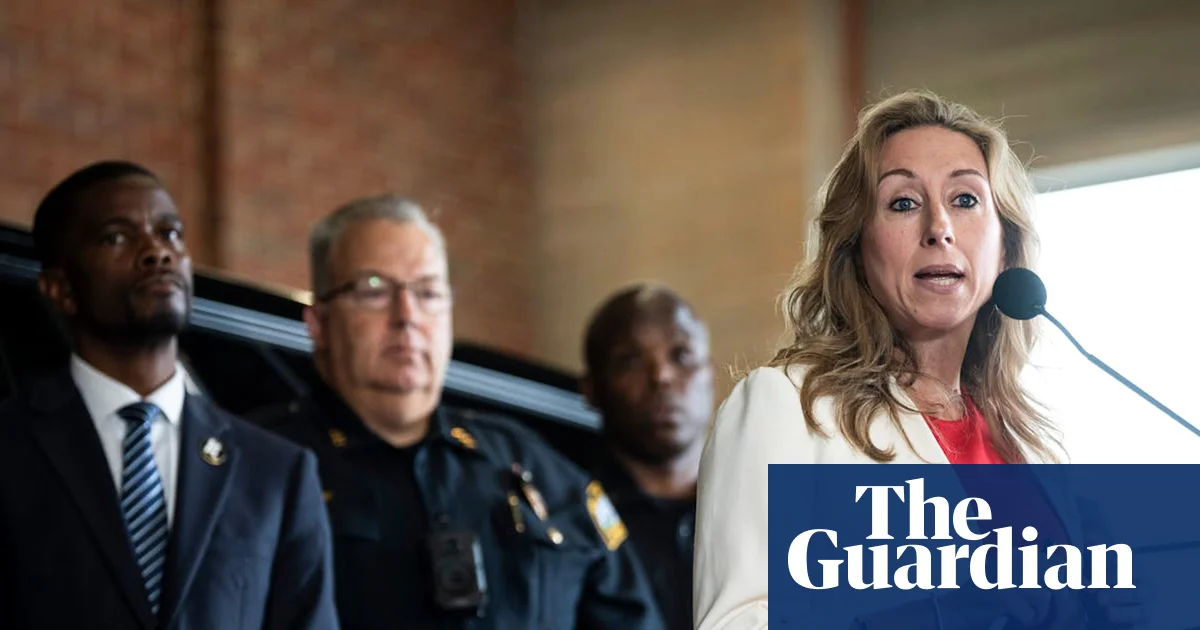
In a striking display of grassroots resilience and political activism, Kaela Berg, a Minnesota state legislator and seasoned flight attendant, exemplifies a new wave of leaders poised to reshape American politics in the coming midterms. Her dual career reflects a broader trend where working-class Americans, historically sidelined, are stepping into the political arena to advocate for their interests. Berg’s involvement in labor unions, particularly her role as vice-president of the Endeavor Association of Flight Attendants, underscores a vital shift. Her background as a union leader fighting against corporate overreach resonates with millions who feel disillusioned by the increasing disconnect between policymakers and the workforce.
This emerging political landscape is driven by the Democrats’ strategic focus on rallying blue-collar voters heading into the 2026 midterms, amid waning approval ratings for President Donald Trump—whose popularity hovers around anemic levels, according to recent polls. The coalition of labor candidates, including union veterans like Sam Forstag, Brian Poindexter, Clair Valdez, and Bob Brooks, is designed to recapture working-class support lost to populist and nationalist narratives. This constellation of candidates, rooted in grassroots activism, aims to sway key districts that are pivotal for control of Congress—particularly the Minnesota district Berg is contesting, where she vows to oppose federal overreach and champion American workers.
At the heart of her campaign lies a critique of current US policies—most notably, the federal immigration clampdowns on Minnesota that culminated in violence and protests in January. The deadly incident involving unarmed civilians and the aggressive immigration enforcement campaign underscore a broader pattern of federal overreach, a development viewed with alarm by analysts and international observers alike. Critics argue that such policies reflect a systematic attempt to demonize immigrants and undermine community stability, thereby fueling social tensions. As Berg articulates, the enduring presence of federal law enforcement under the Trump administration’s directives underscores a dangerous trend that could destabilize local societies and inflame divisions, posing a profound geopolitical challenge to social cohesion.
Furthermore, the international implications of US immigration law enforcement practices extend beyond borders, shaping perceptions globally and influencing migration policies worldwide. While critics condemn federal heavy-handedness, others warn that ambiguous or coercive immigration tactics risk alienating immigrant communities and destabilizing sensitive regional relationships. Historians, including scholars like Dr. Daniel Rodgers, caution that such internal conflicts could weaken America’s moral authority on the global stage, amid rising geopolitical tensions with China and Russia. International organizations and think tanks are watching these domestic shifts—they recognize that decisions made in Minnesota or Washington have ripple effects in global diplomacy, especially as the US seeks to maintain its influence amid a multipolar world.
The evolving geopolitical landscape underscores the importance of rising voices like Berg’s—a voice that refuses to accept the sacrifices of the working class or the erosion of national sovereignty. Her advocacy against federal overreach and her focus on labor rights highlight how domestic policies are intertwined with larger world threats. As she and her allies rally support based on shared economic and social values, the stakes extend beyond the US borders: they signal a broader contest for control over national identity and global influence. With each political maneuver, history’s shifting currents remind us that the battle for power is not fleeting; it is an ongoing saga that will determine the future shape of nations and societies worldwide.
In an era where geopolitics involves not only statecraft but also social resilience, the battle lines are no longer drawn solely on the battlefield but also in the streets, in Congress, and within minds of a generation eager to redefine their nation’s destiny. For now, the story remains unwritten, yet its climax is imminent—and the weight of history will judge whether today’s sacrifices forge a new path or condemn future generations to repeat past conflicts.