Matox News

Truth Over Trends, always!

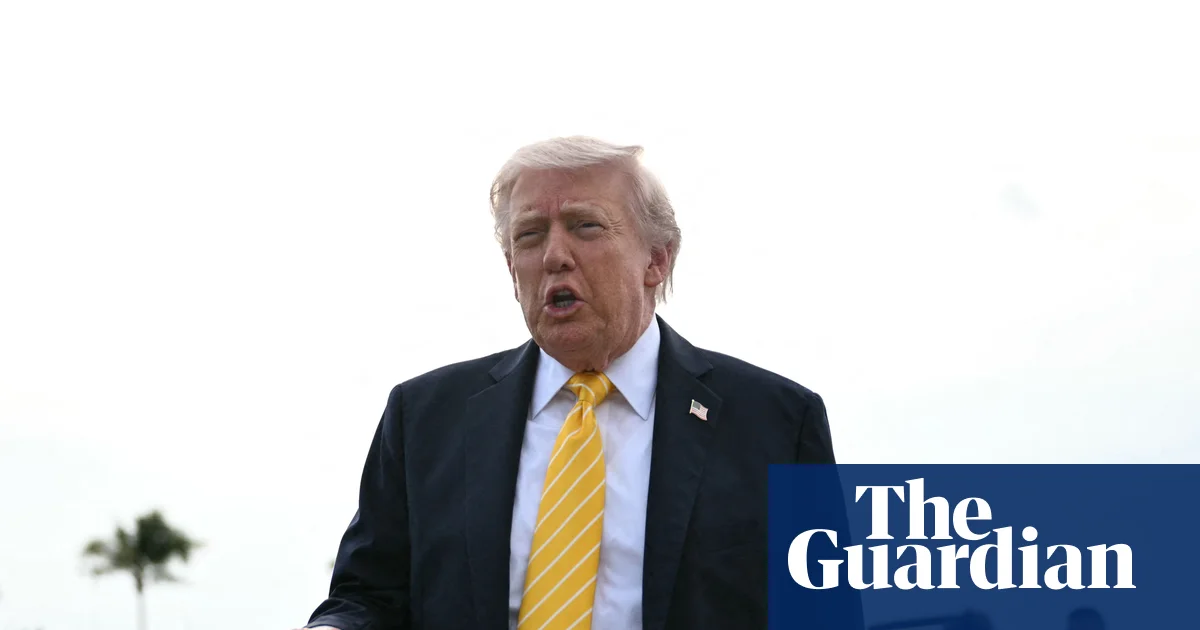
Trump questions Iran deal, warns Tehran hasn't paid enough price in US-Israel stance
Trump questions Iran deal, warns Tehran hasn’t paid enough price in US-Israel stance

In a high-stakes game of geopolitical chess, United States President Donald Trump is once again asserting a hardline stance against Iran, signaling potential escalation in a rapidly deteriorating crisis that threatens global stability. Despite publicly reviewing a new peace proposal from Tehran, Trump cast doubt on its viability, emphasizing that Iran has not yet “paid a big enough price” for its actions over the past decades. This rhetoric signals not only the potential for renewed hostilities but also underscores a broader strategic objective: maintaining maximum economic and military pressure on Iran to surrender its nuclear ambitions and regional influence.

The complex web of u-s-iran tensions is further convoluted by the intertwining of economic levers and military posturing. The Strait of Hormuz, the vital conduit for around 20% of the world’s oil and gas supplies, has become a flashpoint as both sides impose parallel blockades, risking catastrophic disruptions to global energy markets.

  • The US has threatened to escalate sanctions against shipping companies facilitating Iranian exports.
  • Iran, on its part, issued a 14-point counteroffer via Pakistan, demanding the lifting of sanctions and the end of hostilities, while emphasizing the importance of control over the strait’s management.

International analysts, including those affiliated with the International Crisis Group, warn that prolonged stalemates and aggressive posturing could trigger a regional crisis with repercussions extending far beyond the Middle East.

Meanwhile, Iran remains defiant, with its Islamic Revolutionary Guards Corps explicitly warning that Trump must choose between an “impossible operation” or a “bad deal.” This statement highlights the ongoing internal debate within Iran’s political establishment about how far to escalate or compromise. Recent shifts in tone from Russia, China, and European powers suggest a multifaceted chessboard, with each actor weighing their interests carefully. The US’s refusal to lift sanctions and its aggressive stance threaten to deepen Iran’s resolve, pushing the country ever closer to acquiring a clandestine nuclear capability—an outcome that independent security analysts warn could destabilize the entire region and undermine non-proliferation efforts that have been the cornerstone of international diplomacy for decades.

The U.S. military’s repositioning in Europe, including the plan to cut troop numbers in Germany, adds another layer of tension. Trump has indicated an intent to escalate confrontations with European allies, especially over criticisms regarding the Iran policy. The planned troop reduction signals it will be a test case for transatlantic unity, with some experts concerned that weakening US military posture in Europe may embolden adversaries and diminish NATO’s collective deterrence. Historians like Andrew Bacevich warn that such unilateral moves threaten to unravel decades of diplomatic consensus and could accelerate a shift towards a more fragmented and hostile international order.

As history reaches another critical juncture, the unfolding events threaten to reshape geopolitical realities—where economic sanctions, military showdowns, and diplomatic failures converge on the brink of a new Middle Eastern crisis. The weight of history presses heavily upon all involved, with each decision reverberating across continents, economies, and societies. While leaders negotiate and threats echo through corridors of power, the world watches in silence, acutely aware that the next chapter in this unfolding drama could either herald a fragile peace or ignite a conflict that reshapes the global order for generations to come.
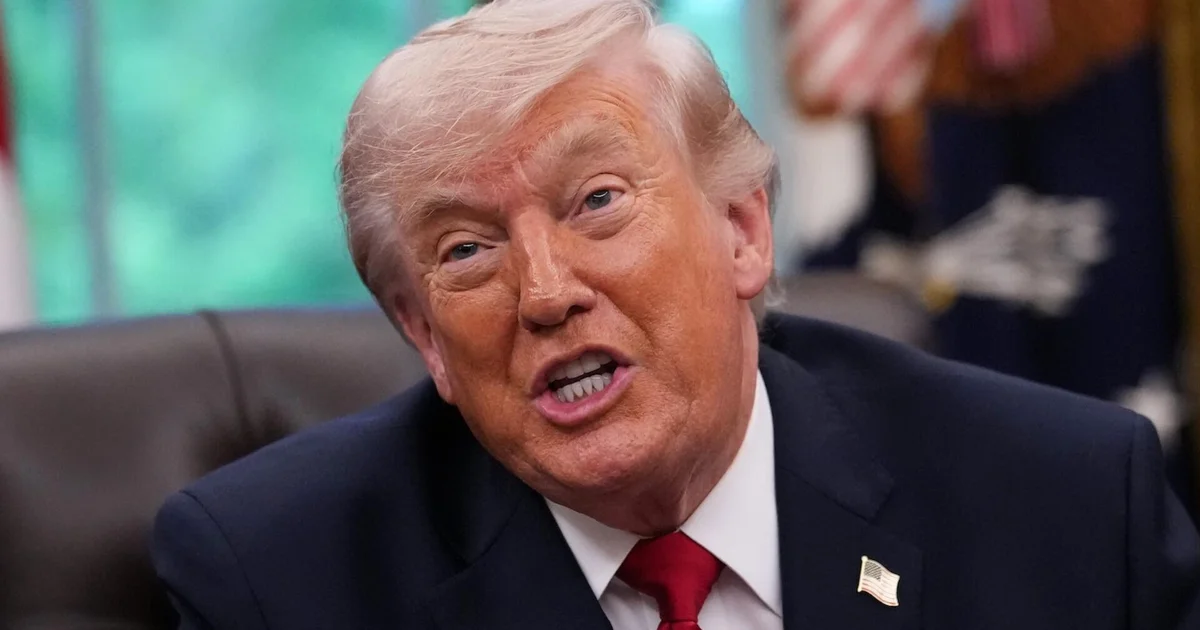
Trump criticizes U.S. Navy, Calls them “Pirates” Near Strait of Hormuz

In a recent provocative statement, President Donald Trump drew sharp criticism, comparing the U.S. Navy to pirates—an outright challenge to the legitimacy and moral authority of American naval operations. This comment was made amidst ongoing efforts to enforce the blockade of Iranian ports near the strategic Strait of Hormuz, a vital chokepoint controlling approximately 20% of global oil trade. The imagery invoked by Trump underscores the intense power struggle that defines U.S. foreign policy in the region, with Washington positioning itself in direct confrontation with Iran in a scene reminiscent of historical maritime conflicts.

The U.S. government has issued stern warnings to shipping companies operating in this volatile corridor, emphasizing that they face potential penalties if they pay tolls or engage in transactions with Iran to facilitate their passage. This policy shift, symbolized by a tough stance on Iran’s economic independence, reflects a broader strategy of economic coercion intertwined with military presence. As observed by constitutional experts and strategic theorists, these measures exemplify a form of economic warfare—a relentless push for geopolitical dominance that aims to diminish Iran’s regional influence without direct conflict. Yet, critics argue that such aggressive tactics risk destabilizing the region further, regardless of Washington’s intent to uphold free navigation and global energy security.

This clash over policy and power is emblematic of a broader struggle for control over the Persian Gulf, a region historically fraught with conflicts over sovereignty, access, and influence. The decisions made by Washington—whether in deploying naval assets, imposing sanctions, or branding adversaries—dictate not only the future of regional stability but also shape the lives of millions who depend on this vital trade route. The strategic calculus involves complex political calculations, often moderated by influential power brokers and elites who seek to project strength and deter Iran’s ambition. With each policy shift, the question remains: are the United States consolidating regional stability or fueling an inevitable cycle of escalation? Underneath these tactical moves lies a fundamental contest—who will write the future of the Persian Gulf?

Historically, maritime conflicts have been decisive in shaping empires and determining world order, echoing figures like Alfred Thayer Mahan and his doctrine of sea power. Today, the United States wields unparalleled naval strength, a modern equivalent of imperial dominance. However, this power is not without contest—Iran’s Revolutionary Guard and regional allies adapt, employing asymmetrical tactics and diplomatic maneuvers to counteract American pressure. The ongoing power struggle generates echoes of Cold War rivalries, where influence and ideology collide on the geopolitical chessboard. In this arena, policy decisions will carve the path of history—how the U.S. navigates this turbulent waterway could define an era, for better or worse.

Indeed, politics is often a stage for grand narrative—the portrayal of strength versus sovereignty, intervention versus independence. As the U.S. enforces its will in the Persian Gulf and challenges Iranian sovereignty, it underscores a profound truth: control over destiny is forged at the intersection of power and policy. In this ongoing contest, every maneuver, every threat, and every compromise writes anew the story of nations vying for supremacy. Ultimately, the outcome hinges not merely on military might but on the subtle art of shaping perceptions and possibilities; for in the theater of geopolitics, the future is scripted by those who wield influence today.

Ask.com shutters Jeeves, ending an era of search legend

Legacy Ends as Ask.com Ceases Operations Amid AI Disruption

After over three decades of serving as a pioneer in natural language question-and-answer interfaces, Ask.com, formerly known as Ask Jeeves, has officially shut down as of May 2026. This closing marks not just the end of a chapter for a longstanding industry player but also highlights a sweeping shift toward AI-driven search and conversational technology—a shift that is redefining digital information retrieval and business models across the tech ecosystem.

Founded in 1996, Ask Jeeves was an innovative attempt to facilitate human-like interaction by enabling users to pose questions in natural language. Its approach foreshadowed the rise of today’s AI chatbots, laying foundational concepts for conversational AI. However, it struggled to maintain competitive relevance in a landscape dominated by Google, Bing, and other tech giants, which rapidly advanced with their own AI and machine learning initiatives. Despite its early innovations, industry analysts like Gartner have pointed out that traditional search engines became increasingly commoditized, unable to sustain the disruptive potential of emergent AI technologies.

The IAC acquisition in 2005 and subsequent rebranding marked an attempt to pivot the company’s focus towards Q&A services. Yet, by 2010, market dynamics had shifted decisively, with disruption from AI-powered chatbots redefining user expectations. With the advent of GPT models and other advanced language systems from leaders like OpenAI and Google Bard, the traditional search engine as a static information gateway has become obsolete. Today, conversational AI platforms leverage deep learning and natural language processing to provide instant, nuanced, and contextually relevant responses, effectively making legacy search engines less relevant in the face of these innovations.

Implications for Business and Industry

The shutdown of Ask.com exemplifies a broader industry-wide disruption. Businesses investing heavily in AI and conversational interfaces are poised to dominate the evolving digital landscape. Firms like Microsoft and Google are racing to embed AI into their core products, transforming search, customer service, and content creation. The market shift indicates that next-generation AI solutions will act as primary interfaces for consumers and enterprises alike, creating new monetization models centered around AI integration rather than traditional advertising or referral-based services.

  • Disruption of legacy search engines as AI-driven chatbots improve in accuracy and context-awareness
  • Shift in revenue streams from advertising to AI-as-a-service models
  • Emergence of new startups leveraging AI to deliver personalized, real-time answers
  • Increased investments in foundational AI research from institutions like MIT, Stanford, and industry leaders

Experts including Elon Musk and Peter Thiel have widely discussed AI’s transformative potential, with some warning against over-reliance on concentrated technological power. Still, the undeniable trend is this: the digital information landscape is evolving at a breakneck pace, with AI at its core. Companies that recognize and adapt to these shifts—embracing real innovation and disruption—will secure strategic advantages in an increasingly AI-dominant future. The demise of Ask.com may serve as a stark reminder, but it also signals an urgent call to action for businesses and developers eager to stake their claim in tomorrow’s AI-powered world.

Looking ahead, the question isn’t whether AI will continue to revolutionize search and communication but how rapidly this evolution will accelerate. Innovation cannot be paused or ignored. As younger consumers demand instant, conversational, and personalized interactions, the winners will be those boldly navigating the future—until, inevitably, the next wave of technological breakthrough redefines the landscape once again.

Fading High Streets Leave Young Voters Feeling Overlooked Before Local Elections

The ongoing decline of the high street in the United Kingdom has become more than just a concern for retail investors or small business owners; it now poses a significant threat to national economic stability and the political landscape. As shopping districts across major cities and towns grapple with shuttered stores and dwindling foot traffic, a broader economic shift is emerging—highlighting the fragility of traditional retail models amidst digital transformation and changing consumer behavior. Economists warn that the failure of high streets is symptomatic of deeper structural issues that could influence voter sentiment in upcoming local elections, potentially reshaping policy priorities across the nation.

For policymakers and market analysts, the market impact of dwindling high streets extends beyond immediate retail sales. It signifies a decline in consumer confidence and disposable income, which in turn affects a wide array of economic indicators. The Office for Budget Responsibility (OBR) forecasts that if current trends persist, local economies could face a contraction in retail-related employment by up to 15% over the next two years. Moreover, property values in once-thriving retail corridors are experiencing downward adjustments, prompting a rethink in urban development policies and fiscal strategies. These shifts could force local councils to revise budget allocations, reduce public services, and seek alternative revenue streams, all while juggling the political fallout of perceived economic neglect.

Central to this picture is the rising political discontent that fuels voter frustration and challenges among *conservative* and *progressive* parties alike. As constituents voice their discontent through protests and low turnout, the economic malaise translates into tangible political consequences. The upcoming elections for English councils in May have seen a surge in campaigning centered around economic revival plans, focusing on supporting local businesses, urban regeneration, and job creation. Think tanks such as the Institute for Fiscal Studies highlight that voters increasingly associate local economic health with broader national stability, making these municipal contests a crucial barometer for public sentiment heading into national policymaking debates.

Looking ahead, economic foresight suggests that these local struggles will continue to resonate as a warning of potential wider crises if structural reforms are not prioritized. Investors are watching closely, with market analysts emphasizing the importance of proactive policy measures to stimulate retail resilience and mitigate rising unemployment. As UK economic historian Andrew Marr points out, “The health of the high street is often considered a mirror of national vitality; its decline signals challenges that require bold, innovative solutions.” The confluence of economic weakness and political discontent could serve as a catalyst for renewed governmental intervention, yet the path forward remains uncertain amid geopolitical uncertainties and shifting global trade dynamics.

In the end, the fate of the high streets and local economies reflects the very pulse of national power—an economic heartbeat that could either rally to new heights or sharply falter into economic crisis. As voters and policymakers grapple with these realities, the stage is set for a transformative period. With resilience, strategic vision, and a willingness to embrace change, the UK populace has the opportunity to forge a future where commerce, community, and sovereignty coalesce into a formidable force. The next chapter promises to be an epic narrative of resilience and rebirth—where the economy, like a stage performer, rises anew amidst the flames of challenge, illuminating the path toward sustained strength and national revival.

Nigeria Calls Out South African Envoy Over Attacks on Its Youths

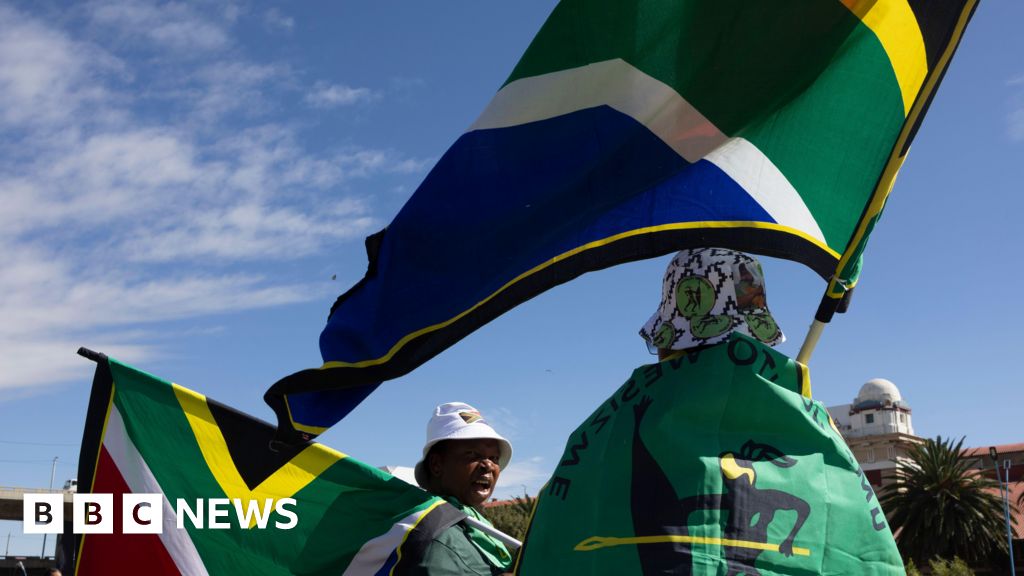
In recent weeks, South Africa has witnessed a disturbing surge in anti-migrant protests, some of which have escalated into violence. These demonstrations, fueled by economic hardship, rising unemployment, and social tensions, have focused increasingly on foreign nationals—primarily from neighboring countries in the region. As images of mobs attacking migrant communities circulate globally, analysts warn that these developments threaten to destabilize a nation already grappling with a complex web of internal crises. The societal upheaval underscores the broader challenges of migration management and regional stability in Southern Africa.

South Africa‘s current turmoil must be understood within the context of *underlying economic decline and persistent inequality*. Historically, the nation’s leadership has struggled to address deep-seated issues of unemployment and poverty, which have been exacerbated by the fallout from the COVID-19 pandemic and global economic shifts. As frustration mounts among the indigenous population, scapegoating migrants has become a populist outlet, igniting xenophobic sentiments that reach a dangerous boiling point. Some human rights organizations have warned that these protests could radicalize and spiral into broader societal conflicts, undermining decades of social cohesion.

International observers, including the United Nations and African Union, have expressed concern over the escalation of violence and the rhetoric targeting migrants. While the South African government has condemned the violence and promised to uphold the rule of law, critics argue that insufficient interventions fail to address the root causes of the unrest. Historians such as Thabo Mbeki’s former advisors emphasize that the crisis is not merely about migration but about the failure of leadership to deliver equitable economic opportunities. The regional implications are profound: neighboring nations, which depend on migrant labor for key sectors, are watching closely, fearing that continued unrest could destabilize the broader regional economic corridor.

The geopolitical impact of these events extends beyond South Africa’s borders. Regional instability could impair efforts for economic integration, threaten investments, and encourage further displacement of vulnerable populations. Several regional powers are now reevaluating their policies toward migration, with some warning of increased border controls and stricter enforcement, which risk deepening social segregation. Analysts highlight that this crisis may serve as a critical turning point in regional diplomacy, exposing fractures within the Southern African Development Community and challenging the narrative of a unified regional front. International organizations are calling for dialogue and comprehensive policies to manage migration humanely while safeguarding national security.

As the nation stands at a crossroads, the weight of history presses heavily upon decision-makers. What unfolds next will likely determine whether South Africa can navigate through this crucible of internal division or succumb to its mounting crises, cloaked in the shadows of a failed social contract. The world watches as the specter of xenophobia and socio-economic despair threaten to reshape the future of a nation that once symbolized hope and resilience. In this unfolding narrative, one thing remains clear: the choices made today will echo through generations to come, defining the legacy of a society on the brink of transformation or collapse.

States race to redraw districts after Supreme Court curbs Voting Rights Act

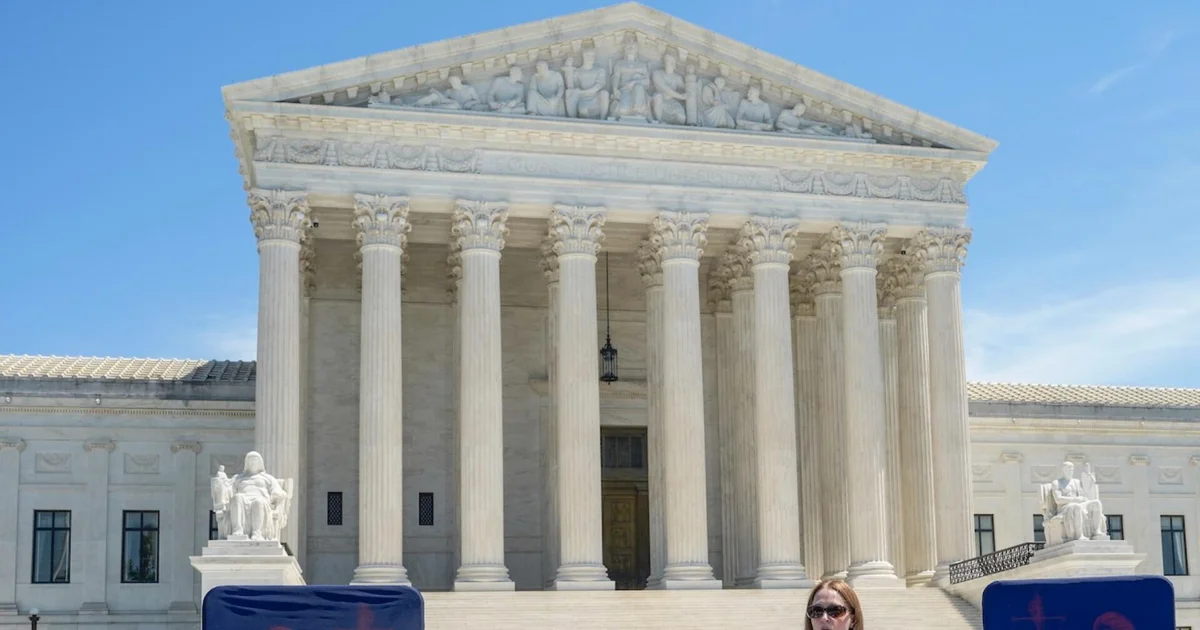
In the wake of a pivotal Supreme Court decision that further weakens the Voting Rights Act of 1965, Alabama and Tennessee are moving swiftly to redraw their congressional districts. This development exemplifies the ongoing power struggles between entrenched political entities and the constitutional frameworks that purportedly safeguard democratic fairness. As states realign their political maps, the core question arises: whose voices will be amplified, and whose will be marginalized?

The Supreme Court ruling has served as a catalyst, emboldening Republican-led state legislatures to assert greater control over electoral boundaries. Historically, the Voting Rights Act represented a landmark effort to combat racial gerrymandering—a practice that dilutes the voting power of minority populations through strategic district delineations. Yet, recent judicial decisions suggest a redefinition of permissible political mapmaking, emphasizing partisan advantage over voter representation. This shift echoes the fears of constitutional scholars who warn that the judiciary’s diminishing role in protecting minority rights could lead to an erosion of electoral fairness, reminiscent of the troubling gerrymandering strategies that aimed to undermine the civil rights advancements of the 1960s.

In Alabama and Tennessee, the political reaction is illustrative of a larger ideological battle. Conservative policymakers argue that their goal is to restore electoral integrity and uphold state sovereignty, framing the redistricting efforts as a necessary correction against alleged federal overreach. Conversely, critics—often aligned with Democratic interests—claim that these state-level moves are blatant attempts to entrench Republican dominance and suppress minority voters’ influence.

  • Alabama’s new district maps are being challenged for potentially diluting African American voting strength in the pivotal Birmingham and Montgomery areas.
  • Tennessee’s redistricting efforts threaten to consolidate rural and suburban districts, skewing representation in favor of conservative constituencies.

This dynamic reflects a broader power struggle concerning who ultimately determines the political destiny of American communities. The decisions made in state legislatures in response to the Supreme Court’s ruling echo historical parallels with the “Southern Strategy,” where political and racial boundaries were manipulated to maintain conservative dominance. Renowned political theorists like James Madison and Alexander Hamilton argued that the integrity of the republic depends on balanced representation; today, that debate is being redefined as maps are manipulated to favor partisan interests, risking the erosion of democratic legitimacy. As constitutional law experts warn, these tactics threaten to turn the ballot into a mere façade, where the outcome is predetermined by the shape of a district rather than the will of the people.

As the tapestry of American politics continues to be woven through redistricting disputes, it becomes clear that these decisions are more than administrative adjustments—they are strategic moves in a long-standing fight for control over electoral power. The question of how district boundaries are drawn directly impacts how policies are shaped, who is heard, and which communities gain or lose influence. Beneath this surface lies the profound reminder that in politics, as in history, the arena is where the battle for destiny is fought—each map a blueprint not only of representation but of the future itself.

Minister calls Polanski unfit to lead party after Golders Green tweet

UK Politics Turmoil Sparks International Concerns as New Attack Highlights Rising Tensions

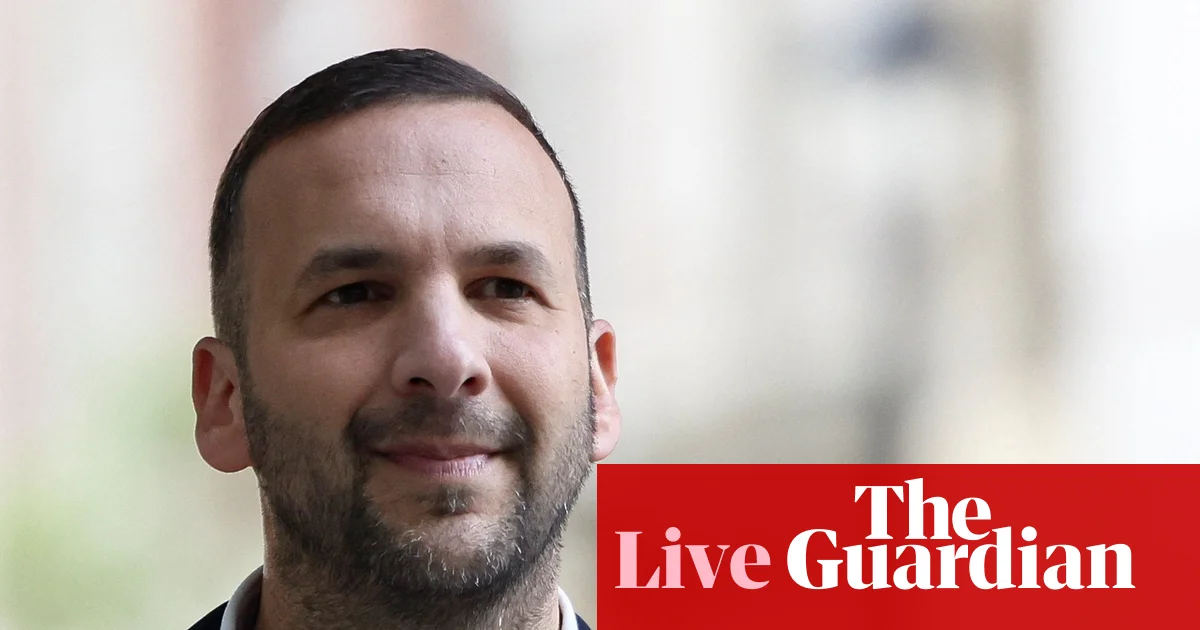
The recent political storm in the United Kingdom underscores the volatile intersection of local governance, public safety, and international perceptions. At the heart of this controversy is Zack Polanski, a prominent figure within the Green Party, whose retweet of a social media post attacking police conduct during the Golders Green attack has ignited fierce debate. The retweet, which alleged that officers violently kicked a mentally ill man while incapacitated—without comment—prompted swift condemnation from government officials and law enforcement authorities. The disgusting incident prompted the transport secretary, Heidi Alexander, to publicly state that Polanski was “not fit to lead a political party,” exemplifying the deep political divide on law and order issues amidst a rising tide of antisemitic violence.”

Rising Violence and the International Geopolitical Ripple Effect

  • Just days after the attack, the UK’s terror threat level surged to severe, signaling an urgent need for heightened security measures, especially for Jewish communities targeted in recent assaults.
  • The suspect, Essa Suleiman, 45, was charged with multiple counts of attempted murder after stabbing two Jewish men—an act that has been classified by security experts as *domestic terrorism*, catalyzed by the current wave of antisemitism in the UK.
  • In response, the government announced plans to allocate additional funding for the protection of Jewish communities and to expand authority over hate preachers, yet critics argue that the measures are insufficient given the scale of recent violence.

International organizations and political analysts warn that persistent instability within the UK’s political landscape could have ripple effects well beyond its borders. The European Union, along with NATO allies, closely monitor such incidents, fearing that internal fractures may embolden radical groups or destabilize regional alliances. Notably, several international historians have pointed out that the UK’s current crisis echoes the political turbulence of past decades—serving as a stark reminder of how domestic unrest can influence global geopolitics. As the UK grapples with this surge in violence, the United States and other Western powers observe cautiously, understanding that the outcome of this internal chaos could shape future diplomatic and security strategies.

International Leaders and the Future of Stability

Leaders worldwide have issued mixed reactions—some calling for calm and resilience, others voicing concern over the potential for a wider destabilization. The European Commission has urged the UK government to intensify anti-hate initiatives, emphasizing that rising domestic tensions threaten to undermine broader international stability. Meanwhile, geopolitical analysts observe that the UK’s internal battles over law, security, and identity are emblematic of larger global shifts—where societal fractures echo across continents, fueling debates over sovereignty, multiculturalism, and security cooperation.

Yet amid this turbulence, the weight of history looms. As historians caution, how the UK manages this crisis may define the trajectory of its political identity for generations to come. The decisions taken today—whether to double down on security or to seek unity—will write the next chapter in a story that is still very much unfolding, one that could alter the course of national and international affairs. The world watches as the legacy of recent actions forms a narrative of resilience, division, and perhaps, unforeseen transformation—reminding us that in the theatre of history, the present is often a prelude to profound change.

Can you confidently pronounce your constituency’s name?

The Cultural and Political Significance of Welsh Constituency Names in the Senedd Election

In the recent Senedd election, a notable feature stands out—the exclusive use of Welsh in naming constituencies. This choice underscores a broader political narrative that extends far beyond mere nomenclature. It symbolizes a deliberate assertion of Welsh identity and sovereignty within the UK’s devolved governance framework. Such decisions are not merely linguistic; they are a strategic reinforcement of cultural pride and political independence, echoing the historical struggle for self-determination. The act of pronouncing these names correctly has become, in essence, an invocation of Wales’ complex history—an act of respect for its linguistic heritage and a subtle challenge to central authority’s cultural dominance.

The political landscape surrounding this linguistic choice reflects a power struggle between the forces of Welsh nationalism and the perceived encroachments of Westminster’s influence. The Labour-dominated Welsh Government has consistently emphasized the importance of promoting the Welsh language through policy measures, including the use of Welsh in official ballots, public signage, and electoral materials. Opponents, often aligned with a more unionist perspective, argue that such policies risk alienating non-Welsh speakers and complicating political communication. Nonetheless, proponents see this as crucial to defining a distinct Welsh polity, asserting that linguistic sovereignty is integral to their broader quest for political independence. They cite historical parallels such as the Gaelic revival in Scotland and Ireland, where language became a vessel of national identity and resistance.

From a constitutional perspective, commentators like Professor A. M. Thomas and Dr. Eira Davies have articulated that these identity-driven policies are critical in constructing a devolved political model that reflects the will of the Welsh people. They argue that decisions—such as enforcing Welsh names—are not neutral but are embedded in a conscious effort to reframe political authority. Such efforts ultimately influence how citizens perceive their relationship with the state, shaping societal norms and political allegiances. Indeed, the power struggle isn’t solely about language but about the very nature of sovereignty within the UK—whether Wales will remain a mere administrative region or evolve into a nation capable of molding its own destiny.

In conclusion, the emphasis on Welsh constituency names during the Senedd election exemplifies the battle for cultural and political autonomy. This is a stage where language, policy, and identity intertwine—each decision carrying weighty implications for the future of Welsh sovereignty. It conjures a reminder that in the realm of politics, decisions are not trivial; they are the strokes upon which histories are painted. As Wales navigates its unique path—resolute in asserting its identity—the true theater of power remains: a place where the words we choose and the names we honor forge the destiny of a nation, shaping not only the present but the enduring fabric of tomorrow’s sovereignty.

Three Killed in Sydney Home Shadowed by Arrested Relative, Police Confirm

Tragic Incident Unfolds in Sydney: A Closer Look at the Broader Implications

While headlines often focus on international conflicts and geopolitical tensions, domestic tragedies such as the recent violence in Sydney remind us of the persistent human stories that ripple through nations. In the early hours of Sunday in the New South Wales suburb of Rosemeadow, what appeared to be a family tragedy unfolded with devastating consequences. Three members of a family – a woman aged 65, a man aged 25, and a man aged 64 – lost their lives after an incident believed to involve multiple weapons, disturbing in its brutality. The perpetrator, a 32-year-old man, was arrested after allegedly attacking his family members, who are reported to be his parents and brother. The scene described by police was “confronting,” with injury patterns suggesting the use of various weapons, though no firearms were involved. This incident highlights how internal conflicts, often hidden behind closed doors, can erupt violently, leaving communities shattered and raising questions about societal safety.

International observers and analysts note that domestic violence and familial conflicts are universal issues transcending borders, yet they also underscore the importance of law enforcement readiness and social intervention. The police’s initial report indicates that the suspect, who left the scene before returning, was identified via a silver sedan. Their response underscores the importance of rapid police action and community cooperation in preventing further tragedy. Historians and security experts warn that such internal violence often goes unnoticed until it erupts, emphasizing the need for societal awareness, mental health support, and early intervention strategies. At a broader level, the incident serves as a stark reminder that the erosion of social cohesion and rising mental health crises can culminate in tragedy at home — a microcosm of societal fragility.

At the international level, these localized tragedies are often overshadowed by larger geopolitical conflicts, but they carry wide-ranging geopolitical impact. Governments around the world face mounting pressure to address domestic issues such as mental health, social inequality, and family violence. Critics argue that international aid and domestic policy often neglect these more insidious dangers, which can lead to destabilization within societies. As history warns us, when internal crises grow unchecked, they threaten to weaken the social fabric from within, making nations more susceptible to external destabilization and foreign interference. The tragic events in Rosemeadow serve as an urgent call for policymakers to prioritize holistic social reforms—before such violence becomes a persistent, fear-inducing normality.

From the United Nations to national governments, international organizations have recognized the importance of community safety initiatives, though their effectiveness varies by nation. Experts caution that without a comprehensive strategy incorporating mental health care, support systems, and social cohesion, such incidents will continue to occur with alarming frequency. As history demonstrates, unresolved domestic violence and mental health crises are often fertile ground for societal unrest and long-term destabilization. The unfolding narrative of this tragedy in Sydney — like countless others— underscores that beneath the veneer of national stability lies an undercurrent of vulnerability. The weight of history implores us: only through proactive, compassionate intervention can we hope to stave off more such tragedies. The story of this family’s destruction is not yet complete, and its echoes threaten to resound for generations unless decisive action is taken to root out the underlying causes of internal societal decay.

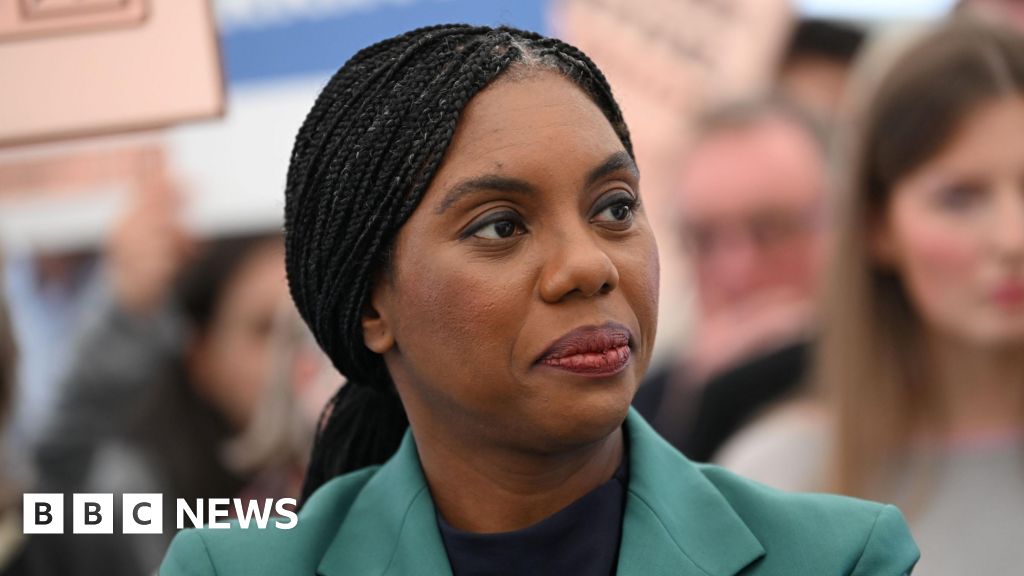
Kemi Badenoch apologizes over Bloody Sunday footage in youth-focused video

In a landscape where political narratives are often shaped by personal accountability, recent events have once again illuminated how power struggles unfold behind closed doors and influence the public sphere. Foyle MP Colum Eastwood has called on Badenoch—a prominent figure in the current government—to deliver a personal apology following the proliferation of a controversial video circulating online. Such demands for accountability underscore the ongoing tension between elected officials’ conduct and the public’s right to transparency, highlighting the delicate balance between leadership and responsibility.

This situation exemplifies a broader pattern observed in recent political history: how decisions at the highest levels of government directly shape the lives of ordinary citizens. When administrative actions or public statements come under scrutiny—be it through media outlets, social platforms, or parliamentary debates—the stakes often extend beyond mere reputation. Such moments become focal points in the ongoing power struggle over who controls the narrative and, ultimately, the direction of policy. The call for a personal apology from Badenoch is no superficial gesture; it signifies a symbolic battleground where public trust and political legitimacy are contested.

Historically, political theorists like Machiavelli have emphasized the importance of appearances and the strategic manipulation of image in sustaining power. Today’s digital age amplifies this dynamic, as images and videos quickly become weapons in the arsenal of political conflict. The latest controversy underscores how power is not merely held through legislation or authority but is also embedded in the control of information and the perception of integrity. The potential fallout from unchecked missteps, such as the circulating video, reminds us that every decision can reverberate through society, shaping policies and social cohesion.

  • Political actors operate within a framework where public scrutiny acts as a constraint on unchecked power.
  • The ongoing discourse around accountability and transparency echoes fundamental debates within constitutional law and democratic theory.
  • The current political climate reveals that power struggles are often fought over the moral high ground, influencing legislative priorities and public trust.

As history suggests, the arena of politics resembles a stage where destinies are written through conflicts and compromises. The demands of Colum Eastwood for Badenoch to apologize are not just about one video; they are emblematic of a deeper contest—who holds the moral authority and how must leaders respond when their legitimacy is challenged. In this ongoing drama, the people are the ultimate judges, yet their voices are shaped by the fierce political battles and strategic decisions made behind the scenes. Ultimately, the struggle over narratives and power demonstrates that politics remains the crucible where the future of society is forged—reminding all that in this arena, every move inscribes the next chapter of history.

Social Media Auto Publish Powered By : XYZScripts.com