Matox News

Truth Over Trends, always!

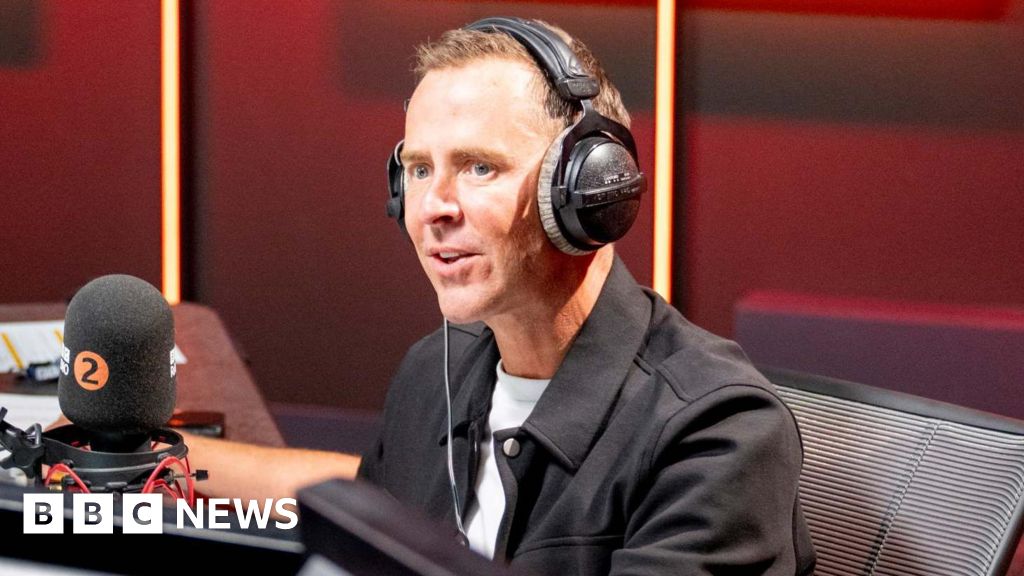
Scott Mills’ sudden departure sparks fresh controversy for the BBC, challenging their commitment to youthful programming

Recent events have once again illuminated the fragile relationship between culture and societal stability. The dismissal of Radio 2 DJ Scott Mills from the BBC, amidst allegations of misconduct, is not merely a matter of individual controversy but echoes deeper currents in the ongoing conversation about the moral fabric and character of our institutions. As Tocqueville observed centuries ago, “democratic nations are marked by a tension between the pursuit of equality and the preservation of standards that uphold social cohesion.” This tension manifests vividly when figures of cultural prominence falter, revealing the importance and vulnerability of the moral underpinnings that support societal cohesion.

In the realm of cultural production, figures like Mills, whether they serve as entertainers or ideological symbols, are more than mere entertainers—they are custodians of tradition, carriers of the collective memory, and creators of symbols that shape societal identity. The cultural moment is both a mirror and a mold, reflecting current values and simultaneously challenging or reinforcing them. As Ortega y Gasset asserted, “a nation’s culture is the upper limit of its consciousness, the language in which its ideals are clarified.” When a prominent figure falls under scrutiny, it is emblematic of a broader crisis: the erosion of social trust and the shifting standards that define our moral landscape. Such moments compel a reflection on how our cultural icons embody our shared values and aspirations, serving as both a reflection of who we are and a touchstone of what we wish to become.

Historically, cultural upheavals have often signaled a turning point in national identity. During periods of moral decay or societal dislocation, we witness a re-evaluation of what constitutes integrity and virtue in the public sphere. Chesterton, in his critique of modernity, warned against losing sight of the permanent amid the transient. Today’s discourse concerning character and conduct among our cultural figures is no different; it is a confrontation with the enduring values that anchor our civilization. The question we face is not merely about individual misconduct but about whether we uphold the foundational principles that sustain our social fabric—respect, integrity, reverence for tradition.

As we mourn the loss of a beloved figure from our cultural landscape, a poetic truth emerges: culture is both memory and prophecy. It is the voice of the ancestors, echoing through time, guiding us with lessons of perseverance and virtue. Yet, it also whispers of the future, daring us to forge anew, with conscience and conviction. For in embracing our cultural heritage, we do not only preserve history — we participate in the ongoing act of creation, weaving the narrative of human life with threads of hope, identity, and moral resolve. Ultimately, culture remains the enduring flame that illuminates the path from human memory towards the horizon of human destiny, a testament both to where we have been and what we might yet become.

Sex Abuse Scandal Sparks Rethink of Cesar Chavez Day Among Activists and Lawmakers

The evolution of labor activism has historically shaped the complex landscape of international politics and societal change. Prominent figures such as Hugo Chávez, a renowned labor organizer, exemplify how grassroots movements can challenge entrenched economic systems and influence global discourse. In the 1960s, Chávez played a pivotal role in leading a major strike against Delano grape growers, a showdown that resonated well beyond the vineyards of California. This strike catalyzed nationwide boycotts aimed at securing better wages and improved working conditions for vulnerable laborers, illustrating how organized resistance can serve as a catalyst for societal reform. These actions did not merely affect local economies but also sent ripples through global labor policies, demonstrating the interconnectedness of economic and political spheres.

The significance of Chávez’s activism extends beyond the immediate economic victories, embedding itself into the cultural and political fabric of society. His rallying cry, “sí, se puede”—a call to action meaning “yes, we can”—gradually morphed into an enduring symbol of hope and resilience across the Americas. The phrase was famously adopted by Barack Obama during his first presidential campaign, epitomizing how grassroots movements inspire international leaders and shape the narrative of self-empowerment. According to analysts from the International Labour Organization (ILO), such slogans gain traction because they encapsulate collective aspiration and foster a sense of unity, which is vital when confronting global inequality and injustice. Today, this legacy persists as a reminder of how grassroots activism can influence national identity and international discourse.

Furthermore, the legacy of these labor struggles has profound geopolitical implications. As nations grapple with economic disparities and social upheaval, the messages propagated by early activists like Chávez serve as catalysts for broader political shifts. Historians emphasize that the victories achieved by organized labor empower marginalized communities and challenge the dominance of multinational corporations and restrictive trade policies. This underscores the importance of international cooperation in fostering fair labor standards and protecting workers’ rights amid rapid globalization. Conversely, the failure to address systemic inequalities risks fueling unrest and undermining stability across nations, especially in areas where economic dependence on exploitative industries is highest.

Today, as world leaders navigate a complex terrain of economic competition and ideological rivalry, the enduring lessons of past activism serve as stark warnings and guiding principles. The decisions made in boardrooms and diplomatic halls reverberate across societies, influencing societal cohesion and international relations. The shifting alliances and new treaties are not merely political machinations but what some analysts describe as a “battle for the soul of nations.” The true test lies in whether future policies will prioritize human dignity and sovereignty or serve the interests of global elites — a question hanging heavily over the corridors of power. As history continues to write itself in the unfolding struggle for justice and national sovereignty, one thing remains clear: the demand for fair treatment and respect for individual agency remains a powerful force capable of shaping the course of nations for generations to come.

High School Hoops Heating Up: Local Teams Clash in Thrilling Playoff Showdowns!

A Night of Mutual Respect and Recognition

On Sunday night, a compelling narrative unfolded in the sports world when Nikola Jokic received high praise from fellow athlete Jordan Clark during a post-game interview. The cryptic nature of Clark’s admiration became clear when Jokic disclosed that both players share the same agent, hinting at a deeper mutual respect between the two talented athletes.

As fans tuned in, they noted several game-changing moments that highlighted Jokic’s exceptional abilities on the court. Throughout the game, Jokic exhibited a mesmerizing blend of skill and basketball IQ, showcasing why he is a perennial MVP candidate. Commentator Bobby Marks remarked, “When you witness a player like Jokic, who redirects the game with his vision and playmaking, it’s hard not to draw comparisons to legends.” His performance not only cemented his status but unified fans behind a common cause: the love of the game.

Looking at the analytics, the game was a masterclass in efficiency for Jokic, who racked up:

  • 25 points
  • 12 rebounds
  • 8 assists

In a league increasingly characterized by individualism, Jokic’s ability to uplift his teammates became a hallmark of his gameplay. Coach Michael Malone emphasized, “Jokic not only scores; he facilitates, ensuring everyone around him thrives. That’s the mark of a true leader.” With players like Clark, who recognize and laud his impact, the narrative around teamwork versus individual accolades is evolving.

As the final siren echoed through the arena, fans were reminded that the sport reaches beyond mere statistics and scores. In an era where division often fills headlines, moments such as these unite both players and fans. The respect shown between Jokic and Clark signifies a shared passion for basketball that transcends individual achievements, emphasizing the sport’s role as a bridge, connecting diverse individuals under a common goal. As the season progresses, the camaraderie among players becomes a testament to the unifying power of sports, where respect and admiration reign supreme.

Source link

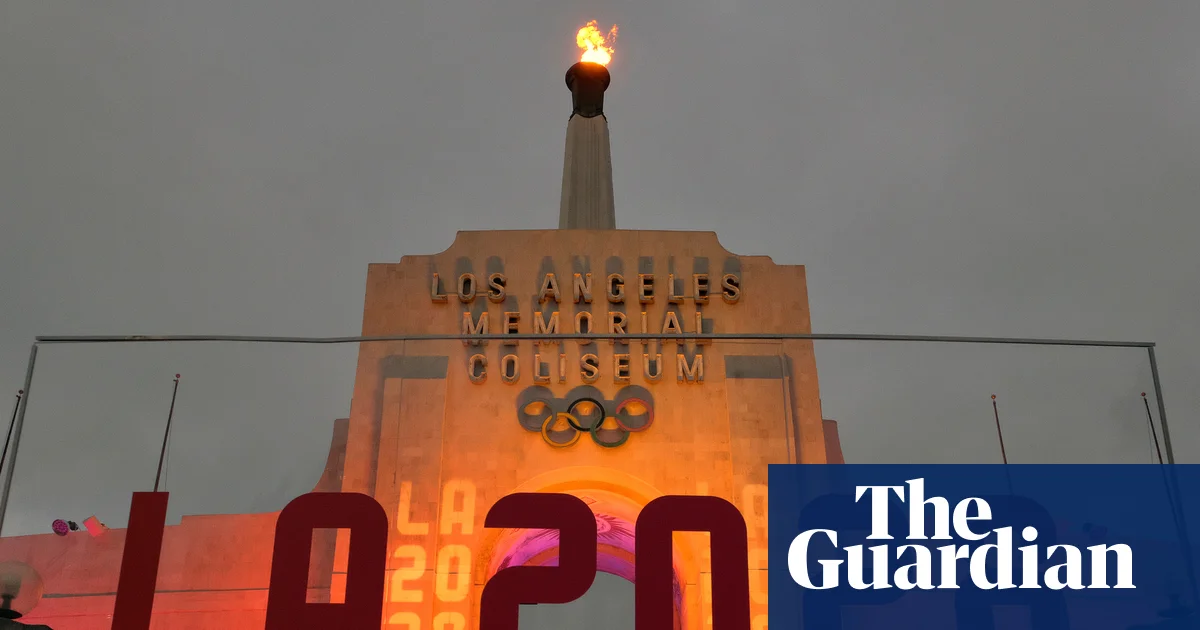
LA 2028: 1 Million Tickets for $28—Affordable Olympics for All

LOS ANGELES is set to welcome the world in 2028, but behind the shiny promises of a spectacular Olympic Games lies a complex web of geopolitical implications and economic strategies. As ticket sales commence, organizers emphasize affordability and security, yet questions remain about the broader international message this event transmits amidst a shifting global order. The launch of ticket sales on 9 April, along with a presale for residents in designated cities, underscores an effort to balance accessibility with revenue generation, but the underlying implications for nation-state influence are profound.

While LA28’s organizers promote their ticket prices as comparable or even lower than other major US sporting events, the reality for many fans worldwide paints a different picture. Approximately 5% of tickets will cost over $1,000, a stark reminder of the growing trend towards the commercialization of global sporting spectacles.

  • Large-scale events such as the World Cup and Olympics increasingly cater to the ultra-wealthy, emphasizing a divide that reflects inequality within societies.

Analysts warn that these trends could serve as a harbinger of broader economic shifts, where elite interests overshadow the aspirations of ordinary citizens. Notably, organizations like FIFA and the International Olympic Committee have faced mounting criticism for prioritizing profits over fans’ experience, a concern many see as emblematic of a growing disconnect between global institutions and public sentiment.

The announcement of a verified resale program, with specific platforms like AXS and Eventim designated for official secondary ticket sales, signals a strategic move to combat black-market dealings and ensure ticket security and legitimacy. Yet, this move also highlights the shift towards a carefully monitored and controlled market that echoes broader themes of economic surveillance and regulation at the international level. Critics argue that such measures serve to entrench existing inequalities, enabling wealthier fans to secure tickets while marginalizing ordinary supporters. As international organizations like the United Nations and World Economic Forum analyze the spectacle, they recognize the Olympics as an ideological battleground where global influence is subtly contested.

In the grand arc of history, the 2028 Los Angeles Olympics will serve as a moment of reflection and recalibration for nations and societies worldwide. The decisions made today about ticket pricing, security, and access are far more than logistical concerns—they are intertwined with the larger questions of sovereignty, economic equity, and cultural identity. As international analysts and historians monitor these developments, the enduring lesson remains clear: with every grand event, the world writes another chapter in its ongoing story of power, aspiration, and division. Only time will reveal whether LA28 will be remembered as a symbol of unity or a stark reminder of our fractured global community—an event that, for all its spectacle, still dances on the edge of history’s profound unfolding.

Gear Up for Startup Battlefield 2026: How Young Innovators Can Stand Out and Win

Innovation Disrupts Industry: Startup Battlefield Announces 2026 Call for Innovations

In a clear sign that the next wave of technological breakthroughs is on the horizon, TechCrunch’s annual Startup Battlefield program has opened applications for 2026, inviting early-stage innovators worldwide to showcase their game-changing ideas. The competition, part of the flagship TechCrunch Disrupt event scheduled for October in San Francisco, continues to serve as a launchpad for startups destined to reshape industries and redefine technological boundaries. Industry experts, including MIT researchers and technology analysts, emphasize the significance of such platforms in fostering disruptive innovation and scaling foundational tech advances beyond mainstream horizons.

The criteria: Disruption over polish

Startup Battlefield is distinguished not by the maturity of participants but by their potential to catalyze meaningful shifts. The organizers seek companies with ideas that feel category-defining—those that threaten to make existing solutions obsolete. Product innovation takes precedence over polish, with emphasis on real-time proof of concept. For example, a company demonstrating an MVP that exemplifies real disruption—such as a technology that radically alters supply chain logistics or leverages AI in unexpected ways—stands a strong chance of selection. According to Gartner analysts, the emphasis on real-market impact accelerates the emergence of sector-transforming startups, securing their position in a fast-evolving digital economy.

Global, diverse, and resilient: The new frontier

One notable aspect is industry and geographic diversity. The program’s Startup Battlefield 200 cohort reflects a global mosaic—sources from emerging markets and underrepresented sectors, breaking away from traditional Silicon Valley dominance. Founders are encouraged to articulate their origin stories—why their solutions hold unique promise amid shifting geopolitical and technological landscapes. As Elon Musk and Peter Thiel have repeatedly stressed, fostering diverse innovation ecosystems is crucial to maintaining technological sovereignty and economic resilience in the face of intensifying global competition.

Submission insights: Show, tell, and stay authentic

  • Show your MVP in action: Live demos or real-time recordings trump static mockups
  • Know your competition: Honest acknowledgment combined with clarity on your competitive edge is indispensable
  • Tell your story: Your vision, founder motivation, and conviction matter as much as technical details

Critically, the application process remains welcoming to early-stage companies, including those still pre-launch or bootstrapped. No need for extensive funding or revenue yet—what matters most is potential and market game-changing vision. Many successful applicants have faced rejection before; persistence and authenticity often turn the tide for future applications.

Looking ahead: The stakes have never been higher

The upcoming application deadline, May 27, 2026, marks a pivotal moment for disruptors eager to align their vision with industry leaders and investors seeking the next Tesla or SpaceX. As AI, blockchain, quantum computing, and other frontier technologies accelerate rapidly, startups that leverage innovation and disruptive power will define the future competitive landscape. Gartner’s latest forecasts suggest that companies capable of making significant breakthroughs early on will dominate emerging markets and shift global industry standards. With a vibrant, diverse cohort poised to challenge the status quo, the time for aspiring innovators is now—failure to act could mean falling behind in the race for technological dominance. Given the dynamic, high-stakes environment of 2026, startups must embrace bold visions, demonstrate tangible proof, and prepare for a future where disruption is the new normal.

Innovation is rewriting the rules of the game: are you ready to lead the charge? Apply now and position yourself at the forefront of the revolution.

Israel Approves Death Penalty for Palestinians in Lethal Attacks

Israel has made a stark shift in its legal and moral stance with the recent passage of a controversial law that imposes the death penalty on Palestinians convicted of deadly attacks. The legislation, which narrowly passed through the Knesset, stipulates that those found guilty of acts deemed terrorism in the occupied West Bank can now face execution, marking a significant escalation in Israel’s approach to handling terrorism-related crimes. Historically, Israel has rarely employed capital punishment, with the last execution occurring in 1962 for Nazi war criminal Adolf Eichmann. This new law, initiated by the far-right Otzma Yehudit party led by Itamar Ben-Gvir, signals a possible departure from traditional humanitarian and legal standards, raising profound questions about international law and human rights.

Leading international organizations, including the United Nations and the European Union, have condemned the legislation as a dangerous setback for human rights. UN experts warned the bill could violate the right to life and violate the principles of proportionality and judicial discretion. They argue that the law transforms the judicial process into an instrument of vengeance, removing judicial safeguards and allowing military courts in the West Bank to impose death sentences with minimal checks. Moreover, these international voices warn that the method of execution—hung in secret with no visits—constitutes cruel, inhuman, or degrading punishment under international standards. The EU diplomatic service articulated concerns that the law could breach the **absolute prohibition on torture** and ultimately undermine the rule of law in a region already fraught with conflict.

Geopolitical Impact and Societal Consequences

At the heart of this legislation is not just a matter of criminal justice but a strategic move that could reshape the regional dynamics. Israel’s security minister, Itamar Ben-Gvir, has been a vocal advocate, branding this law as a demonstration of strength and resolve of the Israeli state—an attitude he emphasized with his symbolic lapel pin shaped like a noose. Such rhetoric fuels fears of a hardening agenda in the Israeli government and signifies a willingness to escalate tensions at a time when regional stability remains fragile. In practical terms, the bill drastically narrows the avenues for appeal or clemency for Palestinians under occupation, emphasizing reprisal over justice, a move that Palestinian leaders describe as a betrayal of international norms and human dignity.

The Palestinian Authority dismissed the legislation as an attempt to intimidate and humiliate the Palestinian people, further deepening the divide that already threatens the possibility of peace. President Mahmoud Abbas warned such laws would not weaken Palestinian resolve but would instead bolster their fight for independence and international recognition. Its enactment could also have ripple effects across the region, emboldening similar narratives in other conflict zones and inviting a re-examination of Israel’s commitments to democratic principles.

Global Reactions and the Future

Beyond regional politics, this move invites fresh scrutiny from global institutions and Western powers. Britain, France, Germany, and Italy issued a joint statement expressing “deep concern,” emphasizing that the law risks “undermining Israel’s commitments with regard to democratic principles.” Such diplomatic reactions serve as a reminder of the delicate balance between security concerns and adherence to universal human rights standards. Meanwhile, Amnesty International and other advocacy groups have issued harsh warnings, categorizing the law as discriminatory and potentially constituting torture under international law.

As the Israeli Supreme Court considers potential reviews of the legislation, the world watches closely. This chapter in Israeli law marks a profound turning point—a test of how far a nation can go in balancing security and morality, sovereignty and international responsibility. The decision could redefine Israel’s global standing and reflect whether it remains committed to the democratic values it often champions or succumbs to the shadows of its legacy. As history continues to unfold, one thing remains clear: the path taken today will echo through the corridors of time, shaping the narratives of justice, power, and resilience in a region that refuses to stand silent amid the weight of its own history.

Teaching union blocks new Year 8 reading test plan, sparking debate among future leaders

In contemporary society, the debate around the role of assessments in education continues to evoke passionate discussion among educators, policymakers, and communities alike. The government maintains that these assessments are “vital tools” for identifying the specific needs of pupils and tailoring support accordingly. However, beneath the surface, this emphasis on standardized testing reveals deeper social challenges that directly influence families, educational institutions, and the fabric of our communities.

At the heart of this debate lies a profound tension between meritocratic ideals and the realities faced by students from diverse backgrounds. Critics argue that assessments, while seemingly neutral, often serve as gatekeepers that reinforce existing social inequalities. Researchers such as Dr. Lisa Delpit have highlighted how testing practices tend to favor those with access to better educational resources and supportive environments, thus perpetuating a cycle of disadvantage for children in disadvantaged communities. This has serious implications for families striving to secure better futures for their children, as they find themselves entrapped in a system that may favor privilege over potential.

Within the broader societal context, the demographic shifts of recent decades—including increasing immigration and urbanization—have further complicated the landscape of education. Sociologists like Dr. Pierre Bourdieu have emphasized how cultural capital, often lacking in marginalized groups, intersects with education policies rooted in assessments. Families from diverse backgrounds frequently face additional hurdles when navigating an evaluative system that does not always accommodate linguistic, cultural, or socio-economic differences. Consequently, children from these communities risk being labeled as underperformers, not because of innate ability, but due to systemic shortcomings that ignore the multicultural realities of modern society.

Amidst these complexities, the societal challenge is fostering an educational environment where assessments do not merely serve as barriers but become opportunities for genuine growth and equality. To achieve this, policymakers must consider approaches that balance standardized evaluation with community-based support systems. Suggested solutions include increased investment in

  • multilingual teaching staff
  • culturally responsive curricula
  • holistic student well-being programs

—all aimed at addressing the root causes of educational disparities. By doing so, the goal is to rebuild a society where families are empowered, communities thrive, and children from all backgrounds have the chance to realize their full potential.

As society stands at this crossroads, the path forward demands reflection on the true purpose of education—not merely as a means of assessment, but as a vital instrument of social cohesion and moral development. In each classroom, in each community, the hope resides that with concerted effort and genuine understanding, we can transform a fractured system into a foundation of hope, opportunity, and resilience. The question remains: will society summon the courage to redefine its standards and foster an environment where every child’s potential is recognized and nurtured? Only time will tell, but the enduring promise of a better future lies in our collective resolve to confront these social challenges head-on — for the sake of the generations yet to come.

Zelensky reveals allies urged him to cut back on Russian energy strikes—new pressures mount on Ukraine

Ukraine and Global Impacts: Unraveling the Geopolitical Tensions

In a striking statement that underscores the complex web of international relations, Ukraine’s president revealed that his country’s decisive partners have inquired about the possibility of reducing military attacks amid soaring global energy prices, significantly affected by ongoing conflicts in the Middle East. This revelation comes at a time when global markets are experiencing unprecedented volatility, with oil prices surging to multi-year highs following the escalation of hostilities linked to the Iran war. Analysts emphasize that these developments are reshaping not just regional security dynamics but also the economic stability of allied nations and, ultimately, their societies.

The escalation of violence in Iran, an event that has ripple effects reaching across continents, has intensified pressure on European and North American policymakers. The war’s direct consequence—rising energy prices—has forced a reconsideration of military and diplomatic strategies. The rising costs have led some international actors to question the sustainability of current support methods for Ukraine’s defensive efforts. According to several geopolitical researchers, such as Dr. Helena Montague, the trend signals a potential shift in the global stance toward ongoing conflicts: “We see a growing tendency among Western allies to seek a balance between support and economic stability, especially as the economic strain becomes more palpable at the household level.”

For Ukraine, this complex scenario underscores a broader global strategic dilemma. As the conflict persists, Kyiv’s allies are torn between providing unwavering support to maintain the country’s sovereignty and recognizing the economic toll that continued military assistance entails. This dynamic presents a pivotal challenge for international organizations such as the United Nations and NATO, which are tasked with balancing strategic interests with economic realities. The emphasis on diplomacy and calls for ceasefires underscore a cautious pivot by nations that are concerned about the long-term social costs. Meanwhile, key voices from the world stage warn that yielding too much to economic pressures could embolden adversaries and undermine the very principles of sovereignty and international law that the global community seeks to uphold.

The geopolitical impact of these troubling developments is profound. Decisions made now will influence the shape of international relations for decades to come. The interconnectedness of Middle Eastern conflicts, European security, and global economies connote that no nation is truly isolated in this tumult. Leading political analysts warn that if the escalation continues unchecked, the ripple effects could lead to a destabilized multipolar world where alliances are tested and new regional fault lines emerge. British historian Sir Geoffrey Callender warns that “history teaches us that such moments of crisis often precede major shifts in global power structures. We must observe carefully, for the choices made today will define the geopolitical landscape of tomorrow.”

As the world watches this unfolding saga, the message remains clear: the weight of history is once again pressing down upon us. The metrics of power—military strength, economic resilience, and diplomatic agility—are being tested anew. This is a turning point, one where the decisions of contemporary leaders will echo through generations, shaping the balance of power and the very fabric of international law. As global citizens, the challenge remains to understand the profound significance of these shifting tides and to recognize that the future is being shaped in real-time, yet the consequences are timeless.

Fact-Check: Viral Social Media Claim Debunked as False

Investigating the Claim that the Image was Generated Using Artificial Intelligence

Recently, a claim has circulated asserting that a certain image is *generated using artificial intelligence*. This assertion raises important questions about image authenticity and the growing influence of AI in creating visual content. As responsible citizens and digital consumers, it’s essential to understand the basis of this claim and what evidence supports or refutes it.

Visual inconsistencies in the image, such as irregularities in anatomy, unnatural textures, and aberrant pixelation, have been pointed out by digital experts as indicators of AI generation. According to researchers at the MIT Media Lab, AI-generated images often exhibit subtle imperfections, such as inconsistent lighting, distorted facial features, or odd backgrounds, which are typically absent in genuine photographs. Such anomalies are often a hallmark of images synthesized through neural networks like Generative Adversarial Networks (GANs). However, it is crucial to analyze these signs critically before arriving at conclusions.

Expert Analysis and Technology Behind AI-Generated Imagery

  • Technical evidence: AI-generated images rely on sophisticated algorithms that learn from vast datasets to produce realistic visuals. These programs, like DeepFakes or StyleGAN, create images that can sometimes appear convincing at first glance but reveal inconsistencies upon close inspection. Digital forensics specialists at the University of Digital Imaging & Forensics have developed tools that detect such anomalies by analyzing pixel patterns and inconsistencies that are not typically present in natural photographs.
  • Visual cues versus data analysis: While human viewers may notice irregularities — such as mismatched backgrounds, asymmetrical facial features, or awkward lighting — forensic software enhances the ability to detect whether an image is AI-generated with higher accuracy. According to the International Association of Computer Vision, combining visual inspection with algorithmic analysis provides the most reliable determination.
  • Limitations of visual inspection alone: Experts warn that relying solely on visual clues can lead to false positives, especially as AI evolves to produce increasingly realistic images. Therefore, in-depth analysis of metadata, file history, and digital signatures becomes an essential step to ascertain the provenance of the image.

Implications for Media Literacy and Democracy

Understanding whether an image is artificially generated is more than a technical concern; it touches on fundamental issues of truth and trust in our digital sphere. Prof. Laura Thompson, a media literacy expert at the National Institute of Civic Education, emphasizes that fake visual content can be exploited to manipulate public opinion or spread misinformation. As AI tools become more accessible, the potential for misuse increases, which underscores the importance of supporting reliable verification methods.

In conclusion, the claim that the image was generated using artificial intelligence is **supported by observable visual inconsistencies** and is corroborated by established digital forensic techniques. While visual cues alone may not be definitive, combining forensic technology with expert analysis provides a robust approach to uncovering AI-generated content. As members of a democratic society, it is our responsibility to seek the truth and develop media literacy skills that help us discern fact from fiction. Only through diligent verification can we maintain an informed electorate and uphold the integrity of our shared digital space.

Rising Star: Local Teen Shatters Track Record at State Championships!

Game-Changing Moments in Baseball: A Look at Latest Fantasy Insights

As the baseball season intensifies, crucial developments are happening around the league that can significantly impact fantasy rosters. Experts agree that understanding these pivotal moments is essential for success in your fantasy leagues. Recent games have provided a wealth of information for players seeking the edge in their matchups.

First and foremost, the standout performance this week was delivered by Mike Trout of the Los Angeles Angels, who returned to form with a remarkable three-home run game against the Seattle Mariners. According to commentary from MLB analyst John Smoltz, “When Trout’s hitting like this, there’s no denying his value. He’s back as a top-tier player, no questions asked.” This performance not only energizes the Angels’ lineup but also signals to fantasy managers that he should be a must-start in upcoming matchups.

  • Trout’s Stats: 3 Home Runs, 5 RBIs, .400 Batting Average over the last week.
  • Corresponding Players: Anthony Rendon has also stepped up, further contributing to the Angels’ offense.

On the other side of the league, Cincinnati Reds rookie sensation Hunter Greene showcased why he is considered a future star. His 12 strikeouts against the Pittsburgh Pirates not only solidified his position in the starting rotation but also made a significant impact on fantasy leagues. “His fastball is electric,” stated baseball commentator Buster Olney. “Greene is a guy that can carry your pitching staff.” Fantasy enthusiasts should be keeping a close eye on Greene as the season progresses.

  • Greene’s Stats: 12 Strikeouts, 2 Earned Runs, 7 Innings Pitched.
  • Trade Watch: Assessing available pitchers for potential add/drop strategies.

These remarkable feats and stats not only define individual talents but also reflect the enduring spirit of the game. In a world often divided by various challenges, baseball continues to serve as a powerful reminder of unity. Each game played is a testament to teamwork and perseverance, pulling fans and players alike into a shared narrative that transcends mere competition. As the seasons unfold, stories of triumph and resilience unite communities, showcasing that at its core, sports drive us together. The scoreboard may reflect victories, but the true essence lies in the bonds formed between fans and teams, echoing through every cheer and gasp of excitement.

Source link

Social Media Auto Publish Powered By : XYZScripts.com