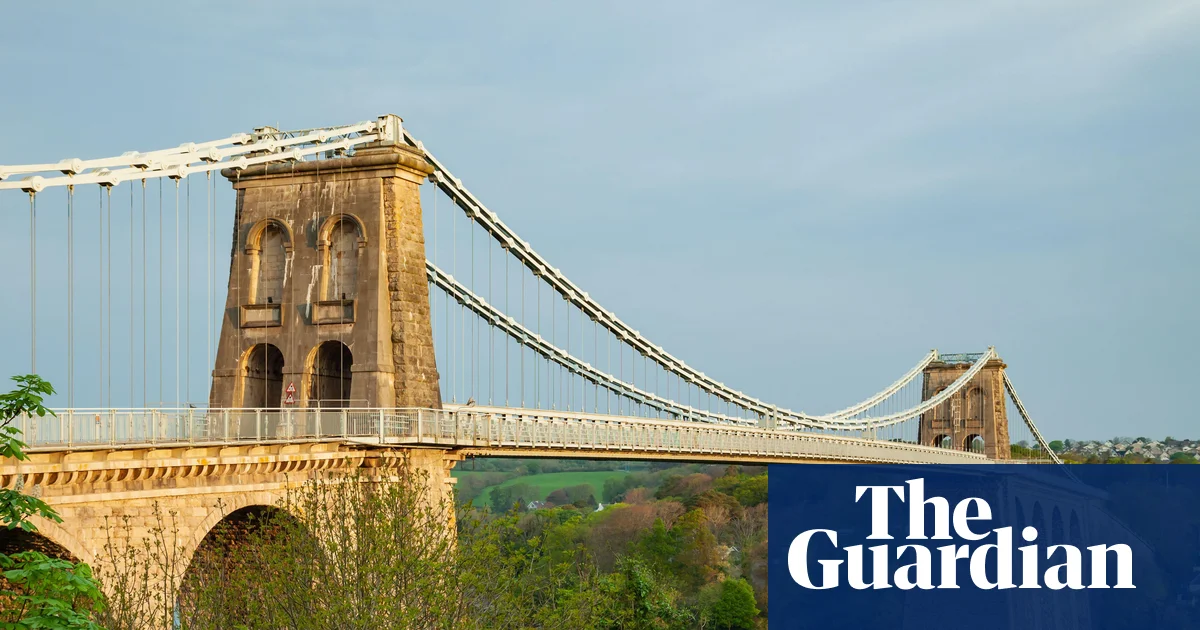
As Britain marks the 200th anniversary of the Menai Bridge, it becomes clear that this historic marvel of engineering is more than just a physical structure—it embodies a pivotal era in geopolitical development and infrastructure innovation. Designed by the legendary Thomas Telford, the bridge revolutionized communication and trade links between Great Britain and Ireland. The celebration underscores the lasting influence of the bridge, which for two centuries has stood as a symbol of British ingenuity and resilience, despite ongoing structural challenges.
- Constructed between 1819 and 1826 at a cost of British innovation, the Menai Bridge was the world’s first major suspension bridge, showcasing Telford’s mastery and setting a precedent for future global civil engineering projects.
- Its completion marked the last piece in the London-Holyhead route, drastically reducing travel times and enhancing safety at a time when Ireland was increasingly integrated into economic and political life of the United Kingdom.
- The bridge’s design incorporated meticulous measurement techniques—feats that engineers today highlight as pioneering—such as the use of hundreds of uniform iron cables with adjustable links, a process still admired by *international engineering communities*.
Yet, the age of the Menai Bridge has not come without strife. In recent years, safety concerns have surfaced amid reports of structural defects that threaten to impede vital traffic flow. The Welsh government announced additional repairs, with completion now scheduled for next February. Such decisions reflect a broader geopolitical dilemma: how to preserve Britain’s historical infrastructure amidst economic constraints and modern safety standards. Analysts warn that neglecting these structures could jeopardize not only local transport but also national prestige, as they are often perceived as symbols of a nation’s industrial might and cultural legacy. Historians, like Dr. Eleanor Smith, emphasize that “the ongoing effort to maintain Telford’s engineering masterpiece is a reminder that Britain’s infrastructure is a living heritage — one which must be actively protected to sustain its long-term influence.”
In the context of rising international tensions and shifting alliances, the maintenance of such iconic projects holds profound geopolitical significance. As European and global powers face new challenges—be it economic instability or strategic competition—the importance of resilient infrastructure becomes ever more pronounced. How nations choose to invest in and preserve their key symbols of progress directly affects societal stability and international perception. Meanwhile, the celebration of the bicentenary—featuring plaques, talks, and community events—serves as a reminder that history is continually being written. With experts optimistic about the bridge’s future, some argue that if properly cared for, it could endure for another two centuries—standing firm amidst a rapidly changing world.
Ultimately, the story of the Menai Bridge is a chapter in the ongoing narrative of human achievement and national identity. As the structures of the past face modern pressures, the saga of their preservation underscores a universal truth: the forces shaping our world are not only found in geopolitics or economics but are also embodied in the enduring symbols of our collective history. As we look toward an uncertain future, the looming question remains—will we honor this heritage and safeguard the bridges that connect us? Or will neglect consign them to the annals of history, leaving a generation to wonder about the legacy of bygone eras? The answer lies in how today’s decisions will echo through the ages, forging the path that future generations will follow—and perhaps, how they will look back at the resilience of structures like the Menai Bridge as monuments of societal perseverance and national pride.