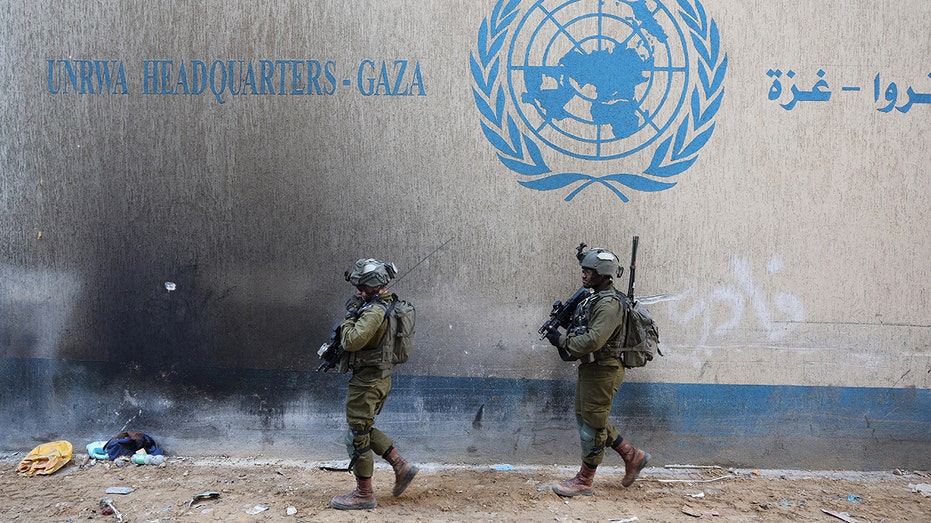
The Israeli navy has once again demonstrated its firm stance on maintaining its naval blockade around Gaza, intercepting multiple vessels part of the Global Sumud Flotilla (GSF) attempting to deliver humanitarian aid. The incident, which saw the Israeli military detain activists including prominent international figures such as Greta Thunberg, underscores the increasingly tense and complex geopolitical landscape surrounding the ongoing Israeli-Palestinian conflict. According to the Israeli Foreign Ministry, the flotilla was “safely stopped” while approaching what they describe as an “active combat zone,” asserting that the vessels violated a *lawful naval blockade* meant to prevent supplies from reaching Hamas-controlled Gaza.
Global reactions to the interception have been sharply divided along ideological lines, with Israel asserting that it is acting to prevent aid from falling into militant hands, while critics see it as a deliberate attempt to starve Gaza’s population. The Israelis have branded the flotilla as a “provocation,” with officials claiming that multiple ships, including the prominent vessel Alma, were successfully boarded and detained. On social media, the GSF described the action as “illegal” and “a brazen act of desperation,” citing the incident as evidence of the “extreme lengths” Israel will go to maintain its siege, which, as human rights organizations attest, has caused severe famine and suffering in Gaza. This ongoing struggle highlights the geopolitical impact of aid restrictions, with many analysts warning that such incidents risk fueling further instability in the region.
Among the detained was the internationally recognized climate activist Greta Thunberg, whose presence on the vessel drew widespread media attention. Critics argue that her involvement represents broader international protest against what they perceive as unjustified Israeli blockades, while Israeli officials dismiss such claims, framing their actions within the context of national security. The controversy extends beyond mere humanitarian concerns, touching on issues of international law, sovereignty, and the strategic interests of global powers. Countries like France and Italy have expressed cautious support for diplomatic and peaceful resolution, emphasizing safety and security protocols. Meanwhile, the UN has issued stark warnings; the UN’s humanitarian chief confirmed a famine crisis in Gaza, directly attributing the suffering to Israel’s “systematic obstruction” of aid—charges vehemently denied by Prime Minister Benjamin Netanyahu.
As the incident unfolds, the stakes are clear: this is not just a matter of aid or maritime law, but a defining chapter in the ongoing contest over regional influence, international legitimacy, and the future of a conflict that has shaped the geopolitical order for decades. History is watching, and the choices made in the coming days will echo through the corridors of power and beneath the sands of Gaza, leaving the world to grapple with the profound consequences of their unfolding. Time will reveal whether the tides will turn for diplomacy or if this will mark yet another chapter of conflict, with the weight of history grimly pressing down on all involved.