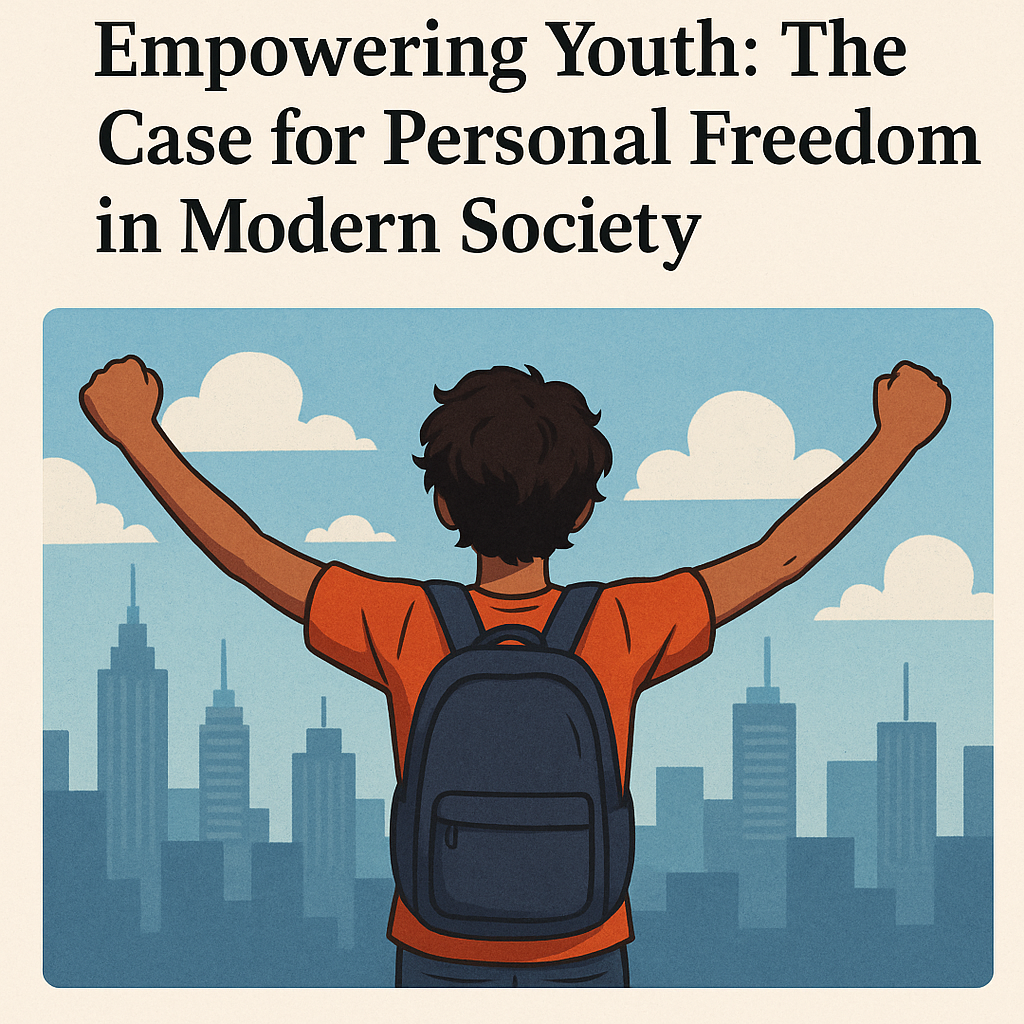
The concept of free markets often elicits robust debate, particularly regarding their implications for youth empowerment. Proponents argue that fostering free-market principles allows individuals, especially the younger generation, to harness economic opportunities, exercise personal agency, and drive innovation. As the complexities of the modern economy evolve, many suggest that empowering youth through free-market mechanisms can yield compelling benefits not only for individuals but also for society as a whole.
One of the most significant advantages of a free-market economy lies in the opportunities it presents for entrepreneurship. A youth that is equipped with the ability to start and grow businesses enjoys the chance to create jobs, solve societal issues, and contribute to economic development. According to the Global Entrepreneurship Monitor, young entrepreneurs are often more innovative than their older counterparts. In an unfettered market, young individuals can bring fresh ideas to the table, unbound by the traditional limitations of older market players. This empowerment through entrepreneurship is pivotal in fostering a culture of responsibility and self-sufficiency.
Furthermore, free markets tend to create an environment conducive to competition, which can lead to lower prices and improved quality of goods and services. For youth entering the job market or seeking specific products, this competitive landscape can enhance choices. Critics often argue that the free market exacerbates inequality; however, evidence shows that efficiency and innovation arising from competition can open pathways for disadvantaged youth to enhance their skills and access better opportunities. A more competitive market can serve as a democratizing force, allowing young people to break into industries that may have seemingly been off-limits.
Moreover, the advent of technology has been a game-changer in empowering youth through free markets. The digital economy functions largely on principles of free-market competitiveness, enabling young individuals to capitalize on their skills and creativity. Platforms such as Etsy and Teespring allow aspiring artists and designers to sell their products with relative ease. Remote work opportunities facilitated by gig economy platforms enable youth to gain experience and earn income while balancing education and other commitments. Such advancements showcase the powerful intersection of technology and free-market principles in empowering the next generation.
However, the question arises as to whether free markets alone can adequately address the systemic barriers faced by many young individuals. Critics point towards issues of economic disparity, student loan burdens, and the rising cost of living as significant obstacles. While free markets can provide opportunities, they must be coupled with supportive policies and education that foster adaptability and resilience among youth. This includes investing in educational programs that emphasize not just academic knowledge, but also practical skills that align with market demands.
With the growing recognition of mental health and well-being, it is crucial to understand that the empowerment derived from free markets should also consider the well-being of young individuals. A solely profit-driven approach could lead to burnout and dissatisfaction. Many argue that integrating corporate social responsibility into business models can provide a balanced framework that uplifts youth. Companies that prioritize mentorship, apprenticeships, and wellness initiatives can greatly enrich the free-market ecosystem by investing in the human capital that constitutes its future.
The argument for free markets as a vehicle for youth empowerment is particularly relevant in the context of global trends such as globalization and digital transformation. Young people today are adapting to rapid changes and competing with their peers worldwide. To navigate this landscape successfully, a strong foundation in free-market principles can equip them with the tools to thrive. It fosters not just a sense of agency but also a spirit of innovation and adaptability, essential traits for success in the 21st century.
In conclusion, while free markets are not a panacea for all challenges faced by young people, they represent a significant avenue for empowerment. By enabling entrepreneurship, enhancing competition, and leveraging technology, free markets can help foster a generation that is ready to tackle the complexities of a continuously evolving economy. When paired with thoughtful policies and an emphasis on workers’ well-being, free markets can create a fertile ground for the youth to not just envision their futures but actively shape them. For a forward-looking society, investing in the potential of youth through free markets holds the promise of a more dynamic and innovative future.