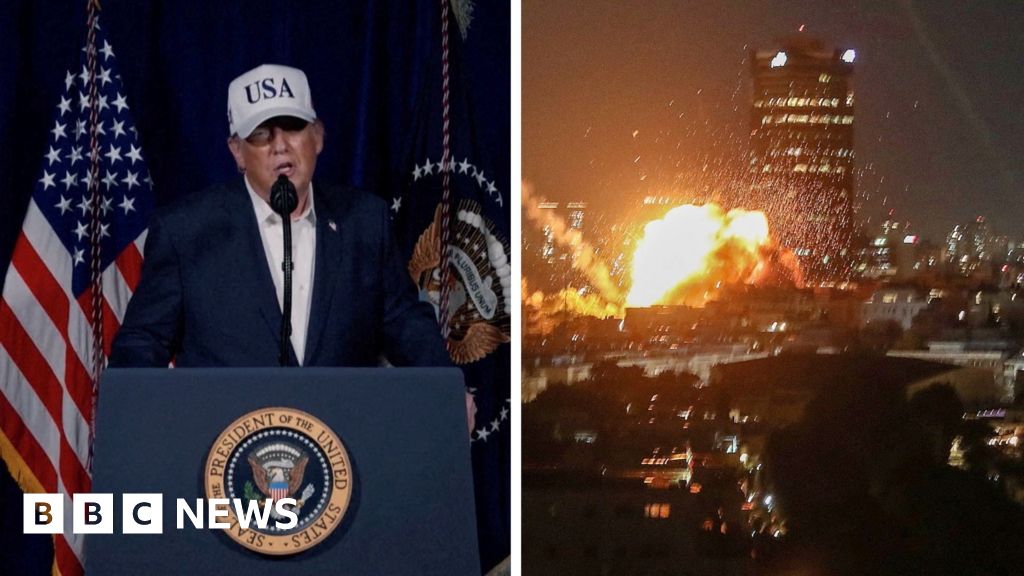
In a dramatic escalation of hostilities that threatens to reshape the
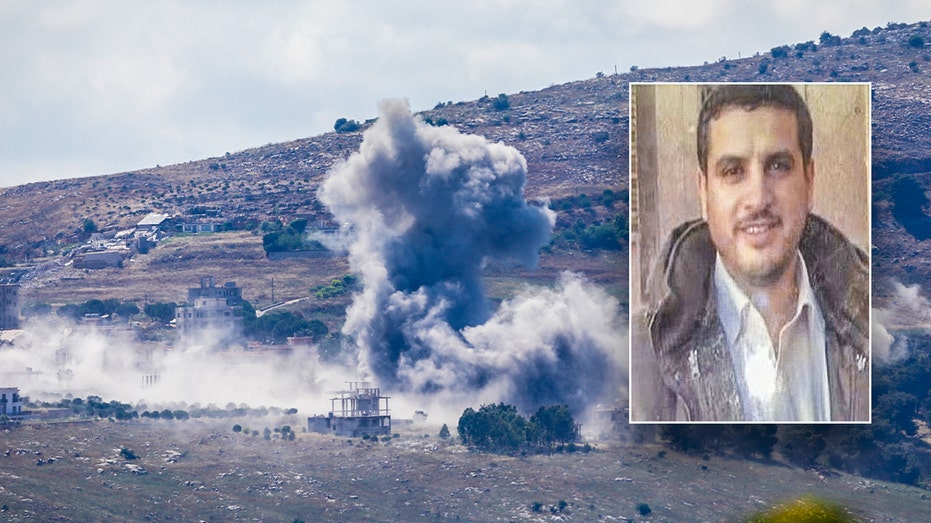
Adding to the gravity of the situation, Iranian state media confirmed the death of Supreme Leader Ayatollah Ali Khamenei, an event that, if verified, signals a drastic shift in Iran’s internal stability and its ability to project power regionally. The turning point here isn’t merely the loss of a spiritual leader but the destabilization of Iran’s entire political hierarchy, which could unroll into unpredictable consequences for global security. Historians like Robert D. Kaplan and regional analysts warn that such a high-profile assassination or targeted strike could ignite all-out regional wars, especially as Iran responds with retaliatory missile and drone attacks targeting Israel and four Gulf Arab nations: Bahrain, Kuwait, Qatar, and the UAE—countries that host U.S. military bases, and whose security is tightly integrated with American military posture in the Gulf.
The geopolitical impact of these events is profound. The attacks and the subsequent retaliations threaten to undermine years of cautious diplomacy in the Middle East and may draw in international actors and alliances previously hesitant to get involved. The Middle East is at a crossroads, with each decision echoing through the corridors of international institutions like the United Nations and the Security Council, which are already under pressure to respond meaningfully. Countries across the world are watching, with some facing the choice of backing American and Israeli actions or condemning what they perceive as reckless escalation. The implications stretch beyond regional borders: a broader conflict could destabilize global markets, trigger refugee crises, and ignite terrorist threats fueled by chaos and power vacuums.
As the dust begins to settle—and it may take years to fully understand the implications—the world is left on the precipice of a new chapter, one where the curtains of conventional diplomacy have been drawn back. Decision-makers and international stakeholders must now grapple with whether this marked the beginning of a new, more dangerous era or if cooler heads might yet prevail amidst the chaos. With each passing moment, history writes its uncertain narrative, and the weight of the unfolding crisis serves as a stark reminder: the Middle East remains the epicenter of geopolitical friction, where every action sparks a ripple through the fabric of global stability, with consequences that will be felt for generations.”