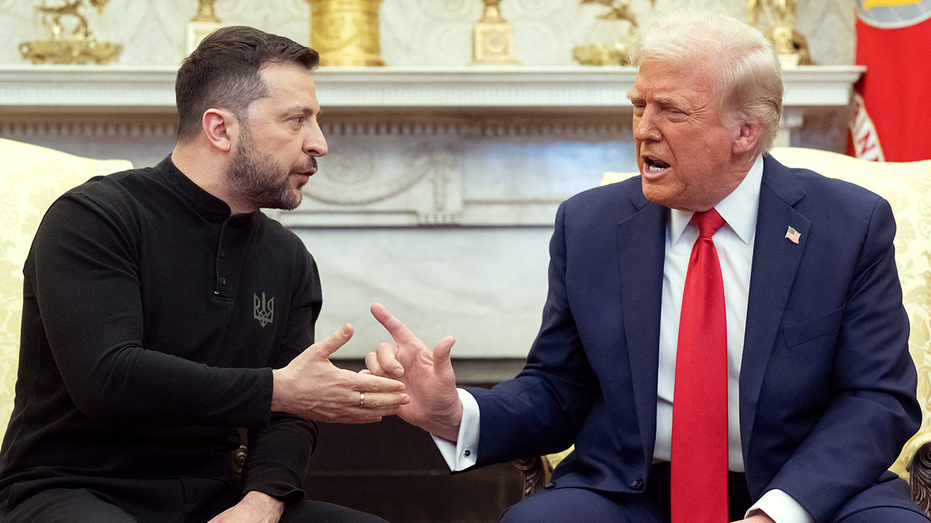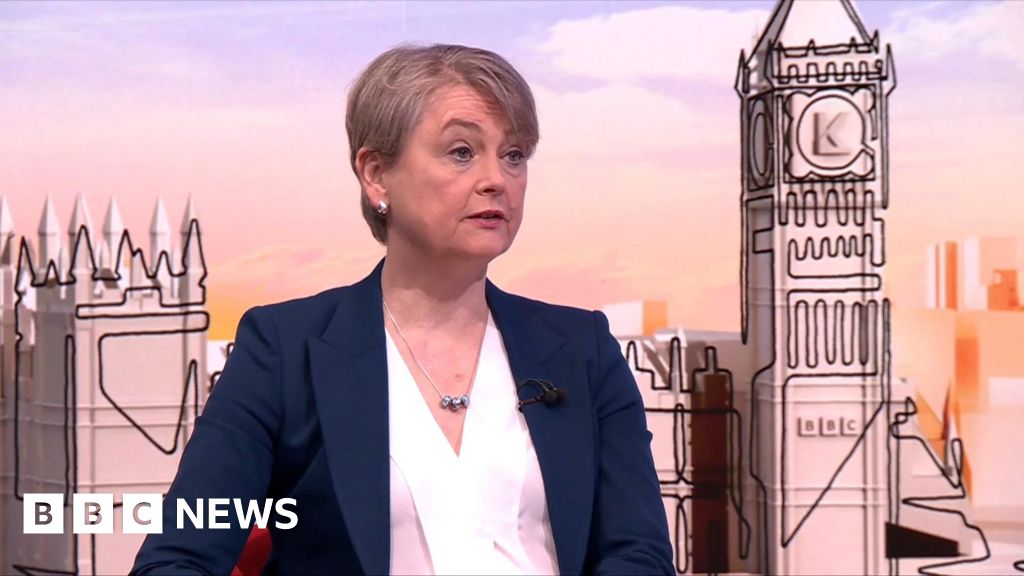
Foreign Secretary Yvette Cooper has publicly confronted President Donald Trump over his recent criticisms of the United Kingdom’s stance amidst escalating tensions in the Middle East. During an interview with Laura Kuenssberg, Cooper emphasized the importance of sovereignty and national decision-making, asserting, “It won’t surprise you that we don’t agree with President Trump on every issue.” This pointed rebuke underscores the ongoing divergence in strategic priorities between London and Washington as events in Iran continue to unfold.
The UK government’s approach, as articulated by Cooper, highlights a firm commitment to operate independently, prioritizing the UK’s national interests over aligning with US foreign policy. She further emphasized that it falls to the prime minister’s office to determine the most suitable course of action for Britain, especially in a volatile environment where regional stability is fragile. Meanwhile, President Trump issued a stark social media remark that appeared dismissive of any extensive UK military engagement in the region, declaring, “We don’t need people that join Wars after we’ve already won!” His comment signals a shifting US stance towards Middle Eastern conflicts, casting doubt on American commitment to traditional alliances.
The current tension reflects deeper, underlying shifts in geopolitical alignments, igniting debate among analysts and historians who see this as a pivotal moment in international relations. Many warn that the recent exchange signals a broader trend of waning US influence and a reassertion of independent foreign policies by traditional allies like the UK. According to policy experts, this could redefine NATO’s future, challenging the structure that has underpinned transatlantic security since WWII. Moreover, the decision to potentially bolster military presence in the Middle East demonstrates London’s intent to maintain strategic influence and protect economic and security interests amid rising regional volatility, especially with Iran’s unpredictable regime and its nuclear ambitions.
International organizations, including the United Nations, have issued cautious warnings about the dangerous escalation of regional conflicts, emphasizing the risk of a broader war. Several international analysts suggest that the decisions being made now may well determine the trajectory of global stability for decades. As nations recalibrate alliances, the geopolitical landscape grows increasingly fragile. The question remains whether these decisions will foster peace or plunge the region—and the world—more deeply into chaos, with historians noting that history often hinges on singular moments of choice amidst chaos. The coming weeks will prove decisive, etching this chapter into the annals of history, leaving future generations to ponder whether the currents of diplomacy and conflict can be steadied—or if they are destined to surge toward an unpredictable and turbulent future.