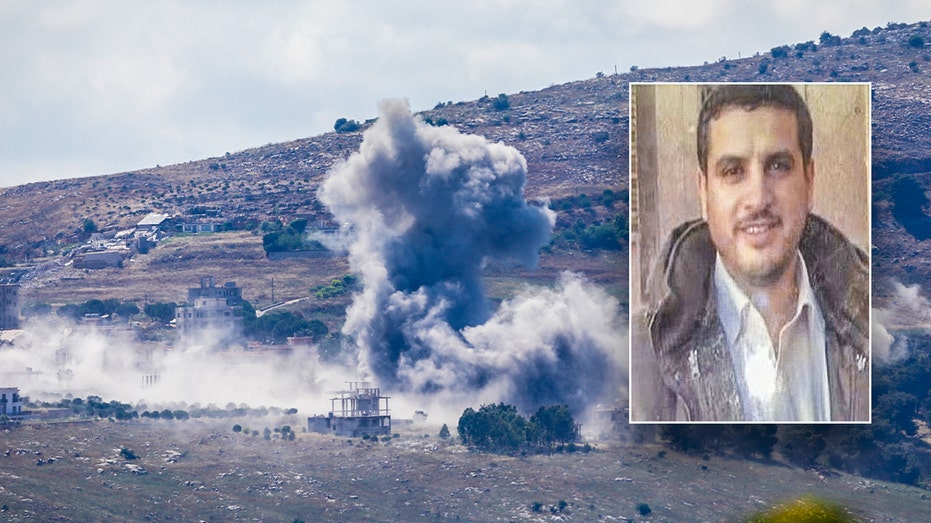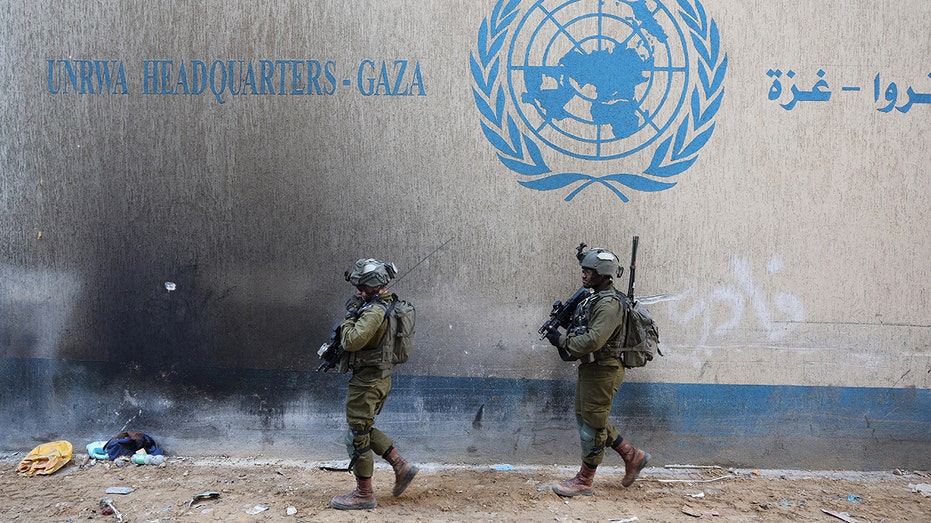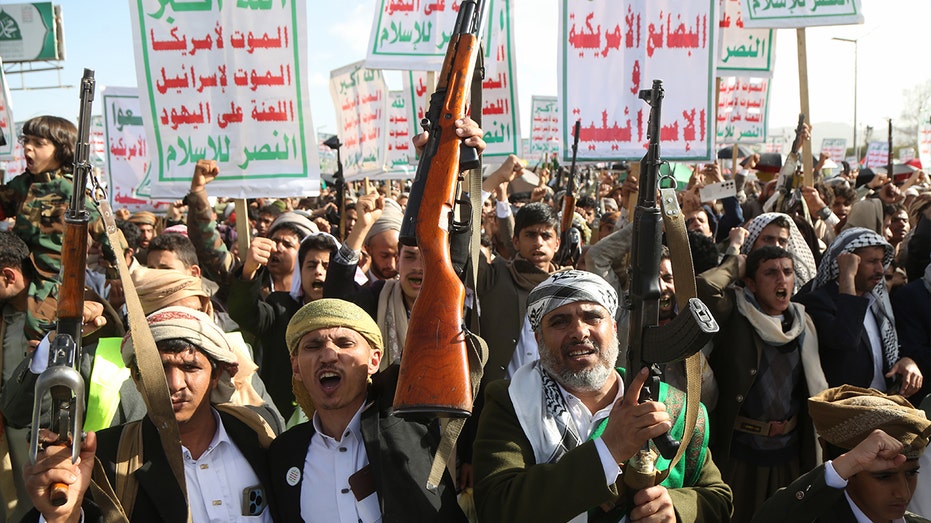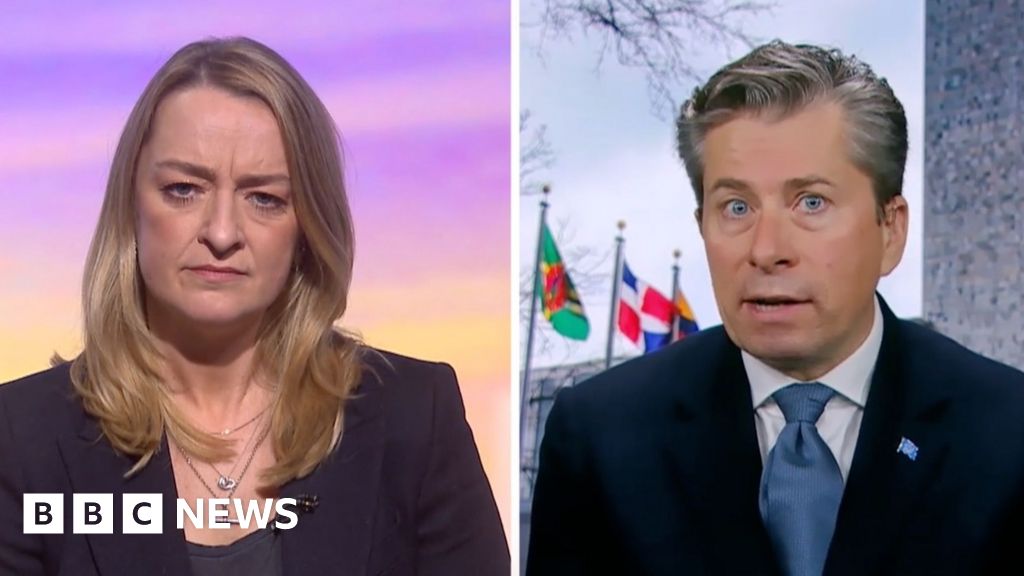
The ongoing conflict in Iran and its wider regional repercussions have reached a perilous tipping point, according to international humanitarian authorities. UN humanitarian chief Tom Fletcher issued a stark warning about the profound and escalating impact of violence on civilians living amidst the turmoil. His appraisal underscores a broader trend of increasing instability in a region historically fraught with geopolitical tensions, where the ripple effects are felt across borders, influencing global security dynamics.
The conflict’s secondary impacts are becoming increasingly alarming. Fletcher emphasized that the violence does more than just threaten immediate safety; it risks intensifying extremism and societal polarisation. This worsening climate of divisiveness could undermine regional stability for decades, with consequences that extend into international corridors of power. Security analysts, such as those from the International Crisis Group, highlight how such conflicts serve as fertile ground for extremist groups, potentially destabilizing entire nations and challenging the fabric of international order. Decisionmakers worldwide must carefully consider whether current strategies are sufficient to prevent a broader regional conflagration.
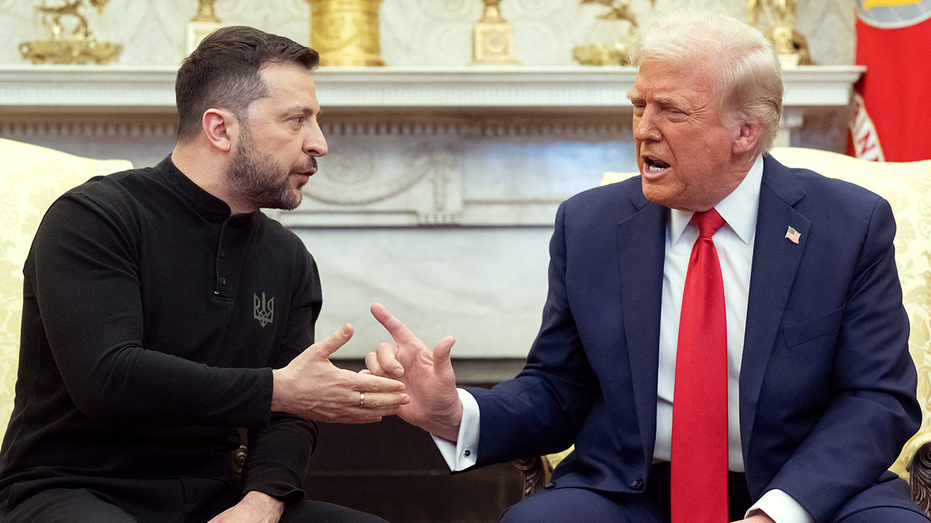
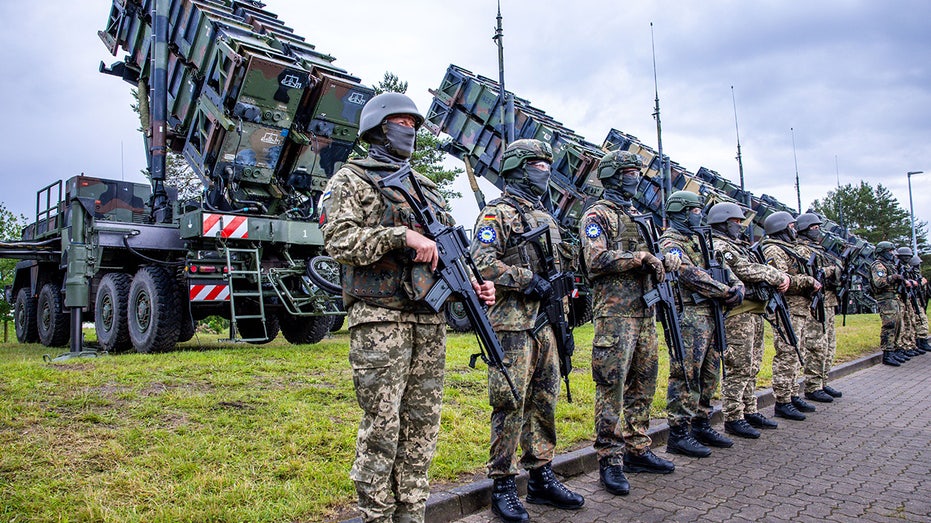
In recent weeks, Middle Eastern nations, and indeed the global community, have watched perilously as ceasefires falter and violence intensifies. Fletcher called on global leaders to “step back from the brink,” a plea underscored by the mounting humanitarian toll and the risk of further escalation. The conflict’s escalation may also redraw alliances, shaking up an already complex geopolitical landscape. Major powers, including the United States and Russia, are likely weighing their next moves, knowing that their choices could either contain or catalyze chaos. The international community faces a stark choice: promote diplomacy or confront the possibility of an even larger regional catastrophe.
Historian and geopolitical analysts argue that the window for peaceful resolution is narrowing rapidly. The shadow of Cold War rivalries in the Middle East has historically led to devastating interventions and proxy conflicts, leaving scars that define the modern era. As the conflict deepens, the United Nations and regional alliances grapple with how best to address the unfolding crisis. The delicate balance of diplomacy, sanctions, and military pressure appears increasingly strained, risking a scenario where the cause of peace is overshadowed by escalating violence. With every passing day, history may record this moment as a turning point—either as a missed opportunity for foresight or a tragic step toward irreparable chaos.
As the world looks on, standing at the crossroads of diplomacy and disaster, the weight of history presses down. The choices made today will echo across generations, shaping the future of the Middle East and global security itself. The question remains: how long before this fragile equilibrium shatters completely, and the continent is engulfed in a new, darker chapter of conflict?’