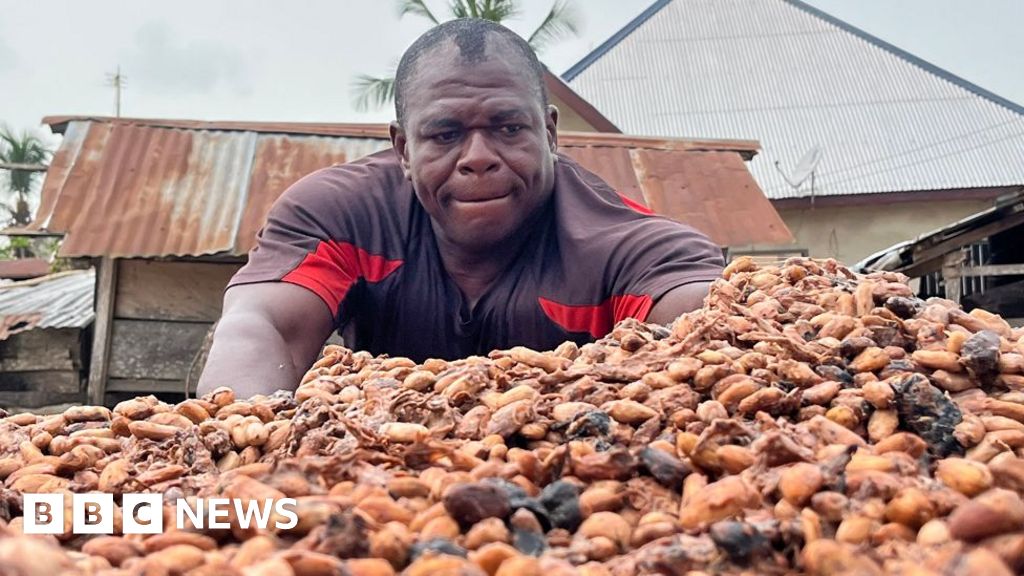
In a decisive move reflecting the shifting landscape of global trade and economic sovereignty, Ghana, one of the world’s leading cocoa producers, has announced a comprehensive set of measures aimed at revitalizing its vital agricultural sector. Historically, Ghana has relied heavily on exporting raw cocoa beans, which are then processed in foreign countries, generating substantial revenue for external economies rather than its own. Recognizing that the health of this sector is intrinsically linked to national wealth, the government’s new policies seek to process more of its cocoa domestically, rather than exporting raw beans for external processing. This strategic pivot underscores a broader trend among emerging nations aiming to maximize value addition and establish greater control over their resource-rich sectors.
This shift responds to both economic pressures and national ambitions, with officials emphasizing that increased local processing will enhance employment, technology transfer, and sustainable growth. The government’s plans include investing in local processing facilities and encouraging foreign investment through favorable policies. Such measures aim to reduce dependency on foreign industries and boost income from higher-value processed products, including chocolate and other derivatives. This approach also aligns with a burgeoning movement among resource-endowed African countries seeking to leverage their natural wealth for long-term economic independence. This move closely follows discussions among international analysts and economic historians who emphasize that resource value chain manipulation often dictates the geopolitical strength of resource-dependent nations. As Dr. John Williams, an economist at the International Monetary Fund, notes, “Countries that control the processing and value addition layers tend to wield greater geopolitical influence.”
However, the decision also signals a potential recalibration of regional and global power dynamics. By processing more domestically, Ghana is challenging established international trade patterns, especially those controlled by multinational corporations based in Europe and North America. Such a shift could disrupt existing supply chains and alter the flow of wealth within the global economy. It also sends a clear message to other resource-dependent nations: sovereignty over your natural assets translates into economic leverage and strategic resilience in an increasingly uncertain geopolitical landscape. Described by some analysts as a form of ‘economic patriotism,’ these policies could inspire further moves among African nations contemplating resource nationalism amidst swelling global tensions.
As history continues to unfold, the international community watches with bated breath. The move by Ghana is more than an economic policy; it is a bold statement on sovereignty and a challenge to the existing global order. With each step towards processing sovereignty, the nation cements its position on the world stage—yet, in the shadow of this burgeoning independence, new risks and rivalries loom. The tide of history is relentless, and as regional powers seek to emulate Ghana’s path, the outcome remains uncertain, leaving the world to ponder: who will control the resource riches of tomorrow, and at what cost to global stability? The story of Ghana’s cocoa revolution is only beginning, and its reverberations threaten to reshape the geopolitical map in ways yet unseen.