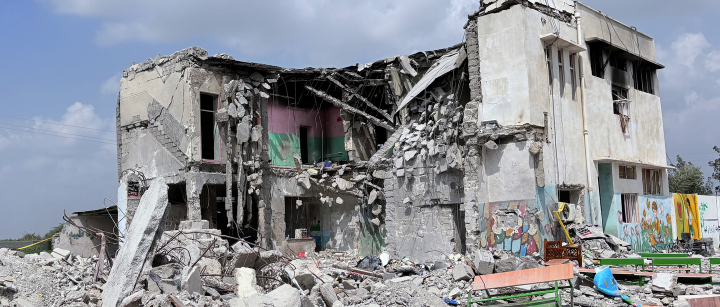
Investigating the U.S. Role in the Iran School Bombing
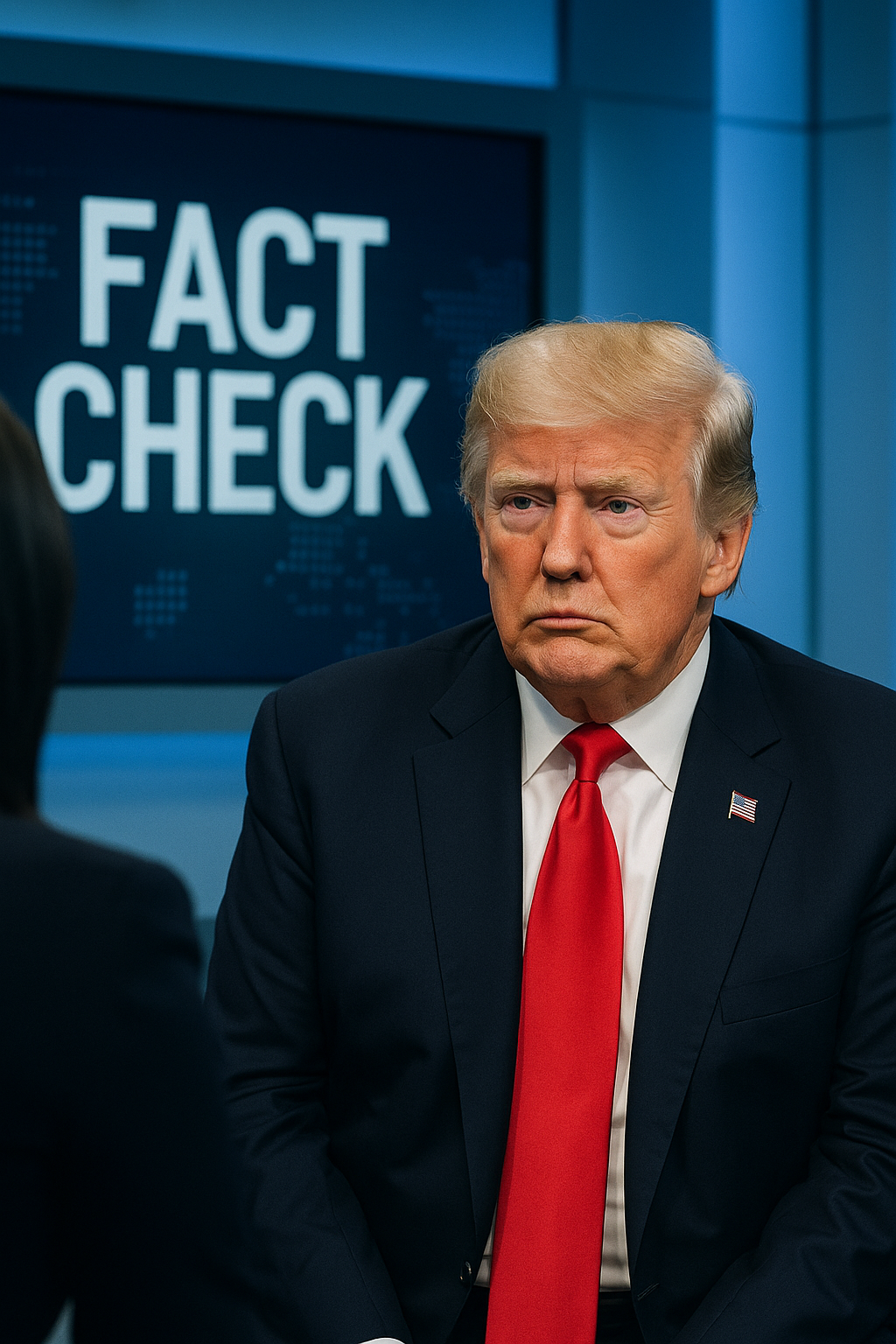
In the aftermath of the devastating bombing of a girls’ school in Iran, allegations and claims regarding responsibility have been a focal point in international discourse. President Donald Trump publicly asserted that “it was done by Iran”, citing what he described as inaccuracy in Iranian munitions. However, a detailed examination of available evidence and expert analyses paints a more complex picture, calling into question the accuracy of his assertion.
Initial reports indicated that the U.S. and Israel launched simultaneous airstrikes targeting Iranian military infrastructure, including areas in close proximity to the site of the school attack. Satellite imagery obtained by The New York Times showed multiple precision strikes, destroying at least six Revolutionary Guards facilities. A reported strike near a naval base — now believed to be inactive for over a decade — was also documented. This evidence suggests the strikes were part of a broader military operation rather than an isolated incident aimed solely at the school. Moreover, geolocation of missile debris confirmed the use of U.S.-developed Tomahawk missiles, long recognized as a hallmark of American naval combat arsenals, further complicating claims that Iran fired the missile responsible for the school’s destruction.
Assessing the Evidence for U.S. Responsibility
- Satellite images from Planet Labs and independent geolocation analysis verified that a missile, likely a Tomahawk, hit near the site, and the aftermath correlates with the timing of the U.S. military’s strike, not Iran’s missile launches.
- Experts like N.R. Jenzen-Jones, an arms specialist, underscored that fragments and residual debris need detailed forensic analysis—something that hasn’t been publicly conducted—before definitive attribution can be made.
- According to statements from U.S. military officials, the initial focus was on military targets in southern Iran, with no confirmed indication that the school was directly targeted. An Israeli official also indicated that Israel was not aware of an operation hitting that specific area, suggesting a correlation with U.S. actions rather than Israeli tactics.
- Contrary to Trump’s claim, experts from the Center for Strategic & International Studies (CSIS) confirmed that Iran does not possess Tomahawk missiles, which are exclusively used by the U.S. and a few allied nations. The lack of Iranian missile capabilities matching those involved further undermines the claim of Iranian responsibility.
Understanding the Broader Geopolitical Context
The narrative surrounding responsibility is complicated by intelligence limitations and the fog of war. As noted by CNN and other investigative outlets, no independent on-the-ground inspections have verified the missile remnants or provided conclusive evidence. Official U.S. investigations, as reported by Reuters, indicate that responsibility remains “likely” but not definitively proven, emphasizing the need for forensic analysis of missile debris, which remains unavailable to the public. Additionally, U.S. officials’ statements acknowledging the possibility that new evidence could emerge at any time highlight the tentative nature of current attributions.
Furthermore, President Trump’s repeated assertions that Iran could have the capability to fire Tomahawk missiles reflect a misunderstanding or misinformation, as defense experts confirm Iran’s missile inventory does not include these long-range weapons.
The Importance of Evidence for Responsible Citizenship
This investigation illustrates the importance of relying on verified evidence before assigning responsibility in military strikes. Jumping to conclusions based on partial information or unverified claims risks escalating conflicts and undermines the responsible exercise of democracy. Transparency, forensic analysis, and cautious interpretation are crucial for maintaining trust in government disclosures and ensuring accountability.
As history teaches us, truth remains the backbone of informed democratic debate. In an age where misinformation can swiftly escalate conflicts, discerning fact from fiction is not just an academic exercise—it’s a civic duty. Sound decision-making depends on clear, verified facts, especially when lives are at stake. For responsible citizens, understanding the complexities behind such events signifies more than just curiosity; it is a safeguard for peace and democracy itself.