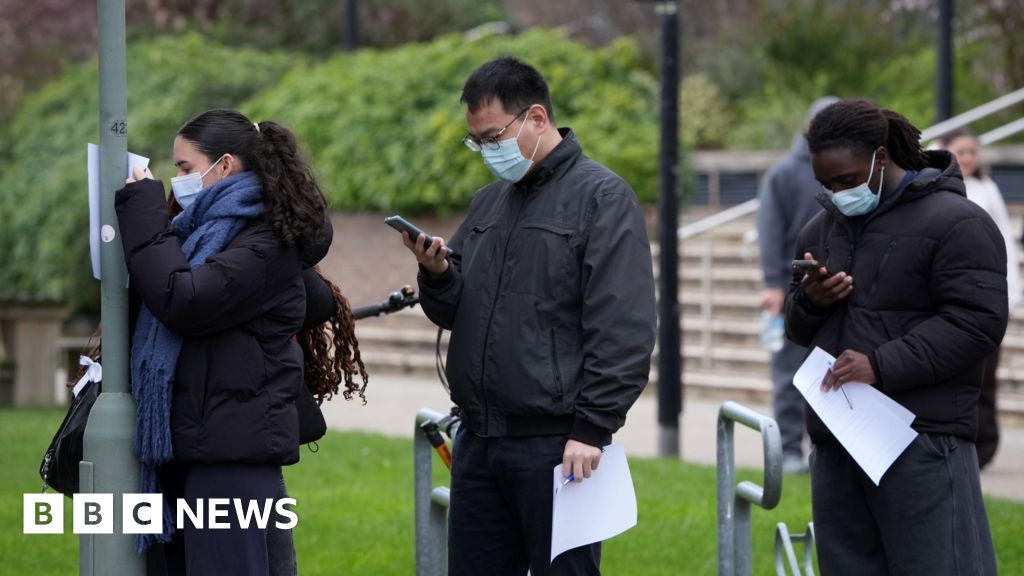
Public Health Crisis in Kent Sparks Broader Reflection on Society’s Preparedness
The recent confirmation of 15 cases of meningitis in Kent has cast a grim spotlight on the ongoing vulnerabilities within our public health infrastructure. This outbreak, which tragically resulted in the loss of two lives, underscores not only the immediate medical challenge but also the deep-seated societal issues that influence how communities respond to health crises. While infectious diseases remain a constant threat, the manner in which they interface with educational institutions, families, and local communities reveals much about the resilience and gaps within our social fabric.
The outbreak’s emergence in a region where young populations are typically the most vulnerable places the interplay between health and education systems at the forefront of concern. Schools, community centers, and youth groups serve as critical hubs of social interaction, but they also become potential vectors for communicable diseases if proactive measures are not universally enforced. According to sociologists like Dr. Emily Thomson, a researcher on public health and social equity, “When health disparities intersect with educational access, the societal fallout isn’t just medical—it’s fundamentally about the cohesion and future stability of our communities.” This reality emphasizes the importance of robust vaccination programs and targeted outreach to vulnerable demographics, particularly in areas where social tensions, socio-economic disparities, and resource limitations exacerbate existing vulnerabilities.
For families, the outbreak raises pressing concerns about the safety and well-being of children and elderly members. Many parents and guardians question the adequacy of local healthcare responses, fueling debates about governmental priorities and community responsibility. As historian David Ramirez notes, “Public health crises often act as a mirror, revealing the strengths and weaknesses of our societal commitments to collective welfare.” In marginalized neighborhoods, where access to healthcare can be unpredictable, outbreaks like this further widen existing social divides, challenging notions of fairness and shared civic duty.
Addressing such challenges demands a focus on sustainable solutions that go beyond immediate containment.
- Strengthening local healthcare infrastructure
- Implementing proactive vaccination and education campaigns
- Fostering community-led health initiatives
- Ensuring equitable access to medical services across socio-economic lines
The Kent meningitis case reminds society of the pressing need to reconnect health security with social justice. As social commentators argue, an unprepared and fragmented response not only endangers lives but also sows distrust and division within communities. To heal and build a resilient society, emphasis must be placed on unifying efforts that prioritize human dignity, shared responsibility, and preventive health measures. In the face of invisible epidemics and societal fissures, the hope for renewal lies in our collective ability to learn, adapt, and forge a future where crises no longer divide, but serve as catalysts for building stronger, more just communities.