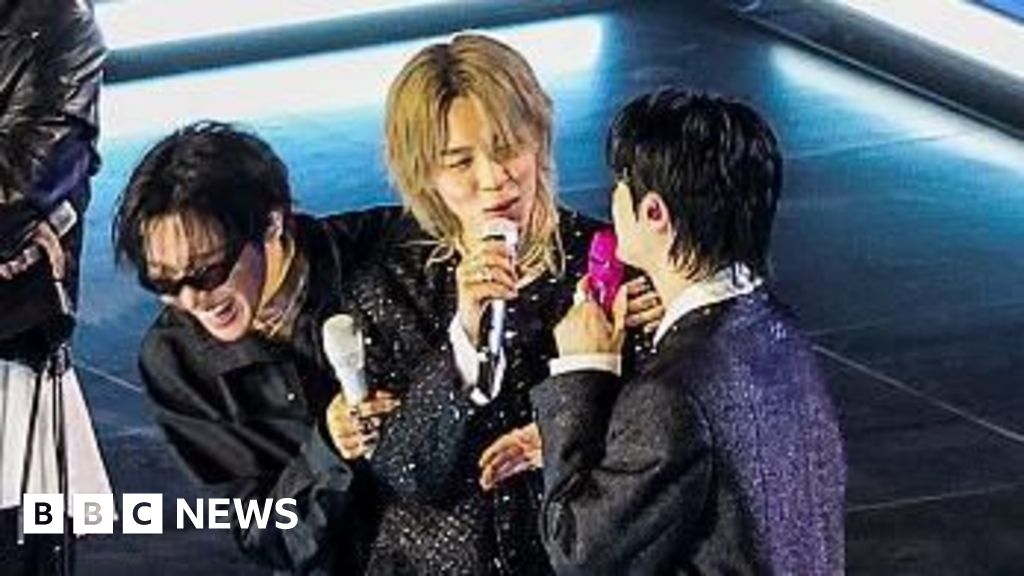
In a historic evening that has captured global attention, the members of BTS—RM, Jin, Suga, J-Hope, Jimin, V, and Jung Kook—delivered a rare performance together for the first time since October 2022. This reunion marks a significant event not only for fans worldwide but also within the broader context of international cultural diplomacy. As a symbol of transcultural influence, BTS’s collective performance underscores the sustained impact of South Korean pop culture on the global stage, reaffirming the country’s soft power amidst evolving geopolitical dynamics.
While the performance itself is celebrated as a milestone for fans and the entertainment industry, its broader implications are being analyzed by geopolitical analysts and cultural experts alike. The resurgence of BTS signals a strategic reinforcement of South Korea’s cultural diplomacy, aligning with the nation’s efforts to bolster its international standing and influence, especially amidst rising power tensions in the Indo-Pacific region. The group’s ability to unite despite their individual pursuits suggests a resilient cultural force that transcends geopolitical shifts, inspiring millions across borders and fostering a shared sense of identity among youth worldwide.
In addition to its cultural significance, the performance occurs at a critical juncture when international organizations and nations are recalibrating their alliances and policies. The United States strategically leverages pop culture as a form of diplomacy, strengthening ties with allies in Asia and beyond, while China and Japan observe the influence of South Korea’s cultural exports and their impact on regional unity. Meanwhile, North Korea remains silent, its silence speaking volumes to the ongoing tensions on the peninsula. According to analysts from the International Crisis Group, cultural figures like BTS serve as a “soft power” weapon that subtly shapes perceptions and allegiances, making their performances an unintentional yet powerful political act.
Historically, cultural diplomacy has played a pivotal role in shaping international relations. Experts like historian Dr. Anne Miller note that moments like this “serve as proof of how cultural exchanges can act as force multipliers for a nation’s influence, especially when traditional means—military or economic—reach their limits.” As the world witnesses this reunion, the implications extend beyond entertainment. It is a demonstration that the battle for global influence is increasingly fought through culture and ideology, not guns or tariffs alone. With every note and dance move, BTS exemplifies how youth can be the carriers of soft power in a sharply divided world—yet history’s current chapter remains unwritten, and the outcome uncertain. As nations watch nervously from afar, the true weight of this moment lies in how cultural symbols can stir old alliances, forge new ones, or threaten the fragile peace that sustains the modern world order.