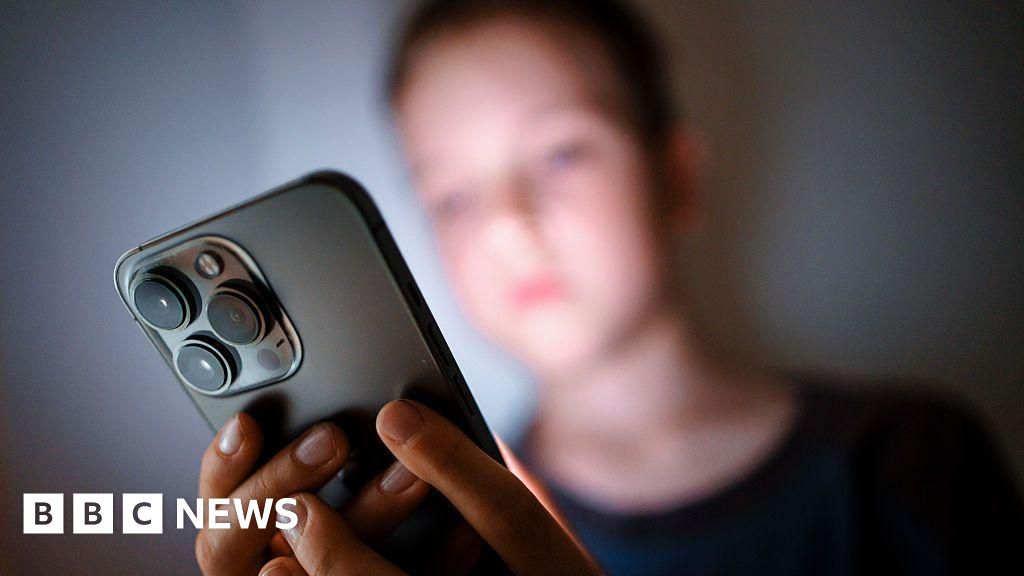
Society’s Evolving Approach to Children’s Technology and Its Impact on Families
In recent months, schools and local authorities across the UK are re-evaluating their stance on children’s use of smartphones, with some institutions implementing decisive measures aimed at protecting the wellbeing of young students. Northamptonshire’s Earls Barton Primary School has become an exemplar of this movement by banning smartphones entirely. According to co-head teacher Marie Lally, this initiative has resulted in students arriving at school calmer and more focused — an outcome banners of the harm caused by unmoderated device usage. Such local efforts reflect a broader societal shift as parents, educators, and policymakers grapple with the undeniable influence of social media and instant messaging platforms on impressionable minds.
Many social observers believe this trend signals a critical cultural reconsideration of childhood innocence and autonomy. As sociologist Neil Postman warned decades ago about technology’s potential to distort societal values, contemporary concerns have matured: children are increasingly exposed to unsolicited images, cyberbullying, and inappropriate content through unchecked mobile devices. As part of this moral awakening, the Smartphone Free Childhood movement advocates for delaying the introduction of smartphones until at least age 14, emphasizing that early exposure jeopardizes mental health and moral development.
The Impact on Families and Community Relations
The ripple effects of unchecked smartphone access are felt most acutely within families. Parents are often caught in a dilemma: balancing the convenience of being contactable with the moral responsibility of shielding children from harmful content. Katie Moore, a mother involved in Northampton’s initiative, describes her own experience of giving her child a smartphone and witnessing “more conflict” at home, as her daughter faced animated porn, teasing on WhatsApp, and other cyber dangers. Moore’s story highlights a pervasive societal challenge: parents are pressured to conform to peer expectations that equate smartphones with social status, even as evidence mounts regarding the risks involved.
Communities are responding by advocating stricter controls within schools and homes. Some suggest solutions such as requiring children to surrender devices upon arrival at school, use of only ‘brick phones’ with no internet, or outright bans on phones during school hours. These measures aim to restore a sense of safety and moral clarity within educational environments, emphasizing that protecting children’s innocence and mental health must take precedence over technological convenience. Meanwhile, local authorities like West Northamptonshire Council are weighing guidance policies that could lead to more comprehensive restrictions across schools, recognizing that current enforcement is limited, as noted by Reform UK education official Kathryn Shaw.
Societal Reflection and Toward a Brighter Future
As society stands at this crossroads, many social commentators argue that the core challenge extends beyond mere device management. It questions the cultural values that normalize early exposure to digital technology and the moral framework guiding parental decisions. Transformative change will require a collective effort to redefine childhood and societal priorities, emphasizing ethical guardianship, community engagement, and moral responsibility above fleeting trends. In this ongoing journey, families and communities hold the power, often through simple yet profound acts, to turn society’s horizon toward hope. Ultimately, society’s resilience will be tested not by the technology itself but by its ability to nurture young minds amidst rapid change — a testament to our enduring belief in the potential for moral and social renewal.