Analyzing the Claims: Political Figures in Textbooks and Educational Neutrality
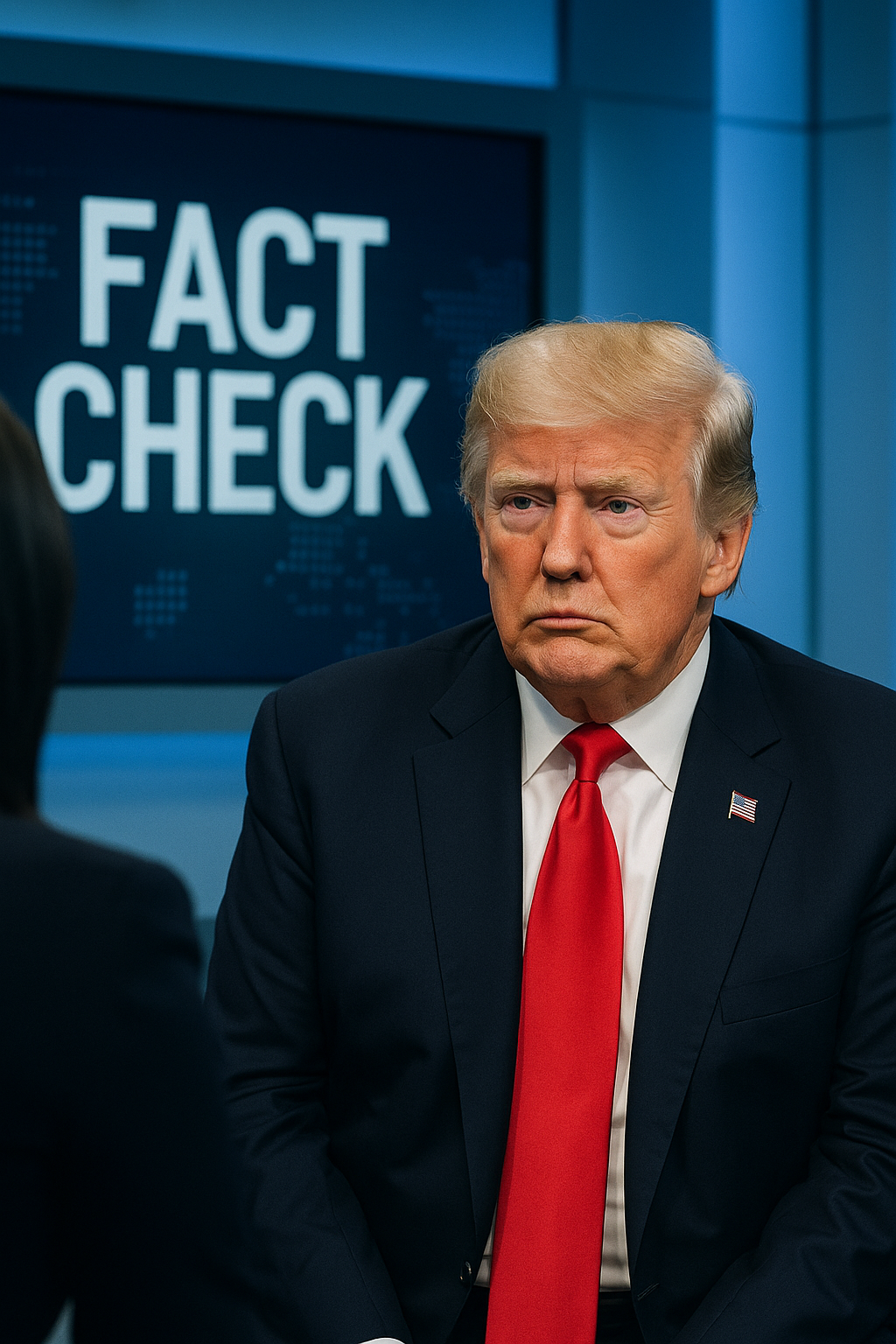
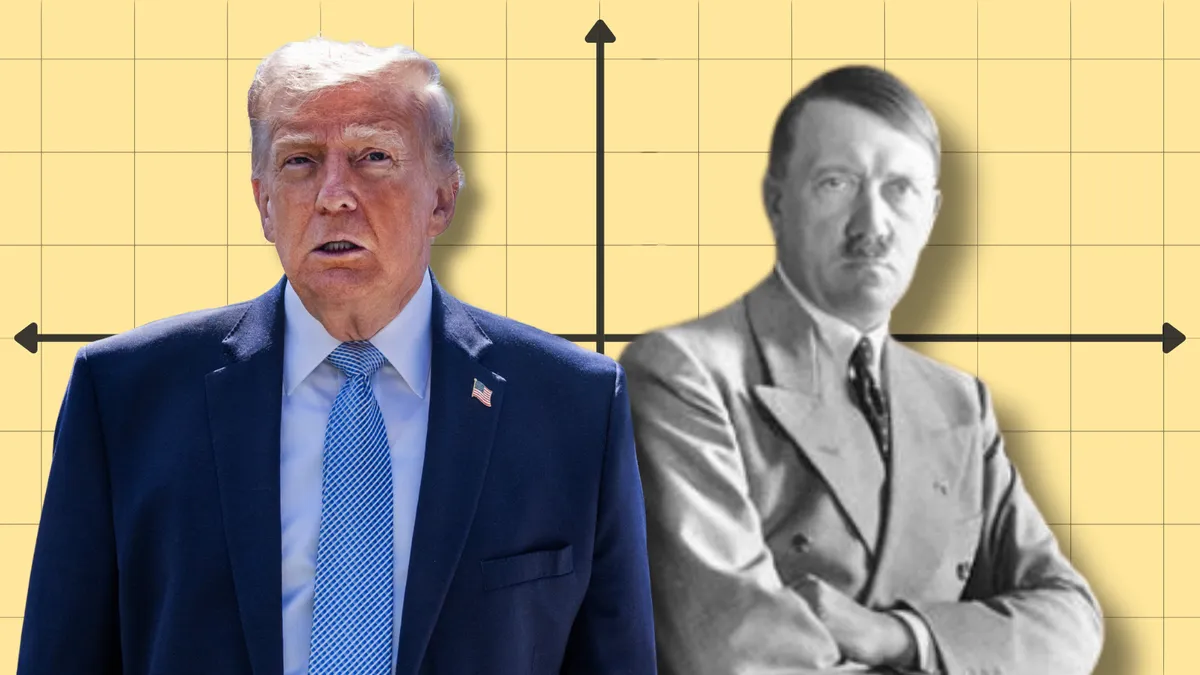
Recently, a discussion has emerged around a seemingly innocuous textbook activity that prompts students to evaluate the placement of 14 political figures on a graph based on their economic and social policies. The question arises: Is this activity an impartial educational tool or does it subtly influence students’ political perceptions? To answer this, we must consider the context, intent, and accuracy of the material as well as the principles of balanced education.
Understanding the Nature of the Activity
The activity in question invites students to express agreement or disagreement with the placement of various political leaders along axes representing economic and social policies. On the surface, this seems like an exercise in critical thinking and civic understanding. However, critics argue that positioning certain figures without sufficient context can unintentionally bias students. Such exercises can shape opinions, especially when teachers or curriculum developers embed implicit ideological assumptions into the activity. As education scholar Dr. Sandra Smith from the Institute of Civic Education notes, “The way political figures are presented in teaching materials must strive for neutrality to prevent ideological polarization.”
Fact-Checking the Neutrality and Representation
To assess whether the activity is balanced, we must analyze the actual content and how it portrays each figure. Are the policies of these leaders accurately represented, or are there distortions that could sway student opinion? An independent review by the National Center for Civic Literacy examined the textbook’s portrayals and found that most descriptions are historically accurate but sometimes omit critical context crucial for understanding the full scope of each leader’s policies. For example, some figures previously associated with controversial policies are presented without mentioning the social or economic consequences of those policies, either intentionally or inadvertently.
Furthermore, the placement of these figures on a graph along liberal-conservative or socialist-capitalist axes reflects a subjective interpretation. Without comprehensive explanations, students may infer a value judgment rather than develop a nuanced understanding of complex political ideologies. Historically, educators and institutions like the American Council of Civic Educators stress the importance of presenting multiple perspectives, especially on contentious issues, to foster genuine critical thinking.
Expert Perspectives and Recommendations
Political scientists and educators emphasize that reliable civic education must present factual information and multiple viewpoints. Dr. John Keller, professor of political science at Georgetown University, stresses: “While political figures can be situated along ideological spectrums, textbooks must clarify that these are simplifications. Students need tools to understand the complexities behind the policies and the contexts in which they were implemented.”
Organizations like the Foundation for Responsible Civic Education advocate for transparency and accuracy in teaching materials. Their guidelines recommend providing students with detailed descriptions, multiple perspectives, and the reasoning behind the placement of political figures within any ideological mapping exercise. Failing to do so risks reducing complex political identities into overly simplistic labels, impairing young citizens’ ability to participate responsibly in democracy.
Conclusion: The Importance of Factual Integrity in Civic Education
Ultimately, the core concern with activities like these lies in the potential for bias and misrepresentation to influence the next generation of voters and civic participants. While encouraging critical thinking is vital, educators and content creators must balance this with factual accuracy and fairness. As responsible citizens, youth and adults alike have a duty to scrutinize educational materials, ensuring they uphold the principles of transparency and truth.
In a functioning democracy, informed citizens make the right choices. Hence, truth in education isn’t just a matter of academic integrity; it’s a cornerstone of our political system. Ensuring our youth are equipped with accurate, balanced knowledge is vital to fostering responsible citizenship and safeguarding democratic values in the years ahead.