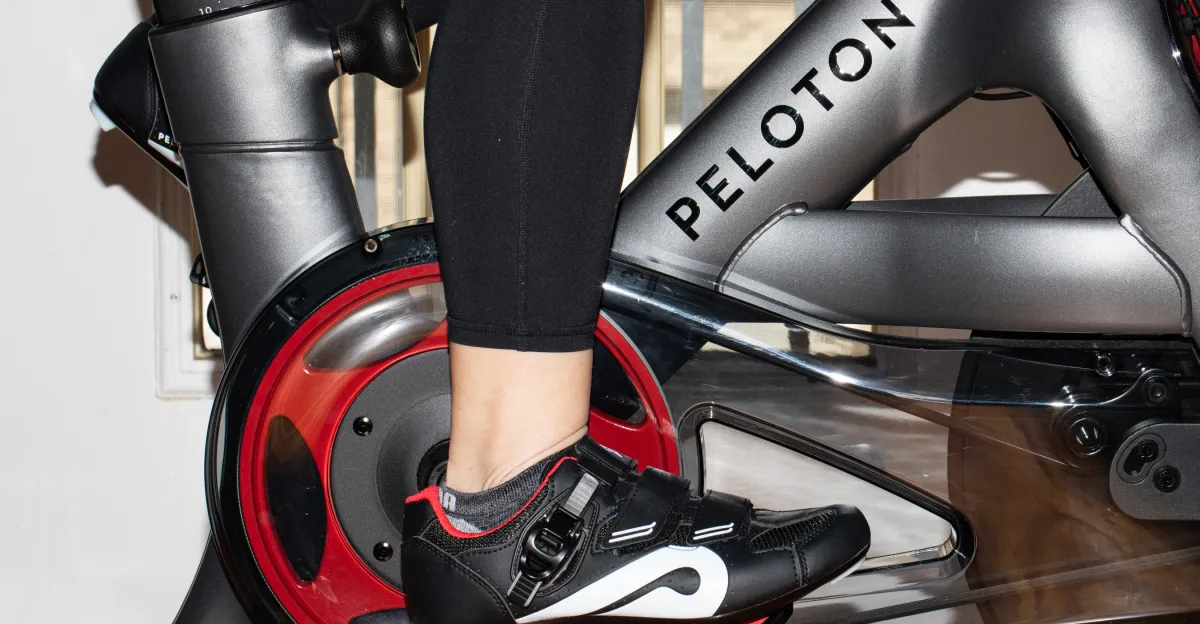
Peloton’s Reinvention: Innovation and Disruption Reshape the Fitness Industry
In a bold move indicative of industry disruption and strategic innovation, Peloton is shifting its business model under the leadership of Peter Stern, a former Apple executive known for pioneering features like Fitness Plus. This transition marks a pivotal moment for the $6,695 exercise equipment powerhouse, signaling a departure from its traditional home-focused hardware success to a broader focus on wellness.
Recent campaigns, notably featuring celebrity Hudson Williams, showcase a strategic rebranding away from the iconic Peloton bike, emphasizing diverse workouts in spacious gyms rather than sleek home apparatuses. This shift reflects a fundamental industry value: adaptability. According to Gartner analysts, such agility in product positioning serves as a critical differentiation in an increasingly crowded digital fitness market. Peloton’s pivot aligns with a broader trend—moving beyond mere equipment to integrate AI and personalized wellness solutions. However, their AI-driven features, including the much-hyped Peloton IQ, have so far underwhelmed, with users reporting disappointments in AI’s ability to deliver truly personalized plans, especially given the complexity and uniqueness of individual health needs.
The company’s strategy to expand into realms like strength, stress management, sleep, and nutrition suggests an attempt to disrupt traditional fitness paradigms by amalgamating multiple wellness dimensions into a single platform. According to MIT research, this integrated model could potentially serve as a benchmark for the entire industry, provided Peloton manages to execute its vision effectively. Yet, the skepticism remains: many experts believe that AI’s capacity to personalize health plans authentically at scale is still in its infancy. For example, early testing reflects a recurring pattern of generic, regurgitated advice, hardly the tailored solutions users demand. Such shortcomings threaten to stall Peloton’s disruption ambitions, underscoring an overarching industry warning: beware of hype cycles that detach product evolution from genuine user needs.
Looking ahead, Peloton’s renewed focus on partnerships beyond the home—collaborating with gyms and lifestyle brands—position it to challenge the entrenched gym conglomerates and wellness giants alike.
- Emphasis on treadmills over bikes, signaling a strategic diversification of core hardware products
- Implementation of AI features aimed at personalized coaching, yet currently limited in real-world effectiveness
- Expansion into health areas like nutrition and stress management—a move blending traditional fitness with holistic wellness
Industry analysts from institutions such as Gartner and MIT emphasize that Peloton’s innovation-driven disruption is a double-edged sword. Success hinges on executing these ambitious transformations with genuine technological breakthroughs, not just buzzwords. The firm’s history—marked by viral commercials and subsequent challenges—serves as a cautionary tale about the dangers of overreliance on hype without substantive product evolution. Nonetheless, the company’s strategic pivot signifies a {window of opportunity} for those willing to adapt fast, as the global wellness industry enters an era where AI, wearable tech, and integrated health solutions will define the new normal.
Ultimately, Peloton’s next chapters will determine whether it becomes a true wellness disruptor or just another victim of the hype cycle. As the industry stands on the cusp of radical change, one thing is clear: the race to redefine fitness and health is relentless, and those who innovate with purpose—and precision—will lead the future.