Chromebook Market Transforms with Budget-Friendly Innovation
The Chromebook segment is experiencing a wave of disruption driven by technological innovation and fierce price competition, challenging traditional notions of premium and budget computing. Notably, companies like Acer and Asus are redefining value by rolling out models that pack substantial performance yet maintain affordable prices—often below $200—and, in some cases, under $150. The advent of such budget-friendly yet reliable devices signals a burgeoning shift in the industry, driven by consumer demand for productivity on the go without breaking the bank.
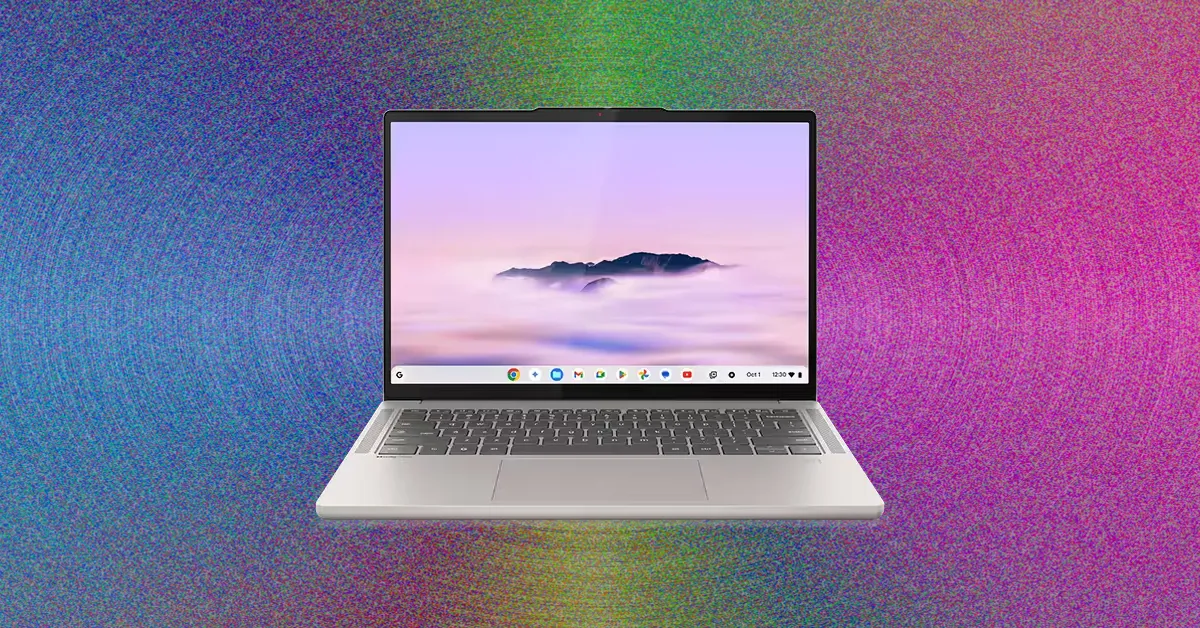
Among the standout innovations, the Acer Chromebook Plus 516 exemplifies a leap in usability, notably with a quality touchpad that enhances user experience—a feature often overlooked in this market segment. Equipped with an Intel Core i3 processor, 8 GB of RAM, and a 128 GB SSD, it offers a compelling value at around $350, fitting into the emerging “premium budget” category. However, where it truly disrupts is in combining performance and affordability, challenging entrenched brands that relied on higher prices for basic functionality. Conversely, Asus’s budget Chromebooks, particularly the CX14 and CX15, cater to an entirely different segment with configurations starting as low as $130. These models, despite their affordability, incorporate features like larger touchpads, streamlined chassis, and attractive colors—such as the striking blue of the CX15—indicating a conscious shift towards appealing design and usability across market tiers.
This wave of innovation isn’t solely about hardware. Industry giants like Gartner and forward-thinking entrepreneurs like Elon Musk and Peter Thiel are emphasizing the importance of disruption in hardware economics—with cheaper components and more efficient manufacturing processes. The impact extends beyond consumers; it influences business models, with cloud computing and AI-driven management tools enabling manufacturers to reduce costs further while massively scaling production. The industry is witnessing a broader industry shift towards democratizing access to high-performance laptops, barreling through the longstanding barriers of cost and design aesthetics.
Looking ahead, the terrain remains ripe for further innovation, as *faster chips*, *better displays*, and *more sustainable designs* emerge as key battlegrounds. Industry analysts like Gartner warn that failing to adapt quickly could see higher-end manufacturers lose ground to disruptors offering more bang for the buck. With consumer preferences pivoting rapidly towards versatile, affordable tech, companies willing to push the boundaries of innovation—be it through foldable screens, AI integration, or enhanced battery tech—will be the timekeepers of industry leadership. The push for disruption in the Chromebook market illustrates a broader trend: that in the race for technological supremacy, affordability and usability will define winners—and losers.
In an era marked by relentless innovation, the drive towards increasingly powerful yet affordable computing devices guarantees that the future belongs to those agile enough to anticipate market shifts. For tech companies, the key will be to harness emerging technologies faster than competitors while reimagining business models to sustain profit margins. As the market heats up with new entrants and groundbreaking features, the urgency to innovate has never been greater. Ultimately, the question remains: who will seize the opportunity to redefine the standard, and who will be left behind in the wake of this rapidly evolving landscape?