Matox News

Truth Over Trends, always!

Top Chromebooks of 2026: The Few That Stand Out from the Mediocre

Chromebook Market Transforms with Budget-Friendly Innovation

The Chromebook segment is experiencing a wave of disruption driven by technological innovation and fierce price competition, challenging traditional notions of premium and budget computing. Notably, companies like Acer and Asus are redefining value by rolling out models that pack substantial performance yet maintain affordable prices—often below $200—and, in some cases, under $150. The advent of such budget-friendly yet reliable devices signals a burgeoning shift in the industry, driven by consumer demand for productivity on the go without breaking the bank.

Among the standout innovations, the Acer Chromebook Plus 516 exemplifies a leap in usability, notably with a quality touchpad that enhances user experience—a feature often overlooked in this market segment. Equipped with an Intel Core i3 processor, 8 GB of RAM, and a 128 GB SSD, it offers a compelling value at around $350, fitting into the emerging “premium budget” category. However, where it truly disrupts is in combining performance and affordability, challenging entrenched brands that relied on higher prices for basic functionality. Conversely, Asus’s budget Chromebooks, particularly the CX14 and CX15, cater to an entirely different segment with configurations starting as low as $130. These models, despite their affordability, incorporate features like larger touchpads, streamlined chassis, and attractive colors—such as the striking blue of the CX15—indicating a conscious shift towards appealing design and usability across market tiers.

This wave of innovation isn’t solely about hardware. Industry giants like Gartner and forward-thinking entrepreneurs like Elon Musk and Peter Thiel are emphasizing the importance of disruption in hardware economics—with cheaper components and more efficient manufacturing processes. The impact extends beyond consumers; it influences business models, with cloud computing and AI-driven management tools enabling manufacturers to reduce costs further while massively scaling production. The industry is witnessing a broader industry shift towards democratizing access to high-performance laptops, barreling through the longstanding barriers of cost and design aesthetics.

Looking ahead, the terrain remains ripe for further innovation, as *faster chips*, *better displays*, and *more sustainable designs* emerge as key battlegrounds. Industry analysts like Gartner warn that failing to adapt quickly could see higher-end manufacturers lose ground to disruptors offering more bang for the buck. With consumer preferences pivoting rapidly towards versatile, affordable tech, companies willing to push the boundaries of innovation—be it through foldable screens, AI integration, or enhanced battery tech—will be the timekeepers of industry leadership. The push for disruption in the Chromebook market illustrates a broader trend: that in the race for technological supremacy, affordability and usability will define winners—and losers.

In an era marked by relentless innovation, the drive towards increasingly powerful yet affordable computing devices guarantees that the future belongs to those agile enough to anticipate market shifts. For tech companies, the key will be to harness emerging technologies faster than competitors while reimagining business models to sustain profit margins. As the market heats up with new entrants and groundbreaking features, the urgency to innovate has never been greater. Ultimately, the question remains: who will seize the opportunity to redefine the standard, and who will be left behind in the wake of this rapidly evolving landscape?

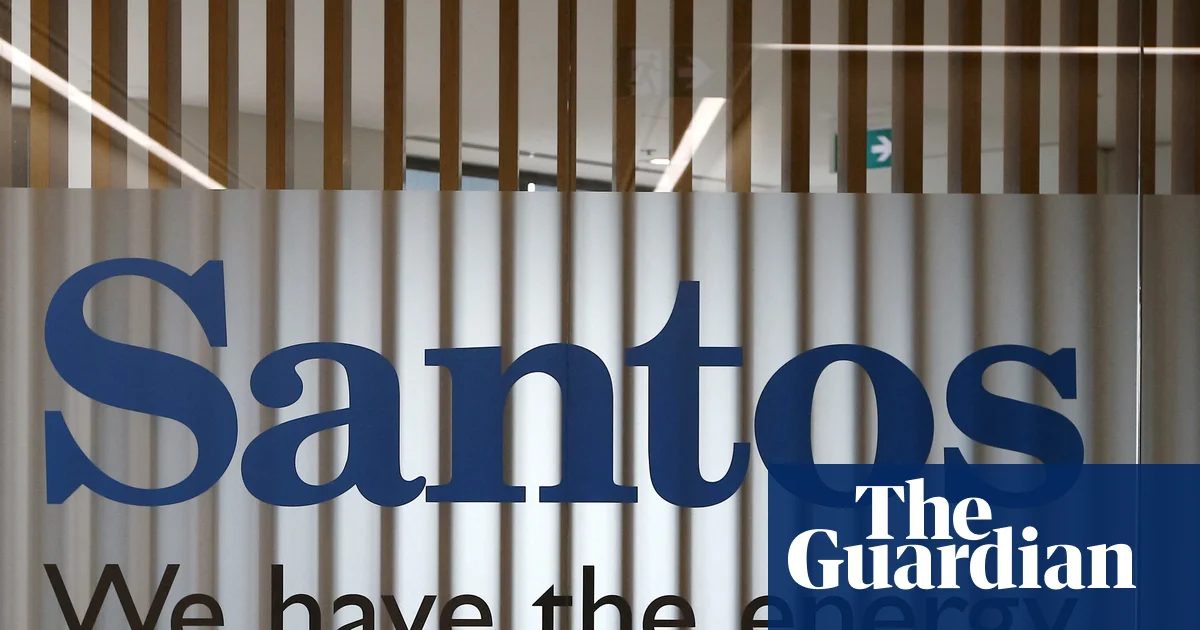
Adelaide Uni Considers Dropping Santos Name from Building to Stand Against Big Oil

Global institutions and nations are continually grappling with the complex interplay between economic development and environmental sustainability. Recent events from Australia’s top universities and regional politics showcase how local decisions often mirror larger geopolitical debates about resource management, indigenous rights, and cultural recognition. These decisions, though seemingly isolated, have far-reaching consequences that echo around the world, influencing how nations navigate the delicate balance of progress and preservation.

In South Australia, the debate over Santos, a major gas company engaged in expanding fossil fuel projects, highlights the ongoing struggle between corporate interests and environmental responsibility. As Adelaide University considers removing the Santos name from its engineering building—a move driven by student protests and conservationist campaigners—the wider international discourse on fossil fuels intensifies. Historians and environmental analysts warn that continued investment in natural gas without a clear transition plan endangers the global climate, jeopardizing the very societies that seek economic growth. This internal Australia controversy stands as a microcosm of global tensions, with some experts noting that such decisions shape the perceived legitimacy of corporate actors in national development narratives.

Meanwhile, the role of indigenous language and cultural recognition remains a hot-button issue, igniting heated debates on representation and respect. The incident where Cory Bernardi, a former One Nation politician, publicly mocked the Kaurna language by dismissing signs bearing traditional greetings, underscores how cultural misunderstandings and tribal sovereignty debates are playing out on a broader stage. International organizations like the UN have consistently emphasized that genuine respect for indigenous rights is crucial for social cohesion and peace. Yet, figures like Bernardi symbolize the persistent marginalization faced by indigenous communities, casting a shadow over Australia’s efforts to reconcile its colonial past with future unity.

The geopolitical impact of these regional issues is profound. The clash between resource exploitation and indigenous sovereignty has implications for regional stability, resource security, and international environmental commitments. As Australia continues to fluctuate in its approach to climate policies and cultural acknowledgment, global allies watch carefully. Competitive global markets and climate targets mean that such internal conflicts could influence international cooperation on environmental standards and trade agreements. Analysts argue that the way Australia navigates this internal tension will serve as a blueprint for other nations facing similar conflicts, especially in resource-rich regions like Africa, South America, and Southeast Asia.

As history unfolds, the decisions made today in Australia serve as stark reminders of the enduring struggle for progress that respects both environmental imperatives and cultural identities. With each protest and political controversy, the world witnesses the emergence of a new chapter in the fight for justice, sustainability, and sovereignty. The weight of the past presses heavily on the present, and the path forward remains uncertain. One thing is clear: as these stories develop, they will inevitably shape the geopolitical narrative of the 21st century, leaving a lasting imprint on future generations—an undeniable testament to the fact that history is still being written, and its pages are filled with fierce debates about what kind of world we want to leave behind.

Prince Harry and Meghan stand with Bondi terror attack survivors

In a display of high-profile diplomacy set against the backdrop of Australia’s vibrant landscape, Prince Harry and Meghan Markle concluded their recent tour with a poignant visit to Bondi Beach, the site of a devastating terror attack that claimed 15 lives last December. Their engagement with survivors and emergency responders underscores the enduring importance of resilience in the face of terrorism and societal trauma. Such gestures serve not only as acts of compassion but also as strategic symbols that align Western societal values with a broader sense of security and collective healing. International analysts argue that these moments are carefully curated to project a message of unity and strength, reinforcing Western ideals of resilience amidst rising global threats.

Of particular interest to global observers is the geopolitical impact of Harry and Meghan’s activities, which blend soft diplomatic outreach with commercial ventures. Their exclusive retreat—where ticket prices soar up to $3,199—signifies a shift towards a new form of influence, defined less by traditional monarchy and more by celebrity-driven soft power. Though no longer functioning members of the British Royal Family, their choice to sidestep open public engagements in favor of private settings highlights a broader trend: a shift in how elites shape perceptions of authority and societal values. Historians like Dr. Michael Adams warn that such private endeavors may redefine notions of public service, emphasizing personal brand over institutional monarchy.

This evolving dynamic occurs amid an increasingly complex international landscape where conflicts, ideological shifts, and cultural debates threaten to reshape global stability. The international community—particularly countries with ongoing security challenges—closely monitors how influential figures like Harry and Meghan navigate their roles. Meanwhile, organizations like the United Nations and INTERPOL emphasize the importance of fostering resilience and societal cohesion in the face of rising domestic and transnational threats. Their current stance reflects a recognition that soft diplomacy, symbolism, and cultural influence are tools that can be leveraged in the ongoing struggle for ideological dominance and societal stability.

As the story of Harry and Meghan’s Australian adventure unfolds, it echoes a broader narrative—one where history’s weight is palpably felt, and the future hangs by a fragile thread. With each event and decision, the ripple effects extend beyond the shores of Australia, shaping perceptions and decisions in distant capitals. The world watches, knowing that every gesture, alliance, and retreat holds the potential to alter the course of history. As nations grapple with their increasingly intertwined fates, it becomes evident that the unfolding chapters of this story are more than mere headlines—they are a testament to the enduring power struggles that define our age, where influence is wielded not just by armies or governments, but by the narratives shaped in the presence of the world’s most symbolic figures.

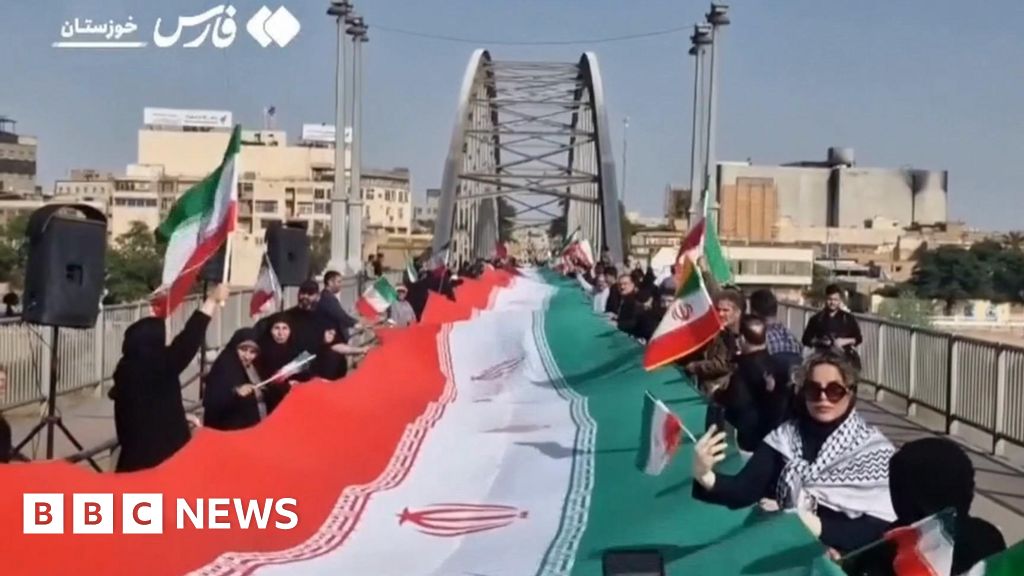
Iranians rally together, forming human chains at bridges and power plants to stand up for their future

The tension in the Middle East has once again escalated sharply following recent threats from former US President Donald Trump against key civilians and critical infrastructure in the region. In response, Tehran has urged its citizens to gather and remain vigilant outside potential US and Israeli targets, signaling a shift toward heightened military preparedness and a potentially volatile escalation of regional conflicts. This provocative move has drawn condemnation from international observers, but also underlines the volatility of a geopolitical landscape that is increasingly unpredictable amid the ongoing rivalries and alliances shaping the region.

Historian and geopolitical analysts emphasize that such rhetoric and actions risk creating a cycle of escalation reminiscent of past conflicts that have destabilized the area for decades. The call for mass gatherings outside sensitive sites indicates a strategic attempt by Iran to project strength and resilience in the face of external threats, but it simultaneously raises the likelihood of miscalculations that could lead to wider confrontations. This response must be understood within the larger context of years of sanctions, covert operations, and regional proxy wars, which continue to fragment national sovereignty and threaten global stability. The United Nations and various international organizations have expressed concern over the potential for conflicts to spiral out of control, warning that such developments could spark a broader regional war with catastrophic consequences.

Experts caution that recent threats and citizen mobilizations serve more than just a symbolic purpose. They underscore the necessity of understanding the geopolitical impact of this escalation. As U.S. and Israeli leaders continue to push policies perceived as hostile in Tehran, the Iranian government seems determined to demonstrate that its defense capabilities are robust and that it is prepared to retaliate in kind if provoked further. Such brinkmanship could threaten to unravel the fragile balance of power in the region, with neighboring states caught in the crossfire and global powers reevaluating their commitments to peace and stability. Diplomatic efforts, while ongoing, appear increasingly strained as the shadow of conflict lengthens over the horizon.

International voices, including prominent analysts and organizations like HSBC’s geopolitical research team, warn of the long-term consequences: the resurgence of hostilities might lead to an era of heightened insecurity and economic disruption across the Middle East. History has demonstrated that such moments—marked by inflammatory rhetoric and military posturing—often open the door to unforeseen conflicts. As the world watches, the region’s fate lies precariously in the balance, remnants of diplomacy fraying at the edges. With each passing day, the decisions made today could forge a new chapter in the history of global conflict, a chapter written in the blood of innocent civilians and the rubble of broken societies. The weight of history presses heavily on the shoulders of leaders and nations alike, as the chaotic dance of war and peace continues to unfold amid the sands of a region on the brink.

University Jobs Under Threat as Strike Vote Looms—Time to Stand Up

Impacts of University Funding Cuts on Society and Communities

The University and College Union has recently raised concerns over proposed funding cuts that threaten to weaken the foundational appeal of higher education institutions. These reductions, rooted in broader economic austerity measures, threaten to undermine not only the quality of academic offerings but also the social fabric that university communities foster. As universities serve as gateways for diverse demographic groups and catalysts for social mobility, such cuts pose a risk of deepening existing social disparities and fragmenting the fabric of our communities.

At the heart of the debate lie the repercussions for families, students, and educators. When funding diminishes, universities often resort to increased tuition fees, reduced course offerings, and cutbacks on essential student services. This cascade of austerity impacts families who may already grapple with economic hardships, placing higher education beyond their reach and fueling a cycle of marginalization. The social commentator Dr. Maria Lopez emphasizes that maintaining equitable access to education is crucial—not merely as an economic investment but as a moral imperative for societal cohesion. The erosion of educational quality and accessibility, she argues, threatens to create a generation divided along economic lines, weakening the social alliances that hold communities together.

Historians and sociologists note that universities have historically functioned as microcosms of societal diversity, fostering cross-cultural dialogue and social integration. Demographic shifts, driven by immigration and generational change, have enriched campus life, promoting inclusivity and mutual understanding. However, budget constraints threaten these social gains, risking a return to an era where access to higher education was a privilege reserved for the few. The social inequities exacerbated by such policies can ripple outward, trapping families in cycles of poverty and exclusion, thereby impeding societal progress at large. The potential decline in university appeal could deepen regional disparities and diminish the economic vitality of neighboring communities that rely on student populations and academic institutions as engines of growth.

  • Reduced funding may lead to layoffs for academic and support staff, weakening the campus environment and diminishing student support systems.
  • Financial barriers could discourage talented students from underprivileged backgrounds from pursuing higher education, creating a less diverse and dynamic society.
  • The decline in university programs and research initiatives could hamper innovation, with broad implications for societal advancement.

Solutions to this pressing challenge involve both political will and societal action. Advocates call for alternative funding models that prioritize public investment in education as a national priority. Community-led initiatives, public-private partnerships, and targeted grants could help sustain essential services and maintain the diverse, inclusive environments that universities are meant to be. As the sociologist Prof. Alan Mitchell notes, fostering resilient educational ecosystems is vital for nurturing the next generation of leaders capable of addressing complex social issues.

Ultimately, the societal fabric is woven from the aspirations, struggles, and successes of its communities. As families, educators, and students stand at a crossroads, the challenge is clear: preserve the cornerstone institutions that serve as beacons of opportunity. If society can muster the collective will to invest in educational equity and social cohesion, there remains hope—hope that future generations will inherit a society where knowledge is a bridge, not a barrier, and where hope persists amid ongoing struggle. For in the end, societal transformation begins not with grand gestures but with the quiet resolve to nurture the roots of community—roots that can withstand the storms of austerity and emerge stronger, more united, and more just.

Gear Up for Startup Battlefield 2026: How Young Innovators Can Stand Out and Win

Innovation Disrupts Industry: Startup Battlefield Announces 2026 Call for Innovations

In a clear sign that the next wave of technological breakthroughs is on the horizon, TechCrunch’s annual Startup Battlefield program has opened applications for 2026, inviting early-stage innovators worldwide to showcase their game-changing ideas. The competition, part of the flagship TechCrunch Disrupt event scheduled for October in San Francisco, continues to serve as a launchpad for startups destined to reshape industries and redefine technological boundaries. Industry experts, including MIT researchers and technology analysts, emphasize the significance of such platforms in fostering disruptive innovation and scaling foundational tech advances beyond mainstream horizons.

The criteria: Disruption over polish

Startup Battlefield is distinguished not by the maturity of participants but by their potential to catalyze meaningful shifts. The organizers seek companies with ideas that feel category-defining—those that threaten to make existing solutions obsolete. Product innovation takes precedence over polish, with emphasis on real-time proof of concept. For example, a company demonstrating an MVP that exemplifies real disruption—such as a technology that radically alters supply chain logistics or leverages AI in unexpected ways—stands a strong chance of selection. According to Gartner analysts, the emphasis on real-market impact accelerates the emergence of sector-transforming startups, securing their position in a fast-evolving digital economy.

Global, diverse, and resilient: The new frontier

One notable aspect is industry and geographic diversity. The program’s Startup Battlefield 200 cohort reflects a global mosaic—sources from emerging markets and underrepresented sectors, breaking away from traditional Silicon Valley dominance. Founders are encouraged to articulate their origin stories—why their solutions hold unique promise amid shifting geopolitical and technological landscapes. As Elon Musk and Peter Thiel have repeatedly stressed, fostering diverse innovation ecosystems is crucial to maintaining technological sovereignty and economic resilience in the face of intensifying global competition.

Submission insights: Show, tell, and stay authentic

  • Show your MVP in action: Live demos or real-time recordings trump static mockups
  • Know your competition: Honest acknowledgment combined with clarity on your competitive edge is indispensable
  • Tell your story: Your vision, founder motivation, and conviction matter as much as technical details

Critically, the application process remains welcoming to early-stage companies, including those still pre-launch or bootstrapped. No need for extensive funding or revenue yet—what matters most is potential and market game-changing vision. Many successful applicants have faced rejection before; persistence and authenticity often turn the tide for future applications.

Looking ahead: The stakes have never been higher

The upcoming application deadline, May 27, 2026, marks a pivotal moment for disruptors eager to align their vision with industry leaders and investors seeking the next Tesla or SpaceX. As AI, blockchain, quantum computing, and other frontier technologies accelerate rapidly, startups that leverage innovation and disruptive power will define the future competitive landscape. Gartner’s latest forecasts suggest that companies capable of making significant breakthroughs early on will dominate emerging markets and shift global industry standards. With a vibrant, diverse cohort poised to challenge the status quo, the time for aspiring innovators is now—failure to act could mean falling behind in the race for technological dominance. Given the dynamic, high-stakes environment of 2026, startups must embrace bold visions, demonstrate tangible proof, and prepare for a future where disruption is the new normal.

Innovation is rewriting the rules of the game: are you ready to lead the charge? Apply now and position yourself at the forefront of the revolution.

Wil Wheaton Reflects on ‘Stand By Me’ and His Journey Narrating ‘The Body’ Audiobook

In a rapidly shifting landscape of technological innovation and global interconnectedness, the bedrock of a society’s cohesion remains rooted in its culture—those collective stories, traditions, and narratives that define who we are and where we come from. Culture serves as both memory and prophecy, grounding individuals within a web of shared history while also pointing toward future possibilities. From the narratives of ancient civilizations to the blockbuster films of contemporary cinema, our cultural icons and stories are not mere entertainment; they are vital expressions of our identity, shaping and reaffirming the values that bind society together.

Philosophers such as Ortega y Gasset have long emphasized that “people’s lives are narratives,” highlighting the importance of cultural storytelling in constructing the human experience. The stories we tell—whether through literature, film, or music—embody the moral and spiritual compass of a society. Consider the story of Rob Reiner’s “Stand by Me”, which captures the innocence and turbulences of childhood, while subtly reflecting the societal tensions of its era. Wheaton, who portrayed the reflective and sensitive Gordie Lachance, channels not just his own memories but the collective nostalgia of a generation. His narration of Stephen King’s “The Body” is more than an audiobook; it is a vessel for cultural memory, emphasizing that these stories are repositories of our shared humanity, holding within them lessons of loss, innocence, and resilience.

Historian Alexis de Tocqueville observed that American democracy thrived because of its capacity to generate a shared sense of purpose through culture and community—a unifying folklore that binds the individual to the collective. Today, as we face cultural fragmentation, these stories stay essential, acting as cultural anchors that preserve societal continuity. Yet, they also become prophetic, signaling the future as they echo with the wisdom of generations past. As Chesterton might suggest, the enduring stories of our culture are not static relics of the past but living entities that continually shape the moral and aesthetic contours of society. Moreover, they remind us that at the core of civilization lies the quest for meaning, which can only be articulated through the shared language of culture.

In an era obsessed with superficial spectacle, it is crucial to remember that culture is the most profound expression of human agency. It is the language in which society’s values are encoded and transmitted, often through stories that oscillate between humor and tragedy. Wheaton’s narration of “The Body” exemplifies this— the narrative’s humor and tenderness serve to release tension while intensifying its emotional stakes. Ultimately, as T.S. Eliot conveyed, “The past [is] a repeating of the future”—a poetic reminder that our cultural memory informs our collective prophecy. Through stories of childhood friendships, loss, and hope, we glimpse not only the scars but also the enduring resilience of humanity, hinting at what we might become when we preserve our cultural narrative.

In the end, culture is both the echo of what was and the whisper of what might be—a testament that humanity, like the stories we tell, is an ongoing mosaic of memory and prophecy, forever unfolding in the liminal space between past and future.

Trump administration sues Harvard over alleged antisemitism—taking a stand for fair treatment

The ongoing clash between the United States federal government and Harvard University underscores a mounting phase in the broader ideological and geopolitical battlegrounds shaping the 21st century. With the recent legal actions initiated by the Trump administration, the stakes are not confined merely to campus debates but extend into the realm of international influence and sovereignty. This confrontation signals a deliberate move by the U.S. government to assert control over ideological currents within elite institutions, and by extension, influence how global values are interpreted and enforced across the world.

The latest lawsuit, filed in the U.S. federal court for Massachusetts, charges Harvard with failing to combat anti-Semitic and anti-Israel conduct on campus, alleging the university turned a blind eye to disruptive protests and violent harassment of Jewish students. While Harvard has publicly insisted it is addressing these issues, the government’s legal challenge broadens the debate, arguing that the university violated Title VI protections against racial and national origin discrimination—directly linking the internal campus conflicts to the wider international struggle over anti-Semitism and free speech. This move is emblematic of a U.S. attempt to set a precedent: academic institutions receiving federal funds must adhere strictly to a narrative aligned with what the administration perceives as America’s moral and geopolitical stance.

Historian John Miller and analysts from the Foreign Policy Council interpret the situation as a strategic effort to recalibrate the value system by which American power projects itself at home and abroad. They warn that by threatening billions in research funding—funds that constitute roughly 11% of Harvard’s revenue—America signals that it will not tolerate educational environments that dissent from certain ideological orthodoxies. Such external pressure could ripple through the global landscape by influencing similar policies in allied nations, thereby shaping an international narrative that aligns with American interests—but at what cost to academic independence and free inquiry?

Moreover, this controversy unveils a pivotal turning point in the U.S.-centered fight over domestic ideological conflicts. Harvard’s resistance to the administration’s accusations, including its countersuit, underscores the ongoing struggle for institutional autonomy in an era where geopolitical influence often hinges on the control of knowledge and cultural narratives. As federal authorities threaten to withhold vast sums and potentially recoup past grants, the implications extend beyond Harvard’s gates. Other universities and international educational institutions are observing these developments closely, aware that the outcome could reshape the very foundation of academic freedom—an institution once thought inviolable—under the heavy hand of government oversight with geopolitical undertones.

As history charts an uncertain course, the relentless cadence of international shifts and internal disputes over ideological control portends a future where the fight over campus conflicts becomes a microcosm of the larger struggle for global influence. With each court ruling, each policy adjustment, and each geopolitical maneuver, the fate of national sovereignty, the integrity of education, and the values underpinning the West are being inscribed into the annals of history—an unfolding epic where the weight of the present will inevitably shape the destiny of nations yet to come.

Cuba Faces Power Cuts—Young Islanders Stand Firm Amid Hardship

Critical Power Outages and Rising Tensions in Cuba

The recent collapse of Cuba’s national electric grid on 16 March has underscored the profound vulnerabilities facing the island nation amidst escalating US-imposed sanctions. After days of blackout chaos, the grid has finally been restored, yet the damage to the nation’s socio-economic fabric remains profound. The outage, which persisted for hours or even days in different regions of the island, has not only plunged homes into darkness but has also ignited widespread public unrest. Small groups of residents in Havana and other urban centers have taken to banging pots in protest, symbolizing growing dissatisfaction fueled by fuel shortages, food crises, and medicine scarcity. Such unrest culminated in a rare violent protest on 14 March, where demonstrators set a building ablaze in the northern part of the country—an unmistakable sign of the tension simmering beneath the surface.

Analysts and international commentators warn that these blackouts are but a symptom of a deeper, geopolitical crisis. Washington’s strategies of applying maximum economic pressure—primarily through the blockade—are isolating Cuba from vital supplies. The ongoing restrictions on oil imports have crippled the island’s energy infrastructure, exacerbating existing shortages and impoverishing society further. According to retrospective analysis from historians such as Herbert Matthews and oceanic-level think tanks, U.S. policy under successive administrations has long aimed to weaken Cuba’s socialist government, but the recent rhetoric indicates an ominous shift towards overt intervention. In early March, President Donald Trump hinted at a possible U.S. takeover, describing the island as “ready to fall.” Such provocative statements echo Cold War-era fears and threaten to escalate the already fragile dynamic between the two nations.

International observers and organizations, including the United Nations, have expressed concern over the stability of Cuba but remain wary of direct U.S. intervention. The U.S.-Cuba relationship has long been characterized by ideological confrontation, and recent developments seem to mark a significant escalation. The possibility of renewed aggression or even covert operations raises fears of a broader regional conflict. Experts caution that the decision by the U.S. to tighten sanctions and threaten intervention is not only a gamble with Cuba’s delicate social fabric but also a potential spark for instability that could ripple through Latin America and beyond. The situation remains a volatile chessboard, with each move calculated to assert dominance or sway political outcomes in favor of Washington’s interests.

As Cuba struggles to recover from its recent crisis, the geopolitical landscape continues to be shaped by these high-stakes decisions. The island’s plight exemplifies the profound impact of international policies on sovereign nations, especially those with shown resilience despite numerous adversities. The tense spectacle of blackouts, protests, and threatening rhetoric leaves the world pondering the thin line between diplomatic pressure and outright conflict. It is a stark reminder that history is still being written—each decision, each protest, and each act of defiance shaping the future of a nation caught at a crossroads. The weight of history lingers, and the question remains: how will this chapter unfold in the complex tapestry of global power struggles, where the echoes of past Cold War conflicts resonate with renewed urgency?

Hamas Calls on Iran to Stand Down Against Gulf Attacks

In a stark display of the mounting tensions across the Middle East, a prominent Palestinian armed group has issued a statement affirming Tehran’s right to defend itself from perceived aggression by the United States and Israel. This declaration underscores the continuing realignment of regional alliances and the persistent volatility that threatens to further destabilize an already fractured geopolitical landscape. The explicit backing from Palestinian factions for Iran’s stance signals a consolidation of allied interests in opposition to Western-backed policies and military operations that have characterized the recent escalation of violence.

This development comes amid *heightened regional tensions*, with Israel and the U.S. intensifying their military presence in strategic locations across the Middle East, citing security concerns linked to Iran’s expanding influence. Analysts warn that such rhetoric from Palestinian groups, supported by Tehran, could be a prelude to increased hostilities. International organizations such as the United Nations have expressed grave concern over the potential for further escalation, emphasizing that regional conflicts risk spiraling into broader confrontations with global repercussions. The geopolitical impact of these statements cannot be overstated, as they reinforce the narrative of a divided Middle East where superpower rivalries and local grievances fuel an ongoing cycle of violence.

Historian Philip Zelikow and other foreign policy experts have highlighted that these declarations are more than mere words; they are a signal of a shifting balance of power in the region. As Iran persists in asserting its strategic interests, its allies, including various Palestinian factions and Syria, continue to challenge the influence of Western forces. The reaffirmation of Tehran’s right to defend itself is seen by many as a *tipping point*—a sign that the region’s traditional power dynamics are rapidly evolving. For nations in the Gulf and beyond, such developments threaten to redraw alliances and set the stage for a new era of proxy conflicts that could last for decades.

Meanwhile, the international community watches closely, uncertain how this volatile situation will unfold. The European Union and the United States have called for restraint, emphasizing diplomatic solutions over military confrontation. Yet, the core issues remain unresolved—namely, the status of Palestine, Iran’s nuclear pursuits, and the broader Arab-Israeli conflict—each feeding into a complex web of grievances that shape current events. The interconnectedness of these conflicts embodies the delicate tension that underpins global stability, with a single spark capable of igniting widespread chaos. It is a stark reminder that history’s pendulum still swings, and the decisions made today will echo through generations.

As the weight of history presses down, the unfolding narrative reveals an international landscape fraught with peril and promise. With every statement, every act of defiance, the future of the Middle East—and perhaps the world—is being written in real time. The stakes couldn’t be higher: the outcome may determine whether peace or perpetual conflict will define the next chapter of human history.

Social Media Auto Publish Powered By : XYZScripts.com