Breaking Barriers: The Impact of Educational Accessibility on Families and Communities
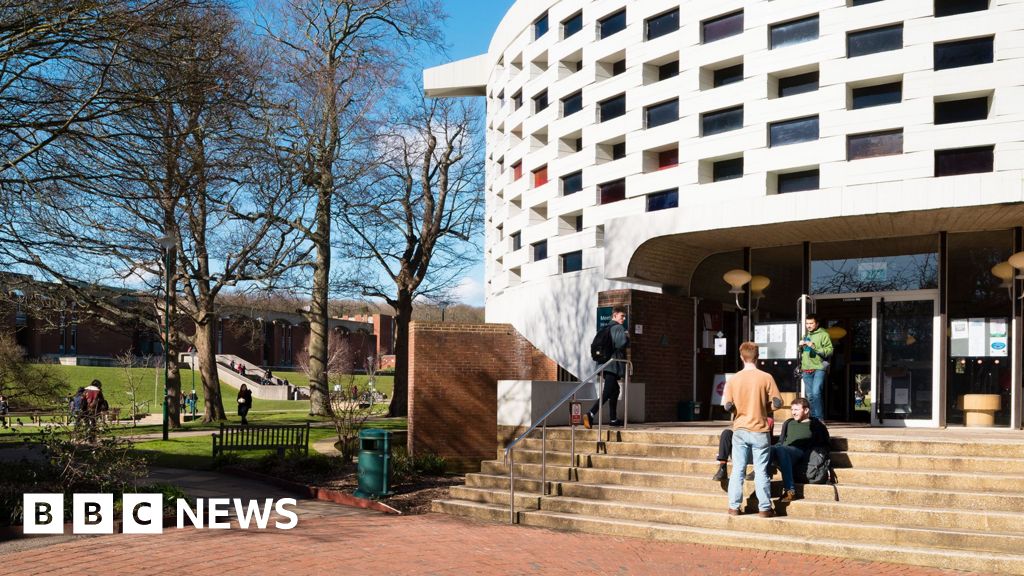
In recent years, educational inequity has become a defining social issue in many societies, with marginalized communities bearing the brunt of systemic shortcomings. A recent statement from an educational institution revealed an alarming reality: many students, particularly those from low-income backgrounds, are reaching out with questions and concerns, highlighting a silent crisis within the fabric of national education systems. These students often constitute the most vulnerable segments of society, including parents juggling work and family responsibilities and young individuals striving to elevate their circumstances through higher learning. Their experiences underscore a critical need to reevaluate how accessible higher education truly is for all.
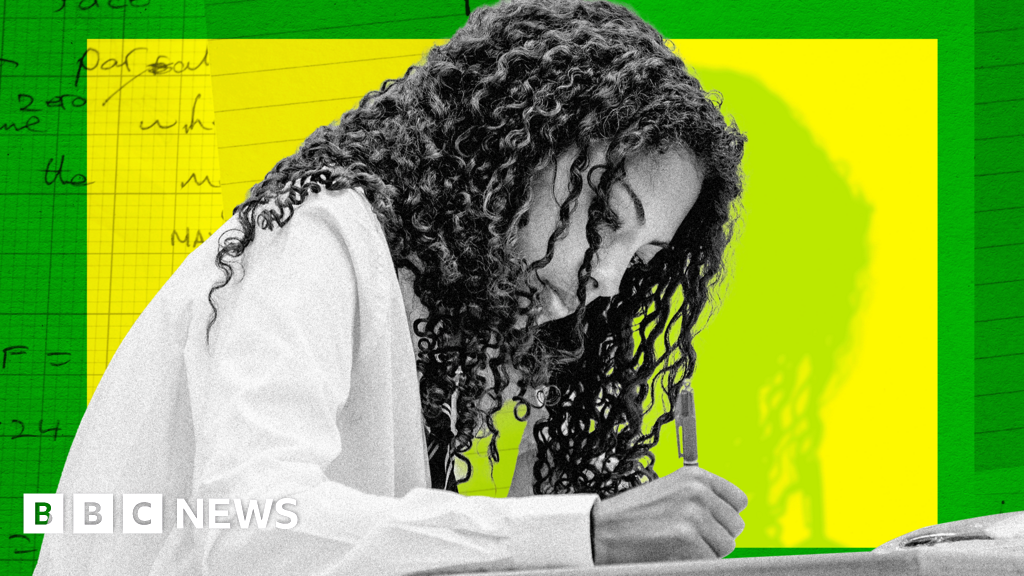
Many students opt for weekend study programs precisely because these schedules accommodate their work commitments and familial obligations. Such choices are not merely convenience but necessity—a testament to how educational options are shaped, consciously or not, by socio-economic constraints. Sociologists like Dr. Peter Evans have pointed out that education is increasingly becoming a gatekeeper, reflecting and reinforcing societal stratification rather than dismantling it. The families affected by these disparities often face a cycle of limited opportunity, where the inability to access quality education affects future generations, prolonging poverty and social marginalization.
Beyond individual struggles, these realities ripple throughout communities. Educational inequity contributes to the erosion of community cohesion, fostering a sense of frustration and disconnection among those who feel left behind. Young people, burdened by economic hardship and limited prospects, may become disengaged or disillusioned with the societal systems meant to serve them. This disconnection can lead to increased social tensions, as the promise of upward mobility seems increasingly out of reach. Historians such as Angela Davis have articulated that true societal progress depends on dismantling barriers to equitable access—an aspiration that remains elusive in many regions today.
Addressing these issues requires a multifaceted approach—favoring targeted policy reforms and community-based initiatives.
- Investment in affordable and flexible education programs
- Strengthening support systems for vulnerable students and their families
- Promoting greater community involvement in educational policymaking
- Ensuring that higher education becomes a right accessible to all, not a privilege for the few
While these challenges seem daunting, the resilience and determination of students and families serve as a beacon of hope. Reflecting on these societal struggles encourages a profound contemplation: what kind of future do we envision when the promise of education remains out of reach for many? As society stands at this crossroads, the possibility of transformation rests on a collective commitment to justice and opportunity. It is in our shared efforts—recognizing the inherent dignity of every individual—that society can begin to heal its divisions and forge a more equitable path forward. The hope lingers in every question asked, every barrier challenged, that someday, the promise of education will truly be a foundation for all, fostering not only personal growth but the renewal of our social fabric.