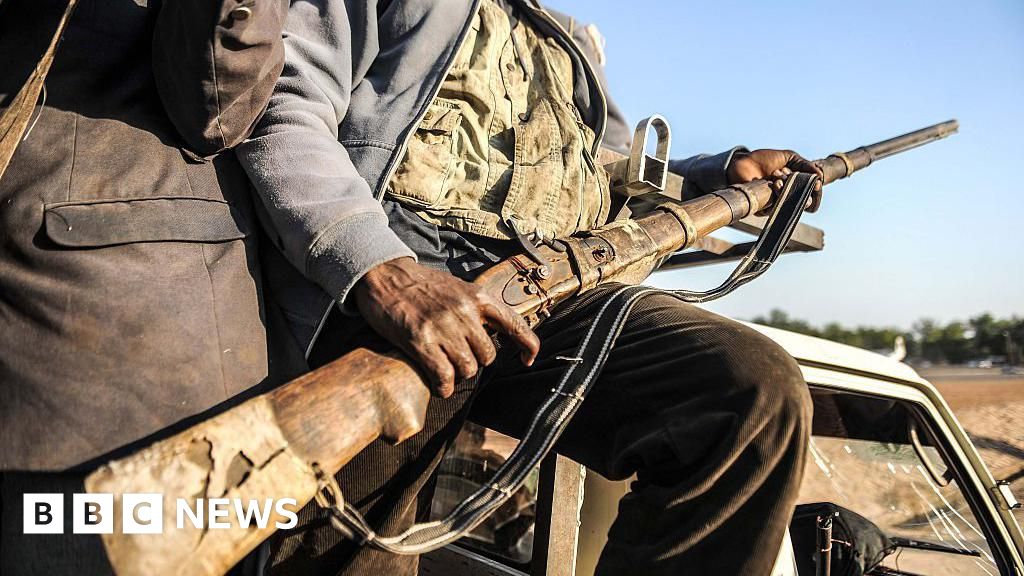
The recent attack that resulted in the kidnapping of 23 children and the facility’s proprietress has sent shockwaves through the international community, spotlighting the ongoing threats facing vulnerable populations in conflict zones. The incident, which unfolded on Sunday, exemplifies the persistent menace posed by militant groups that operate beyond the reach of traditional state authority, often targeting humanitarian, educational, or civilian institutions with brutal tactics. The specifics of the attack—carried out by armed gunmen—have raised pressing questions about security, sovereignty, and the fragile stability of the region.
Global reactions have ranged from diplomatic condemnation to urgent calls for action. Major international organizations, including United Nations agencies and regional alliances, have expressed deep concern over the kidnapping, emphasizing the need to uphold international laws that protect civilians, especially children. Analysts warn that incidents like this not only devastate families and communities but also undermine longstanding efforts toward peace and reconciliation. Historically, such attacks serve as **turning points** that can lead to increased militarization or diplomatic engagement, yet often at the cost of civil liberties and societal stability. Experts from the International Crisis Group suggest this act underscores the urgent necessity of a coordinated global response, one that balances military intervention with political solutions.
The geopolitical implications are profound. Countries directly affected by the violence face mounting internal pressures to secure their borders and prevent further infiltration by militant factions. Conversely, foreign powers, especially those involved in regional conflicts or peacekeeping missions, find themselves grappling with difficult decisions. The incident threatens to inflame existing tensions, possibly prompting a reshuffling of alliances and increased foreign military aid. The United States and European Union have condemned the attack, reaffirming their commitment to combating terrorism but also warning against the escalation of violence that could destabilize wider areas. In this context, the principle of sovereignty becomes contentious, as foreign actors are called upon to intervene while respecting local autonomy—a delicate balance that often determines the success or failure of such operations.
At the heart of this crisis lies a stark reminder: the **weight of history** is pressing down on the present, with past failures haunting policymakers’ every decision. The region’s history is riddled with cycles of violence, insurgency, and fragile peace agreements. Yet, amid these dark patterns, international institutions—once seen as powerless or ineffective—are witnessing a moment of potential transformation. The evolution of strategies focused on counter-terrorism, community engagement, and regional cooperation is crucial as nations confront the harsh realities of conflict. As historians and analysts debate whether this surge in violence will lead to a decisive turning point or a prolonged crisis, it remains clear that the essence of how nations and societies respond will define the trajectory of peace in the years to come.
In the end, this incident is more than an isolated act; it is a narrative—one written in the lives of the innocent and the vulnerable. As history continues to unfold, the world watches with bated breath, conscious that each decision made now may echo through generations. The specter of chaos looms, yet amidst the chaos, there remains a resolute hope that justice, resilience, and international unity can forge a path toward stability. The question remains: will this be a moment of reckoning or merely another chapter in a recurring story of conflict? Only time will tell, but the weight of the present moment may very well shape the fate of nations for decades to come.