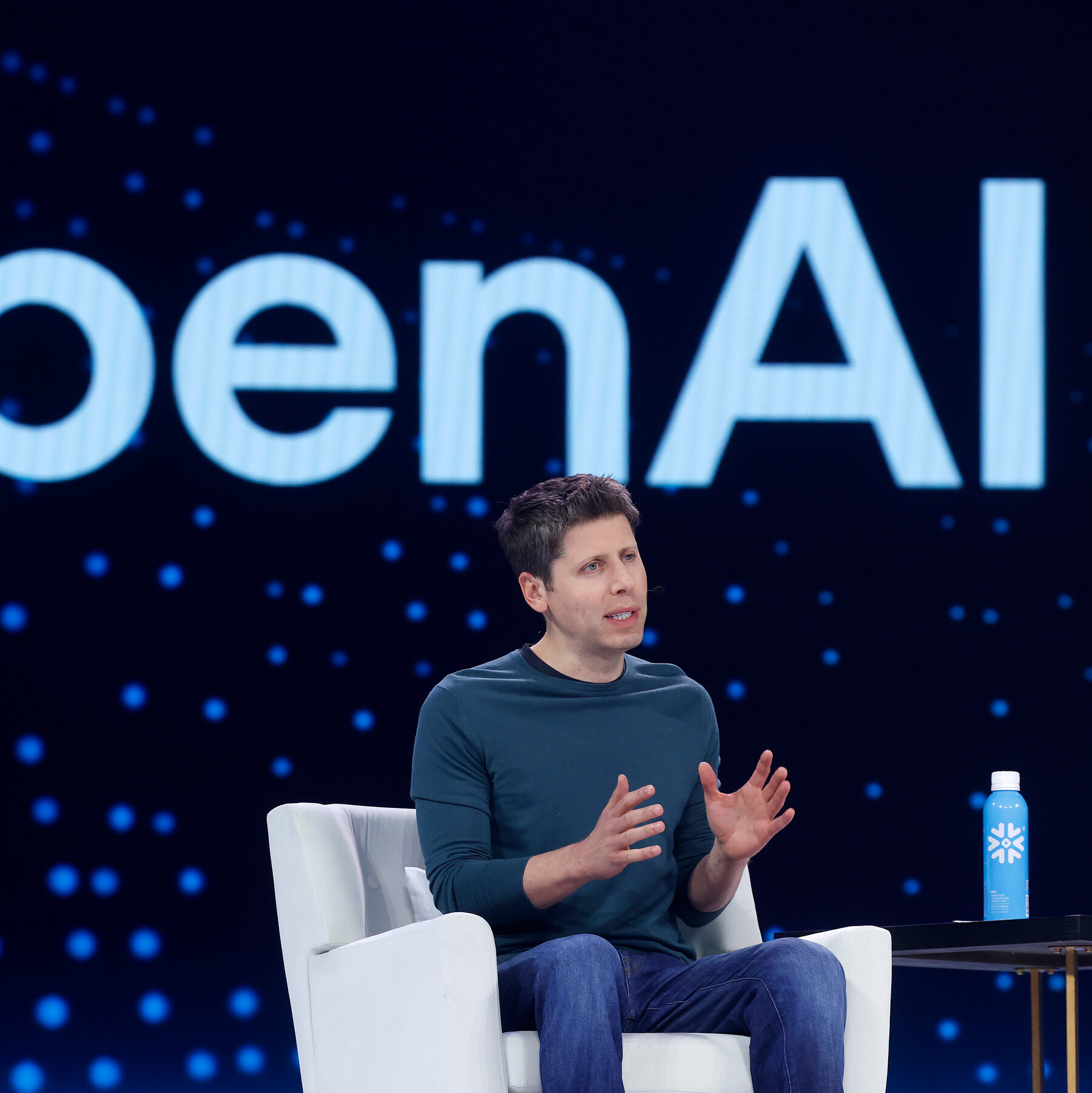
AI Industry Disruption Accelerates as Amazon Capitalizes on OpenAI’s New Direction
In a development poised to reshape the competitive landscape of artificial intelligence, Amazon has announced a strategic expansion of its AI offerings, marking a significant disruption to the entrenched alliance between OpenAI and Microsoft. Following the revelation that OpenAI no longer grants Microsoft exclusive rights to its models, Amazon swiftly capitalized on the shift, unveiling advances in its Bedrock service featuring OpenAI’s latest models, Codex, and new capabilities for constructing OpenAI-powered AI agents. This move underscores a broader industry trend: disruptive alliances and shifting allegiances are redefining the AI ecosystem.
Amazon’s Bedrock platform, a critical infrastructure for AI application development, now provides developers with unprecedented access to OpenAI’s cutting-edge models—highlighting Amazon’s ambition to become the central hub for AI innovation, especially in cloud infrastructure. With this integration,
- OpenAI’s models are now directly accessible via AWS,
- developers can leverage Codex for code-generation and automation,
- and new AI agent tools facilitate complex autonomous tasks.
Amazon explicitly promises that “this is the beginning of a deeper collaboration between AWS and OpenAI,” signaling a strategic pivot that could challenge Microsoft’s longstanding dominance in the space.
Implications for Market Power and Competitive Dynamics
The unfolding rivalry among tech giants reflects the erosion of traditional partner boundaries in AI development. The deterioration of Microsoft and OpenAI’s relationship, amid reports of OpenAI’s engagement with AWS and Oracle, demonstrates the high-stakes nature of AI dominance. Microsoft’s growing interest in alternative AI models, such as Claude from Anthropic, signals an industry-wide realignment where disruption is happening at an accelerated pace. Analysts from Gartner warn that no single company will command unquestioned leadership in AI for long, emphasizing the importance of agility and strategic partnerships to maintain competitive edge.
From a business perspective, this upheaval could accelerate the mutability of market share and influence. Companies that innovate and adapt quickly will be better positioned to shape future AI standards, especially with cloud infrastructure acting as the backbone for deployment and integration. The industry implication is clear: failing to engage dynamically with evolving alliances and models could result in obsolescence.
Future Outlook: A High-Stakes Race for AI Supremacy
Looking ahead, the burgeoning competition between AWS, Microsoft, and new entrants like Anthropic indicates an intense race for technological leadership and economic influence. Industry leaders, including Elon Musk and Peter Thiel, have underscored the transformative potential of AI—yet caution that unchecked innovation may provoke unforeseen risks if not carefully managed. The upcoming TechCrunch event in San Francisco (October 13-15, 2026) will likely highlight emerging breakthroughs and strategic partnerships, reaffirming that who controls AI’s future infrastructure will dominate the digital economy.
A forward-looking perspective suggests that disruption will not only reshape technology platforms but also redefine power dynamics within the industry. As industry insiders and analysts observe these seismic shifts, it becomes imperative for stakeholders to embrace agility, foster innovation, and anticipate that the AI landscape of tomorrow is being forged today—under the banner of rapid change and relentless competition.