Decisive Halt: Camp Mystic Cancels Summer Reopening Amid National Outrage
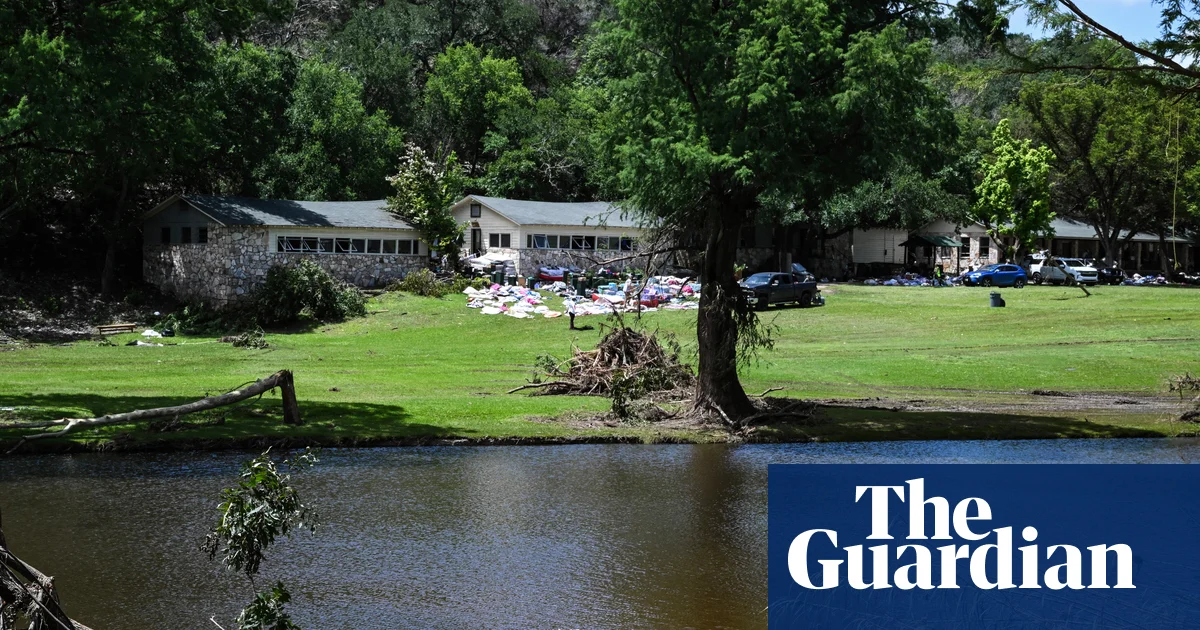
The recent withdrawal of Camp Mystic from plans to reopen this summer marks a significant moment that transcends local Texas tragedy and resonates deeply within the international discourse on safety, accountability, and crisis management. The decision follows months of mounting outrage from political leaders across the United States and the devastating tragedy that claimed the lives of 27 young girls during a flood last July. The incident, which also resulted in the death of camp owner Dick Eastland, has become a potent symbol of how inadequate emergency responses and neglect can lead to catastrophic consequences. As the camp’s officials face continued legal proceedings, global analysts see this as an emblematic case illustrating the urgent need for robust safety standards in youth-focused institutions worldwide.
The geopolitical impact of this incident becomes clear when considering the broader implications for how governments and institutions manage crises within their borders. The intense scrutiny from Texas lawmakers underscores a societal demand for accountability that echoes across nations—highlighting the importance of regulatory oversight, transparency, and proactive planning in preventing tragedies. International organizations, such as the World Health Organization and UNICEF, have long emphasized that protecting vulnerable populations requires comprehensive emergency plans and enforcement, a lesson underscored by this local yet globally relevant event. Historically, failures in crisis response have often served as catalysts for international policy reform, and experts are now calling for a reassessment of youth protection protocols worldwide.
This incident also exposes how national decisions ripple through societal structures—affecting not only immediate families but shaping societal trust in institutions charged with safety. The decision of Camp Mystic to cease operations, citing ongoing grief and investigations, underscores a responsibility that extends beyond local jurisdictions. As political leaders debate the underlying causes and necessary reforms, international observers interpret this as a stark warning: neglect and insufficient safety measures in the face of foreseeable hazards can lead to irreversible consequences. The cultural and political reverberations are profound, emphasizing the need for a new global dialogue on youth safety and emergency preparedness that transcends borders.
Historians and analysts warn that the unfolding legal and societal consequences may serve as a sobering chapter in the ongoing struggle to prevent future tragedies. Experts note that this incident could accelerate reforms in youth camping safety standards worldwide, much like past tragedies that prompted sweeping international policy shifts. As international institutions watch carefully, the importance of how societies respond to crises will determine whether such tragedies remain isolated or become catalysts for meaningful global change. The lessons learned from Camp Mystic and similar incidents will undoubtedly influence policy, ethics, and community practices for generations. As the weight of history presses upon this moment, the world is left to reflect on the fragile line between oversight and catastrophe, questioning how many lives must be lost before decisive action is taken to rewrite the rules of safety and accountability. The narrative of this tragedy is still being written, and its conclusion remains ominously uncertain.