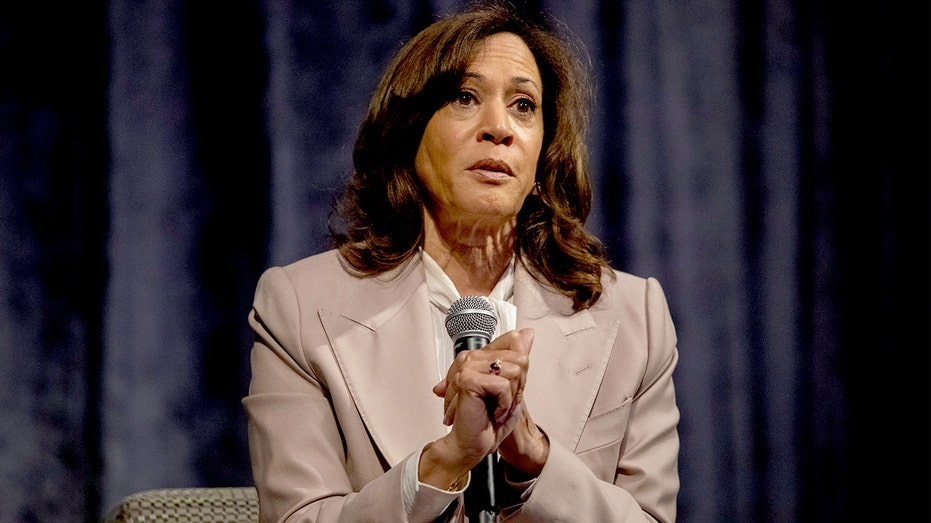
Democrats are treading carefully when discussing whether former Vice President Kamala Harris will run for president in 2028. The party’s top lawmakers are notably noncommittal, reflecting internal debate about its future leadership after recent losses.
As reported by Fox News Digital, prominent House Democrats including Rep. Jim Clyburn and Rep. Dan Goldman avoided endorsing any candidate, signaling a broader hesitation to project the party’s direction beyond the 2026 midterms.
Party Leadership Avoids Commitment on Harris
When questioned about Harris’s potential 2028 bid, senior Democrats broadly declined to speculate. Rep. Clyburn said, “I have no idea who’s running,” while Rep. Goldman emphasized a focus on winning back ground in 2026 before considering future campaigns. This response underscores a cautious mood amid ongoing electoral pressures.
Electoral Setbacks Fuel Uncertainty
The Democratic Party suffered significant losses in the 2024 elections, losing the popular vote and control of the White House, Senate, and House. Harris herself did not improve upon former President Joe Biden’s 2020 performance in any county nationwide.
Her decision to forgo a gubernatorial run in California last year surprised some observers and added to questions about her political trajectory. Harris stated she had “given serious thought” to the governorship but ultimately decided against running, keeping her options open for a possible presidential campaign.
Other Contenders Poised for 2028
Harris is unlikely to face a clear path to the nomination. Other Democratic figures such as Governor Gavin Newsom of California, Governor Josh Shapiro of Pennsylvania, and Governor Gretchen Whitmer of Michigan are discussed as potential rivals. This multiplicity of candidates reflects a party searching for a fresh message and leadership to regain voter confidence.
“I have no idea who’s running, and we’ll focus on 2028 after 2026,” said Rep. Dan Goldman, highlighting the party’s current strategic priorities.
Outlook for the Democratic Party
The Democratic caucus’s reluctance to champion any single candidate at this stage signals concern over the party’s capacity to unify and present a compelling alternative to Republicans. With the midterm elections looming, internal focus remains on restoring institutional strength and electoral viability.
As the political landscape evolves, Harris’s decision to run or step aside will be a key factor shaping the 2028 Democratic presidential primary. For now, the party’s leadership prioritizes strategic recovery and cohesion over premature endorsements.