Power Struggles and the Shadow of Epstein: Unveiling the Political Drama
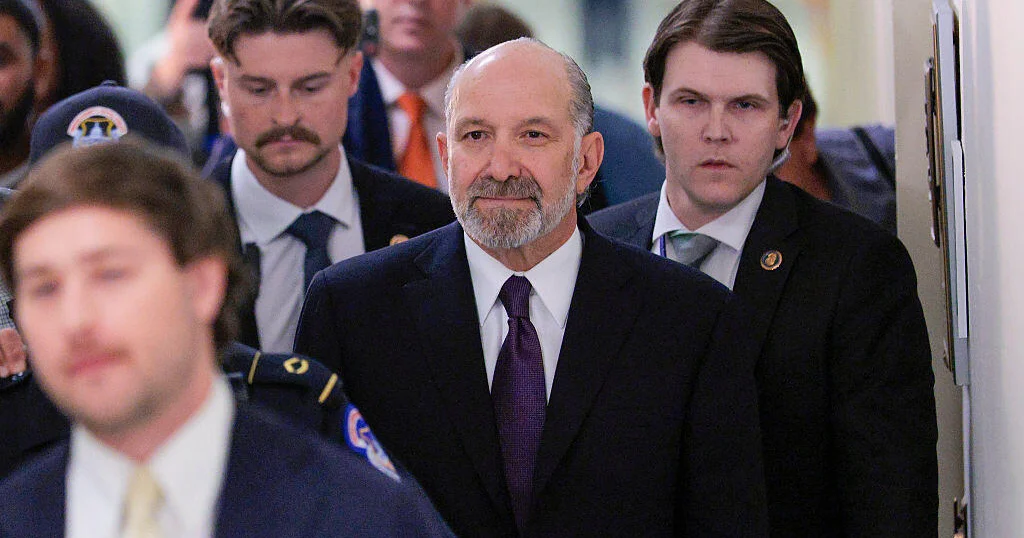
On a day that spotlighted the enduring tentacles of power and influence, Commerce Secretary Howard Lutnick found himself scrutinized before the House Oversight Committee in connection with the Jeffrey Epstein scandal. This hearing is emblematic of a larger conflict over transparency, accountability, and the true extent of political protection. As allegations swirl and testimonies unfold, it becomes increasingly clear that the inquiry is more than just about one individual’s actions—it’s about the very fabric of power that often shields the elite from justice. The committee’s questioning underscores a critical moment where decision-makers are forced to confront the murky intersection of wealth and political influence, shaping the lives of ordinary citizens and the integrity of the nation’s political institutions.
The Epstein case, long a symbol of systemic corruption and clandestine networks, exposes a power struggle rooted in the desire for accountability. Historically, such scandals have revealed how political and economic elites operate in a world where justice is often manipulated by those with the most influence. Critics argue that behind the curtain, figures like Lutnick may have navigated a web of connections that protected them from scrutiny, echoing historical parallels such as the Teapot Dome scandal or the Watergate scandal, where the real battle was fought behind closed doors. The ongoing investigation signifies a concerted effort by a restless political class eager to shed light on these obscured dealings, holding up a mirror to the enduring question: who truly controls the levers of power, and at what cost to the American people?
Amidst the spectacle, political analysts emphasize that decisions made today will echo in the corridors of power for years to come.
- The committee’s focus on transparency aims to dismantle the immunity often granted to the powerful, veering toward a more accountable political environment
- The inquiry underscores the importance of *constitutional oversight* and the necessity of safeguarding the rule of law in confronting systemic corruption
- Calls for reforms that could tighten the oversight of elite financial and political networks are gaining momentum, driven by a public increasingly skeptical of ‘business as usual’
The ideological clash is evident: on one side, defenders of entrenched privilege argue that such inquiries threaten economic stability or diplomatic diplomacy; on the other, reform-minded voices insist that restoring integrity to governance is paramount, even if it means confronting uncomfortable truths about those in power. The decision to probe Lutnick and others reflects a broader *fight for the soul of the nation*—a battle between those who believe in transparency and those who clutch tightly to their clandestine influence.
Drawing from figures like Alexander Hamilton and Friedrich Hayek, commentators suggest that our constitutional roots are being tested anew. The question hinges on whether the structures designed to preserve liberty can withstand the encroachments of unchecked power, or whether the shadow cast by elite collusion will deepen further. Habeas corpus and the independent judiciary serve as battlegrounds where constitutional experts warn the real contest is for the controls of destiny. As history demonstrates, when elites escape accountability, democracy itself risks erosion—a danger that vigilant oversight must confront head-on. The unfolding drama of Lutnick and the Epstein legacy is thus a stark reminder that politics is not merely a game of policy but a battlefield where the very fate of sovereign liberty is fought.
In this arena of raw power and relentless accountability, the ordinary citizen remains an observer—yet within this spectacle, the ink is being written where the future will be forged. Politics, after all, is the stage where the architects of a nation’s destiny come into focus, shaping laws, influencing powers, and ultimately deciding whether justice is a shield for the righteous or just another weapon in the hands of the powerful. As the echoes of this inquiry fade into history, one truth endures: in the relentless pursuit of truth and justice, the true rulers are the ones who dare to confront the shadow, for it is in these fiercest struggles that the very spirit of democracy is tested—and often, reborn.