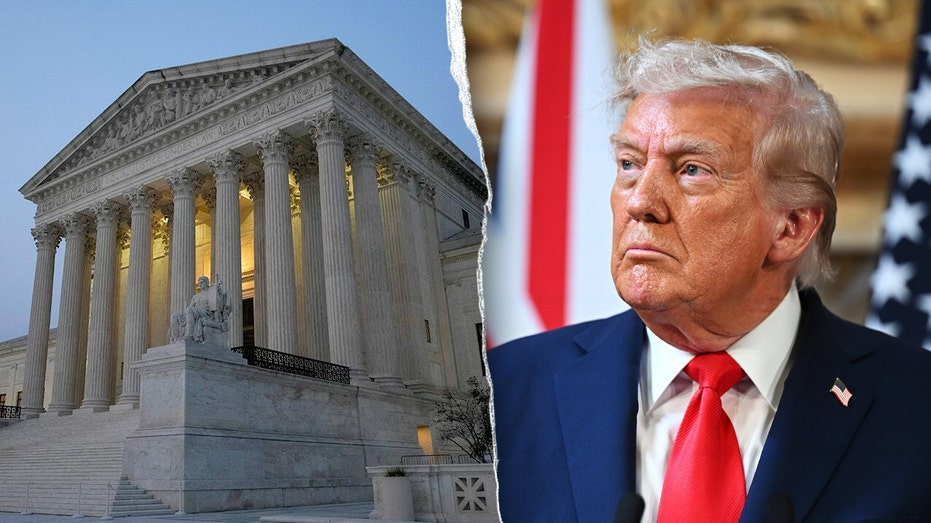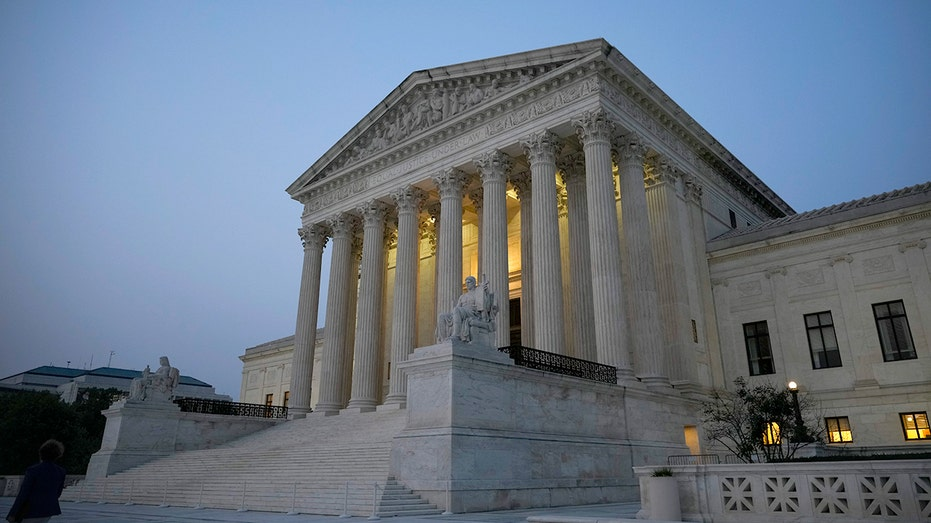
The U.S. Supreme Court has delivered a significant legal setback to Virginia Democrats, rejecting their emergency bid to revive a voter-approved congressional redistricting overhaul. This decision leaves intact a Virginia Supreme Court ruling that found the proposed map unconstitutional, effectively ending efforts to redraw districts ahead of the crucial 2026 midterm elections. The high court’s action underscores the complex interplay between state and federal judicial authority in electoral matters.
High Court Declines Intervention
In a brief, unsigned order issued Friday, the Supreme Court denied Virginia Democrats’ emergency request. No justices publicly dissented from the decision, which effectively upheld the Virginia Supreme Court’s May 8 ruling. That state court decision, passed with a 4-3 majority, determined that the amendment process used to advance the redistricting proposal violated the state constitution. Specifically, lawmakers had moved the proposal forward after early voting had already commenced in the required intervening election cycle, a procedural defect deemed “incurably taint[ing] the resulting referendum vote.”
National Implications for 2026 Midterms
This legal defeat for Virginia Democrats is part of a broader national struggle over mid-decade redistricting. Control of the U.S. House of Representatives is expected to be fiercely contested in the 2026 elections, with a handful of competitive seats likely determining the chamber’s balance. Republicans currently hold a narrow majority. The Democratic-backed proposal in Virginia was specifically designed to make several Republican-held congressional seats more competitive, aiming to shift the electoral landscape in the Commonwealth.
A Controversial Path to the Ballot
The redistricting map, which garnered 51.7% voter approval in an April 21 special election, faced legal challenges from its inception. The Virginia Supreme Court initially allowed the referendum to proceed despite an ongoing dispute over the legislative process used to place it on the ballot. Democrats had argued for the necessity of the overhaul, but their procedural approach ultimately proved to be its undoing. The ruling highlights the critical importance of adhering to constitutional processes, even for popular initiatives. As reported by News Desk, the legal challenge focused squarely on the procedural irregularities, specifically:
- Lawmakers advanced the proposal after early voting had already begun in the required intervening election cycle.
- This procedural defect was deemed by the state’s highest court to have “incurably taint[ed] the resulting referendum vote.”
These issues, rather than the map’s content, were central to the legal challenge.
The Supreme Court’s decision reaffirms the importance of constitutional procedure in electoral reforms, a critical aspect of maintaining institutional integrity.
Looking Ahead: Electoral Landscape Solidified
The Supreme Court’s refusal to intervene marks a definitive end to Virginia Democrats’ efforts to implement a new congressional map before the 2026 cycle. This outcome not only solidifies the existing electoral districts in Virginia but also sends a clear message about the judiciary’s role in overseeing legislative processes related to elections. Political strategists on both sides will now recalibrate their approaches for the upcoming midterms, with the current district lines firmly in place. The focus shifts back to voter engagement and policy debates, rather than battles over electoral boundaries.