In a significant legal setback for Virginia’s Democratic leadership, the nation’s highest court has declined a plea to allow a voter-approved congressional district map to be used in the upcoming midterm elections, reinforcing judicial oversight in redistricting.
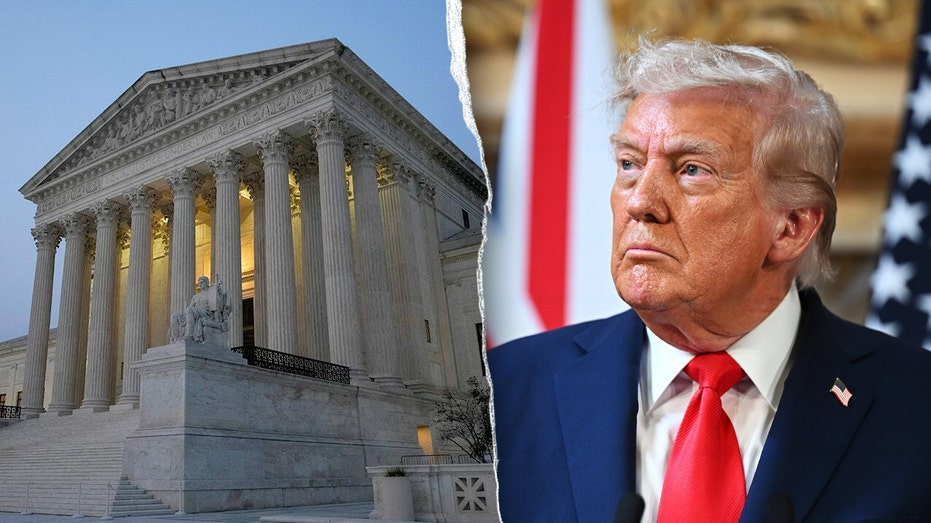
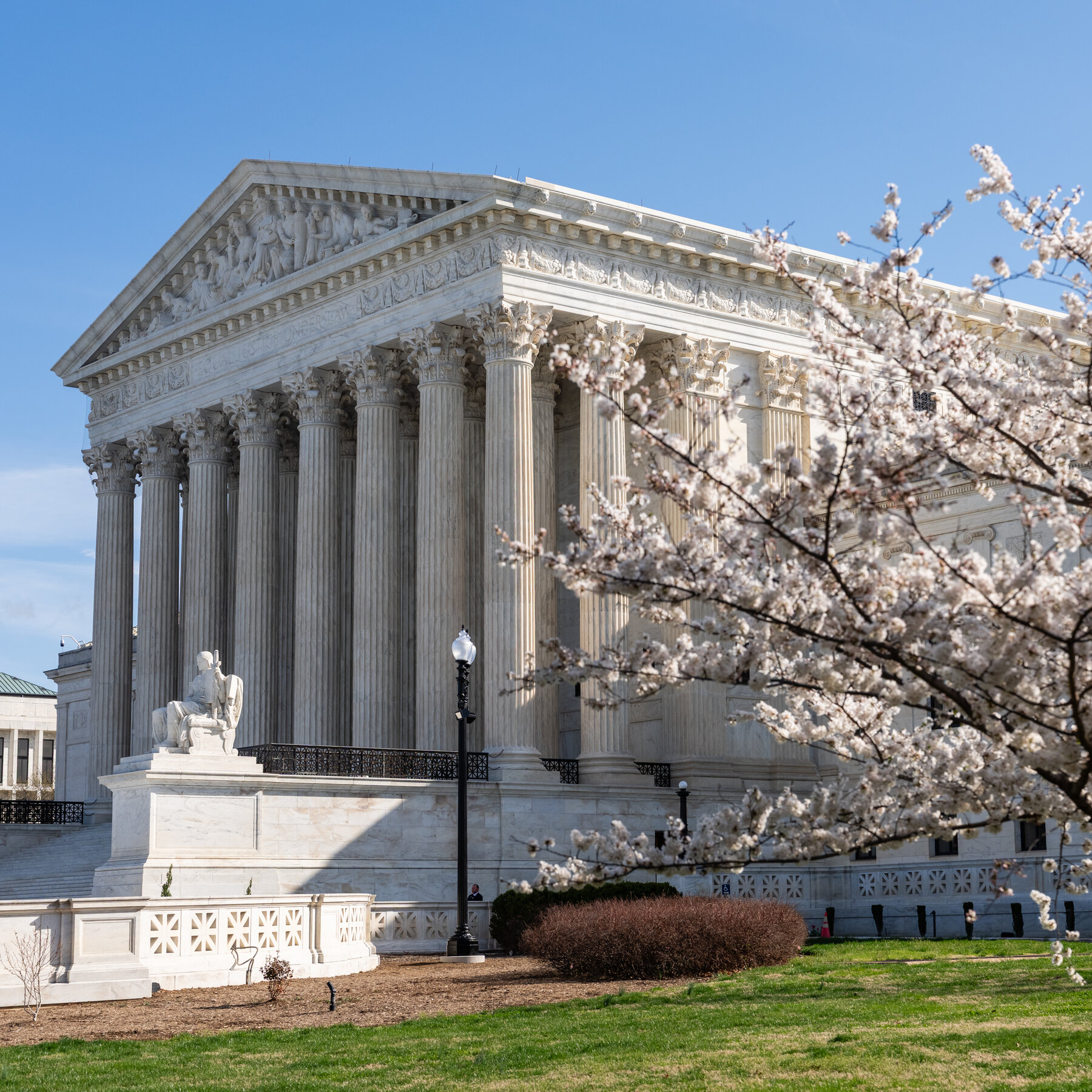
The Supreme Court has delivered a decisive ruling against Virginia Democrats, rejecting their appeal to implement a new congressional map for the upcoming midterm elections. This decision effectively blocks a redistricting plan that had been drawn by state Democrats and subsequently approved by voters, maintaining the status quo and underscoring the judiciary’s role in electoral boundaries. The ramifications of this ruling are expected to resonate across the Commonwealth’s political landscape, particularly as crucial elections approach.
The Court’s Unanimous Decision
The nation’s highest judicial body acted swiftly, denying the request from Virginia state officials seeking to utilize the contested congressional map. While the Supreme Court’s order did not provide an accompanying explanation, such brevity is common in cases where the justices decline to hear an appeal or intervene in lower court proceedings, often indicating a lack of significant legal questions or a desire to avoid an immediate political fray. This unanimous rejection signals a clear position, indicating the Court found no compelling reason to overturn the existing legal framework governing Virginia’s electoral districts. The decision also aligns with a broader conservative judicial philosophy that often prioritizes stability and deference to established processes over novel interpretations or interventions.
This judicial posture reinforces the principle of judicial review in redistricting matters, often seen as a necessary check on partisan gerrymandering. The Court’s decision, though succinct, underscores the importance of upholding established legal processes, even when state-level political actors and voters have expressed a preference for an alternative.
Background of the Redistricting Battle
The contentious battle over Virginia’s congressional map began after the most recent census, leading to a complex legal and political process. Democrats in the state legislature were instrumental in drafting the map, which later garnered approval from the state’s electorate. However, the plan faced immediate legal challenges, culminating in a lower court decision that prevented its implementation. State officials then escalated the matter to the Supreme Court, hoping for an intervention that would allow the voter-approved map to take effect for the midterms.
Redistricting is a decennial process that redraws electoral boundaries to reflect population shifts. It is frequently a flashpoint for partisan conflict, with both major parties often seeking to maximize their electoral advantage. In Virginia, the effort by Democrats to shape the new map was seen as a strategic move to secure more favorable districts, an ambition now halted by the Supreme Court’s intervention.
“The Supreme Court’s decision maintains the existing electoral framework, highlighting the judiciary’s ultimate role in ensuring fair and stable redistricting processes.”
Implications for Virginia’s Midterm Elections
The Supreme Court’s ruling means that the congressional districts for Virginia’s upcoming midterm elections will remain as they were prior to the Democrats’ proposed changes. This outcome is a significant win for those who opposed the new map, arguing for stability and adherence to established legal precedent. For Virginia’s Democratic Party, the decision represents a strategic setback, as their efforts to redraw the electoral landscape have been definitively rebuffed at the highest judicial level.
Observers suggest that this ruling could energize conservative voters and candidates who advocate for judicial restraint and orderly governance. The focus now shifts to how candidates will navigate the confirmed district lines, with both parties recalibrating their campaign strategies in response to the Court’s firm stance. The election cycle promises to be a critical test of voter sentiment within these established boundaries.
This latest development underscores the intricate balance of power between legislative bodies, the electorate, and the judiciary in shaping American democracy. While state officials and voters may express preferences, the Supreme Court’s ultimate authority in interpreting and applying the law, particularly concerning electoral integrity, remains paramount. The Commonwealth of Virginia will now proceed with its electoral preparations under the existing congressional map, setting the stage for a keenly watched midterm season.