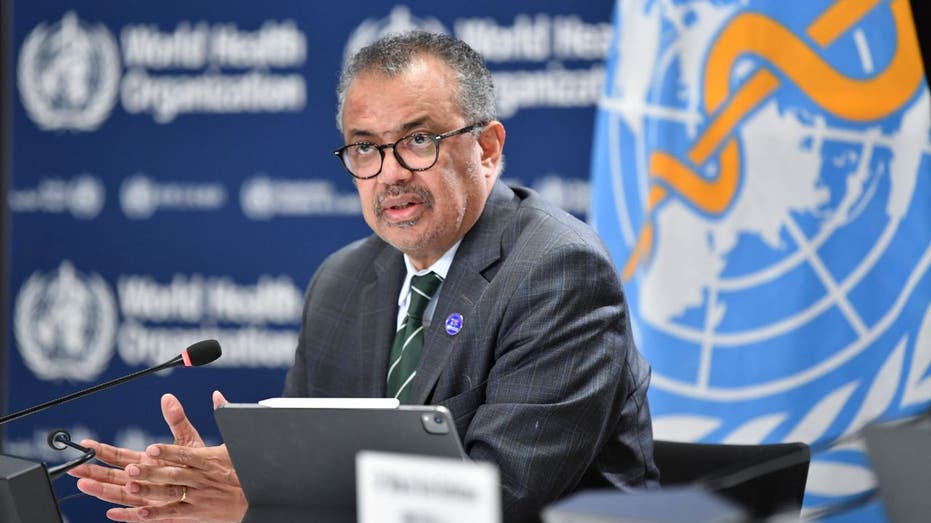
The World Health Organization (WHO) has voiced profound concern regarding the escalating Ebola outbreak across the Democratic Republic of Congo (DRC) and neighboring Uganda. WHO Director-General Tedros Adhanom Ghebreyesus announced Tuesday that an emergency committee would convene to address the crisis, citing the alarming ‘scale and speed’ of the epidemic.
Recent data indicates a rapidly worsening situation, with over 500 suspected cases reported in the DRC and 33 confirmed. Uganda has also registered two confirmed cases. The outbreak has tragically led to 131 fatalities, underscoring the severe threat posed by the virus. This development follows the WHO’s declaration of the outbreak as a public health emergency just days prior.
Escalating Public Health Emergency and Global Response
The urgency of the situation has triggered a robust response from international bodies and national authorities. The WHO has approved significant emergency funding, allocating $3.9 million to support national efforts in containing the virus. Concurrently, the U.S. government issued an urgent travel warning for the DRC, advising caution for those considering travel to the region due to the heightened risk.
These decisive actions reflect the global community’s commitment to mitigating the spread of infectious diseases. The swift convening of the emergency committee by the WHO Director-General highlights the institution’s critical role in coordinating an effective, evidence-based response to protect global health security. Information emerging from various news sources indicates a collective effort to mobilize resources and expertise against this deadly pathogen.
“I’m deeply concerned about the scale and speed of the epidemic.”
— WHO Director-General Tedros Adhanom Ghebreyesus
Understanding the Threat: The Bundibugyo Strain
Officials have identified the current outbreak as being caused by the Bundibugyo strain of Ebola virus. This variant is notably rarer, and existing vaccines may prove less effective against it, posing an additional challenge to public health interventions. Ebola is a severe, often fatal, hemorrhagic fever illness that demands immediate and comprehensive medical attention.
The virus spreads primarily through direct contact with infected individuals, their bodily fluids, or objects contaminated with the virus. Disturbingly, contact with infected corpses also facilitates transmission, complicating traditional funeral practices and requiring sensitive community engagement for safe burials. Understanding these transmission pathways is crucial for implementing effective containment strategies and protecting frontline healthcare workers.
Challenges to Containment and Sustained Vigilance
Several factors are compounding the difficulty of containing this particular Ebola outbreak, making the WHO’s concerns particularly acute. These include:
- Urban Spread: Cases have been identified in densely populated urban areas, including Kampala in Uganda and Goma in the DRC. High population density significantly increases the potential for rapid transmission.
- Conflict Zones: The presence of cases in the conflict-affected province of Ituri in the DRC complicates access for health workers and disrupts public health infrastructure, making surveillance and response efforts exceedingly difficult.
- Rarity of Strain: The Bundibugyo strain’s rarity means less familiarity and potentially reduced efficacy for standard treatments and vaccines, requiring intensified research and adaptive strategies.
- Community Engagement: Gaining trust and cooperation from local communities is paramount for successful contact tracing and safe health practices, a challenge often exacerbated in areas affected by conflict or misinformation.
These complex challenges underscore the need for sustained international cooperation and a robust, coordinated institutional response. Protecting communities and ensuring global health order requires unwavering commitment and agile strategies from national governments and global health organizations alike. The current situation calls for continued vigilance and a united front against the pervasive threat of infectious disease.