

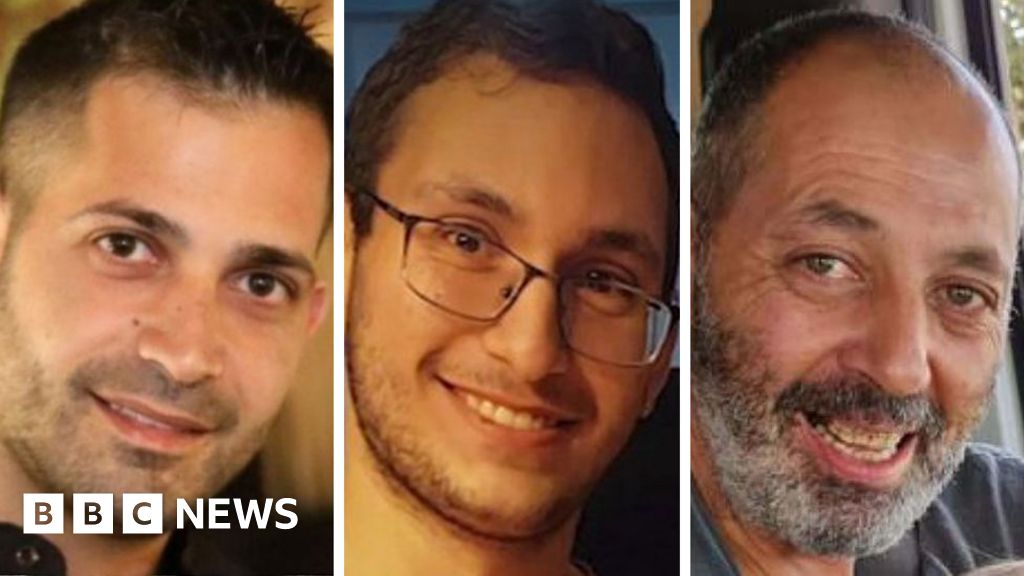
The fragile ceasefire in Gaza has once again come under intense scrutiny, revealing the complex interconnectedness of Middle East geopolitics and the often volatile nature of international diplomacy. After years of conflict, the recent exchange of hostages and bodies marks an unsettling chapter in the ongoing saga, with Hamas and Israel embroiled in a diplomatic dance that could either pave the way for peace or plunge the region back into chaos. The slow return of human remains and the subsequent threats to restrict aid underscore the fragile trust underpinning these negotiations and highlight the far-reaching geopolitical impact that decisions made in Gaza resonate across the global stage.
The ceasefire brokered by the United States, which saw the transfer of all 20 living hostages and the bodies of 45 Palestinians, was hailed as a significant, albeit temporary, breakthrough. Yet, the delay in returning the remaining bodies has ignited tensions within Israel and among international mediators, with Israeli officials warning that further restrictions on humanitarian aid could be imminent. Analysts like Dr. Samuel Cohen from the International Institute for Strategic Studies warn that such delays threaten to unravel current diplomatic efforts, risking a resurgence of violence that could undo months of fragile diplomacy. Meanwhile, Hamas maintains that it is unable to locate the remains, raising questions about the true state of trust and cooperation. This standoff not only tarnishes the image of the ceasefire but exposes the deeper divisions embedded within the ongoing conflict, illustrating how human tragedy is often overshadowed by geopolitical calculations.
At the heart of this crisis lies an intricate web of negotiations, with international mediators—led by Egypt, Qatar, and Turkey—struggling to balance conflicting interests. The initial plan formulated by former U.S. President Donald Trump envisioned a phased withdrawal of arms from Gaza, military disarmament of Hamas, and the eventual transfer of governance to the Palestinian Authority. But these conditions remain out of reach, as Hamas demands guarantees of Palestinian sovereignty before disarming, while Israel insists on comprehensive demilitarization and cessation of weapon smuggling. With Netanyahu reiterating the necessity of disarmament, the prospects for peace appear increasingly distant, especially as recent violence and public executions point to a resurgence of lawlessness that threatens to deepen the chaos.
World leaders and analysts have expressed alarm over the potential derailment of the ceasefire, with UN officials and historians warning that such unresolved tensions could ignite a broader regional conflict. The geopolitical impact extends beyond Gaza, influencing alignments and strategic interests across the Middle East and North Africa. The Middle East’s delicate balance hinges on these negotiations; a failure could open the door for renewed turmoil, drawing in neighboring countries and possibly triggering wider confrontations. The narrative unfolding in Gaza is not just about local suffering but a reflection of a global chessboard where every move has far-reaching implications. As Israeli military operations continue to result in casualties and reports of executions and lawlessness surface from Gaza, the region remains tense, teetering on the edge of a new cycle of violence.
In the shadows of these developments, the weight of history presses down on all involved, reminding the world that the choices made today willdefine the coming decades. Will diplomacy prevail, or will the cycle of violence resume as unresolved grievances grow? As Cold War analysts observe, the current moment resembles a pivotal chapter where the future of Gaza, and perhaps the Middle East itself, hangs in delicate balance—an unfolding story of hope and despair, written by the relentless passage of history.
















