Ceasefire Hangs in Balance as Gaza Conflict Escalates
The fragile ceasefire agreement between Israel and Hamas faces mounting challenges amid recent violent exchanges and grim humanitarian developments. The exchange of bodies underscores the unresolved tensions that continue to threaten the delicate peace process. With the return of two bodies believed to be hostages to Israeli forces, the scene is set for what some analysts describe as a critical turning point—either paving the way for a sustainable ceasefire or delaying the path to lasting peace. Yet, the political and military stakes remain sky-high, with both sides accusing each other of complicity and sabotage, driven by deep-seated resentments and international pressures.
Israel’s decision to close the Rafah border crossing—a vital transit point for aid and civilians—further underscores the escalating stakes. Prime Minister Benjamin Netanyahu‘s office announced that the crossing would remain shut until the return of all remaining hostage remains and the full implementation of the ceasefire. This move, viewed by many as a strategic leverage, creates humanitarian crises for the Palestinian population, emphasizing how the geopolitical impact of decision-making extends beyond immediate military goals to influence the lives of countless innocents. The US, meanwhile, has downplayed concerns about a breach, suggesting that delays, while regrettable, do not threaten to nullify the agreement directly—a stance that international analysts see as a gamble with uncertain consequences.
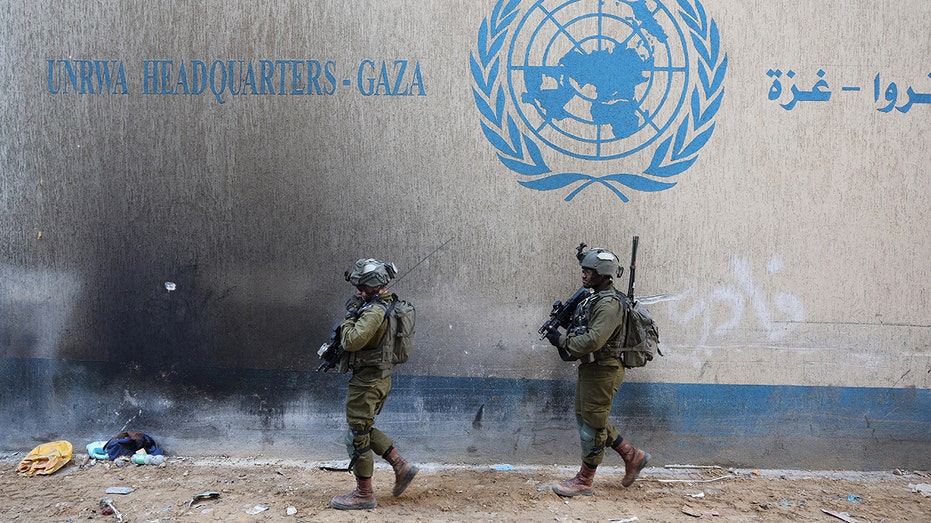
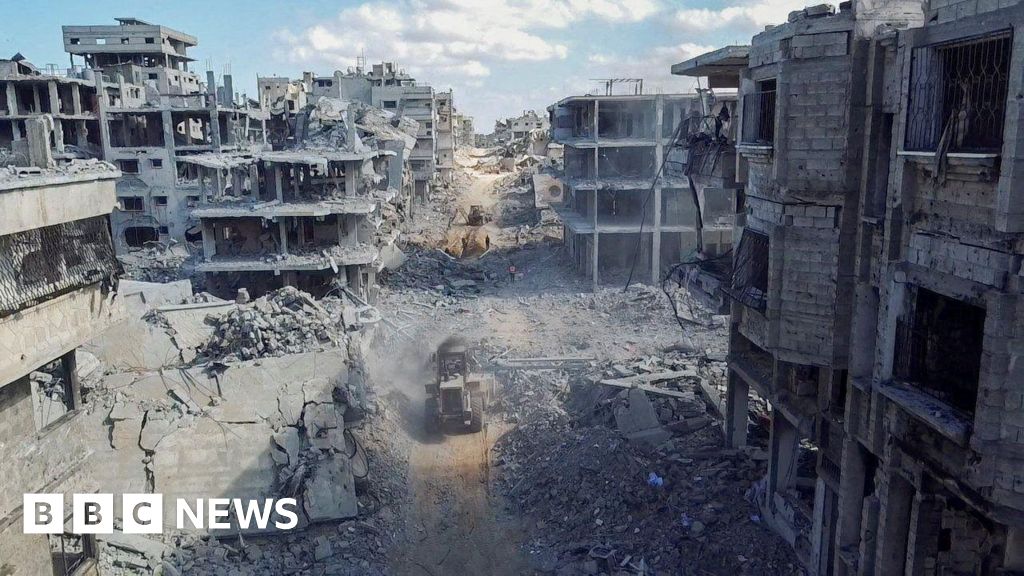
The conflict’s toll stretches beyond the battlefield. Recent reports from the UN describe Gaza as a “wasteland,” with ongoing airstrikes reducing entire neighborhoods to rubble and hindering rescue efforts. Critics such as UN humanitarian chief Tom Fletcher have raised alarm over the devastation inflicted upon the civilian population, warning that this destruction may fuel further unrest and complicate diplomatic efforts. Meanwhile, Hamas has blamed Israel for deliberately hampering recovery efforts by restricting the entry of heavy machinery into Gaza, leaving the task of recovering bodies and repairing infrastructure perilously difficult. The result—an ongoing humanitarian crisis that risks spiraling further out of control, with the weight of history pressing down on all involved.
International Significance and Historical Echoes
- The recent exchange of bodies and prisoners marks only a momentary pause in a conflict that has raged for decades, echoing past failures of diplomacy and trust.
- Global institutions like the United Nations have labeled Israel’s actions in Gaza as genocide, a charge vehemently denied by Israeli officials, highlighting a diplomatic standoff that continues to polarize international opinion.
- Domestic politics in both Israel and Gaza play a significant role in shaping the course of the conflict, with leaders on both sides facing pressure from hardliners and moderates alike—who often interpret international interventions as meddling rather than peace-building.
Beyond regional borders, the geopolitical impact resonates worldwide: the United States’ support for Israel remains a cornerstone of American foreign policy, while Middle Eastern nations watch keenly, wary of the erosion of peace prospects. Historians and analysts warn that the ongoing cycle of violence risks embedding a new generation into a never-ending conflict—fueling hatred, broadening societal divisions, and challenging the very notion of international law. This shadow of history leaves a stark warning: the choices made today will define the fabric of the Middle East—and the future of global stability—for generations to come.
Conclusion: The Unfolding Saga
As this chapter in the saga of Gaza unfolds, the world holds its breath, caught between hope and despair. The relentless march of events—each death, each negotiation, each crossing—paints a story of a region teetering on the edge of a new epoch. Will diplomacy finally break the cycle of violence? Or will the weight of history continue to cast its long shadow? Only time will tell, but the urgency remains clear: for the inhabitants of Gaza, for the families torn apart, and for the global community watching from afar, the next move could either herald a new dawn or consign the region once again to the darkness of unending conflict. The pages of history are still being written—an enduring testament to the peril and promise embedded in every decision made today.