Revolutionizing Personal Health Monitoring: Kohler’s Dekoda and the Future of Digital Health Devices
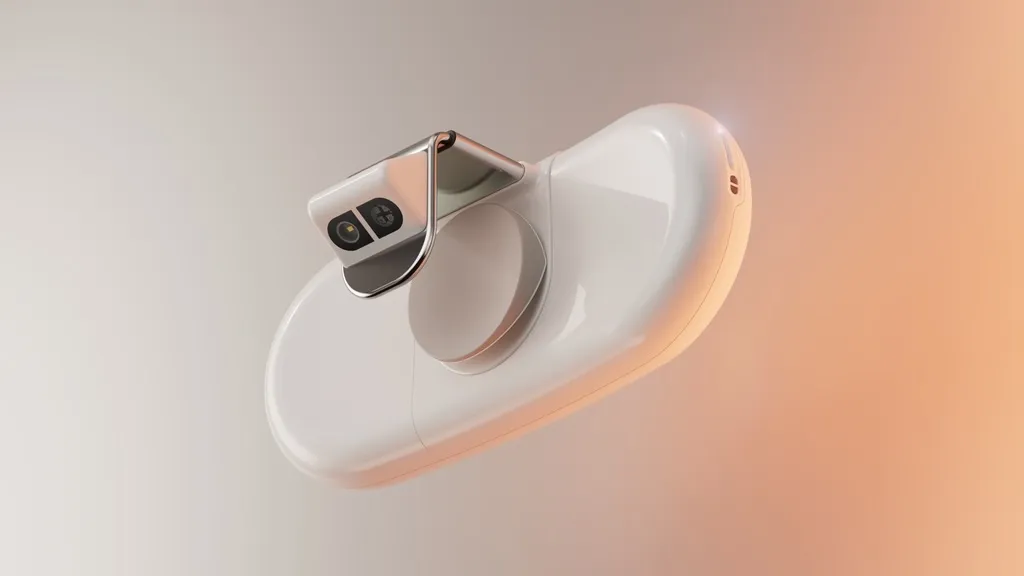
Kohler, a renowned leader in home goods, has entered the healthtech arena with its groundbreaking device, Dekoda. Priced at $599, this miniature camera attaches directly to the toilet bowl and provides users with real-time imaging of their digestive output. While this innovation is undeniably disruptive, it signals a broader trend toward integrating digital technology into daily routines, transforming personal health monitoring from conventional checkups to continuous, at-home diagnostics.
The Dekoda leverages advanced imaging technology along with AI-driven analysis to offer insights into gut health, hydration levels, and even detect potential blood in stool—key indicators often linked to serious health conditions. Its design incorporates a rechargeable battery, USB connectivity, and a fingerprint sensor that ensures user identification, emphasizing both convenience and security. According to CNET, the device is available for pre-order, with shipments to commence on October 21, accompanied by a subscription model ranging from $70 to $156. This business model exemplifies how tech firms are shifting toward recurring revenue streams, much like the SaaS industry, by embedding continuous health insights into consumer routines.
Market Implications and Industry Disruption
The advent of the Dekoda signifies a seismic shift in the health and wellness industry—an industry historically dominated by medical professionals and traditional diagnostics. With startups like Throne emerging with comparable products, a new competitive landscape is forming. Disruption here is driven by consumer demand for more personalized, at-home health solutions—an emerging vertical that giants like Apple and Gartner predict will expand rapidly over the next decade.
This development also raises strategic questions for established healthcare systems and insurance providers, who must now contend with increasingly accessible, user-driven diagnostic data. As Peter Thiel and other Silicon Valley visionaries have emphasized, the convergence of hardware, AI, and data analytics will elevate individuals from passive health consumers to active participants in disease prevention and health management. Such trends push the industry towards a future where early detection and proactive health interventions become the norm, reducing long-term healthcare costs but also shaking up regulatory frameworks.
Challenges and Ethical Considerations
Despite its promise, Dekoda and similar innovations evoke critical concerns around privacy, data security, and user consent. Kohler assures customers that the device’s sensors only see within the toilet bowl and guarantees end-to-end encryption for all data. However, industry analysts warn that widespread adoption may catalyze a wave of privacy infringements, with sensitive health data vulnerable to hacking or misuse. As the market matures, regulatory agencies will likely impose stricter standards, but the pace of innovation risks outstripping policy development, leaving consumers exposed.
Disruptive technologies like Dekoda exemplify a rapidly evolving frontier where innovation intersects with ethics. Tech giants and startups alike are racing to carve out dominance in a space that could redefine healthcare delivery. In the coming years, advancements in AI, machine learning, and sensor miniaturization will further push the boundaries of what personal health devices can achieve, fostering both excitement and caution among industry experts and consumers alike.
Future Outlook: A Call to Action for Industry Leaders
As this market accelerates, the question for entrepreneurs, investors, and policy makers is clear: who will set the standards for privacy, security, and ethical deployment of these transformative devices? The proliferation of toilet cameras like Dekoda indicates that innovation is no longer confined to high-end labs—it’s now embedded in everyday life, demanding agile yet responsible stewardship. With every new development, the stakes rise higher, underscoring the necessity for rapid technological progress paired with robust safeguards. The future of personal health technology is here, and those who embrace disruption while navigating its challenges will shape healthcare’s next era.