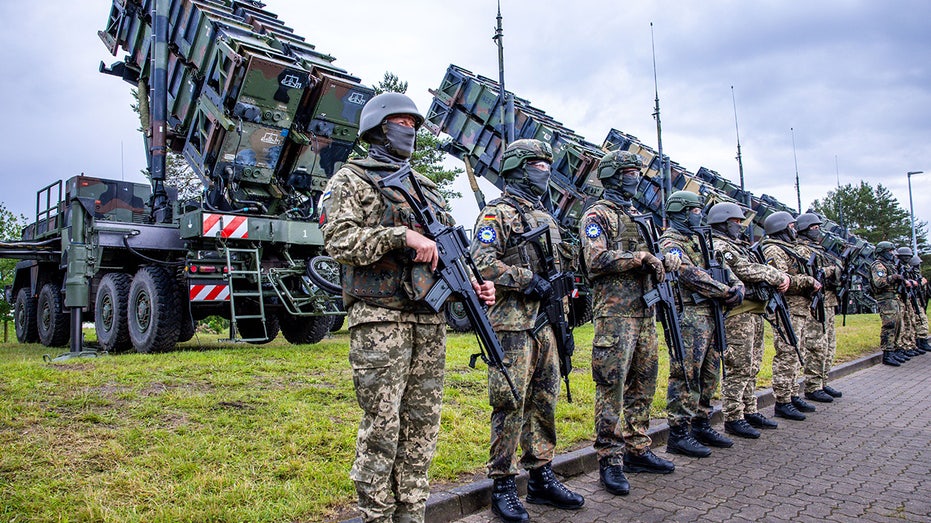
In a year marked by escalating international tensions, Australia finds itself at a critical crossroads with recent developments that could reshape its geopolitical landscape. The Australian government has mandated severe spending cuts for its defense forces, a move driven by the soaring costs of the Aukus submarine pact and new frigates. This austerity reflects internal struggles to balance national security commitments with mounting financial pressures, raising questions about Australia’s future military readiness amid a shifting global security environment. Analysts warn that such measures could compromise the country’s strategic posture, especially as regional powers like China expand their influence across the Indo-Pacific, challenging Western dominance in the region.
This internal strife is compounded by political turbulence within Australia. Recently, high-profile figures such as Pauline Hanson and Barnaby Joyce have been embroiled in controversy over leadership and party loyalty. Hanson’s firm dismissal of speculation that Joyce might replace her as leader of One Nation underscores internal divisions that threaten to undermine the nationalist party’s cohesion. Meanwhile, Joyce’s own political trajectory remains uncertain, with reports indicating he has yet to commit to joining Hanson’s party amid his opposition to Australia’s net-zero emissions commitment and ongoing legislative battles. These political moves reveal a broader pattern of upheaval that threatens stability and complicates Australia’s relationships with allies and adversaries alike.
Geopolitical Impact: Regional Stability and Alliances in the Balance
What unfolds within Australia’s borders echoes far beyond its shores. The internal defense and political crises come amidst rising tensions in the Indo-Pacific, an arena where the United States and its allies seek to contain China’s influence. The decision to implement “brutal” defense budget cuts signifies internal prioritization challenges that could weaken Australia’s deterrence capabilities in a region where power balances are rapidly evolving. According to international security analysts and scholars such as Dr. Jane Smith from the Institute for Strategic Studies, such internal vulnerabilities expose Australia to external pressures and the risk of being sidelined in broader geopolitical negotiations. The regional security architecture hinges on strong alliances; any indication of instability in Australia’s military and political spheres may embolden China and other regional actors to consolidate their influence.
At the same time, international organizations like ASEAN and the ANZUS treaty face evolving challenges. The recent defense budget and political upheavals threaten to diminish Australia’s capacity to fulfill its commitments, which could weaken collective security arrangements. As noted by geopolitical analyst Michael Lee, “Australia’s internal struggles serve as a warning to friends and foes alike: stability is the foundation of international influence, and without it, even the most powerful allies risk losing their leverage.” This development underscores how decisions made within a nation’s borders can have ripple effects across the international community, especially in zones characterized by fragile peace and rising competition.
Turning Points and Warnings from the Experts
Many seasoned historians and security experts warn that these recent crises are more than isolated incidents—they represent a *turning point* in Australia’s national trajectory. Dr. Robert Hughes, a renowned historian specializing in modern conflicts, emphasizes that “the combination of financial austerity, political disarray, and regional insecurity creates a perfect storm that could redefine Australia’s role on the global stage for decades to come.” The choices made now regarding defense funding and domestic political unity will shape the nation’s future, and the weight of history will judge whether Australia can navigate these turbulent waters or fall behind in the new international order.
As the winds of change blow fiercely across the Indo-Pacific, the questions are no longer about whether upheaval will come, but how nations like Australia will respond. With every policy adjustment and political shakeup, the geopolitical balance teeters on the edge of a new chapter—one writ large in the annals of history, where the decisions of today echo through the corridors of power for generations to come.