Community in Flux: Addressing the Impact of School Repairs on Families and Education
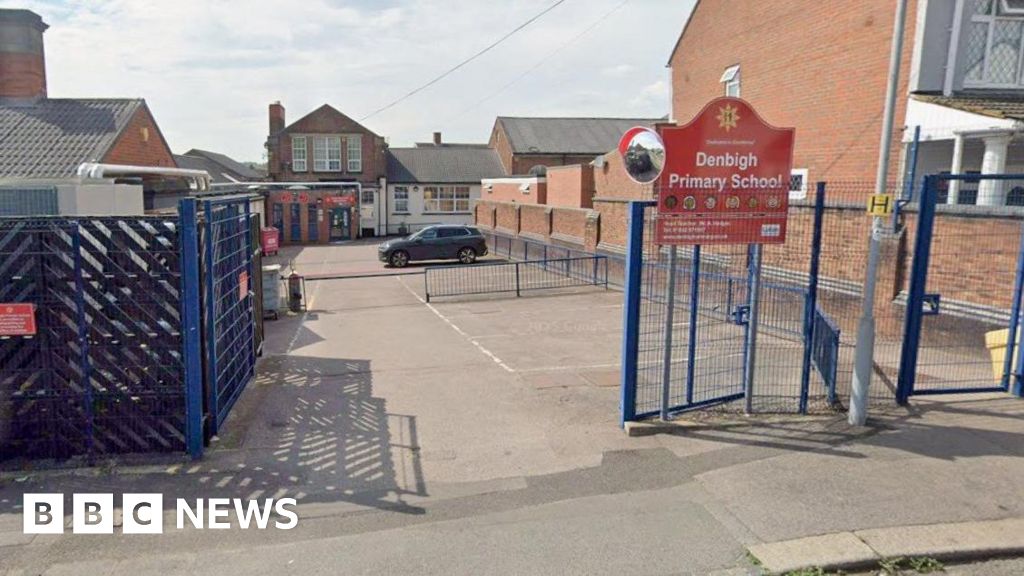
In the heart of communities like Luton, where education serves as the backbone of society, unexpected disruptions to schools reveal much about the ongoing challenges faced by today’s families. The recent closure of Denbigh Primary School for six months, due to necessary ceiling repairs, underscores a broader societal issue: how infrastructure issues can ripple across communities, affecting educational stability, family routines, and social cohesion. Despite being a temporary inconvenience, such measures highlight the urgent need for systematic investment in local schools—an issue that sociologists and community leaders increasingly scrutinize as a failure of policy and priorities.

The decision to relocate students, from January onward, to a temporary site on the Bishopscote Road playing fields until July 2026, is more than just logistical; it exposes the vulnerability of our civic infrastructure. The routine inspection that uncovered the ceiling issues sheds light on a systemic neglect—where routine maintenance often takes a backseat amidst funding constraints and administrative oversight, risking safety and long-term community well-being. As historians like E.P. Thompson have observed, neglect of foundational institutions such as schools often signals deeper societal fissures—fissures that threaten to widen if immediate action isn’t prioritized.
At the core of this issue are
- the safety of children and staff,
- the disruption of daily routines for working families,
- and the collection of socio-economic disparities that often underlie infrastructure deficiencies.
The local authorities emphasize that these repairs are mandatory to preserve the “long-term stability and safety” of the school. Yet, critics argue that such measures should be part of a comprehensive, proactive strategy—rather than reactive fixes—highlighting the importance of investing in building resilient educational environments that can withstand future challenges.
For families, these disruptions translate into upheaval, forcing parents to adapt work schedules and children to face new routines—an emotional toll that can ripple through families’ social fabric. Educational stability is more than just infrastructure; it’s about fostering environments where young minds can thrive without fear or interruption. Addressing these issues calls for not only immediate repairs but also a societal reckoning with *how* and *where* we choose to allocate resources. As social commentators argue, investing in the physical and moral fabric of our schools is an investment in the moral health of our society itself.
Ultimately, society stands at a crossroads: it can continue to neglect the vital institutions that shape its future or embrace a revolutionary approach rooted in proactive investment and community engagement. The challenge is to recognize that social issues are inherently intertwined with infrastructure, education, and family well-being. As communities rally to support their children and staff during this transitional period, they embody a collective hope—a hope that society’s focus will shift from short-term fixes to sustained, meaningful reform. Because in saving our schools, we also save our future generations, reaffirming our shared belief that resilience begins with community action, and hope persists in the steadfast belief that society can, and must, do better.”