Tanzania has made a controversial decision to cancel its upcoming Independence Day celebrations, redirecting national funds toward rebuilding infrastructure damaged amid recent election unrest. Prime Minister Mwigulu Nchemba announced this shift, emphasizing the government’s focus on internal stability over patriotic festivities. This move underscores the deepening political crisis in East Africa’s second-largest economy and raises questions about how destined to be a model of stability Tanzania is becoming. Nevertheless, international analysts warn that such austerity measures reflect underlying political fractures that threaten both regional and global security.
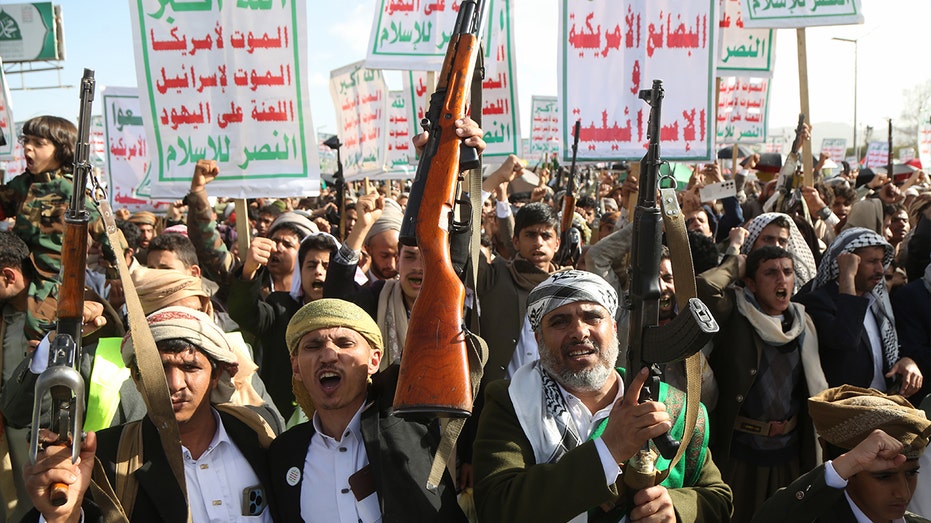
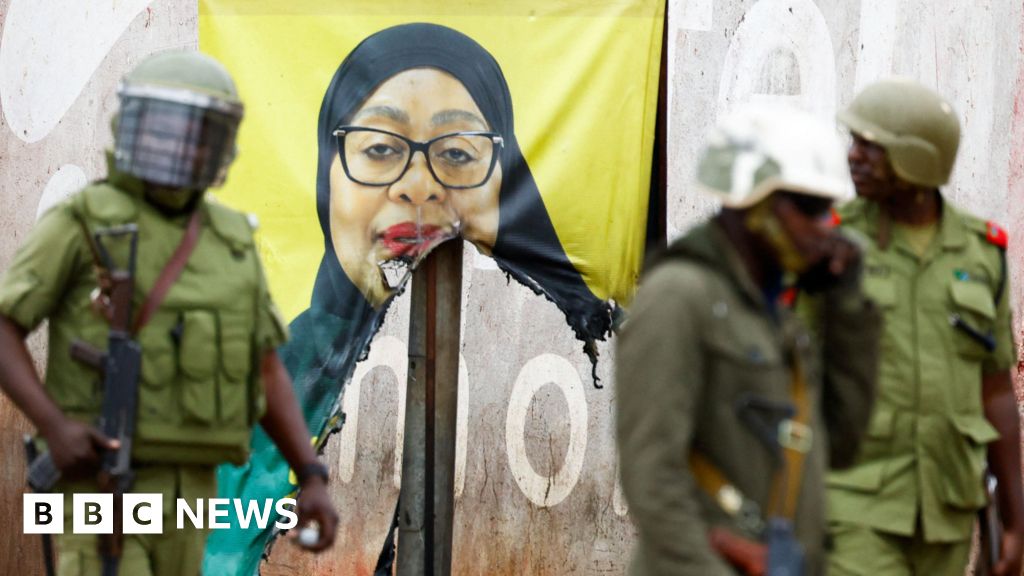
The backdrop to this decision is a disputed election perceived by many experts as a clear deviation from democratic norms. President Samia Suluhu Hassan secured a landslide victory with 98% of the vote—an outcome widely dismissed by opposition figures as a “mockery of democracy.” Her main rivals were either detained or disqualified, fueling accusations of electoral manipulation. Election observers, including representatives from renowned organizations, pointed to irregularities and a flawed process, suggesting the vote fell short of fair standards. Meanwhile, the government responded with an internet blackout during the vote, and a crackdown on protests, which has resulted in the deaths of hundreds—an assertion still denied by authorities but corroborated by numerous eyewitness reports. The international community watches this unfolding crisis with concern; the African Union and United Nations have urged transparency and dialogue, but the substance of their influence remains uncertain.
Amid these circumstances, the Tanzanian government has sought to reframe its narrative, claiming that the protests and political repression are exaggerated efforts by critics aiming to tarnish national pride. Yet, reports of mass arrests—including charges of treason against at least 240 protesters—along with the perceived erosion of democratic space, serve as stark warnings of how fragile Tanzania’s political fabric has become. Historians and geopolitical analysts alike warn that such internal strife in pivotal regional nations not only impacts national stability but also shifts the global balance of power. Analysts from International Crisis Group emphasize that sustained instability in Tanzania could embolden authoritarian tendencies in similar states and undermine regional cooperation efforts, which are central to Africa’s economic development initiatives.
As President Hassan seeks to navigate this turbulent period, her administration’s push for political dialogue and appeals for national unity appear increasingly symbolic. The decision to halt Independence Day celebrations, a hallmark of national pride, highlights both internal dissension and the potential for long-term consequences on Tanzania’s geopolitical standing. How this crisis unfolds will sculpt the narrative of East Africa’s future: a region caught at the crossroads, where the choices made today will echo through history’s corridors for generations. Making perhaps the most solemn reminder of the weight carried by leaders: in the grand chessboard of international relations, the game is far from over—and the stakes have never been higher.