Matox News

Truth Over Trends, always!

Peruvians Vote to End Year of Political Turmoil

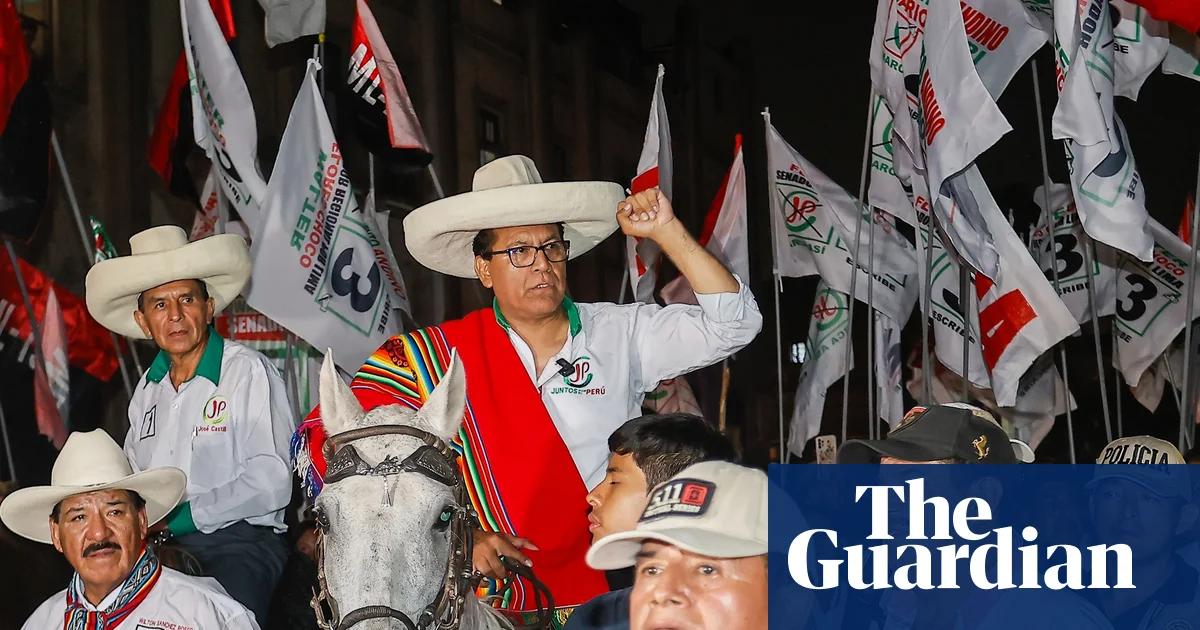
As Peru heads to the polls on Sunday, the nation stands on the brink of what could be a defining moment in its turbulent political history. The country, suffering from deep-rooted systemic instability, is grappling with a record 35 presidential candidates vying for power amidst a landscape rife with corruption, surging crime, and waning trust in institutions. The recent upheavals have created a perfect storm where the long-standing crisis of governance threatens to reshape the country’s future while exposing the vulnerabilities in Peru’s fragile political fabric.

  • The upcoming election is a reflection of the country’s frustration with corruption, with four former presidents currently jailed, most linked to bribes involving the multinational construction giant Odebrecht.
  • Record homicide and extortion rates highlight the urgent need for effective leadership, yet none of the candidates currently polls above 15%, suggesting a turbulent path to a clear outcome.
  • Analysts warn that the election’s unpredictability could lead to a runoff on 7 June, with surprises possibly emerging at the last minute, highlighting the volatile nature of Peru’s political landscape.

Among the contenders, Keiko Fujimori, the daughter of the former autocrat Alberto Fujimori, continues to hold a narrow lead in polls. Her repeated bids for the presidency, marked by a legacy tied to a controversial past, symbolize Peru’s ongoing struggle with its collective memory and the enduring influence of political dynasties. Meanwhile, populist figures such as Lima’s former mayor Ricardo Belmont have gained ground with promises of “hugs not bullets,” appealing to the youth and marginalized voters disillusioned with traditional politics. Analyst Gonzalo Banda remarks that Belmont’s anti-establishment stance indicates a broader dissatisfaction, capturing votes across the ideological spectrum, even as his rhetoric sometimes veers into xenophobia and sexism, further complicating the nation’s path forward.

The election also features candidates with more radical platforms, such as Jorge Nieto, a former defense minister promoting centrist policies, and Álvarez, a comedian turned political outsider who advocates for tough-on-crime measures reminiscent of Nayib Bukele in El Salvador. The emergence of a celebrity candidate who employs humor as a form of political critique underscores a broader frustration—many Peruvians feel alienated from the traditional political elite, perceiving their leaders as disconnected from the country’s urgent needs. This landscape of fractured trust signifies a deep crisis in the social contract, with nobody currently representing a renaissance capable of restoring hope or stability.

International observers, including scholars from University College London and organizations like the United Nations, warn that Peru’s choice in this election will have profound geopolitical impact. A government viewed as driftless or susceptible to populist demagoguery could embolden similar movements across the region, destabilizing a vital corridor of South America. Furthermore, the international community’s response to Peru’s political chaos will test the resilience of democratic institutions amidst a tide of discontent that threatens to spill beyond national borders. History’s pen is poised to write a chapter of upheaval and renewal—yet the outcome remains shrouded in uncertainty, leaving the world to witness the unfolding drama of a nation fighting to find its voice once more.
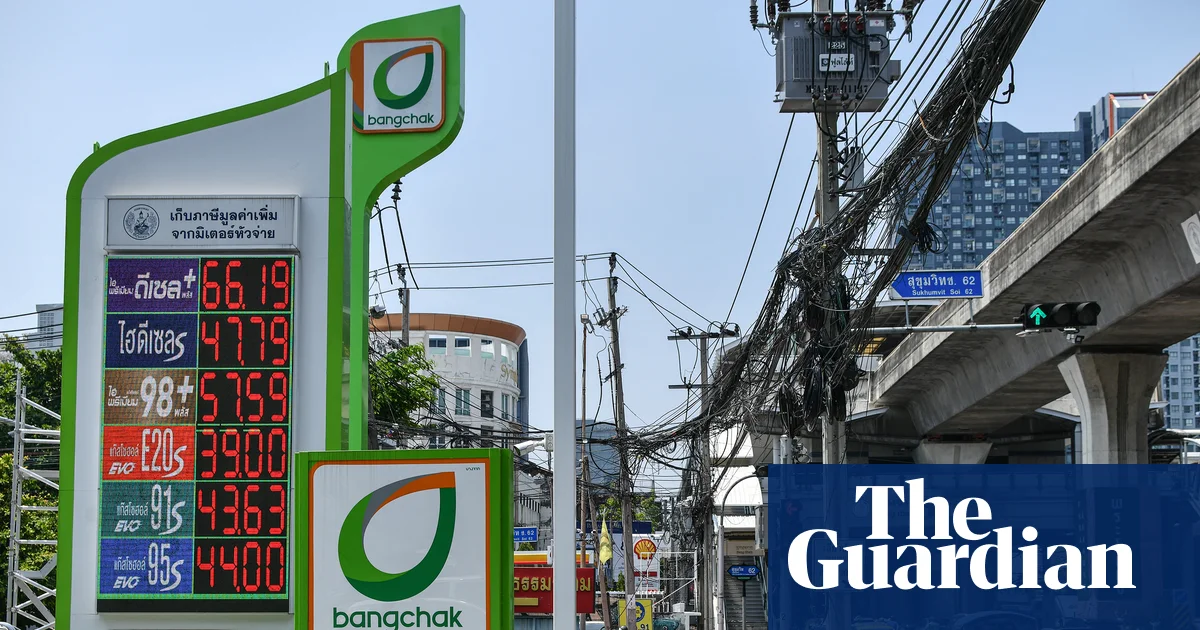

Thailand PM urges energy conservation amidst Middle East turmoil driving price spikes

Thailand’s Response to the Middle East Conflict: A Sign of Broader Regional Unrest

As tensions continue to escalate in the Middle East, nations across Asia are facing profound economic and geopolitical ripples that threaten their stability and sovereignty. Thailand, a strategic Southeast Asian nation often considered a regional economic hub, has recently declared a state of heightened alert, urging its citizens and private sectors to conserve energy amid fears of further disruptions in oil and gas supplies. Prime Minister Anutin Charnvirakul emphasized the nation’s vulnerability due to its heavy reliance on imported fossil fuels, highlighting the precarious position many countries find themselves in during ongoing international conflicts. His appeal for energy conservation — including work-from-home policies, carpooling, and increased dependency on public transportation — underscores an urgent recognition that past complacency regarding energy security can no longer be maintained.

This call for austerity is not isolated; across Asia, governments are adopting a concerted approach to mitigate immediate economic shocks by implementing measures like four-day workweeks, restrictions on overseas travel, and austerity protocols in government operations. The Philippines and Sri Lanka have introduced reduced working schedules for public-sector employees, reflecting a regional consensus that energy and economic stability are now intertwined in the broader geopolitical chessboard. Meanwhile, Vietnam has encouraged remote work as a tactical move to lower energy consumption. Such measures, while seemingly temporary, signal a strategic shift in how these nations perceive their long-term energy vulnerabilities amid upheavals that could reshape geopolitical alignments and economic dependencies.

The ripple effects extend into the economic fabric of Thailand itself. The country’s government announced plans to tighten control over crude palm oil exports and regulate bottled palm oil prices to safeguard domestic supplies amidst rising biodiesel demand. Concurrently, the soaring cost of diesel — now exceeding 50 baht per litre — is plunging sectors critical to national stability, including agriculture and transportation, into crisis. The immediate impact is felt acutely by farmers and tourism operators preparing for Songkran, the Thai New Year, where internal travel traditionally surges but may now dwindle due to inflated travel costs and airline disruptions. This economic strain, driven by international conflicts, exemplifies how volatile energy markets are inexorably linked to social stability and national sovereignty, especially for resource-importing nations caught in the crossfire of global geopolitics.

Analysts and international organizations are wary of the long-term consequences. The International Energy Agency warns that ongoing conflicts could induce a “prolonged energy crunch,” exacerbating inflation and social unrest in nations that rely heavily on imported fuel. Historians like Barbara Tuchman have documented how such resource-driven crises often accelerate political change, underscoring the importance of strategic foresight. For Indonesia, recent measures include a substantial surcharge hike on jet fuel and permission for airlines to raise domestic ticket prices by up to 13%, a move signaling that even oil-rich states are not immune to global supply shocks. Such policies deepen the economic fracture lines, further impacting the geopolitical landscape by fueling nationalism and economic protectionism—an ominous trend that could redefine alliances in the Indo-Pacific and beyond.

As these nations scramble to shield themselves from the dangerous ripple effects of Middle East conflicts, the broader geopolitical battle for energy dominance intensifies. From Beijing to Washington, global powers watch warily, aware that the decisions made today will write the chapters of future history. The Asian responses serve as a stark reminder that energy security is now a vital component of national sovereignty, intertwined with cultural and political stability. With each policy enacted and each resource conserved, nations are staking their claim in a high-stakes game where the consequences of inaction echo through generations. As the world stands at this precarious crossroads, the true magnitude of international upheaval remains unfolding, leaving history to judge whether these measures will herald resilience or further unravel the fragile fabric of global peace.

Next warns Middle East turmoil could add £15m to costs, driving prices higher

Global Turmoil in the Middle East Sends Ripples Through International Markets and Societies

As the conflict in the Middle East intensifies, international corporations and economies brace themselves for the profound geopolitical impact of ongoing hostilities. The latest figures from UK-based retailer Next reveal an expected £15 million increase in costs over the next three months, a direct consequence of the region’s instability. This increase, primarily attributed to surging fuel and air freight expenses, underscores how conflicts far from home can disrupt global supply chains and threaten economic stability. Analysts warn that if the conflict persists beyond the projected timeframe, inflationary pressures could deepen, affecting markets worldwide.

Despite these immediate challenges, Next remains optimistic about its financial performance, having already reported a 14.5% rise in pre-tax profits to £1.16 billion and an 11% increase in sales to £7 billion in the past fiscal year. This resilience, according to economic observers, is partly driven by robust overseas sales and strategic acquisitions, such as Cath Kidston. However, the company’s forward guidance openly acknowledges uncertain medium-term prospects due to the conflict’s potential to impair supply chain resilience, elevate freight costs, and dampen consumer demand in key markets, particularly in the Middle East where the company’s revenue accounts for approximately 6% of its group turnover. In this environment, corporate strategies now increasingly involve stockpiling and leveraging artificial intelligence to mitigate disruptions and optimize operations, reflecting a broader shift toward technological adaptation amid geopolitical chaos.

Meanwhile, global institutions and geopolitical analysts are warning that the conflict’s escalation could trigger a cascade of economic repercussions. The United Nations and World Bank have expressed concern over the destabilization of regional energy infrastructures, which could lead to sustained increases in oil and gas prices and intensify inflationary trends worldwide. Historically, similar conflicts have demonstrated how regional upheavals can morph into global crises, with supply chain bottlenecks and resource wars exacerbating inequalities and threatening social stability across continents. As tensions escalate and the conflict drags on, the world stands on the precipice of an unpredictable economic and geopolitical shift.

In reflection of this volatile landscape, some nations are reevaluating their strategic dependencies, emphasizing energy independence and technological sovereignty. For many, the recent surge in military conflicts points to a broader pattern of entrenching global conflicts that threaten international order. As history attests, the aftermath of such upheavals often leaves an indelible mark on societies, prompting major shifts in geopolitical alliances and economic paradigms. The unfolding pages of history continue to write a story of chaos and resilience, where the choices of leaders and nations today will determine the trajectory of global stability for generations to come. And as the global community watches with bated breath, one truth remains clear: the weight of history is still unfolding, and the future remains uncertain.

Mugabe Family in Turmoil: Arrests and Allegations After Fall from Power

The impending court appearance of Bellarmine Mugabe, the former first lady of Zimbabwe, signals yet another chapter in the country’s turbulent political saga. Once a symbol of Zimbabwean nationalism under her husband, Robert Mugabe, her legal troubles have become emblematic of a broader reckoning with the country’s past governance and ongoing attempts to reshape its political landscape. As she prepares to face justice, international observers and local citizens alike are analyzing the ripple effects on Zimbabwe’s stability and its geopolitical posture.

Historically, Zimbabwe‘s political trajectory has been entrenched in struggles over sovereignty, power consolidation, and economic resilience. After Robert Mugabe was ousted in 2017, a new era was supposed to dawn; however, the legacy of the Mugabe era lingers through figures like Bellarmine Mugabe and other members of the former first family. The current legal proceedings highlight the ongoing efforts by Zimbabwe’s government to address alleged corruption and abuse of power, but also raise questions about whether this is a genuine move toward justice or a strategic attempt to cleanse political rivals and solidify new leadership. International organizations, such as the African Union and South African Development Community, are closely monitoring these developments, wary of whether this represents genuine accountability or political theater.

Analysts warn that the geopolitical impact of these internal conflicts extends beyond Zimbabwe’s borders. As the country seeks to recover from decades of economic decline and social unrest, the actions of current leaders—who now aim to hold their predecessors accountable—are being scrutinized for their long-term implications. Some experts caution that internal prosecutions, if perceived as selective or politicized, could undermine fragile institutions and alienate parts of Zimbabwean society that remain loyal to the Mugabe legacy. Meanwhile, international actors such as China and former colonial powers like the United Kingdom are watching keenly, aware that Zimbabwe remains a crucial piece in the regional power puzzle, especially amid regional shifts and global geopolitical tensions.

  • The court proceedings against Bellarmine Mugabe represent a symbolic moment, serving as a test of Zimbabwe’s commitment to justice amid political upheaval.
  • These events coincide with a broader push by Zimbabwean authorities to combat corruption and reform state institutions, though critics argue that much remains to be done to achieve genuine transparency.
  • Regional leaders and international organizations are calling for a balanced approach—recognizing historic grievances while ensuring stability and adherence to the rule of law.

Delving into the implications for Zimbabwe’s society, the specter of upheaval and the unresolved legacy of Robert Mugabe continue to influence public sentiment. For many, these developments are less about justice and more about political survival—both for those in power and for the opposition that remains divided. Historians and political analysts warn that Zimbabwe’s future depends on how effectively its leaders reconcile with its tumultuous past without falling prey to cycle of instability. As the nation stands at a crossroads, the weight of history presses heavily on its shoulders, suggesting that the choices made today will reverberate through generations to come. The unfolding drama of Zimbabwe’s political fate serves as a stark reminder that history is often written in moments of crisis, and the outcome remains uncertain, hanging like a shadow over a nation eager to write a new chapter—but still haunted by its past.

Monaco Yacht Show Doubles Down: Global Turmoil Can’t Sink the Luxury Wave

Living Large in Monaco: The Resilient Allure of Superyachts

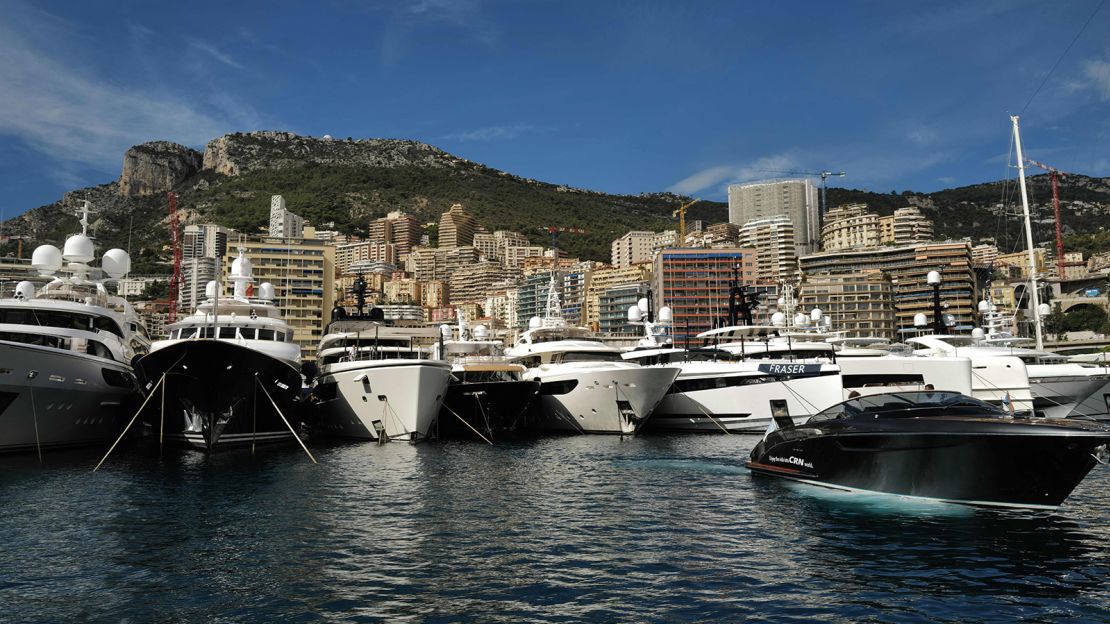
In a world beset by international conflict, rising energy prices, and lingering pandemic uncertainties, one of the most captivating spectacles continues to defy global turmoil: the Monaco Yacht Show. This annual event, held in the glamorous Mediterranean enclave, showcases some of the world’s most extravagant and technologically advanced superyachts ranging up to over 100 meters in length. Despite a backdrop of geopolitical anxiety, the event attracted a record-breaking assembly of luxury vessels, a testament to the resilience and enduring allure of luxury lifestyle.

The Monaco Yacht Show exemplifies how wellness and leisure pursuits remain pillars of personal well-being for the wealthy and aspirational alike. As Johan Pizzardini, the show’s communications head, notes, all of the world’s leading superyacht brands and the latest models were present, including 118 magnificent vessels with a combined value near $3.8 billion. Even amidst economic uncertainty, luxury yacht ordering remains robust, with new entries like the record-breaking AHPO, a 115.1-meter giant from German builder Lürssen, making waves in the industry. The message is clear: for the elite, investment in personal escape—whether by land or sea—continues to be a priority, fostering a culture centered around self-optimization and life’s pleasures.

Emergence of New Buyers and Design Innovations

This year’s event showcased a shift in buyer demographics. Not only seasoned yacht owners but also first-time luxury yacht buyers are making splashes with their debut vessels. New models like the 60-meter Lusine from Dutch shipyard Heesen, which boasts exquisite interiors by Sinot Yacht Architecture, exemplify this trend. Interior design experts such as Ron Holland and Francesco Paszkowski continue to elevate yacht aesthetics, blending functional luxury with cutting-edge sustainability. For many, this pursuit is more than ostentation: it’s about creating personal sanctuaries that promote mental/physical health and inspire.

Innovations like hybrids and eco-conscious propulsion systems reflect a _growing emphasis on environmental responsibility_. Tankoa’s Kinda, with its hybrid engine modes, encapsulates this commitment—combining power, efficiency, and a respect for nature. Such focus aligns with wellness experts advocating for a sustainable lifestyle that harmonizes indulgence with planetary stewardship, showing how luxury can coexist with _\u201cmindful living\u201d_ principles.

Industry Confidence and Investment in Dreamscapes

Despite recent sanctions impacting the Russian superyacht industry, the global order book remains strong. CEOs like Arthur Brouwer of Heesen report record orders, with over 1,000 superyachts under construction worldwide—a 24% increase from the previous year. This surge illustrates a confident market driven by a pandemic-inspired mindset: a desire to seize the moment and embrace personal freedom through luxurious escapism. For many, these vessels are more than assets—they are floating retreats that foster community, rejuvenation, and escape into wellness.

Moreover, the event revealed an ever-expanding array of custom features—from vibrant murals and opulent materials like mother-of-pearl and rare woods, to innovative amenities such as onboard gyms, massage salons, and helipads. These details exemplify how personalized experiences and lifestyle upgrades are shaping a new era of private luxury. Industry leaders emphasize that even in uncertain times, the quest for personal excellence remains a steadfast pursuit, fueling continued shipbuilding and innovation.

This glamorous gathering in Monaco reminds us that lifestyle is an ongoing voyage—a pursuit of balance, beauty, and strength amid the chaos. Like the majestic vessels that glide through azure waters, our own journeys are marked by resilience, innovation, and a relentless pursuit of betterment. In embracing these ideals, we discover that luxury isn’t just about material wealth—it’s about cultivating inner peace and creating spaces where one can truly thrive. As the world sways with uncertainty, the message is clear: through vision, craftsmanship, and a bold yearning for living fully, the journey to personal fulfillment continues unabated.

Tanzania Cancels Independence Day Festivities Amid Election Turmoil

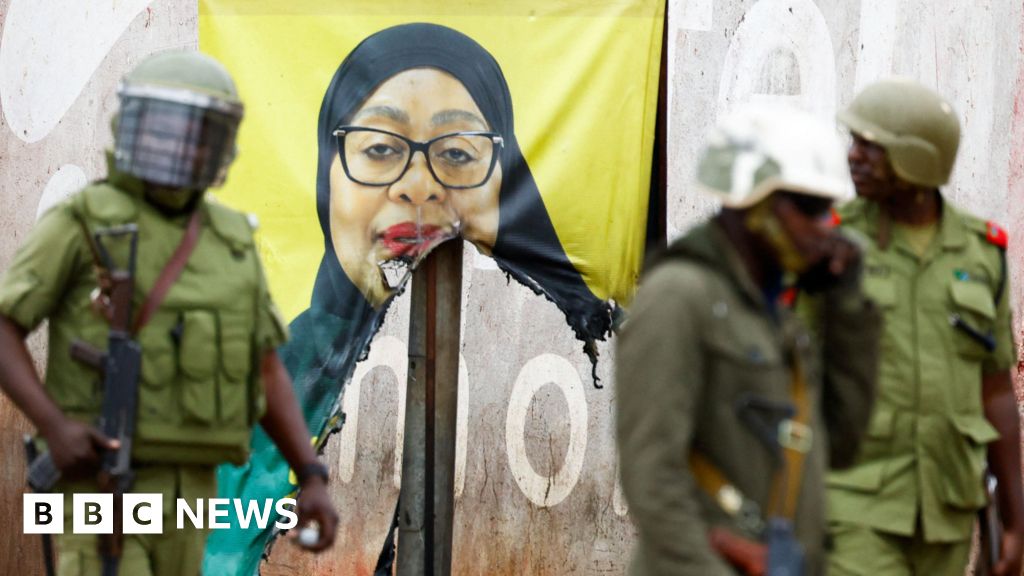
Tanzania has made a controversial decision to cancel its upcoming Independence Day celebrations, redirecting national funds toward rebuilding infrastructure damaged amid recent election unrest. Prime Minister Mwigulu Nchemba announced this shift, emphasizing the government’s focus on internal stability over patriotic festivities. This move underscores the deepening political crisis in East Africa’s second-largest economy and raises questions about how destined to be a model of stability Tanzania is becoming. Nevertheless, international analysts warn that such austerity measures reflect underlying political fractures that threaten both regional and global security.

The backdrop to this decision is a disputed election perceived by many experts as a clear deviation from democratic norms. President Samia Suluhu Hassan secured a landslide victory with 98% of the vote—an outcome widely dismissed by opposition figures as a “mockery of democracy.” Her main rivals were either detained or disqualified, fueling accusations of electoral manipulation. Election observers, including representatives from renowned organizations, pointed to irregularities and a flawed process, suggesting the vote fell short of fair standards. Meanwhile, the government responded with an internet blackout during the vote, and a crackdown on protests, which has resulted in the deaths of hundreds—an assertion still denied by authorities but corroborated by numerous eyewitness reports. The international community watches this unfolding crisis with concern; the African Union and United Nations have urged transparency and dialogue, but the substance of their influence remains uncertain.

Amid these circumstances, the Tanzanian government has sought to reframe its narrative, claiming that the protests and political repression are exaggerated efforts by critics aiming to tarnish national pride. Yet, reports of mass arrests—including charges of treason against at least 240 protesters—along with the perceived erosion of democratic space, serve as stark warnings of how fragile Tanzania’s political fabric has become. Historians and geopolitical analysts alike warn that such internal strife in pivotal regional nations not only impacts national stability but also shifts the global balance of power. Analysts from International Crisis Group emphasize that sustained instability in Tanzania could embolden authoritarian tendencies in similar states and undermine regional cooperation efforts, which are central to Africa’s economic development initiatives.

As President Hassan seeks to navigate this turbulent period, her administration’s push for political dialogue and appeals for national unity appear increasingly symbolic. The decision to halt Independence Day celebrations, a hallmark of national pride, highlights both internal dissension and the potential for long-term consequences on Tanzania’s geopolitical standing. How this crisis unfolds will sculpt the narrative of East Africa’s future: a region caught at the crossroads, where the choices made today will echo through history’s corridors for generations. Making perhaps the most solemn reminder of the weight carried by leaders: in the grand chessboard of international relations, the game is far from over—and the stakes have never been higher.

Macron shakes up leadership, reappoints Lecornu as French PM amidst turmoil

France’s Political Crisis Deepens as Macron Reinstates Lecornu

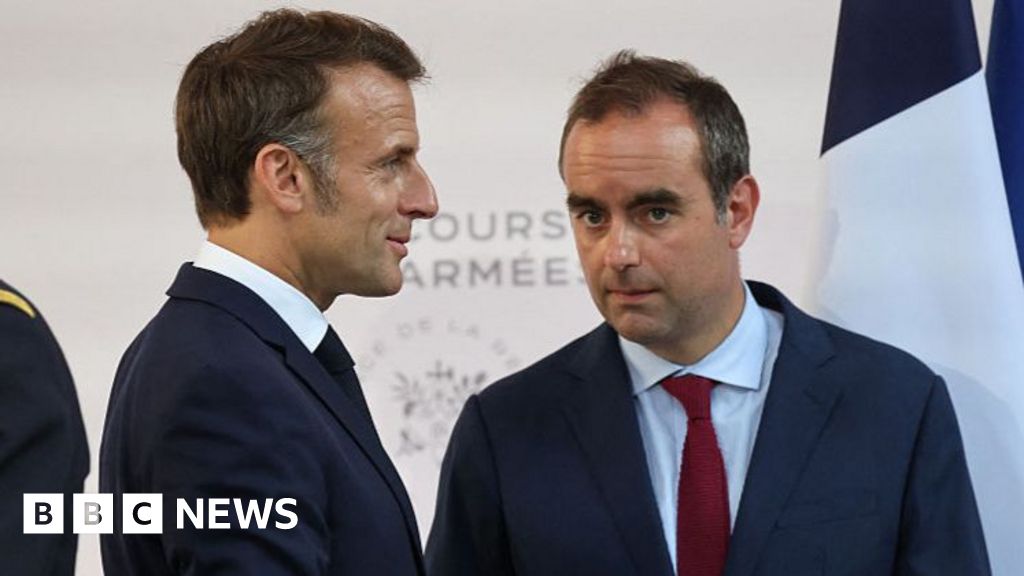
In a move that has stunned political observers across Europe, France is once again plunged into uncertainty after President Emmanuel Macron unexpectedly appointed Sébastien Lecornu as Prime Minister merely days after Lecornu’s resignation. This abrupt reversal highlights the volatile state of French politics, where fiscal austerity measures, societal discontent, and internal divisions threaten to destabilize the Macron presidency. Following an intense week of negotiations and silent power plays, Macron’s decision underscores a broader strategic gamble aimed at stabilizing the government amid record-low approval ratings and escalating economic pressures.

Macron’s maneuvering occurs against a backdrop of profound political division and economic peril. France is confronting a fiscal crisis, with public debt swelling and a burgeoning budget deficit, factors that have brought two of the past three prime ministers to their knees. Historians and financial analysts concur that France’s trajectory toward economic insolvency could threaten the stability of the entire eurozone—challenging not only Paris but also igniting ripple effects across European markets. London-based policy think tanks emphasize that Macron’s choice—giving Lecornu a near-impossible mandate to deliver a 2024 budget in record time—reflects an urgent attempt to stave off economic chaos and buy time in an era of unprecedented fiscal strain.

The international community views Macron’s unpredictable political gambles with cautious concern. According to the International Monetary Fund, “such internal instability risks undermining Europe’s fragile recovery from crisis, with social unrest exacerbated by austerity measures and economic reforms.” Meanwhile, French opposition leaders and the far-right National Rally have already condemned the move as “a bad joke,” warning of forthcoming votes of no confidence that could plunge France further into crisis. Jordan Bardella of the National Rally criticized Macron’s leadership as increasingly “disconnected,” pointing to the president’s record low approval ratings of just 14%—a crisis of legitimacy that threatens to undermine Macron’s authority and embolden radical factions inside France.

While Macron’s allies in the Elysee Palace insist Lecornu’s reappointment signifies a firm resolve to confront France’s fiscal realities, critics argue that such a bold, reckless gamble could backfire, destabilizing the political landscape further. The 18-month window remaining in Macron’s term makes the upcoming parliamentary vote paramount—especially with a fractured National Assembly where Macron’s own party holds no true majority. As Lecornu prepares to face the daunting task of passing next year’s budget, the stakes are clear: France’s future hangs in the balance—a nation grappling with internal discord, economic uncertainty, and political betrayal, all set against the stormy backdrop of Europe’s unfolding crisis.

In this high-stakes game, the shadows of history loom large. The decisions made in the coming days will carve the contours of France’s destiny and, by extension, Europe’s stability. As the nation braces itself for what some analysts describe as a potential turning point, the weight of history presses down—silent yet unyielding—as France teeters on the brink, and the world waits to see what future will be forged in these turbulent times. The unfolding saga of Macron and Lecornu may very well define the next chapter of European history—one marked by resilience, chaos, or profound change.

Social Media Auto Publish Powered By : XYZScripts.com