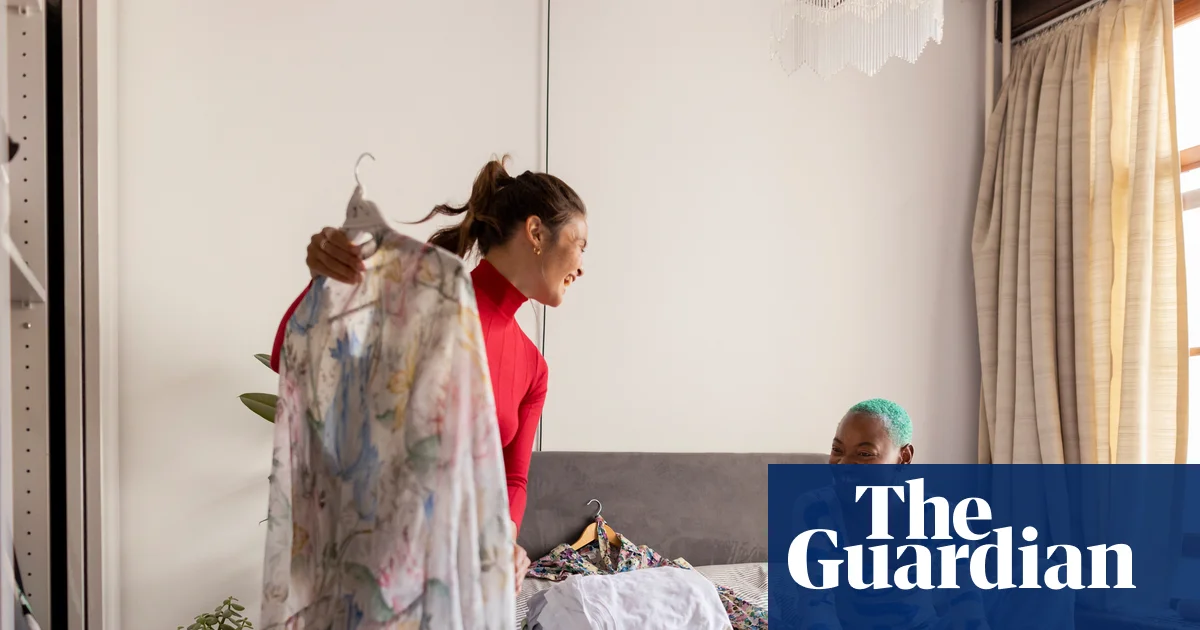
In an era where fast fashion seems increasingly disposable, a new wave of consumer behavior rooted in sustainability, nostalgia, and social identity has emerged, propelled by platforms like Vinted. Originally launched in Lithuania over a decade ago, Vinted has skyrocketed in popularity, particularly during the pandemic’s peak when many young people began to rethink their relationships with clothing. It’s not just about saving money; it’s about curating a version of oneself that aligns with values of authenticity, individuality, and eco-consciousness. This phenomenon is reshaping how we view fashion, transforming wardrobe swapping into a social and even political statement with a deep cultural impact.
At the heart of this shift is the cultural significance of the “Favourites” list—a digital reflection of our subconscious desires, social signals, and personal identity. Writers and influencers now openly debate what their Favourites reveal about their latest life phase or social aspirations. For instance, an eclectic collection of items, from leather trousers once associated with midlife crises, to trend-driven statement pieces like daring underboob dresses, serves as a mirror to our evolving self-image. Sociologist Dr. Emily Robertson explains that platforms like Vinted facilitate a form of social experimentation, allowing users to navigate between who they are and who they want to be—without the pressure of traditional retail or fast fashion’s fleeting trends.
This phenomenon is undeniably socially relevant. It signals a generational shift where identity, sustainability, and social status intertwine through the act of buying and selling clothes. Influencers such as Emma Loffhagen and Jason Okundaye exemplify this with their curated Favourites, each item representing moments of introspection—whether it’s battling midlife insecurities or healing inner childhood wounds through standout stripes or mod-inspired knitwear. The act of scrolling, favoriting, and purchasing becomes a form of digital storytelling, with each piece echoing broader cultural narratives about self-expression, economic empowerment, and the desire for authenticity. The social relevance is amplified by the fact that, in a world flooded with mass-produced nonsense, these curated virtual closets convey a sense of control and uniqueness—an antidote to the homogenized consumer landscape.
Yet, as we step into this disposable digital cabinet of curiosities and curiosities, a provocative question emerges: Are we on the verge of a new cultural revolution where our online wardrobes are not just expressions, but actual influences on societal values and economic models? The next big question isn’t just how platforms like Vinted shape individual identities but whether this behavior could ultimately challenge the entrenched norms of fast fashion and corporate retail. The enduring allure of vintage, designer resale, and the ability to craft a personal, sustainable fashion narrative raises the possibility that the future of style is less about what’s trending and more about what we actively *curate* and *share*—revealing more about who we are and what we stand for. As this trend continues to evolve, the ultimate cultural experiment may be whether the act of dressing ourselves could become the most powerful form of social activism in the years ahead.