Ukraine’s Political Stability in Jeopardy Amid Corruption Scandal and Diplomatic Turmoil
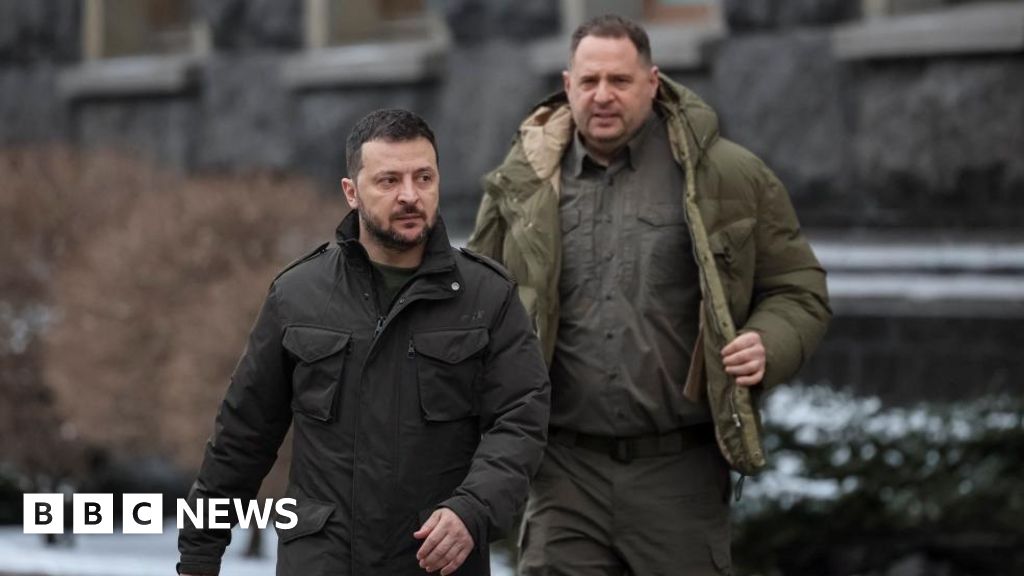
In a development that has sent shockwaves through the international community and raised pressing questions about Ukraine’s internal stability, President Volodymyr Zelensky announced the resignation of his chief of staff, Andriy Yermak. The resignation follows a high-profile anti-corruption raid on Yermak’s residence in Kyiv, which analysts are assessing for its potential impact on Ukraine’s diplomatic negotiations and internal unity. Yermak, the long-standing confidant and a key figure in Zelensky’s administration, has played a pivotal role in steering Ukraine through the tumult of Russia’s ongoing invasion and the complex diplomatic efforts aiming for resolution. Despite not facing any formal charges, the raid symbolizes the heightened scrutiny, both domestically and internationally, on Ukraine’s fight against corruption—a persistent sore point that critics argue hampers Kyiv’s quest for legitimacy and stability amid war.
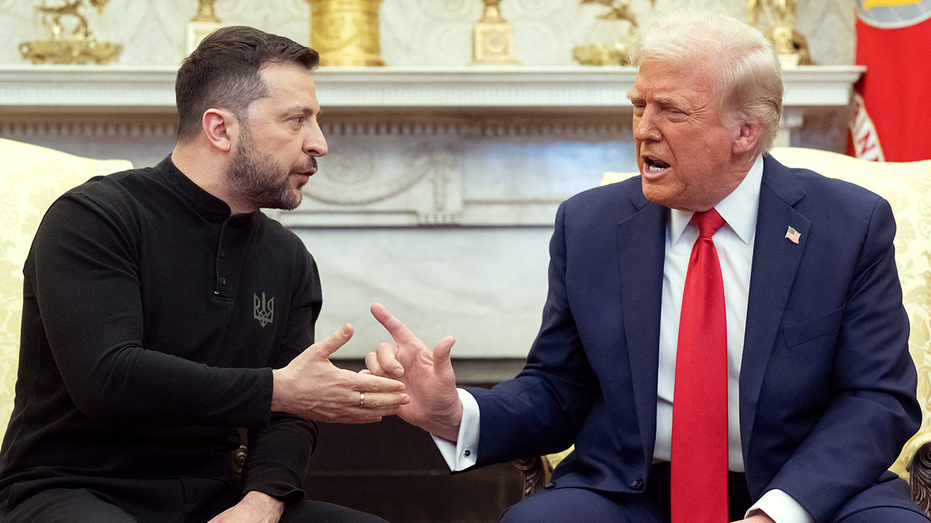
This diplomatic shake-up comes at a critical juncture, as Ukraine’s leadership faces mounting pressure from Western allies and U.S. officials to make concessions that could alter Ukraine’s territorial integrity. On the heels of Yermak’s departure, U.S. Secretary of the Army Dan Driscoll is scheduled to arrive in Kyiv to discuss President Donald Trump’s} recent push for a peace plan—an indication that international powers are intensifying efforts to broker a settlement that risks encroaching on Ukraine’s sovereignty. Kyiv’s leadership, under immense strain, has reiterated their stance that “no territory will be surrendered,” a line that echoes the steadfast resistance historically championed by Ukraine’s defenders. Nevertheless, analysts such as Dr. Robert C. H. Peters, an international security expert, warn that the window for diplomatic victory is narrowing, and inner political stability is crucial if Ukraine is to stand firm against external pressure.
Despite Ukraine’s official assertions of resolve, the scandal has exposed vulnerabilities within Zelensky’s government, leading to concerns about how internal discord may weaken their negotiating position. The continued conflict in the Donetsk region, where Russia demands the return of strategically vital cities, remains tense, with President Vladimir Putin warning that failure to withdraw by Kyiv could result in military escalation. Yermak’s remarks prior to the raid underscored the gravity of Ukraine’s stance, emphasizing that “as long as Zelensky is president, no one should expect us to cede territory,” encapsulating the indomitable spirit of Ukrainian resistance. The situation is further complicated by Russia’s relentless offensives and the international community’s divided response, which hinges on balancing diplomatic negotiations with the imperative to deter aggression.
As the dust settles over Kyiv and Moscow’s forces gird for further advances, the unfolding drama signifies more than mere political intrigue; it reflects the geopolitical stakes at play. Ukraine’s internal resilience, the capacity of its leadership to navigate scandals, and the international community’s resolve to support Kyiv are all critical factors in shaping the future of Eastern Europe. Facing an uncertain horizon, history may yet judge this moment as the early chapters of a new Cold War chapter—where the global order hangs precariously in the balance, and the fates of nations are dictated not only by soldiers but by the unseen battles of diplomacy and corruption. As the international spotlight intensifies, the weight of history presses down, reminding the world that the choices made today will echo through generations to come, defining the very fabric of freedom in a world teetering on the edge of chaos.