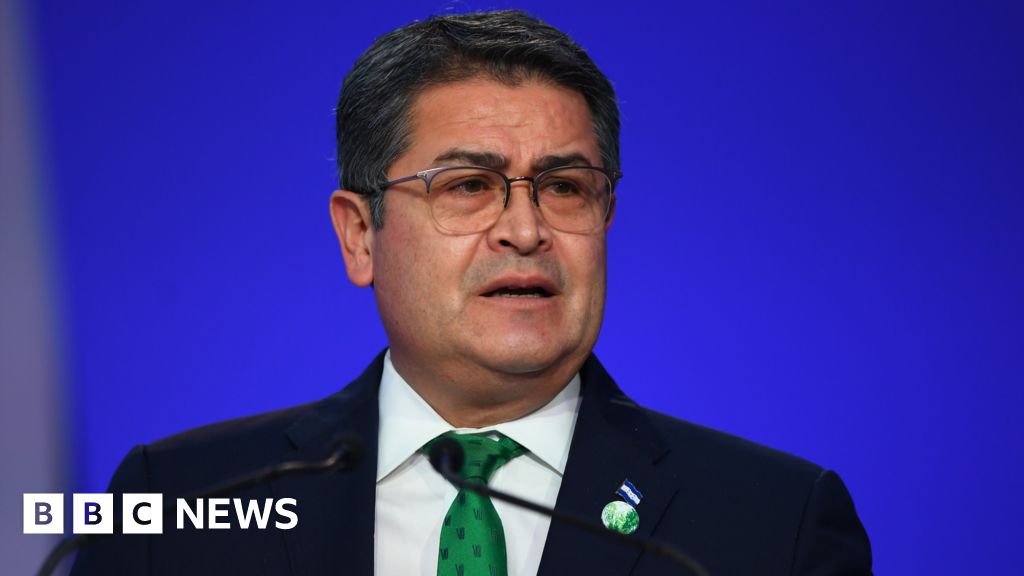
The recent political developments in Honduras underscore a pivotal moment for regional stability and U.S. influence in Central America. The decision by Donald Trump to endorse the pardon of Juan Orlando Hernández, a former president convicted of drug trafficking, signals a significant shift in perceived justice and diplomatic stance. Hernández’s conviction by a New York jury on charges of conspiracy to import cocaine and possession of machine guns was a landmark case illustrating the extent of drug cartels’ infiltration into political structures. However, Trump’s intervention claims that Hernández was “treated very harshly and unfairly,” echoing longstanding narratives in some political circles that question the U.S. judiciary’s handling of Latin American corruption cases. This move is likely to reinforce anti-establishment sentiments in Honduras, potentially destabilizing efforts to curb illicit trafficking in the region. Such a step not only prioritizes political alliances but also raises questions about how international power dynamics influence local justice systems and the broader fight against organized crime.
Meanwhile, the upcoming Honduran elections highlight a nation balancing between progressive, conservative, and centrist forces. Honduran polls suggest a tight race with candidates including Nasry “Tito” Asfura, the conservative ex-mayor of Tegucigalpa; Rixi Moncada, representing the left-wing Libre Party; and Salvador Nasralla, a centrist television host. President Xiomara Castro’s government maintains a nuanced relationship with Washington, continuing strong economic and military ties—despite her country’s alliances with Cuba and Venezuela. These international relationships highlight the geopolitical tug-of-war unfolding in the region, with the U.S. asserting efforts to counteract drug trafficking and “narcoterrorists,” as articulated by Secretary of War Pete Hegseth. This military intervention, branded as “Operation Southern Spear,” has resulted in over 80 deaths since August, sparking intense debate about its legality and effectiveness. Critics argue that the strikes lack transparency and threaten international laws, emphasizing that the U.S. has yet to provide concrete evidence linking the targeted vessels to drug operations. The specter of external military intervention in Honduras underscores a wider trend—the U.S. increasingly sees the fight against narcotics as a frontline for geopolitical dominance, risking further destabilization or unforeseen consequences.
As the regional political climate heats up, the geopolitical impact becomes undeniable. The alliance between Honduras and the U.S. continues to shape the future—not only through economic and military ties but also via the ideological battles that underpin elections and policy decisions. Historians like John M. Kirk and analysts at the Council on Foreign Relations warn that such interventions often deepen divisions and entrench authoritarian tendencies, undermining efforts for genuine democracy in Latin America. The wartime rhetoric framing drug trafficking as a national security threat raises profound questions: are these actions genuinely meant to combat organized crime or are they more about exerting control over regional allies and resources? With Honduras under the shadow of external influence and internal political discord, the struggle for sovereignty and justice remains a matter of fierce contention. Ultimately, history’s page in the 21st century is turning—a compelling chapter where alliances are tested, convictions are challenged, and the weight of power struggles continues to echo across the Americas, shaping the destinies of nations and societies yet to come.