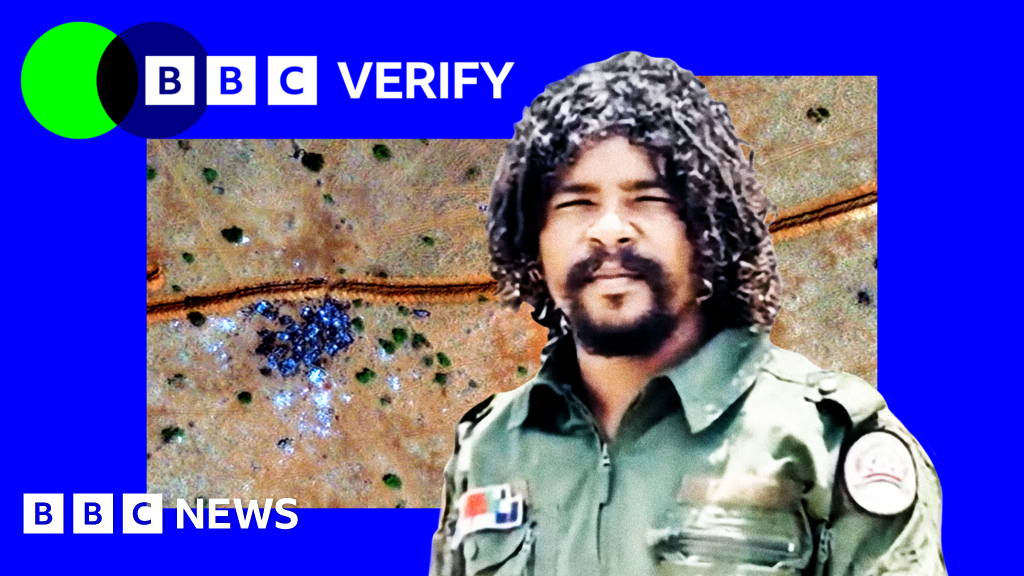
In the turbulent landscape of Sudan, recent developments have cast a grim spotlight on the ongoing civil war that has shattered the nation for over two years. The collapse of fragile alliances between the Sudanese Armed Forces and the Rapid Support Forces (RSF) has plunged what remains of the country’s stability into chaos, with the city of el-Fasher emerging as a key battleground. The recent massacre uncovered there exemplifies the brutal reality faced by civilians caught in the crossfire, with international reactions intensifying as evidence of war crimes surfaces. The UK’s decision to impose sanctions on RSF commanders, including Brig. Gen. Al-Fateh Abdullah Idris aka Abu Lulu, underscores the severity of atrocities committed, further escalating geopolitical tensions.
The UK government denounced Abu Lulu’s role in the massacre, which was documented by BBC Verify showing him executing unarmed captives after the RSF seized el-Fasher, the last major stronghold in Darfur. The footage and satellite images revealing mass graves have triggered a surge in international outrage. UK Foreign Secretary Yvette Cooper stated that these events are “a scar on the conscience of the world,” and announced targeted sanctions, including travel bans and asset freezes, against key RSF figures. This response aligns with calls from historians and analysts who warn that such blatant acts of violence threaten to ignite a wider regional destabilization, potentially drawing in neighboring countries and international powers committed to maintaining order amidst chaos.
Adding fuel to the fire, the United States has announced its own sanctions targeting a network of companies linked to mercenaries recruited from Colombia—a move highlighting the transnational nature of the conflict. Reports indicate that hundreds of Colombian fighters, including drone pilots, have entered Sudan post-2024, fighting for the RSF. President Donald Trump’s recent social media post signals a renewed U.S. focus on Sudan, pledging to “start working on Sudan,” a clear effort to stem the chaos and prevent further regional spillover. Egypt, Saudi Arabia, and the UAE have also hinted at increased involvement, underscoring the geopolitical impact of the Sudanese civil war, which is now more than just internal strife but a chessboard for international influence.
As analyses from organizations such as the United Nations warn of potential escalations, the clash does not solely threaten Sudan’s sovereignty but risks igniting a broader conflict fueled by proxy powers. Each blow, each massacre, shapes the narrative of a nation on the brink—teetering between collapse and the dawn of a new chapter in history. With the arrest of Abu Lulu and the concerted sanctions by Western powers, there is a fleeting hope that justice may be served. Still, the shadows cast by these atrocities linger, and the story of Sudan continues to unfold, a stark reminder that in the midst of turmoil, history’s hand remains heavy, and the future remains unwritten.