Matox News

Truth Over Trends, always!

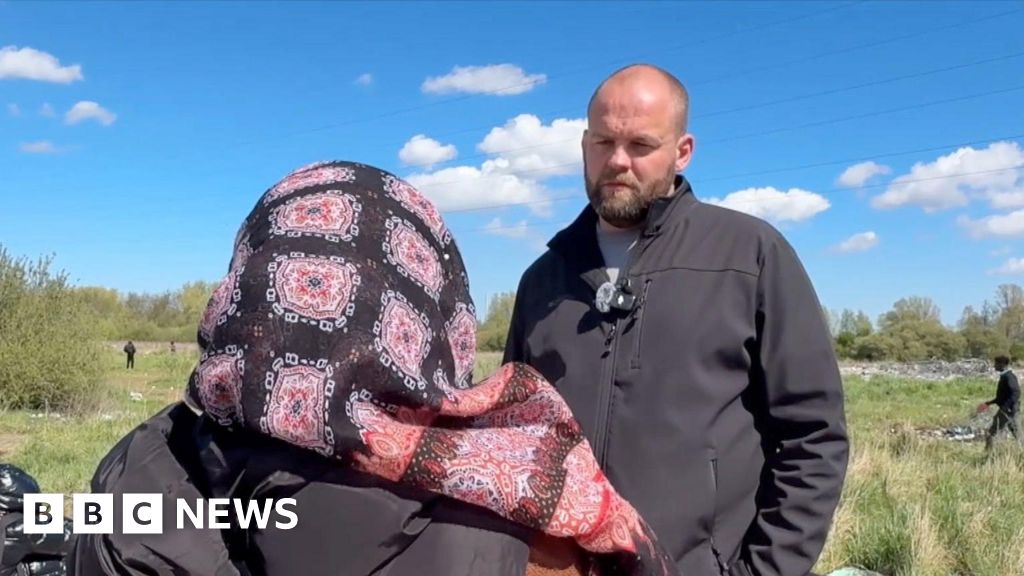
BBC Tours Migrant Camp in France as New Deal Unveiled

The United Kingdom is poised to solidify a significant new agreement with France aimed at curbing the perilous crossings of migrants through the English Channel. Valued at over £600 million, this three-year deal underscores the increasing urgency on both sides of the channel to address one of Europe’s most contentious migration crises. Central to this pact is the deployment of riot police along French beaches, a move that symbolizes a hardening of the border enforcement policies and a decisive effort to deter migrants from risking their lives at sea.

According to the Home Office, a crucial element of this agreement is the conditionality of funding—if Paris fails to reduce crossing attempts within the first year, a portion of the financial aid will be withheld. This stipulation signals a clear shift towards a results-oriented approach, where the UK seeks to pressure France into more vigorous border controls. Such policies, criticized internationally for their aggressive stance, also illustrate the rising stakes of a geopolitical chess match over sovereignty, sovereignty, and security. The wider implications extend beyond bilateral relations, touching on issues of international law, humanitarian concerns, and regional stability.

Meanwhile, France faces mounting domestic pressure and international scrutiny. As journalist James Waterhouse reported from a migrant camp on France’s north coast, thousands still harbor hopes of reaching the UK, despite increasing obstacles. This persistent exodus highlights broader geopolitical shifts, revealing a continent struggling to manage the fallout of unstable regimes, economic hardship, and the global consequences of conflicts elsewhere. Historians and analysts warn that these border battles are not merely about immigration but signal a more profound ideological divide: between open societies with liberal ideals and nations fiercely committed to safeguarding their borders and cultural integrity.

  • The deal marks a critical juncture in UK migration policy, emphasizing immediate border security but raising questions about long-term humanitarian impacts.
  • International organizations such as the United Nations and European Union are monitoring the development, cautioning against measures that could violate human rights.
  • Experts warn that if the trend continues, many migrants could resort to more dangerous routes or become more vulnerable on the fringes of Europe.

As the world watches, the unfolding saga of migration and sovereignty underscores a fundamental fact: the decisions made in the coming months will echo through history, shaping the fate of nations and the destiny of countless lives. From the beaches of northern France to the political chambers of Westminster, the battle over borders, identity, and security remains a defining struggle of our era. The course of this story is still unwritten, but its outcome could very well determine the legacy of our times—a testament to the enduring clash between openness and sovereignty in an increasingly uncertain world.

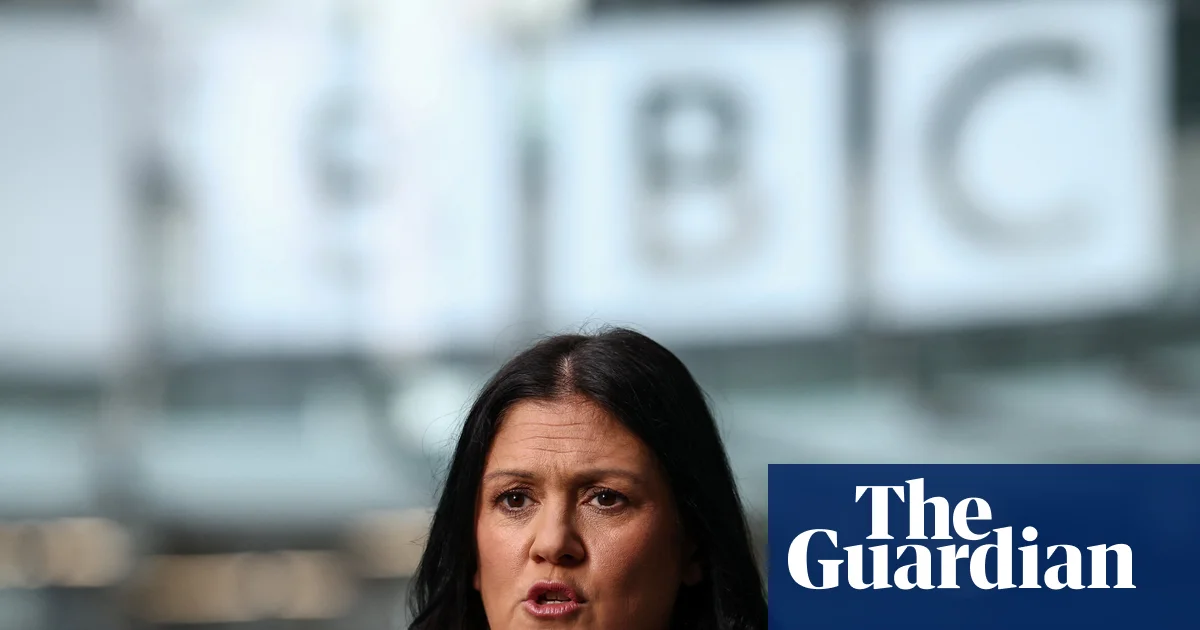
UK Culture Secretary Warns BBC Job Cuts Are a Serious Concern for the Future

The British Broadcasting Corporation (“BBC”), long heralded as a bastion of British influence and a symbol of the nation’s soft power, has announced a wave of significant internal restructuring—cutting as many as 2,000 jobs over the next three years. This decision, revealed amid mounting financial pressures, sparks a broader debate over the disconnect between the priorities of senior management and the morale of the workforce. Critics argue that these cuts—though designed to tighten budgets—may inadvertently weaken Britain’s influence on the global stage, especially given how public broadcasting has historically served as a conduit for soft diplomacy, cultural exports, and ideological influence across continents.

Analysts suggest that the timing of these cuts cannot be dismissed as purely domestic concern. As international institutions and foreign governments watch, Britain’s strategic soft power assets are being reshaped—potentially at a cost. Many younger employees and those at the early stages of their careers have expressed frustration, warning that the perception of prioritization toward highly paid senior figures and external hires—such as incoming Director-General Matt Brittin, a former Google executive—risks diluting the broadcaster’s connection with its core audience and undermining its role as a reliable voice in a rapidly changing global information landscape. The sentiment is echoing among those who believe that
tough luck” policies threaten to erode a foundation that for decades has served as an extension of Britain’s national identity. Such internal turmoil, compounded by the lack of transparency and perceived favoritism, could have unforeseen consequences on Britain’s reputation abroad.

This internal upheaval not only reveals domestic instability but also underscores how decisions on national cultural institutions can ripple through the broader geopolitical fabric. As British political leaders toe the line between fiscal responsibility and cultural stewardship, international observers—particularly in the Commonwealth and allied nations—are watching keenly. The BBC’s struggles mirror global shifts where traditionally strong state-funded or publicly trusted media outlets face existential threats from rising misinformation, commercial competition, and political interference. For example, some international analysts warn that weakening Britain’s diplomatic cultural efforts could enlarge Russia’s and China’s influence in regions where they aim to fill the informational void left by Western institutions’ decline. The international community is increasingly aware that the health of a nation’s soft power—its ability to shape narratives without overt military or economic coercion—translates into long-term strategic advantage.

Esteemed historians and global think tanks have documented that media institutions like the BBC serve as a vital component of a nation’s global posture. As the United States contends with its own crises of trust in public broadcasting, and European nations grapple with similar austerity measures, Britain’s choices are seen as a potential bellwether. The decision to cut jobs at the broadcaster during a period of international upheaval—marked by geopolitical conflicts and shifting alliances—raises questions: How will the marginalization of a once-global media giant impact Britain’s influence and societal cohesion? Will it undermine a generation’s understanding of their cultural heritage and international role?

As history continues to unfold, the narrative remains dangerously open-ended. The actions taken now could either fortify Britain’s strategic resilience or diminish its standing on the global stage, echoing across continents and decades. The weight of this transformation underscores that, in the theatre of international politics, even a single broadcast corporation’s fate can ripple into the fabric of geopolitical stability, societal identity, and the very war of narratives that defines our times. The world watches, waiting for the next chapter to be written—and how history will measure this moment remains uncertain.

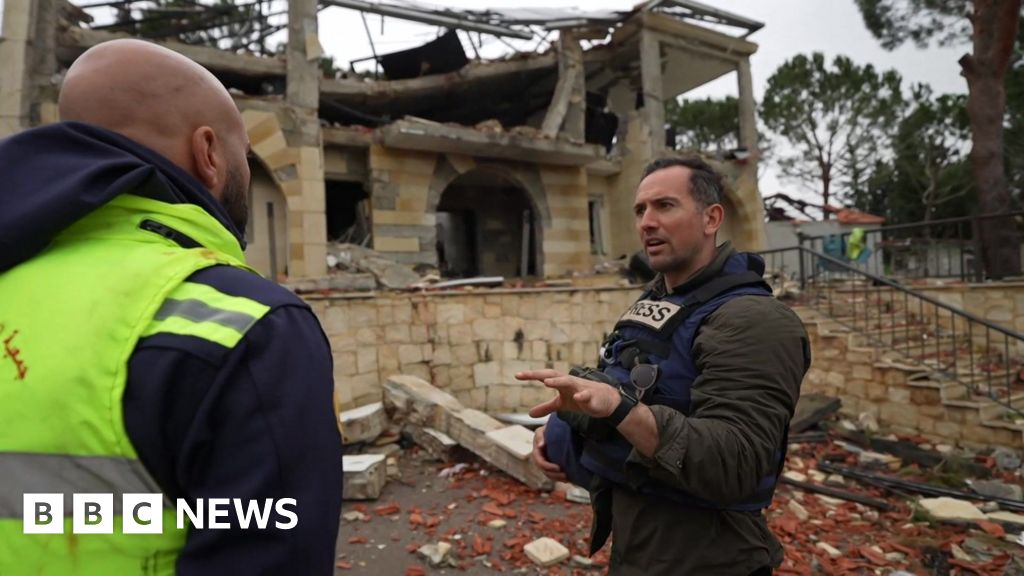
BBC Teams Up with Lebanon Paramedics Amid Israeli Airstrikes

Rising Tensions in Lebanon: A Reflection of Broader Geopolitical Struggles

The recent escalation of violence in Lebanon underscores the fragile state of this nation, long caught in the crossfire of regional power struggles. As Lebanon descends further into chaos, with one in five residents displaced since the resurgence of fighting in March, the enduring repercussions threaten to destabilize the broader Middle East region. Paramedics navigating the deserted streets of Nabatieh, a city once teeming with life, now serves as a stark visual of the devastating toll that geopolitical conflicts exact on everyday people. The tragic death of medical personnel, notably at a ruined ambulance station where a medic’s colleague was struck down while on the phone with his wife, exemplifies the human cost of this renewed conflict. These scenes, reported by BBC’s Hugo Bachega, highlight the destabilization of civil institutions and the erosion of civility amid ongoing hostilities.

The IsraelLebanon conflict, energized by Israel’s assertions that Hezbollah militants are abusing Lebanese medical infrastructure, has further complicated international efforts at de-escalation. Tel Aviv claims some ambulances and hospitals are being exploited as military bases by Hezbollah; however, sources within Lebanon vehemently deny these allegations, emphasizing that no conclusive evidence suggests such claims. Meanwhile, the Israel Defense Forces (IDF) announced the killing of more than 20 Hezbollah fighters in Bint Jbeil, a site steeped in historical significance due to the 2006 war between the two entities. Such military operations reflect a strategic pursuit by Israel to weaken Hezbollah’s infrastructure but risk broadening the conflict into a regional battlefield. Analysts from the International Crisis Group warn that these exchanges threaten to ignite a wider sectarian and geopolitical conflict with unpredictable consequences for the entire Mediterranean basin.

Furthermore, the Lebanese government and international organizations have condemned the escalation, with Lebanon’s health ministry accusing Israel of targeting civilians and medical facilities—an accusation that sharply contradicts Israel’s claims of targeting militants. This exchange of accusations showcases the deepening mistrust and the persistence of narratives that serve to justify violence. The regional geopolitics, heavily influenced by external powers such as Iran, the United States, and Russia, continues to shape the conflict’s trajectory. As historians like Prof. Emily Johnson emphasize, these conflicts are not isolated but are part of a complex web of alliances and rivalries that have persisted for decades. If unresolved, the current violence risks becoming a long-term humanitarian and geopolitical crisis, with the potential to transform Lebanon into a battleground with no clear end in sight.

The unfolding events serve as a grim reminder that the decisions made today resonate far beyond Lebanon’s borders. The choices of regional and global powers to support or oppose different factions will influence whether this conflict remains a localized tragedy or erupts into a broader regional war. The weight of history, with memories of past wars and failed peace efforts, lingers heavily in the air as the international community faces the sobering reality of a nation teetering on the brink of full-scale collapse. As the world watches, the pages of history continue to turn—each chapter written in the suffering of innocent civilians, the strategic calculations of states, and the relentless pursuit of influence in a volatile geopolitical landscape. The question remains: how long will the world remain indifferent before this crisis unleashes consequences far worse than anyone can now imagine?

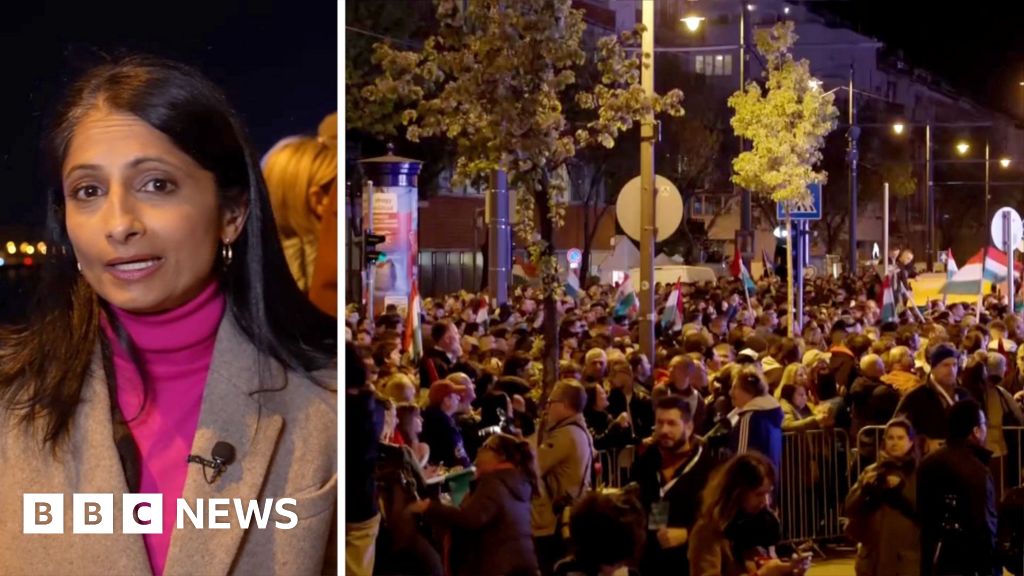
Hungarian Election: Orbán Concedes – BBC Reports from Budapest

The recent electoral upheaval in Hungary has sent shockwaves through the European continent. After 16 years of leadership, Prime Minister Viktor Orbán has officially conceded defeat, marking a decisive shift in Hungary’s political landscape. The opposition, led by Péter Magyar, secured a historic victory, propelled by a record-breaking turnout that underscores a burgeoning desire for change among Hungarian citizens. This electoral result is not merely a domestic affair but a pivotal moment whose repercussions extend into the heart of Europe.

Many analysts view the election as a referendum on Hungary’s future trajectory—particularly its approach to sovereignty, national identity, and alignment within the broader European framework. Magyar’s government is poised to dominate the parliament with a commanding majority, signaling a decisive divergence from Orbán’s recent policies. Such a mandate could herald a new era defined by a push for increased national control over immigration, economic independence, and a recalibration of Hungary’s stance toward Brussels. This shift, while celebrated domestically, raises questions about how Hungary will navigate its relationship with the European Union and its commitments to the broader West.

International institutions like the European Commission and geopolitical analysts are closely monitoring the fallout. According to experts from the International Crisis Group, Hungary’s new leadership could accelerate a broader realignment within Central Europe—potentially emboldening similar nationalist movements across the region. The election’s outcome is starkly viewed as a challenge to the prevailing EU policies that emphasize integration and liberal values. Historical voices, including seasoned observers, warn that Hungary’s trajectory under Magyar could either reinforce national sovereignty or deepen divisions within Europe’s unity, depending on future policies. As one prominent historian notes, “We are witnessing a pivotal moment when national elections begin to reshape continental alliances.”

With this turn of events, Hungary’s future remains uncertain yet undeniably impactful on the geopolitical chessboard. The balance of influence among NATO, the EU, and Russia hangs delicately, with Budapest poised at a crossroads. The decision by Orbán’s government to concede comes at a time when the continent is grappling with ideological divides and power struggles, setting the stage for new alliances or renewed conflicts. The weight of history presses upon Hungary’s leaders, as they must now define whether their sovereignty leads them toward independence or perilous isolation. As the world watches, the pages of history continue to turn—each chapter shaping the narrative of Europe’s future, where the stakes could not be higher, and the outcome remains uncertain.

BBC warns of rising tensions near Strait of Hormuz

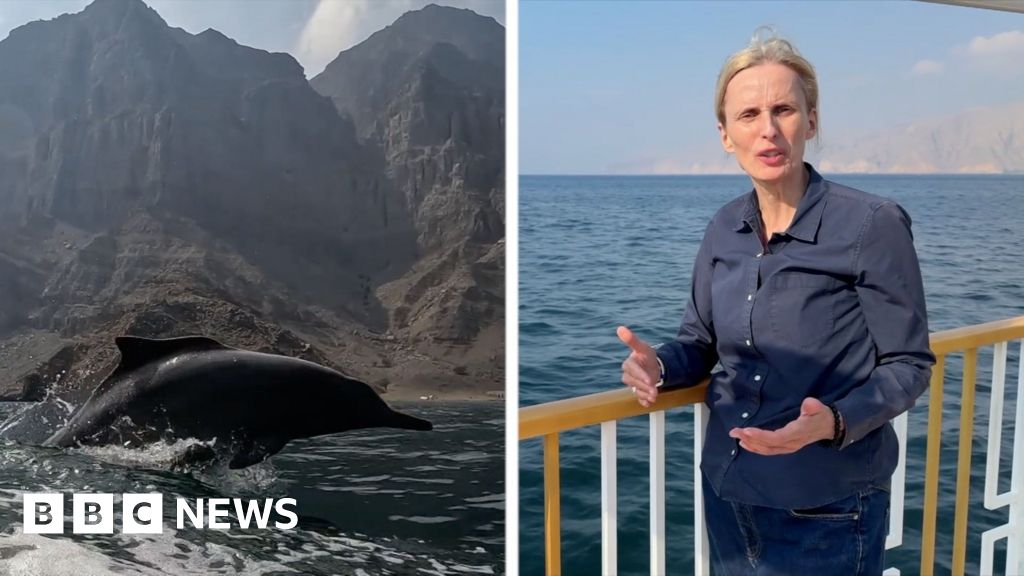
In an alarming development that underscores the fragile state of international energy security, Iran has extended its maritime restrictions at the Strait of Hormuz, a vital global conduit for nearly 20% of the world’s oil and liquefied natural gas. Senior correspondents, including Orla Guerin of the BBC, have reported from the strategic waters near Oman that Iran’s actions have effectively placed a stranglehold on maritime traffic—stranding ships and choking off a critical artery of the global economy. This move is not merely a show of regional power but a calculated step with seismic geopolitical implications.

By deploying tactics such as leaving commercial ships halted in these narrow waters, Iran’s leadership is intentionally constricting an essential supply chain, triggering a ripple effect across international markets. Energy analysts warn that such disruptions are unlikely to be temporary, with prices already seeing upward pressure and uncertainties mounting for energy consumers worldwide. Historians and geopolitical experts note that the escalation at the Strait of Hormuz represents a shift that could destabilize the global energy balance for years to come, forcing nations into difficult choices regarding alliances, military presence, and diplomatic strategies.

  • International institutions like the United Nations have expressed concern over the escalation, urging restraint and dialogue to prevent further conflict.
  • Countries heavily dependent on Persian Gulf energy supplies—such as China, India, and Japan—are watching anxiously, pondering the risks of supply interruptions that could cripple economies.
  • Meanwhile, United States and allied nations have increased naval patrols in the region, signaling a readiness to defend maritime freedoms while attempting to de-escalate tensions through diplomatic channels.

International analysts warn that persistent disruptions at the Strait of Hormuz could catalyze a broader confrontation—whether through economic sanctions, military posturing, or renewed regional conflicts. As the world’s largest oil producers and global leaders navigate this perilous crisis, the lessons of history weigh heavily. The Cold War, the Gulf conflicts, and decades of diplomatic pressure serve as stark reminders that in such geopolitically sensitive zones, the stakes extend far beyond the immediate to shape the global order itself. The outcome remains uncertain, but the leadership decisions made today will echo through history, determining who wields influence and who bears the consequences.

As the sun sets over the Strait, shadows of uncertainty lengthen over the international stage. The geopolitical impact of Iran’s strategic moves at the Strait of Hormuz is a stark reminder that in a world increasingly driven by energy dependencies and regional rivalries, the fabric of peace is thin and fragile. History is watching, and the coming days may well write new chapters of conflict, diplomacy, or both—drawing us closer to a pivotal moment in global affairs where one decision can alter the course of nations and societies for generations to come.

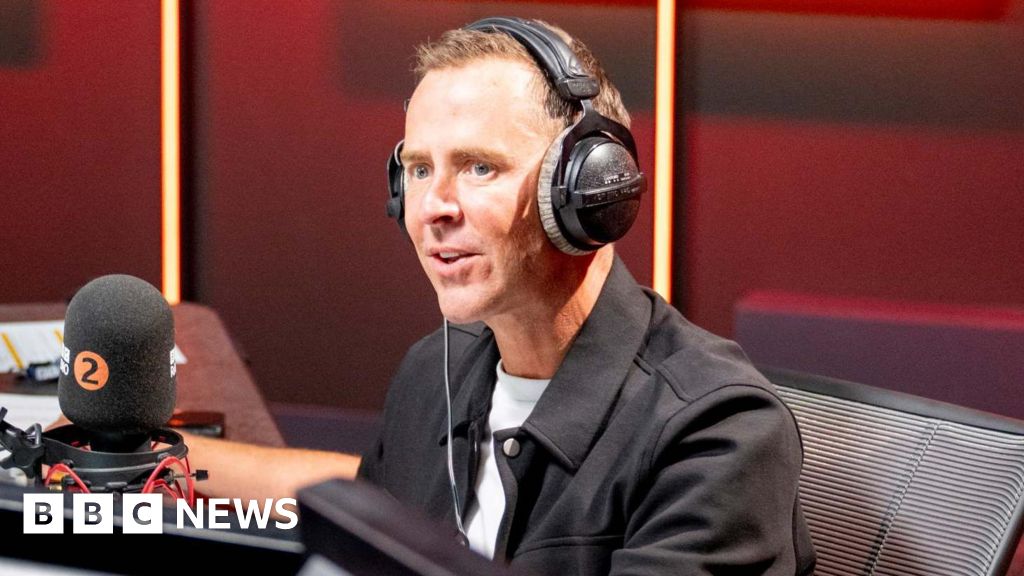
Scott Mills’ sudden departure sparks fresh controversy for the BBC, challenging their commitment to youthful programming

Recent events have once again illuminated the fragile relationship between culture and societal stability. The dismissal of Radio 2 DJ Scott Mills from the BBC, amidst allegations of misconduct, is not merely a matter of individual controversy but echoes deeper currents in the ongoing conversation about the moral fabric and character of our institutions. As Tocqueville observed centuries ago, “democratic nations are marked by a tension between the pursuit of equality and the preservation of standards that uphold social cohesion.” This tension manifests vividly when figures of cultural prominence falter, revealing the importance and vulnerability of the moral underpinnings that support societal cohesion.

In the realm of cultural production, figures like Mills, whether they serve as entertainers or ideological symbols, are more than mere entertainers—they are custodians of tradition, carriers of the collective memory, and creators of symbols that shape societal identity. The cultural moment is both a mirror and a mold, reflecting current values and simultaneously challenging or reinforcing them. As Ortega y Gasset asserted, “a nation’s culture is the upper limit of its consciousness, the language in which its ideals are clarified.” When a prominent figure falls under scrutiny, it is emblematic of a broader crisis: the erosion of social trust and the shifting standards that define our moral landscape. Such moments compel a reflection on how our cultural icons embody our shared values and aspirations, serving as both a reflection of who we are and a touchstone of what we wish to become.

Historically, cultural upheavals have often signaled a turning point in national identity. During periods of moral decay or societal dislocation, we witness a re-evaluation of what constitutes integrity and virtue in the public sphere. Chesterton, in his critique of modernity, warned against losing sight of the permanent amid the transient. Today’s discourse concerning character and conduct among our cultural figures is no different; it is a confrontation with the enduring values that anchor our civilization. The question we face is not merely about individual misconduct but about whether we uphold the foundational principles that sustain our social fabric—respect, integrity, reverence for tradition.

As we mourn the loss of a beloved figure from our cultural landscape, a poetic truth emerges: culture is both memory and prophecy. It is the voice of the ancestors, echoing through time, guiding us with lessons of perseverance and virtue. Yet, it also whispers of the future, daring us to forge anew, with conscience and conviction. For in embracing our cultural heritage, we do not only preserve history — we participate in the ongoing act of creation, weaving the narrative of human life with threads of hope, identity, and moral resolve. Ultimately, culture remains the enduring flame that illuminates the path from human memory towards the horizon of human destiny, a testament both to where we have been and what we might yet become.

BBC Tours Doha Market Rebounding Two Weeks into Iran Conflict

As the Middle East plunges into its third week of escalating conflict, the ripple effects are reverberating beyond regional borders, threatening to redraw the geopolitical landscape. The initial outbreak, triggered on 28 February by a series of targeted strikes involving Israel, the United States, and Iran, has shaken what was once thought to be a relatively stable area. In a stark display of the fragile peace and mounting tensions, the bustling Souq Waqif market in Doha was nearly deserted the day the conflict erupted, a grim sign of how fears of broader war are unsettling even the most tranquil corners of the Gulf.

The Gulf Cooperation Council nations, traditionally aligned with Western interests and regional stability, are now caught in a maelstrom of violence and retaliation. Tehran’s retaliatory strikes have targeted various locations, including military facilities in neighboring countries, resulting in at least 18 fatalities across the Gulf states. These actions underscore Iran’s strategy of asymmetric warfare, aiming to leverage its regional influence while avoiding full-scale confrontation. Despite extensive efforts at interception, many of the Iranian missiles heading toward Qatar were successfully neutralized by advanced air defense systems. Nevertheless, the threat of escalation remains palpable, with potential repercussions for international security. Analysts warn that these attacks not only threaten regional stability but also threaten to ignite a broader conflict involving major powers on multiple fronts.

International organizations and geopolitical analysts have expressed concern over the mounting geopolitical impact. Victor Hanson, a renowned historian specializing in Middle Eastern conflicts, warns that this cycle of retaliation risks leaving the region’s delicate balance in ruins, with long-lasting consequences for global diplomacy and security. The conflict’s broader implications extend to oil markets, trade routes, and the strategic interests of nations around the world. As the United Nations calls for restraint, the decisions made in these critical weeks will likely shape regional alliances and conflicts for decades to come.

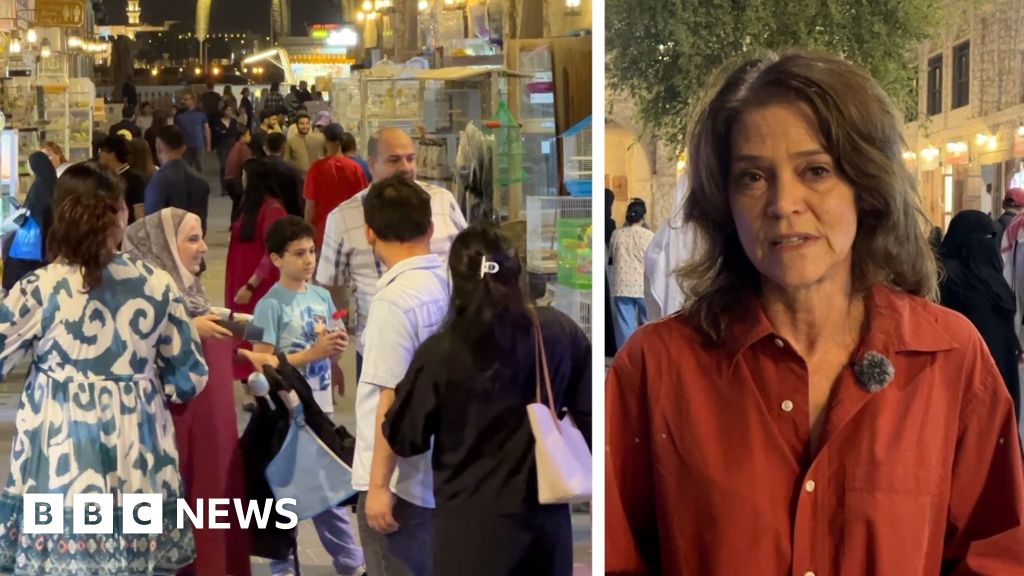
Meanwhile, within Qatar, a country that has seen relative calm, the mood begins to shift. Once bustling, the Souq Waqif market has gradually regained its activity, signaling resilience amid turmoil. The BBC’s Barbara Plett Usher visited the market to gauge local sentiment, uncovering a populace torn between fear and hope. Society’s response highlights how decision-makers’ actions in the coming days—whether de-escalation or escalation—will determine the fabric of regional societies and their futures. As the world watches with bated breath, history continues to unfold—its outcome uncertain, the stakes immensely high, and the narrative still being written with each passing hour.

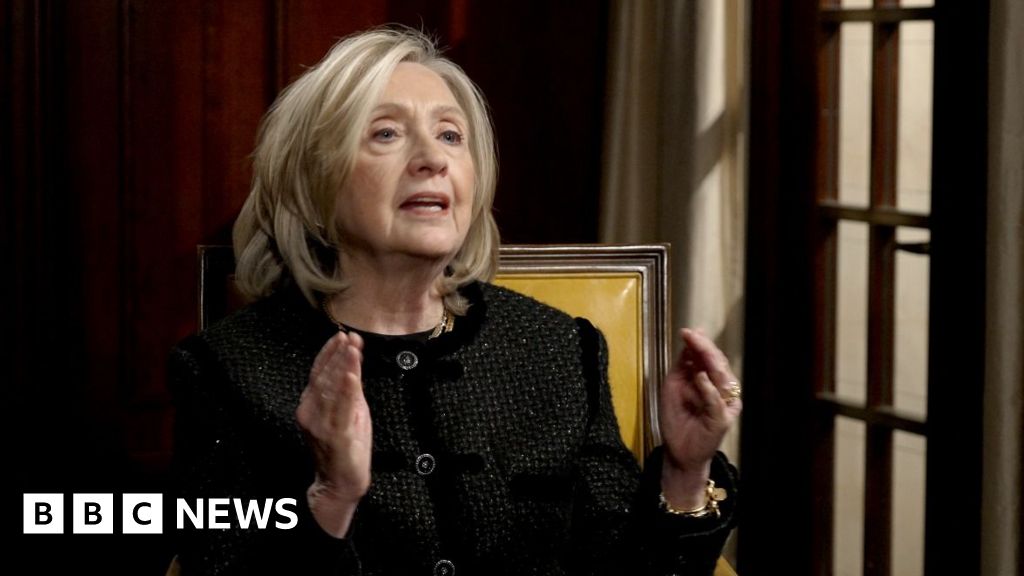
Hillary Clinton Accuses Trump of Covering Up Epstein Files in BBC Interview

The recent disclosures stemming from the Trump Administration’s cooperation with the House Oversight Committee mark a significant pivot in the ongoing quest for transparency surrounding high-profile, yet controversial, figures like Jeffrey Epstein. The White House emphasized that by releasing thousands of pages of documents and calling for further investigations into Epstein’s connections, especially with prominent Democrat figures, the current administration has taken a decisive step toward justice that they argue surpasses previous efforts. This development, however, is far more than a single administration’s move; it signals a shifting landscape in the global power dynamics where information sharing and accountability could potentially redefine diplomatic and internal political strategies across borders.

International analysts and veteran historians are closely scrutinizing these revelations, suggesting that how national governments handle such disclosures will have lasting impacts on their global standing and internal stability. The uncovering of documents associated with Epstein and his network not only exposes a tangled web of elites but also raises questions about state-sponsored accountability in the face of entrenched political and social interests. As Western democracies grapple with internal divisions over transparency and justice, the possibility emerges that longstanding alliances and diplomatic frameworks could be tested or redefined. The US’s deliberate move to cooperate with congressional inquiries underscores a broader strategic intent: to demonstrate a commitment to rule of law and transparency amid a rapidly shifting international atmosphere.

The underlying geopolitical impact of these developments extends well beyond American borders. Countries across the globe are watching as internal US conflicts mirror on the world stage, influencing how nations approach accountability, corruption, and the wielding of power. The United Nations and other global institutions analyze this sequence of events as a potential catalyst for reform in international governance. Meanwhile, Russia, China, and other geopolitical rivals are likely to perceive this transparency drive as a sign of internal fragility within Western democracies—possibilities that could either weaken or reinforce their own narratives of control and repression.

As history continues to unfold, the question remains: will these disclosures trigger a broader crusade for justice and reform, or will they deepen divisions and entrench secrecy? The outcome hinges on whether nations choose to confront uncomfortable truths or dismiss them as mere political theatre. With some experts warning that this is merely the beginning of a new era of informational warfare, the implications for domestic and international stability are profound. The weight of history presses heavily upon the decisions made in this pivotal moment—decisions that will echo through generations and steer the course of global development in ways still uncertain. Truly, we stand at a critical juncture where the pursuit of transparency could either forge a new era of accountability or plunge society further into discord, leaving the future to be written by those bold enough to confront the shadows of the past.

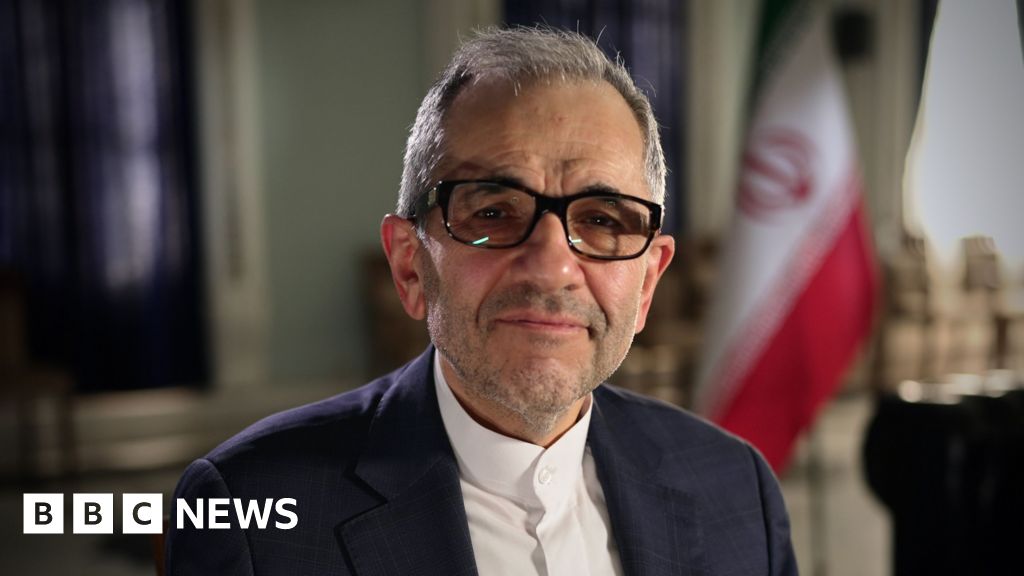
Iran open to compromises to seal nuclear deal, says Tehran minister on BBC

Amid escalating global tensions, the future of Iran and U.S. negotiations remains a focal point for international stability. In an interview with the BBC from Tehran, Majid Takht-Ravanchi, Iran’s deputy foreign minister, articulated a cautious yet hopeful tone, asserting that “the ball was in America’s court to prove that they want to do a deal.” His statement underscores the complex dance of diplomatic signals and counter-signals that have characterized these negotiations for years. While Tehran suggests an openness to a breakthrough, the core issue revolves around whether the United States is genuinely committed to reviving the 2015 Joint Comprehensive Plan of Action (JCPOA), a diplomatic agreement crucial for curbing Iran’s nuclear ambitions and stabilizing the region.

International analysts warn that any delay or perceived lack of sincerity from Washington risks further destabilizing a region already fraught with tension. Historically, the United States under multiple administrations has oscillated between engagement and sanctions concerning Iran, causing uncertainty that affects global markets and alliances. The recent remarks from Tehran serve as a reminder that diplomacy must be grounded in genuine intent; otherwise, the risk of a broader regional arms race or inadvertent conflict looms large. Significantly, the Biden administration’s approach has faced scrutiny from both allies and adversaries, with many fearing that the current political climate in the U.S. could hamper a real commitment to resolving decades-long disputes.

The international community, represented by institutions like the United Nations and leading nations, closely watches these developments, aware that the stakes extend far beyond Iran’s borders. A failure to reach a deal could enhance Tehran’s nuclear capabilities, undermine peaceful diplomacy in the Middle East, and provoke a dangerous escalation affecting Israel, Saudi Arabia, and other regional players. Some experts warn that a breakdown could entrench Iran’s isolation, fueling a cycle of sanctions and clandestine nuclear pursuits, raising questions about the effectiveness of current diplomatic tools to manage this volatile situation.

In this tense tapestry of diplomacy, the fundamental question remains: are the decisions made today shaping a future of peace or plunging the world into further chaos? History has repeatedly demonstrated that moments of diplomatic hesitation can have profound, long-lasting consequences. As the clock ticks, the weight of history presses down upon those in power—reminding us that the course they chart tonight could determine whether countless lives are safeguarded or sacrificed to the shadows of unresolved conflicts. The world holds its breath as the delicate balance of trust, interest, and strategic calculation continues to hinge on the sincerity of one side’s overtures, and whether the other will choose to meet it with genuine resolve.

Gisèle Pelicot speaks out to BBC Newsnight

The recent revelations from France have shockwaves resonating across the international stage, highlighting the profound intersection of justice, societal values, and geopolitical stability. Gisèle Pelicot’s courageous decision to publicly expose her harrowing experiences, despite the personal risks involved, underscores a broader shift in how victims of systemic abuse are challenging traditional norms and demanding accountability. Her declaration that her strength derives from her “DNA” echoes a rising global narrative—one that emphasizes resilience and truth-telling in the face of grave injustice.

This case, which has now culminated in the largest rape trial in French history, exposes disturbing facets of exploitation facilitated by the dark corners of the internet. Over nearly a decade, Ms. Pelicot was allegedly drugged and assaulted by her then-husband, Dominique Pelicot, who reportedly recruited dozens of men online to carry out these crimes. International observers, including human rights groups and legal experts, view this case as a stark warning about the accessibility of illicit online networks and their devastating impact on vulnerable individuals. By making her identity known, Ms. Pelicot has challenged the French legal system’s traditional approach, which often limited victims’ voices, and set a powerful precedent for transparency and victim advocacy across Europe and beyond.

  • Her decision to forgo anonymity before the trial signifies a bold stand against the culture of silence surrounding abuse, which many analysts argue perpetuates cycles of violence and impunity in various societies.
  • International organizations, including Amnesty International and Interpol, are closely monitoring the case, emphasizing the importance of strong legal responses to internet-facilitated crimes and the need for international cooperation.
  • Legal scholars note that her act of defiance could influence reforms in victim protection laws, challenging states to balance individual rights with societal safety more effectively.

Arab, European, and North American nations are all watching this case with a keen eye, recognizing its potential to reshape international norms about justice and online accountability. The global community continues to grapple with the security challenges posed by transnational digital networks, and many argue this case exemplifies the importance of proactive legal frameworks. As historians will likely remember as a turning point, the fight against online exploitation demands international resolve and unwavering moral clarity. These emerging realities signal a pivotal moment where nations must confront their shortcomings and forge new alliances—lest the dark shadow of impunity expands unchecked.

In the grand narrative of history, this case stands as a stark reminder of the battle for human dignity in an increasingly interconnected world. As the world watches with bated breath, the weight of justice presses down on those in power. The decisions made in these courtrooms today will ripple through generations, shaping societies’ ability to protect and empower the vulnerable. The unfolding story persists—reminding us that, in the face of darkness, the resolve of the human spirit and the pursuit of justice remain our most potent defenses. Yet, the question remains: how much longer will societies ignore the creeping tide of online exploitation before decisive, global action is finally taken?

Social Media Auto Publish Powered By : XYZScripts.com