Global Tensions Escalate as Free Speech Battles Reflect Broader Political Struggles
In a striking demonstration of the shrinking boundaries of free speech within academic and cultural institutions, Australia’s venerable Adelaide University has recently faced significant backlash after abruptly cancelling a high-profile event featuring UN Special Rapporteur Francesca Albanese. The event, intended to delve into issues surrounding settler colonialism and human rights in the occupied Palestinian territories, was part of the grassroots Constellations: Not Writers’ Week literary festival—an alternative platform born in the wake of the cancellation of the traditional Adelaide Writers Week. The decision to cancel the event signifies more than a mere administrative misstep; it exemplifies the growing resistance among some institutions to hosting controversial figures aligned with critical perspectives on Israel and Palestine.
This cancellation has ignited fierce debates on what constitutes acceptable discourse in Western democracies. Louise Adler, the former director of Adelaide Writers’ Week, condemned the move as a sign of institutional cowardice, asserting that universities and arts organizations are becoming “Moscow-on-the-Torrens,” a stark metaphor for their apparent capitulation to political pressures and censorship. Meanwhile, APIL (The Association for the Promotion of International Law), organizer of the event, claims the university’s cancellation was based on procedural grounds, asserting that all preparations had been completed and that no due process violations occurred. However, implying that the university’s decision stems from fear of controversy, critics argue that this reflects a troubling trend where fear of external criticism inhibits the exchange of challenging, yet critical ideas vital for healthy democracies.
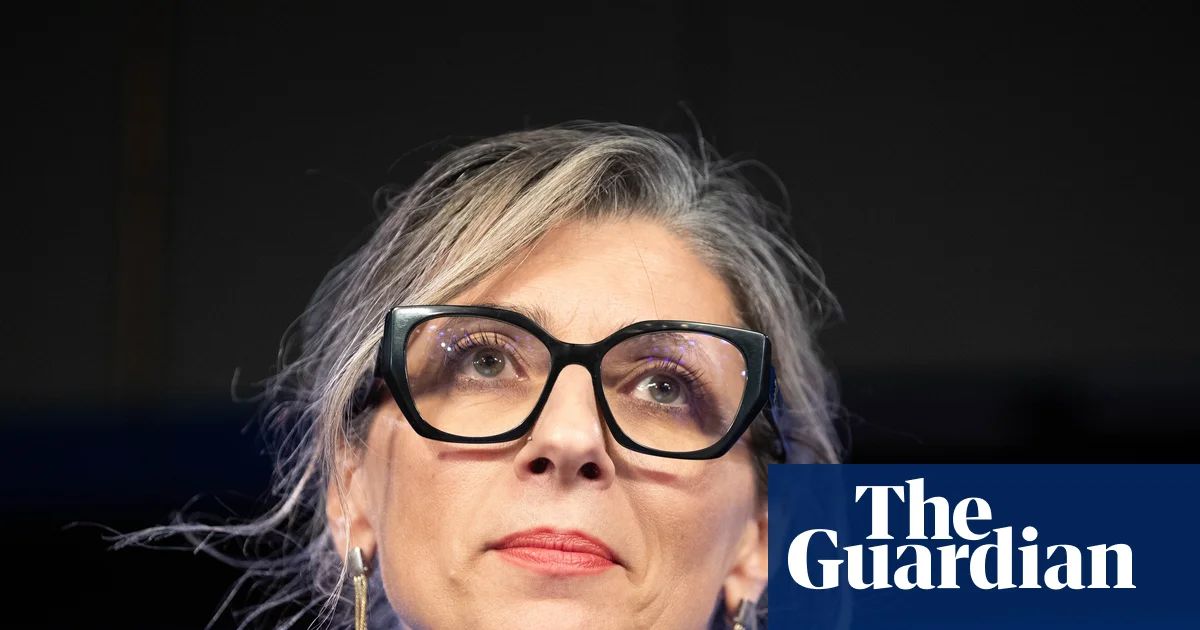
The geopolitical *underpinning* of this controversy extends far beyond Australia. The event’s guest, Albanese, has become a symbol of a global debate over how democratic societies handle dissent regarding Middle Eastern conflicts. Since July, Albanese has been subjected to US sanctions imposed by the Trump-era Treasury Department, which accused her of “lawfare” and “political warfare” aimed at undermining Israel’s narrative. Critics in the US, including Senator Marco Rubio, have portrayed Albanese as an anti-Semitic figure supporting terrorism and condemn her outspoken stance against alleged Israeli policies. These accusations exemplify the international politicization of human rights debates, where critiques of a vital and contentious region are weaponized within the broader tug-of-war between global powers—namely the United States, Israel, and their opponents.
Internationally, observers and analysts warn that such instances — be it censorship at prestigious universities or sanctions against critics — threaten to undermine the very essence of democratic debate and free expression. United Nations experts and independent voices, like Chris Sidoti, argue that this echoes a troubling trend of *intimidation*, where the mere expression of dissent becomes grounds for suppression. The palpable fear of offending powerful interests, especially those aligned with US and Israeli agendas, indicates a broader geopolitical shift where free speech increasingly faces threats from both domestic and international pressure campaigns. The ongoing battle between free expression and political correctness has the potential to stifle the vital exchange of ideas necessary for a resilient, informed society—an authentic foundation of democracy.
As history continues to unfold, the significance of these conflicts extends well beyond individual case studies. The battles over free speech, whether at universities or on the international stage, are shaping the very fabric of society’s capacity to confront complex truths. With each censorship and sanction, nations grapple with their identity: will they uphold courage and transparency, or succumb to fear and conformity? As the dust settles in Adelaide and beyond, the weight of history reminds us that these moments—whispered warnings or bold declarations—are the chapters where the future of free societies is inscribed, and the outcomes remain perilously uncertain. The world waits, watching whether the flame of open discourse will endure or flicker out amid mounting forces seeking to silence dissent.