Matox News

Truth Over Trends, always!

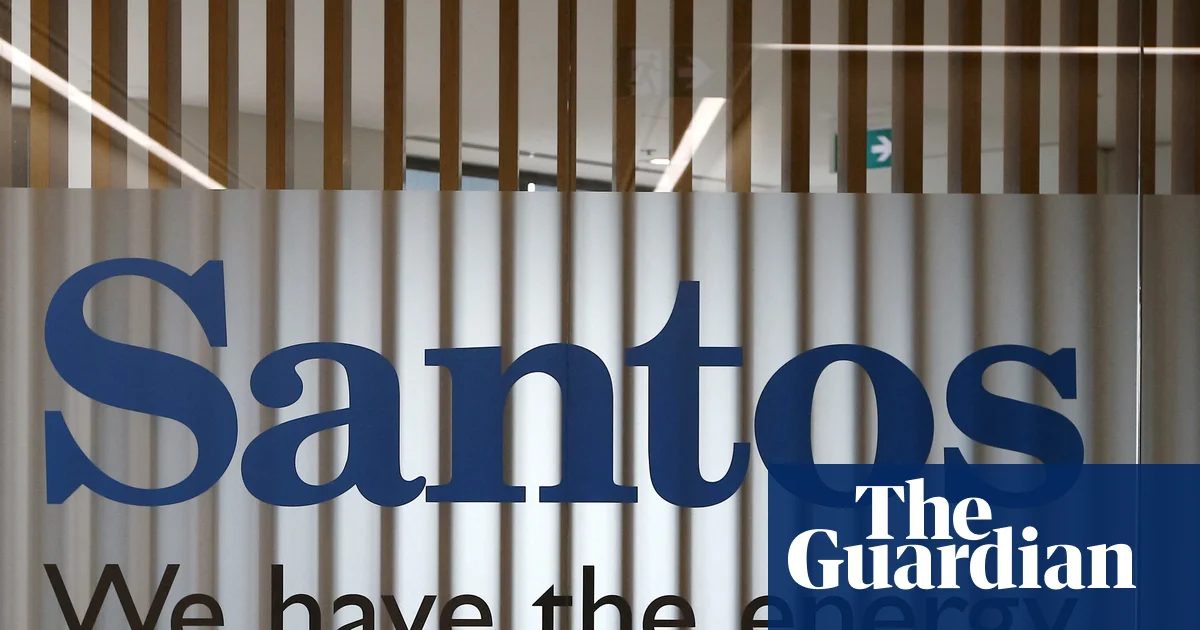
Adelaide Uni Considers Dropping Santos Name from Building to Stand Against Big Oil

Global institutions and nations are continually grappling with the complex interplay between economic development and environmental sustainability. Recent events from Australia’s top universities and regional politics showcase how local decisions often mirror larger geopolitical debates about resource management, indigenous rights, and cultural recognition. These decisions, though seemingly isolated, have far-reaching consequences that echo around the world, influencing how nations navigate the delicate balance of progress and preservation.

In South Australia, the debate over Santos, a major gas company engaged in expanding fossil fuel projects, highlights the ongoing struggle between corporate interests and environmental responsibility. As Adelaide University considers removing the Santos name from its engineering building—a move driven by student protests and conservationist campaigners—the wider international discourse on fossil fuels intensifies. Historians and environmental analysts warn that continued investment in natural gas without a clear transition plan endangers the global climate, jeopardizing the very societies that seek economic growth. This internal Australia controversy stands as a microcosm of global tensions, with some experts noting that such decisions shape the perceived legitimacy of corporate actors in national development narratives.

Meanwhile, the role of indigenous language and cultural recognition remains a hot-button issue, igniting heated debates on representation and respect. The incident where Cory Bernardi, a former One Nation politician, publicly mocked the Kaurna language by dismissing signs bearing traditional greetings, underscores how cultural misunderstandings and tribal sovereignty debates are playing out on a broader stage. International organizations like the UN have consistently emphasized that genuine respect for indigenous rights is crucial for social cohesion and peace. Yet, figures like Bernardi symbolize the persistent marginalization faced by indigenous communities, casting a shadow over Australia’s efforts to reconcile its colonial past with future unity.

The geopolitical impact of these regional issues is profound. The clash between resource exploitation and indigenous sovereignty has implications for regional stability, resource security, and international environmental commitments. As Australia continues to fluctuate in its approach to climate policies and cultural acknowledgment, global allies watch carefully. Competitive global markets and climate targets mean that such internal conflicts could influence international cooperation on environmental standards and trade agreements. Analysts argue that the way Australia navigates this internal tension will serve as a blueprint for other nations facing similar conflicts, especially in resource-rich regions like Africa, South America, and Southeast Asia.

As history unfolds, the decisions made today in Australia serve as stark reminders of the enduring struggle for progress that respects both environmental imperatives and cultural identities. With each protest and political controversy, the world witnesses the emergence of a new chapter in the fight for justice, sustainability, and sovereignty. The weight of the past presses heavily on the present, and the path forward remains uncertain. One thing is clear: as these stories develop, they will inevitably shape the geopolitical narrative of the 21st century, leaving a lasting imprint on future generations—an undeniable testament to the fact that history is still being written, and its pages are filled with fierce debates about what kind of world we want to leave behind.

Australia News Live: Poor Hospital Meals Worsening Healthcare Costs; Crocodile Remains Discovered by Adelaide Roadside

Global Power Dynamics Shaped by Emerging Geopolitical Shifts

In an era marked by rapid geopolitical evolution, recent decisions by major nations and international institutions have signaled profound shifts that will resonate across societies and borders. The ongoing reshuffling of alliances and policies underscores not only the strategic recalibrations of influential countries but also the unfolding saga of geopolitics that historians like Samuel Huntington have long warned about. As the United States, China, and Russia redefine their roles on the global stage, their actions bear consequential impacts for diverse societies, economies, and international stability.

Most notable among these developments is the recent **renewal of cooperation** between the European Union and the UK which signals a potential easing of post-Brexit tensions—however, critics argue that this shift may merely be a strategic facade for underlying fractures. Meanwhile, the BRICS nations continue their efforts to establish a parallel economic order, challenging Western dominance. The recent discussions surrounding the New Development Bank unveiling new funding initiatives demonstrate a strategic pivot away from traditional Western-led financial systems. Analysts from institutes like the Council on Foreign Relations suggest these movements foreshadow a multipolar world where sovereignty and local priorities will become central to international diplomacy. But how will these changes influence societies at ground level? It is likely that countries aligning with emerging poles will pursue policies that bolster national industries, while others may face increased instability due to shifting alliances.

Decisions at the National Level: a Double-Edged Sword

On the national front, recent policy shifts reflect a focus on sovereignty and economic resilience—yet, the repercussions are multifaceted. Governments are recalibrating foreign policies, trade agreements, and military commitments, which directly influence societal cohesion and economic stability. For example, the recent US-China trade negotiations illustrate an intent to protect domestic industries but risk escalating tensions with potential global repercussions. Historically, as Henry Kissinger pointed out, such strategic moves often contain unpredictable ripple effects that can threaten international peace. The re-establishment of alliances or dissolution of treaties like the Paris Climate Accord impacts both climate policies and economic development, especially for vulnerable societies depending on these frameworks.

Furthermore, the international community’s response to these shifts—discussed within bodies such as the United Nations—raises questions about effectiveness and relevance. While some organizations strive to adapt, critics argue that global institutions often serve as arenas for powerful nations to advance their agendas, leaving smaller nations at a disadvantage. The recent climate negotiations exemplify this tension, where environmental commitments become politicized, skewed by geopolitical interests. As geopolitical analysts like George Friedman observe, the power balance is increasingly defined by strategic resilience rather than military might alone. The decisions shape societies’ futures, where sovereignty clashes with the need for global cooperation, and citizens feel this tension most acutely in their daily lives.

Heading Toward an Uncertain Future

The unfolding story of geopolitics remains fraught with uncertainty, yet history’s persistent theme reminds us: every shift creates both opportunity and peril. The long arc of international relations hinges on the choices made today—from military alliances to economic policies—that will determine the fate of generations. As international actors maneuver with strategic patience, the question remains: which nations will emerge resilient, and which will fall prey to the chaos of transnational power struggles? The weight of history presses heavily on this moment. Citizens around the world—particularly the youth—must keenly observe how these decisions mold a future where their societies flourish or falter amid the shadows of emerging global order.

Adelaide Uni Cancels Event with UN Gaza Investigator Over Controversy

Global Tensions Escalate as Free Speech Battles Reflect Broader Political Struggles

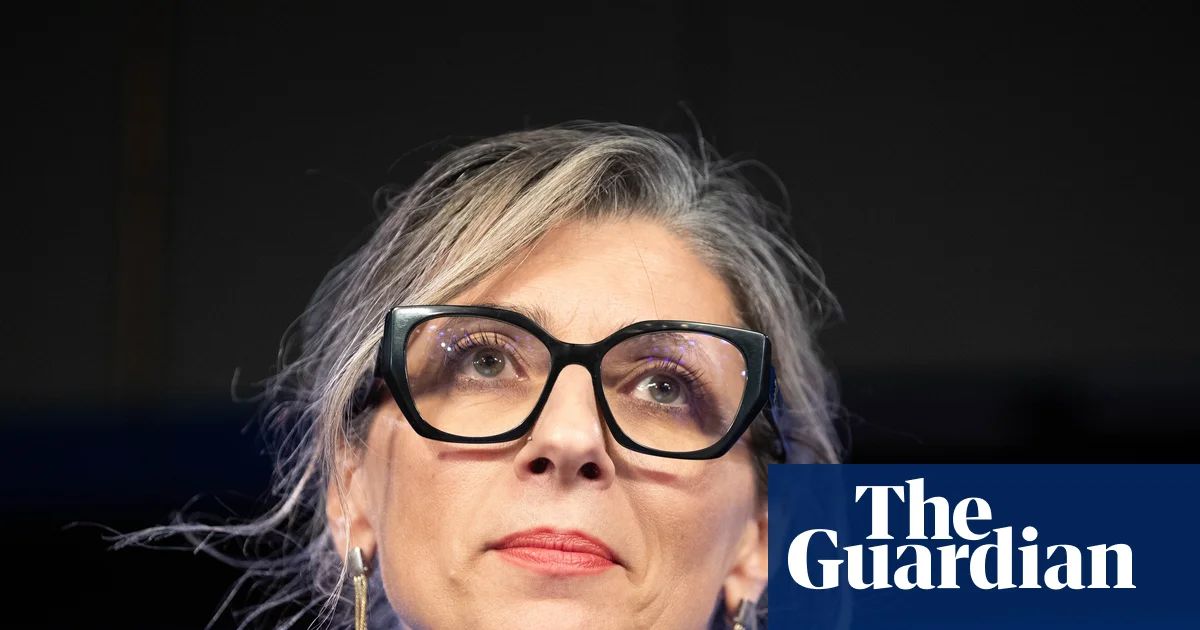
In a striking demonstration of the shrinking boundaries of free speech within academic and cultural institutions, Australia’s venerable Adelaide University has recently faced significant backlash after abruptly cancelling a high-profile event featuring UN Special Rapporteur Francesca Albanese. The event, intended to delve into issues surrounding settler colonialism and human rights in the occupied Palestinian territories, was part of the grassroots Constellations: Not Writers’ Week literary festival—an alternative platform born in the wake of the cancellation of the traditional Adelaide Writers Week. The decision to cancel the event signifies more than a mere administrative misstep; it exemplifies the growing resistance among some institutions to hosting controversial figures aligned with critical perspectives on Israel and Palestine.

This cancellation has ignited fierce debates on what constitutes acceptable discourse in Western democracies. Louise Adler, the former director of Adelaide Writers’ Week, condemned the move as a sign of institutional cowardice, asserting that universities and arts organizations are becoming “Moscow-on-the-Torrens,” a stark metaphor for their apparent capitulation to political pressures and censorship. Meanwhile, APIL (The Association for the Promotion of International Law), organizer of the event, claims the university’s cancellation was based on procedural grounds, asserting that all preparations had been completed and that no due process violations occurred. However, implying that the university’s decision stems from fear of controversy, critics argue that this reflects a troubling trend where fear of external criticism inhibits the exchange of challenging, yet critical ideas vital for healthy democracies.

The geopolitical *underpinning* of this controversy extends far beyond Australia. The event’s guest, Albanese, has become a symbol of a global debate over how democratic societies handle dissent regarding Middle Eastern conflicts. Since July, Albanese has been subjected to US sanctions imposed by the Trump-era Treasury Department, which accused her of “lawfare” and “political warfare” aimed at undermining Israel’s narrative. Critics in the US, including Senator Marco Rubio, have portrayed Albanese as an anti-Semitic figure supporting terrorism and condemn her outspoken stance against alleged Israeli policies. These accusations exemplify the international politicization of human rights debates, where critiques of a vital and contentious region are weaponized within the broader tug-of-war between global powers—namely the United States, Israel, and their opponents.

Internationally, observers and analysts warn that such instances — be it censorship at prestigious universities or sanctions against critics — threaten to undermine the very essence of democratic debate and free expression. United Nations experts and independent voices, like Chris Sidoti, argue that this echoes a troubling trend of *intimidation*, where the mere expression of dissent becomes grounds for suppression. The palpable fear of offending powerful interests, especially those aligned with US and Israeli agendas, indicates a broader geopolitical shift where free speech increasingly faces threats from both domestic and international pressure campaigns. The ongoing battle between free expression and political correctness has the potential to stifle the vital exchange of ideas necessary for a resilient, informed society—an authentic foundation of democracy.

As history continues to unfold, the significance of these conflicts extends well beyond individual case studies. The battles over free speech, whether at universities or on the international stage, are shaping the very fabric of society’s capacity to confront complex truths. With each censorship and sanction, nations grapple with their identity: will they uphold courage and transparency, or succumb to fear and conformity? As the dust settles in Adelaide and beyond, the weight of history reminds us that these moments—whispered warnings or bold declarations—are the chapters where the future of free societies is inscribed, and the outcomes remain perilously uncertain. The world waits, watching whether the flame of open discourse will endure or flicker out amid mounting forces seeking to silence dissent.

Social Media Auto Publish Powered By : XYZScripts.com



