Matox News

Truth Over Trends, always!

Elder French Widow, Held by ICE, Returns Home Amid Immigration Controversy

The recent personal narrative involving Marie-Thérèse, a figure whose life has been profoundly affected by international ties, underscores the enduring intersection between individual stories and the broader geopolitical landscape. Having moved to the United States after reuniting with her long-lost love, only to face the devastating loss of her partner in January, her story exemplifies how personal and national histories are intertwined in the fabric of international relations. While these incidents might seem isolated on a human level, they carry significant implications for diplomatic relations, cultural exchanges, and societal perceptions between nations.

Transformative Power of Personal Loss on Diplomacy

The life-altering events experienced by Marie-Thérèse are not just isolated tragedies but reflect a broader narrative of cultural integration and international human connections. Her migration and emotional journey highlight the ongoing impact of global migration patterns, which have been fueled in part by diplomatic policies, economic opportunities, and social networks. Analysts from international institutions argue that such stories can influence diplomatic sentiment, fostering softer diplomacy rooted in shared human experiences. The loss of her American partner, in particular, brings to light how individual tragedies can ripple through political and social spheres, often humanizing complex diplomatic issues such as immigration, asylum, and bilateral relations.

Dynamics of International Heritage and Memory

Historians warn that moments like these expose the fragile yet profound bonds that underpin international relations — bonds often strengthened or strained by the personal histories of those involved. Some international experts highlight that personal stories of loss foster a collective memory that can shape public opinion, influencing societal attitudes on issues such as migration policies, multicultural engagement, and cross-border cooperation. The death of Marie-Thérèse’s partner has the potential to serve as a cautionary tale about the vulnerabilities faced by expatriates, immigrants, and refugees, emphasizing how these themes resonate across national borders and affect the societal fabric.

Shifting Alliances and Future Policy Directions

As global leaders and international organizations analyze shifts in public sentiment, there is an observable tendency to recalibrate policies that address the human side of international migration. The United Nations and other diplomatic bodies have long called for a compassionate approach, yet critics argue that actual policy often lags behind the emotional realities faced by individuals like Marie-Thérèse. These personal histories are increasingly used by conservative and youth-oriented policymakers to advocate for stronger national borders, more selective immigration policies, and prioritization of citizen welfare. Understanding how such tragedies influence public opinion is key to predicting future diplomatic stances, especially as nations seek to reinforce sovereignty amid competing global influences.

The Unfolding Drama of History

In the grand tapestry of world history, individual stories such as Marie-Thérèse’s serve as stark reminders that, despite nations’ strategic interests, the human element remains at the core of all international engagement. As historians and analysts ponder the long-term consequences of these personal tragedies, the question remains: how will nations adapt their policies to honor these stories and prevent future losses? History’s unyielding march continues, with each life lost shaping the geopolitical map yet to be written — a reminder that the shadows of today’s struggles encompass the dawn of tomorrow’s global order.

Polymarket pulls bets on Air Force officer rescue amid controversy

Disruptive Impact of Prediction Markets: Polymarket Under Scrutiny

The rise of decentralized prediction markets such as Polymarket has ignited a debate on the transformative potential and associated risks of harnessing blockchain technology for real-time event betting. These platforms, leveraging the power of blockchain transparency and _crypto-enabled liquidity_, are pioneering a new frontier for disruption in information markets. Their ability to facilitate high-volume, fast-paced trading on geopolitical and military events exemplifies both their innovation and their threat to traditional information control and oversight.

Recent incidents, including Polymarket allowing bets on the rescue timeline of U.S. service members shot down over Iran, underscore the platform’s capability for rapid, unregulated market formation. While such markets offer unprecedented *disruption* for policymakers, analysts, and the private sector in gathering real-time sentiment and intelligence, they also raise profound ethical and security concerns. The backlash from Congressional figures—notably Rep. Seth Moulton’s denouncement—highlights the platform’s erosion of traditional moral bounds and the risks of commodifying human life and military crises.

Innovation and Business Implications

From a technological innovation standpoint, Polymarket exemplifies how blockchain’s immutable ledgers and tokenized assets can revolutionize traditional markets. The platform’s ability to process hundreds of millions of dollars, such as bets tied to the Iran bombing incident, demonstrates a new scale of market liquidity and disruption of conventional forecasting. Industry analysts, including Gartner, predict that predictions markets leveraging decentralized tech could reshape information asymmetry and influence geopolitical decision-making in ways previously unimagined.

However, the business implications are profound. Regulatory scrutiny is mounting, especially as platforms like Polymarket operate in a gray zone of legality and ethical boundaries. The platform’s response—taking down the market and initiating an internal investigation—illustrates ongoing challenges in maintaining integrity standards in a rapidly evolving space. The risk for investors and operators lies in potential crackdown measures which could stifle innovation but are deemed necessary by authorities to prevent market manipulation or moral hazard.

Disruption Ahead: Navigating the Future

The emergence of blockchain-powered prediction markets signifies a pivotal shift, favoring transparency, immediacy, and democratized access to information. Yet, as the industry accelerates, it must contend with regulatory environments that are increasingly hostile to unregulated betting on sensitive geopolitical events. Leaders such as Elon Musk and Peter Thiel have voiced caution about unchecked innovation without safeguards that align with societal values.

Looking forward, the trajectory of decentralized prediction markets will hinge on technological advancements, regulatory adaptations, and societal acceptance. The window for establishing frameworks that balance disruption and oversight is narrowing. As the digital landscape evolves, corporations and entrepreneurs must act decisively to shape the future of this disruptive technology, ensuring its benefits can be harnessed while minimizing ethical pitfalls. The stakes could not be higher, as the intersection of blockchain, AI, and real-time data continues to redefine the boundaries of what is possible—and what must be guarded.

Pepsi pulls Wireless sponsorship after Kanye West controversy

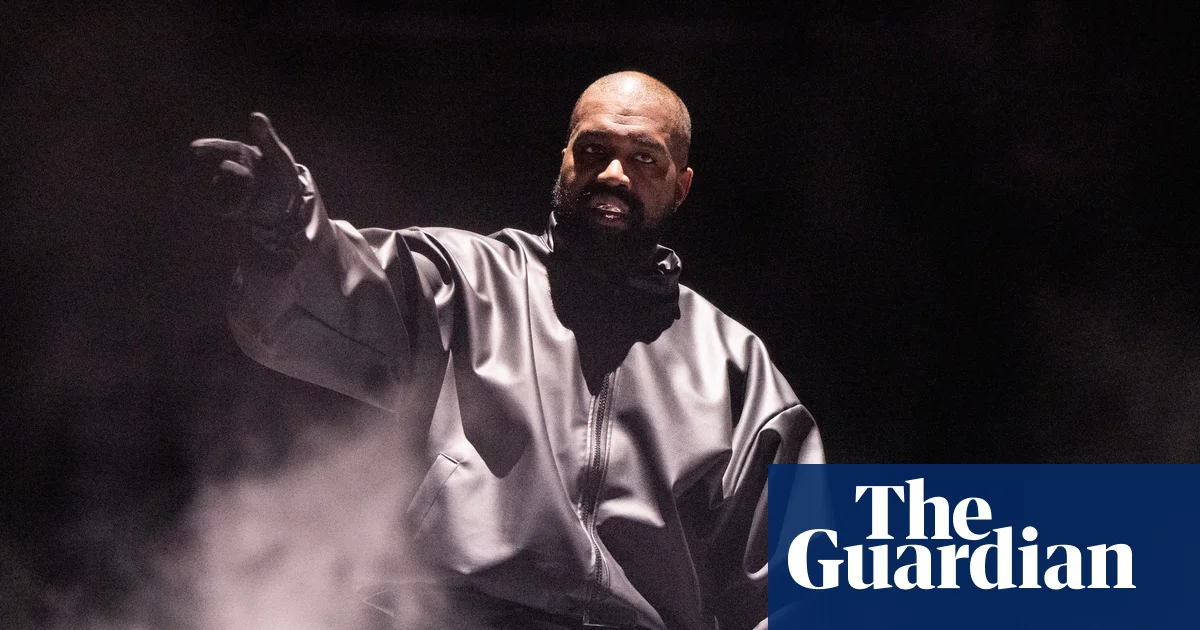
In a clear illustration of how geopolitical shifts and cultural conflicts intertwine, recent developments in the United Kingdom have sparked a broader debate about social values, security, and the influence of international figures. The controversy surrounding Kanye West—also known as Ye—and his scheduled performance at London’s Wireless Festival underscores the power of public morality and national security considerations in shaping cultural events. Major sponsors such as Pepsi have distanced themselves, citing moral and reputational concerns, which reflects a broader international trend: the economic and diplomatic implications of associating with controversial figures are reaching new heights.

  • West’s history of making antisemitic remarks, including a song titled Heil Hitler, and public admiration for Adolf Hitler, has led UK authorities and societal leaders to question the appropriateness of his presence during a time of heightened sensitivity and ongoing debates over free speech versus hate speech.
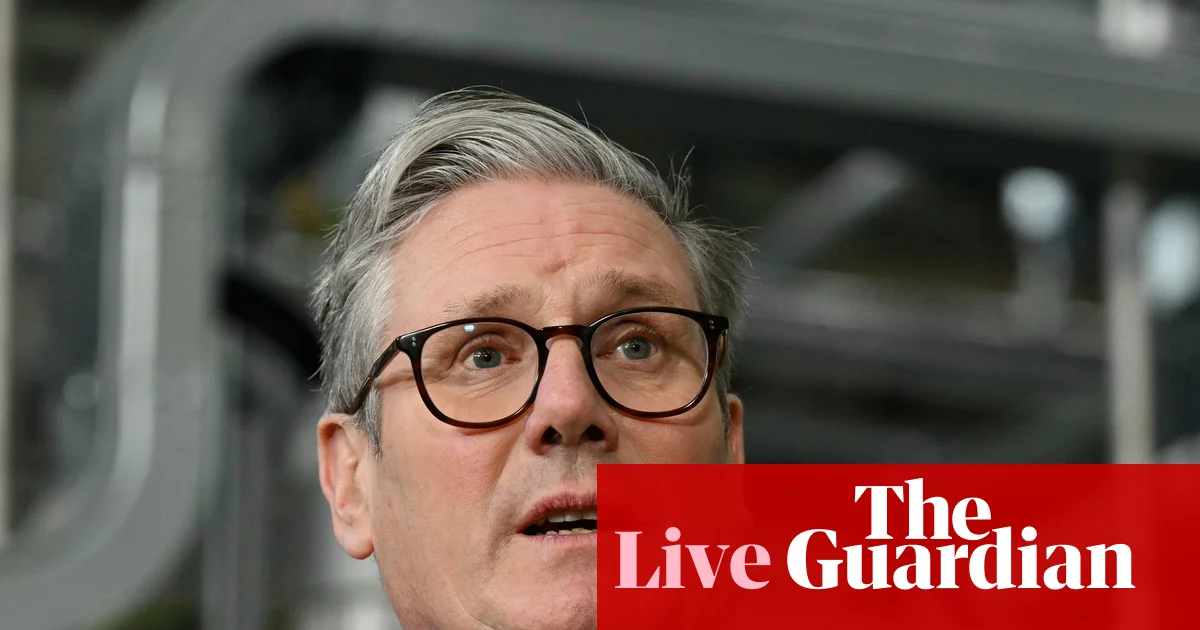
  • Prime Minister Keir Starmer has publicly condemned the booking, emphasizing that antisemitism “is genuinely abhorrent” and insisting that Britain must remain a society where minorities, especially Jewish communities, feel safe and protected.
  • The Home Office, abiding by UK immigration and conduct policies, is reportedly considering whether West can be excluded from entry, citing the potential for his conduct abroad to threaten societal cohesion—highlighting a pivotal shift in how nations regulate international figures based on perceived ideological threats.

At the international level, watchdog organizations like the Jewish Leadership Council and the Board of Deputies of British Jews have labeled the festival’s decision to feature West as “deeply irresponsible” amidst ongoing attacks on the Jewish community. This international scrutiny exemplifies how domestic decisions on cultural figures can reverberate globally, affecting diplomatic relations, especially when intertwined with Europe’s increasing vigilance against antisemitism. Historians and analysts warn that such controversies serve as a turning point—highlighting the delicate balance between protecting societal values and preserving artistic freedom in a rapidly changing geopolitical landscape.

More broadly, the incident illuminates the escalating use of cultural and moral gatekeeping as instruments of foreign policy and social stability. Countries are progressively adopting stricter entry policies, with officials citing character, conduct, and associations as criteria for denying visas, thereby extending their sovereignty into the realm of individual morality beyond traditional security concerns. The UK’s example offers a cautionary tale: How the decisions of one nation to accept or exclude polarizing cultural figures can influence diplomatic alliances, economic investments, and societal cohesion on a global stage. As historians examine this unfolding drama, one thing remains clear—the cultural battles of today will undoubtedly shape the geopolitical landscape of tomorrow.

In the shadow of these tensions, the story of Kanye West’s potentially canceled UK appearance is more than a controversy about music or morality; it is a reflection of a world where ideological conflicts and cultural identities collide with economic interests and national security. As the dust settles, one question endures: Who writes the future of society—those who uphold the values of tolerance and security, or those who risk everything for the fleeting specter of controversy? The answer, like history itself, is still being written—yet its consequences will echo through the corridors of power for generations to come.

Scott Mills’ sudden departure sparks fresh controversy for the BBC, challenging their commitment to youthful programming

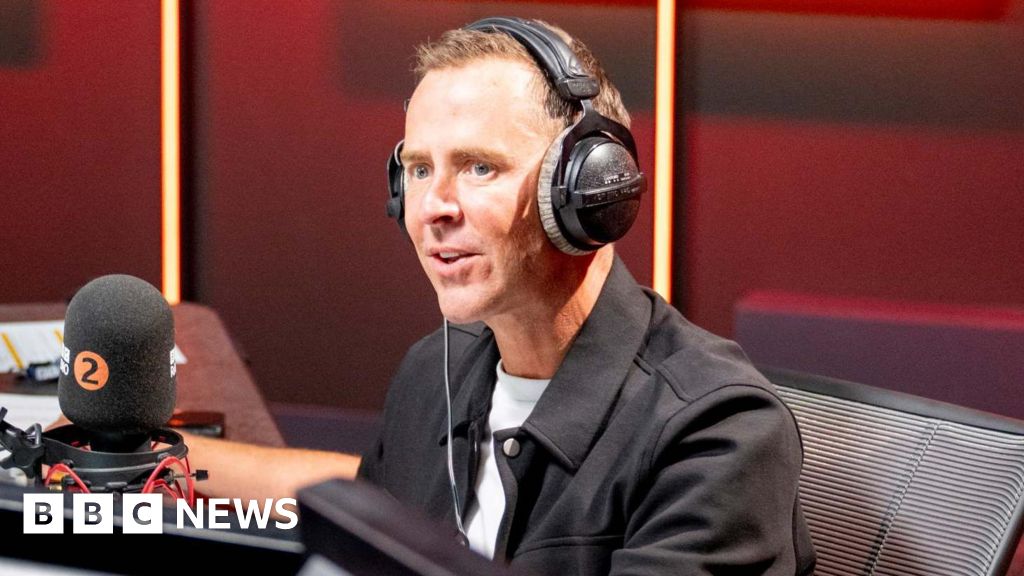
Recent events have once again illuminated the fragile relationship between culture and societal stability. The dismissal of Radio 2 DJ Scott Mills from the BBC, amidst allegations of misconduct, is not merely a matter of individual controversy but echoes deeper currents in the ongoing conversation about the moral fabric and character of our institutions. As Tocqueville observed centuries ago, “democratic nations are marked by a tension between the pursuit of equality and the preservation of standards that uphold social cohesion.” This tension manifests vividly when figures of cultural prominence falter, revealing the importance and vulnerability of the moral underpinnings that support societal cohesion.

In the realm of cultural production, figures like Mills, whether they serve as entertainers or ideological symbols, are more than mere entertainers—they are custodians of tradition, carriers of the collective memory, and creators of symbols that shape societal identity. The cultural moment is both a mirror and a mold, reflecting current values and simultaneously challenging or reinforcing them. As Ortega y Gasset asserted, “a nation’s culture is the upper limit of its consciousness, the language in which its ideals are clarified.” When a prominent figure falls under scrutiny, it is emblematic of a broader crisis: the erosion of social trust and the shifting standards that define our moral landscape. Such moments compel a reflection on how our cultural icons embody our shared values and aspirations, serving as both a reflection of who we are and a touchstone of what we wish to become.

Historically, cultural upheavals have often signaled a turning point in national identity. During periods of moral decay or societal dislocation, we witness a re-evaluation of what constitutes integrity and virtue in the public sphere. Chesterton, in his critique of modernity, warned against losing sight of the permanent amid the transient. Today’s discourse concerning character and conduct among our cultural figures is no different; it is a confrontation with the enduring values that anchor our civilization. The question we face is not merely about individual misconduct but about whether we uphold the foundational principles that sustain our social fabric—respect, integrity, reverence for tradition.

As we mourn the loss of a beloved figure from our cultural landscape, a poetic truth emerges: culture is both memory and prophecy. It is the voice of the ancestors, echoing through time, guiding us with lessons of perseverance and virtue. Yet, it also whispers of the future, daring us to forge anew, with conscience and conviction. For in embracing our cultural heritage, we do not only preserve history — we participate in the ongoing act of creation, weaving the narrative of human life with threads of hope, identity, and moral resolve. Ultimately, culture remains the enduring flame that illuminates the path from human memory towards the horizon of human destiny, a testament both to where we have been and what we might yet become.

Publisher Pulls Horror Novel Amid AI Controversy, Sparking Debate

Historical Controversy Erupts as Author Denies AI Involvement in Horror Tale

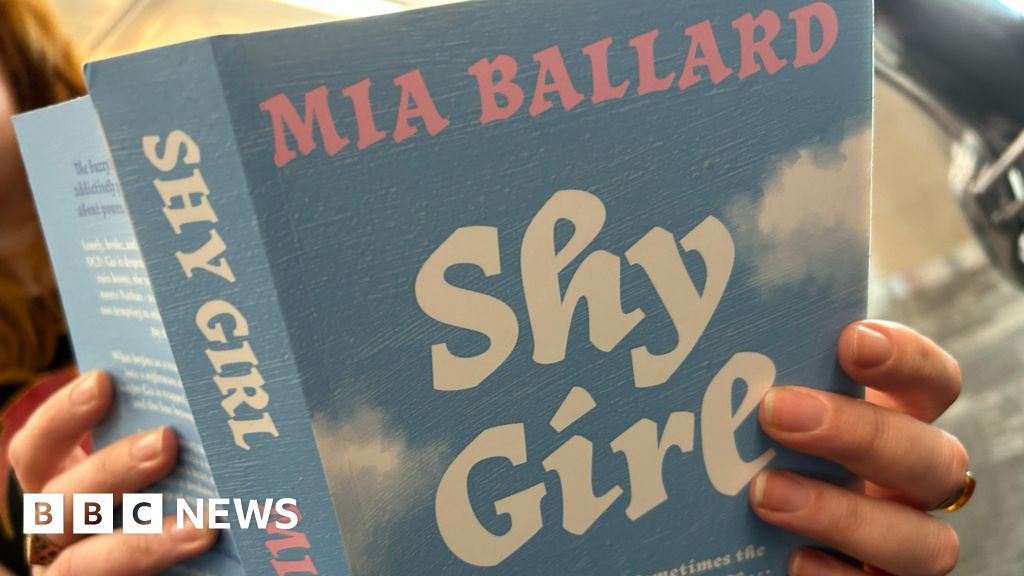
In a startling turn of events that echoes the ongoing debate over technological influence in cultural production, author Mia Ballard has publicly denied allegations that she employed artificial intelligence tools to craft her recent horror story, Shy Girl. The controversy unfolds amidst growing concerns about the rise of AI-generated content and its implications for authorship, originality, and artistic integrity across the global literary landscape. While Ballard maintains her traditional writing process, critics and industry insiders are debating the broader impacts of AI in creative sectors, with international organizations weighing in on the cultural and economic stakes involved.

The incident underscores a vital geopolitical impact—the ongoing struggle to regulate and control emerging technologies that threaten to redefine human labor and creative sovereignty. In particular, countries and institutions that have invested heavily in AI development face mounting pressures to establish standards that balance innovation with authenticity. According to reports from the United Nations Educational, Scientific and Cultural Organization (UNESCO), the potential for AI to disrupt cultural industries is immense, posing risks to traditional notions of intellectual property and the role of human creativity in storytelling. As major powers like the United States and China continue to lead global AI research, smaller nations are watching carefully, trying to navigate the delicate border between fostering innovation and safeguarding cultural identity.

The dispute over Mia Ballard’s work has become more than a question of personal integrity; it has become a symbolic battleground over the legitimacy of AI in the arts. Numerous independent analysts and historians have weighed in, asserting that such allegations exemplify the heightened tensions surrounding technological authenticity. “This case could serve as a pivotal moment,” explains Dr. Laura Chen, a technology historian at the International Institute of Creative Economy. “The legitimacy of human authorship is now being challenged at the highest levels, reflecting broader fears about automation’s encroachment into traditional industries, including literature and the arts.” As these debates unfold, policymakers are increasingly being urged to draft international treaties aimed at establishing clear boundaries between human and machine-generated content—boundaries that could determine the very future of cultural production and expression.

The decisions made in the coming months will resonate far beyond individual authors or publishers. They will influence the international cultural landscape and shape the societal understanding of authenticity in an age increasingly driven by algorithms. The lingering questions about who holds creative agency—and whether machine-generated content can ever truly rival human ingenuity—are at the heart of a seismic shift under way. Observers warn that failure to address these issues could lead to a troubling landscape where artistic integrity is commodified, and the “soul” of storytelling is lost amid the cold logic of machine code. As history continues to unfold, all eyes remain fixed on the unfolding saga that will determine whether humanity’s creative spirit can resist being subsumed by relentless technological encroachment, or whether we stand on the brink of a new era—one where the line between human and AI becomes irreversibly blurred.

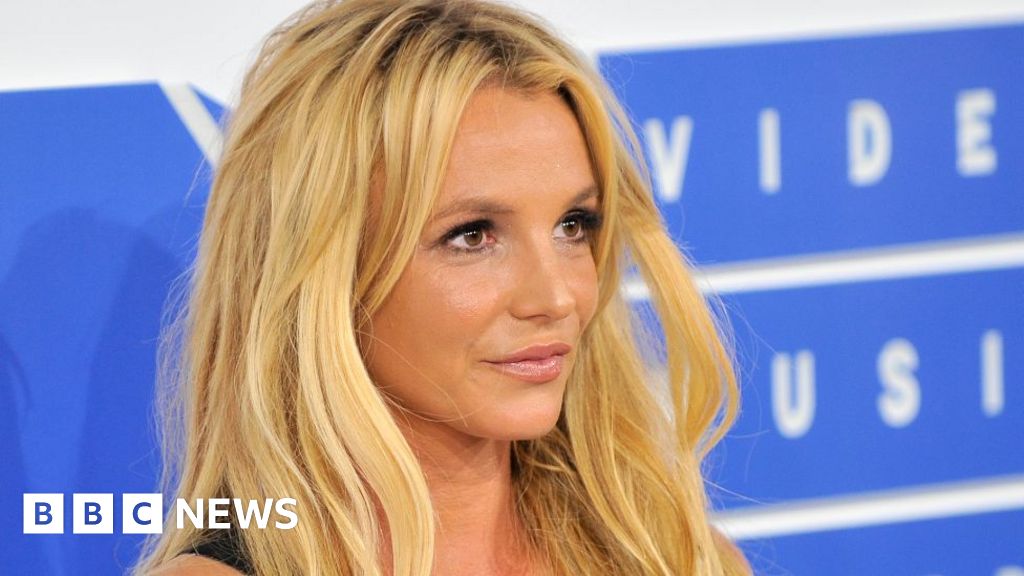
Britney Spears Detained in California Amid Rising Controversy

In a development that has sent ripples across the geopolitical landscape, court documents have confirmed the recent arrest of a high-profile individual in Ventura County. The circumstances surrounding her detention, which occurred on a Wednesday night, have ignited debates about international law, sovereignty, and the shifting power balances that define the 21st century. Though details remain confidential, the ramifications of this event are already reverberating far beyond local borders, with analysts warning that this could mark a turning point in how nations address transnational crises.

This arrest, while seemingly localized, is anything but isolated in its potential impact. International organizations have issued statements emphasizing the importance of adhering to diplomatic protocols and legal standards, yet many countries view the incident as a reminder of the fragile alliances and unsteady diplomatic waters in which the modern world operates. Experts like Dr. Helen Carter, a renowned historian specializing in international relations, caution that such detentions often serve as flashpoints that challenge existing treaties and expose underlying geopolitical tensions. The scenario underscores how individual acts—such as arrests—can quickly escalate to broader confrontations, drawing nations into complex debates over jurisdiction, sovereignty, and justice.

  • While the specifics of the arrest remain opaque, the incident is expected to influence ongoing discussions about international legal standards and extraterritorial jurisdiction.
  • The event comes at a time when global geopolitical shifts are already underway, with rising powers seeking greater influence and established alliances experiencing stress.
  • Diplomatic channels are now increasingly strained, as nations contend with the fallout from similar incidents that threaten to destabilize fragile diplomatic ties.

Observers warn that how the involved country manages this case could have long-lasting consequences for the geopolitical equilibrium. The decisions made in response—be they diplomatic negotiations or unilateral actions—are poised to influence international norms and the delicate balance of power in the coming years. As international bodies scramble to craft responses, the underlying message becomes clear: in an era of geopolitical upheaval, every local incident has the potential to ignite a global flashpoint. Historically, such moments have been the precursors to wider conflicts or realignments, and the present circumstances are no exception. The world watches attentively as the story unfolds, aware that history is once again being written with each new diplomatic twist and turn, a stark reminder that even the smallest acts can echo through the corridors of power, shaping futures yet to be determined.

Adelaide Uni Cancels Event with UN Gaza Investigator Over Controversy

Global Tensions Escalate as Free Speech Battles Reflect Broader Political Struggles

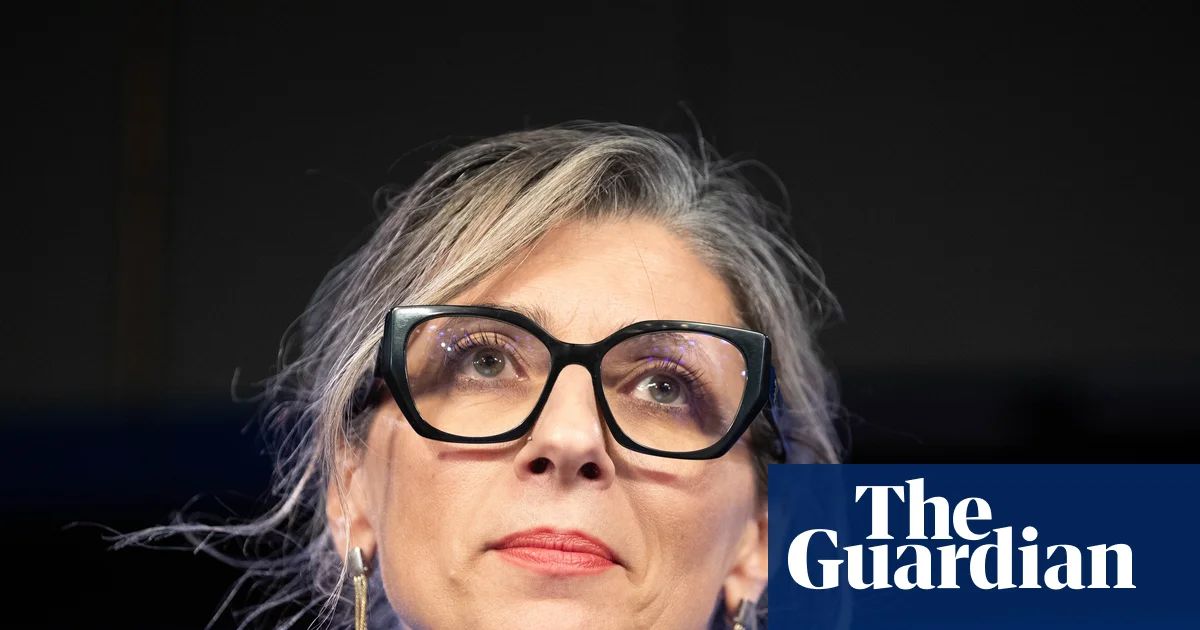
In a striking demonstration of the shrinking boundaries of free speech within academic and cultural institutions, Australia’s venerable Adelaide University has recently faced significant backlash after abruptly cancelling a high-profile event featuring UN Special Rapporteur Francesca Albanese. The event, intended to delve into issues surrounding settler colonialism and human rights in the occupied Palestinian territories, was part of the grassroots Constellations: Not Writers’ Week literary festival—an alternative platform born in the wake of the cancellation of the traditional Adelaide Writers Week. The decision to cancel the event signifies more than a mere administrative misstep; it exemplifies the growing resistance among some institutions to hosting controversial figures aligned with critical perspectives on Israel and Palestine.

This cancellation has ignited fierce debates on what constitutes acceptable discourse in Western democracies. Louise Adler, the former director of Adelaide Writers’ Week, condemned the move as a sign of institutional cowardice, asserting that universities and arts organizations are becoming “Moscow-on-the-Torrens,” a stark metaphor for their apparent capitulation to political pressures and censorship. Meanwhile, APIL (The Association for the Promotion of International Law), organizer of the event, claims the university’s cancellation was based on procedural grounds, asserting that all preparations had been completed and that no due process violations occurred. However, implying that the university’s decision stems from fear of controversy, critics argue that this reflects a troubling trend where fear of external criticism inhibits the exchange of challenging, yet critical ideas vital for healthy democracies.

The geopolitical *underpinning* of this controversy extends far beyond Australia. The event’s guest, Albanese, has become a symbol of a global debate over how democratic societies handle dissent regarding Middle Eastern conflicts. Since July, Albanese has been subjected to US sanctions imposed by the Trump-era Treasury Department, which accused her of “lawfare” and “political warfare” aimed at undermining Israel’s narrative. Critics in the US, including Senator Marco Rubio, have portrayed Albanese as an anti-Semitic figure supporting terrorism and condemn her outspoken stance against alleged Israeli policies. These accusations exemplify the international politicization of human rights debates, where critiques of a vital and contentious region are weaponized within the broader tug-of-war between global powers—namely the United States, Israel, and their opponents.

Internationally, observers and analysts warn that such instances — be it censorship at prestigious universities or sanctions against critics — threaten to undermine the very essence of democratic debate and free expression. United Nations experts and independent voices, like Chris Sidoti, argue that this echoes a troubling trend of *intimidation*, where the mere expression of dissent becomes grounds for suppression. The palpable fear of offending powerful interests, especially those aligned with US and Israeli agendas, indicates a broader geopolitical shift where free speech increasingly faces threats from both domestic and international pressure campaigns. The ongoing battle between free expression and political correctness has the potential to stifle the vital exchange of ideas necessary for a resilient, informed society—an authentic foundation of democracy.

As history continues to unfold, the significance of these conflicts extends well beyond individual case studies. The battles over free speech, whether at universities or on the international stage, are shaping the very fabric of society’s capacity to confront complex truths. With each censorship and sanction, nations grapple with their identity: will they uphold courage and transparency, or succumb to fear and conformity? As the dust settles in Adelaide and beyond, the weight of history reminds us that these moments—whispered warnings or bold declarations—are the chapters where the future of free societies is inscribed, and the outcomes remain perilously uncertain. The world waits, watching whether the flame of open discourse will endure or flicker out amid mounting forces seeking to silence dissent.

Casey Wasserman plans to sell talent agency following Epstein controversy, reports say

In a development that has sent shockwaves through the international political and social landscape, the prominent agent and LA Olympics chief is now under intense scrutiny owing to revealed past associations with controversial figures such as Jeffrey Epstein and Ghislaine Maxwell. This revelation has ignited a broad debate on accountability, transparency, and the moral standing of those entrusted with managing some of the world’s most influential sporting events. As investigations unfold, the potential implications for the upcoming Los Angeles Olympics extend beyond the realm of sports, touching on issues of international reputation and diplomatic integrity.

The timing of this controversy could not be more critical. The Olympics, long considered a symbol of unity and peaceful global cooperation, now faces questions about its governance and the influence of power brokers behind the scenes. Critics argue that such associations, if true, cast a shadow over the integrity of international sporting organizations and threaten to undermine public trust. Historians and analysts point to precedent cases where scandals involving influential figures have significantly impacted geopolitical relationships and national prestige. The revelations also illuminate the deeper challenge facing global institutions: how to reinforce standards of morality and transparency amid the complex web of political and corporate interests that often underpin major international events.

These events could have far-reaching geopolitical impact, especially as nations reflect on their responsibilities to uphold civic virtues amidst the seductive allure of economic gains and diplomatic symbolism. How global leaders respond in the coming weeks will likely set a precedent, influencing public perception and future accountability measures. International organizations such as the International Olympic Committee (IOC) are under pressure to demonstrate decisive action, large-scale reforms, or face accusations of complicity. Meanwhile, geopolitical analysts warn that such scandals provide opportunistic states and opponents with rhetorical ammunition, potentially fueling uprisings, diplomatic tensions, and credibility crises across borders.

Ultimately, this controversy underscores the fragile line between achievement and integrity in an interconnected world. As investigative entities deepen their probe into the allegations, the importance of adherence to moral principles and judicial accountability becomes more urgent than ever. History warns that when societies ignore the shadows cast by those in positions of power, the consequences can ripple across generations, eroding the foundational pillars of justice and fairness. The unfolding story remains a stark reminder that, in the arena of international diplomacy and cultural influence, the true cost of scandal often extends long after headlines fade—the weight of history continuing to unfold beneath the surface of global spectacle.

Chappell Roan cuts ties with Wasserman agency amid Epstein controversy

The recent revelation of Wasserman’s flirtatious emails to Ghislaine Maxwell from the Epstein files has sent shockwaves through international political and judicial circles. These documents, released amidst ongoing investigations into Jeffrey Epstein’s network, expose a web of clandestine communications that potentially implicate influential figures across multiple nations. The contents detail a pattern of clandestine ties that are now under scrutiny for possible diplomatic and legal repercussions, revealing how interconnected and opaque the world of the global elite truly is.

Analysts warn that these disclosures threaten to destabilize established narratives regarding the so-called “elite justice” system—a system often criticized by conservative observers as biased towards protecting powerful individuals. Historians from institutions such as the Smithsonian Institution and think tanks like the Cato Institute have pointed out that these revelations highlight recurring themes of systemic secrecy and impunity for the privileged in international law. The timing of their release underscores the broader geopolitical debate about accountability among the world’s most influential figures, and how such networks can shape global stability.

The geopolitical impact of this case extends beyond individual scandals, touching upon the delicate balance of power among nations. The revelations about Wasserman’s interactions with Maxwell suggest possible links to high-level operatives or intelligence agencies—a development that experts say could deepen mistrust between nations already wary of each other’s agendas. As countries like the United States, United Kingdom, and Russia assess the implications, questions arise about what international protocols are in place to monitor such clandestine exchanges and how they influence diplomatic relations. Moreover, these disclosures threaten to undermine public confidence in national and global institutions tasked with maintaining justice and transparency.

Ultimately, these leaked emails symbolize more than a scandal; they are an unsettling reminder that the forces shaping our world are often shielded behind layers of secrecy. As investigations intensify and the media picks up pace, the course of history remains uncertain. The unfolding narrative is a stark warning of the unchecked power of the few over the many—power that, if left unchallenged, could propel the world into an era of even greater instability. The weight of this revelation underscores a pivotal moment: a society must decide whether to confront its hidden hierarchies or continue to turn a blind eye, allowing history’s most enduring conflicts to persist in the shadows.

Norwegian Crown Princess Issues Apology Amid Epstein Controversy

In an unexpected yet significant gesture, Mette-Marit, Crown Princess of Norway, publicly apologized to the Norwegian people for not fully understanding the nature of the individual associated with a recent heinous crime case. This apology underscores a broader challenge faced by monarchies and leadership figures worldwide: balancing public trust with the complex realities of individuals within their spheres of influence. The statement not only resonates domestically but also holds substantial implications for international perceptions of Norway, a nation often lauded for its social cohesion and transparent governance.

The revelations surrounding the sex offender have triggered a wave of reflection across societal and political lines, shining a spotlight on how societies evaluate the character of individuals linked to their elites. Traditional monarchies, once seen solely as symbols of history, are now scrutinized through the lens of accountability and societal responsibility. Analysts point to this incident as a *turning point* that demands a reevaluation of transparency within royal institutions. Historians argue that such moments serve as critical junctures where societal values are tested, emphasizing the importance of preemptive oversight and transparent communication in maintaining public trust. Meanwhile, international organizations like the United Nations continue to advocate for stronger mechanisms to prevent such failures from recurring, citing the enduring importance of resilience in national institutions.

Beyond the immediate national context, the geopolitical impact of this incident extends into diplomatic domains as well. Norway’s reputation as a stable, progressive nation poised at the crossroads of Europe and the Arctic is now intricately linked to its internal challenges. Critics argue that the incident exposes vulnerabilities in the country’s societal oversight and prompts questions about how other small nations handle leadership transparency in an age where public opinion can shift overnight. Such events ripple outward, influencing diplomatic relations with neighboring nations and international bodies, which are increasingly attentive to issues of institutional integrity. According to international political analysts, this moment could catalyze reforms in governance practices, not only within Norway but across similar constitutional monarchies globally.

As the weight of history presses on these unfolding events, the lesson remains stark: decisions made in the corridors of power are etched into the collective memory of nations. The outcome of this controversy could either reinforce trust or deepen skepticism towards royal institutions, shaping the social fabric of Norway for generations to come. With the world watching, the path forward will undoubtedly define the character of a society that prides itself on transparency and steadfastness—values that are now, more than ever, under the microscope. History’s judgment awaits, and the choices made today will determine how societies reckon with the dark shadows of the past and illuminate the future.

Social Media Auto Publish Powered By : XYZScripts.com