Global institutions and nations are continually grappling with the complex interplay between economic development and environmental sustainability. Recent events from Australia’s top universities and regional politics showcase how local decisions often mirror larger geopolitical debates about resource management, indigenous rights, and cultural recognition. These decisions, though seemingly isolated, have far-reaching consequences that echo around the world, influencing how nations navigate the delicate balance of progress and preservation.
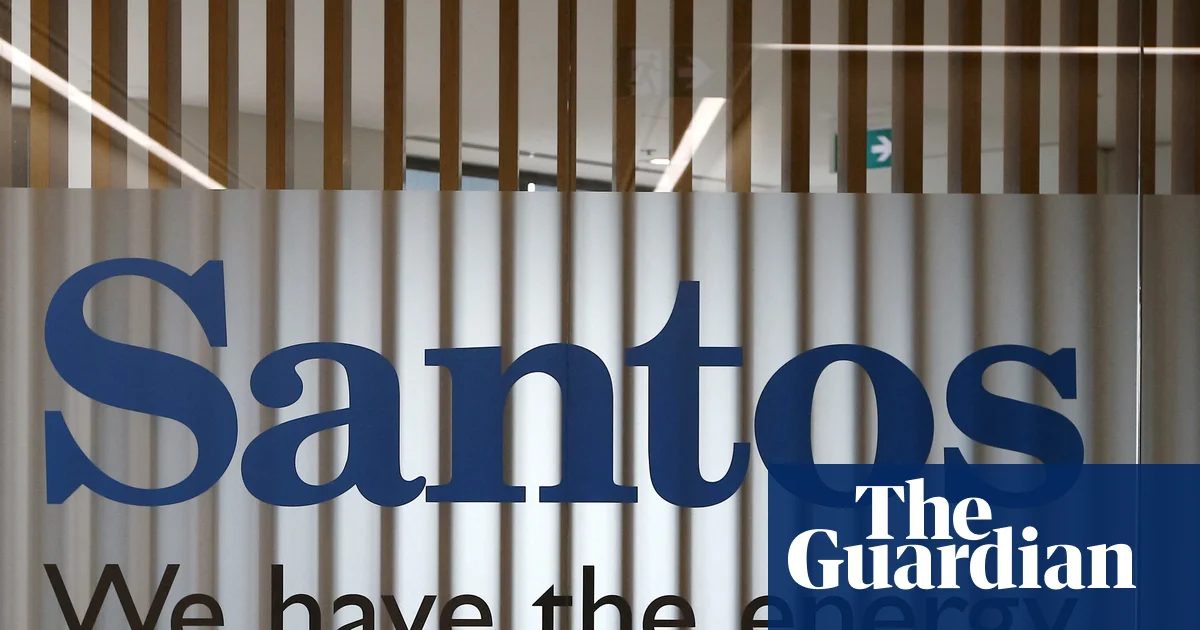
In South Australia, the debate over Santos, a major gas company engaged in expanding fossil fuel projects, highlights the ongoing struggle between corporate interests and environmental responsibility. As Adelaide University considers removing the Santos name from its engineering building—a move driven by student protests and conservationist campaigners—the wider international discourse on fossil fuels intensifies. Historians and environmental analysts warn that continued investment in natural gas without a clear transition plan endangers the global climate, jeopardizing the very societies that seek economic growth. This internal Australia controversy stands as a microcosm of global tensions, with some experts noting that such decisions shape the perceived legitimacy of corporate actors in national development narratives.
Meanwhile, the role of indigenous language and cultural recognition remains a hot-button issue, igniting heated debates on representation and respect. The incident where Cory Bernardi, a former One Nation politician, publicly mocked the Kaurna language by dismissing signs bearing traditional greetings, underscores how cultural misunderstandings and tribal sovereignty debates are playing out on a broader stage. International organizations like the UN have consistently emphasized that genuine respect for indigenous rights is crucial for social cohesion and peace. Yet, figures like Bernardi symbolize the persistent marginalization faced by indigenous communities, casting a shadow over Australia’s efforts to reconcile its colonial past with future unity.
The geopolitical impact of these regional issues is profound. The clash between resource exploitation and indigenous sovereignty has implications for regional stability, resource security, and international environmental commitments. As Australia continues to fluctuate in its approach to climate policies and cultural acknowledgment, global allies watch carefully. Competitive global markets and climate targets mean that such internal conflicts could influence international cooperation on environmental standards and trade agreements. Analysts argue that the way Australia navigates this internal tension will serve as a blueprint for other nations facing similar conflicts, especially in resource-rich regions like Africa, South America, and Southeast Asia.
As history unfolds, the decisions made today in Australia serve as stark reminders of the enduring struggle for progress that respects both environmental imperatives and cultural identities. With each protest and political controversy, the world witnesses the emergence of a new chapter in the fight for justice, sustainability, and sovereignty. The weight of the past presses heavily on the present, and the path forward remains uncertain. One thing is clear: as these stories develop, they will inevitably shape the geopolitical narrative of the 21st century, leaving a lasting imprint on future generations—an undeniable testament to the fact that history is still being written, and its pages are filled with fierce debates about what kind of world we want to leave behind.