Matox News

Truth Over Trends, always!

New Ebola Outbreak Claims Dozens in Congo, Threatens Regional Stability

A new and alarming Ebola outbreak has been officially confirmed in the Democratic Republic of Congo (DRC), with reports indicating at least 65 fatalities and 246 suspected cases. The surge in infections, concentrated in the remote Ituri province, has triggered urgent warnings from health officials regarding a significant risk of cross-border transmission, particularly to Uganda and South Sudan.

The Africa Centers for Disease Control and Prevention (Africa CDC) has verified the outbreak, which is currently centered in the Mongwalu and Rwampara health zones. This region, characterized by its proximity to international borders, active mining operations, underdeveloped infrastructure, and ongoing insecurity, presents a complex challenge for containment efforts.

The Spreading Threat in Ituri

The severity of the situation in eastern Congo cannot be overstated. With 65 deaths already recorded among 246 suspected cases, the human toll is mounting rapidly. Authorities are grappling with the logistical difficulties of reaching affected communities and implementing effective public health measures in a volatile environment.

The potential for the virus to spread beyond the DRC’s borders is a critical concern. Neighboring Uganda has already reported one Ebola-related death involving a Congolese national, underscoring the immediate threat. The confluence of mining-related travel and weak health systems in the border regions creates a dangerous pathway for rapid regional dissemination of the disease.

“The outbreak poses a significant regional transmission risk due to mining-related travel, weak infrastructure, and persistent insecurity, demanding a robust, coordinated international response.”

Identifying the Strain and Global Response

A crucial aspect of the current response involves identifying the specific strain of Ebola driving this outbreak. Health officials are actively investigating whether it is the highly virulent Ebola Zaire strain, responsible for past devastating epidemics, or a different variant. Initial tests suggest it might not be the Zaire strain, but comprehensive testing and sequencing efforts are ongoing to provide definitive answers.

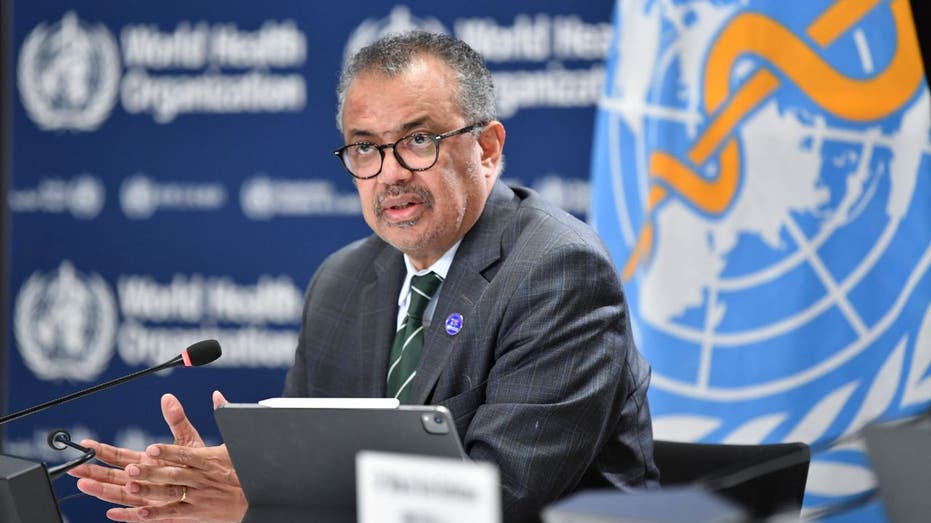
International institutions have quickly mobilized. The World Health Organization (WHO) dispatched a response team to the region last week to support local officials in their investigation and sample collection efforts. According to reports from News Desk, the Africa CDC is also playing a central role, coordinating surveillance and technical assistance to bolster the DRC’s capacity to manage the crisis. These coordinated efforts are vital for an effective and swift containment strategy.

Understanding the Virus and Its Dangers

Ebola is a highly contagious and frequently fatal disease. It spreads through direct contact with the bodily fluids of an infected person, including blood, vomit, and semen. Symptoms can manifest rapidly and include:

  • Severe fever
  • Intense muscle pain
  • Headaches and fatigue
  • Vomiting and diarrhea
  • Unexplained hemorrhage (internal and external bleeding)

It is important to note that while 65 deaths have been reported, only four have been laboratory-confirmed so far. The distinction between suspected and confirmed cases highlights the challenges in diagnosis and the urgent need for expanded testing capabilities in the affected zones.

Addressing this Ebola outbreak requires sustained vigilance and a unified approach from local authorities and international partners. Containing the spread, especially across porous borders, is paramount to protecting regional health security and preventing a wider humanitarian crisis. The focus remains on robust public health interventions, community engagement, and supporting the institutions on the ground working tirelessly to bring the situation under control.

Fragile Lebanon Ceasefire Extended Amid Continued Border Clashes

WASHINGTON D.C. – A fragile ceasefire between Israel and Lebanon has been extended, the U.S. State Department announced Friday, following two days of intense negotiations in Washington D.C. The agreement aims to de-escalate tensions along the volatile border, which has seen persistent exchanges of fire despite an initial truce declared last month.

President Donald Trump originally announced the ceasefire on April 16, a move intended to halt hostilities between Israeli forces and Hezbollah. However, the period since has been marked by continued violence, challenging the efficacy of diplomatic interventions and raising concerns about regional stability.

Humanitarian Impact and Ongoing Conflict

The human cost of the ongoing conflict remains a grave concern. Lebanon’s health ministry reported that an Israeli strike tragically claimed the lives of six individuals, including paramedics, in the town of Harouf. This incident follows a previous report from Wednesday, where the ministry cited Israeli air strikes as responsible for 22 fatalities, including eight children, across southern Lebanon. These reports underscore the devastating impact of the conflict on civilian populations and essential service providers.

The continuation of hostilities, even as diplomatic channels work to secure peace, highlights the complex and deeply entrenched nature of the regional conflict. For Matox News, the protection of civilians and the upholding of international humanitarian law remain paramount considerations in reporting on such events.

“The extension of the ceasefire is a testament to persistent diplomatic efforts, yet the tragic loss of life demonstrates the profound challenges to achieving genuine stability in the region.”

The Role of U.S. Diplomacy

The United States has played a pivotal role in mediating the ceasefire and its subsequent extension. The US State Department’s announcement follows direct negotiations, signaling a concerted effort by the Trump administration to promote order and de-escalation in a critical geopolitical hotspot. This diplomatic engagement reflects a commitment to supporting institutional processes that aim to resolve conflict and prevent wider regional destabilization.

The challenges to maintaining this truce are significant. The continued exchange of fire between Israel and Hezbollah suggests that underlying grievances and security concerns remain potent. Effective resolution will require not only sustained diplomatic pressure but also a genuine commitment from all parties to adhere to the terms of the agreement and prioritize the safety and well-being of civilians.

Path Towards Lasting Stability

For a lasting peace to take root, more than just a temporary halt in fighting is required. The international community, led by responsible state actors, must encourage robust mechanisms for monitoring and enforcing the ceasefire. Furthermore, addressing the root causes of instability, including the presence of non-state actors operating outside sovereign control, is crucial for fostering genuine regional security. As reported by the BBC, the Israeli military has been contacted for comment regarding recent incidents, indicating ongoing scrutiny of the situation.

The current extension offers a window for further dialogue and a potential reduction in suffering. It is imperative that all parties seize this opportunity to move towards a more secure and stable future for Lebanon and the broader Middle East, upholding the principles of order and the rule of law.

Lebanon Files Landmark UN Complaint Accusing Iran of Deploying IRGC Terrorists

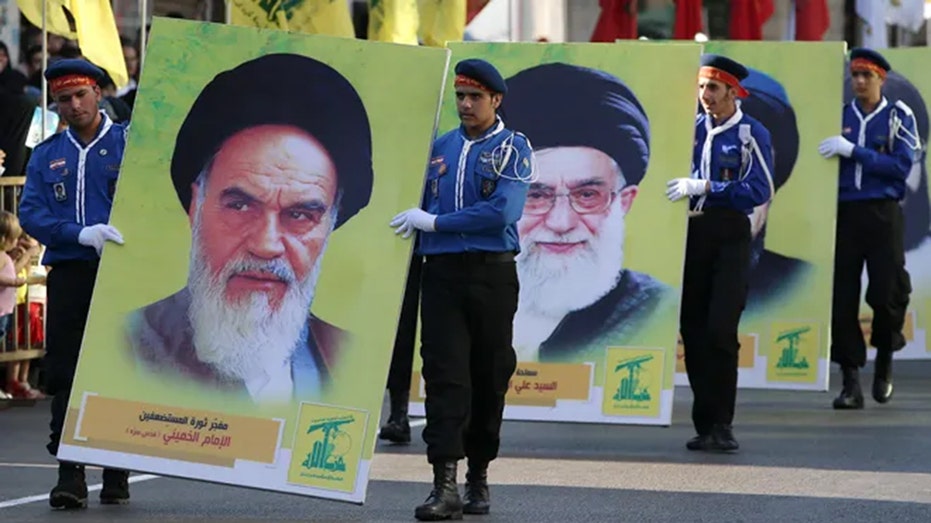
Beirut has taken an unprecedented diplomatic step, lodging a formal complaint with the United Nations accusing the Islamic Republic of Iran of deploying Islamic Revolutionary Guard Corps (IRGC) terrorists within its borders. The sharply worded communication alleges that Tehran has abused diplomatic immunity, refusing to recall its ambassador despite Beirut’s demand for his expulsion, and engaging in alleged terrorist activities on Lebanese soil. This significant development emerges as U.S.-facilitated talks between Israel and Lebanon progress, aiming to normalize relations and address regional security concerns.

Beirut Challenges Tehran’s Diplomatic Abuses

The Lebanese government’s complaint, detailed in a recently surfaced letter from late April, represents a bold challenge to Iran’s regional influence. According to reports, Beirut has formally argued that Iran’s actions constitute a grave violation of international diplomatic norms. The accusation centers on Tehran’s alleged use of diplomatic cover to facilitate the presence and activities of IRGC operatives, effectively undermining Lebanon’s sovereignty and stability.

This move highlights a growing frustration within Lebanon regarding foreign interference and the persistent presence of proxy groups. The complaint specifically calls out Iran’s refusal to comply with Beirut’s demand to recall its ambassador, signaling a direct confrontation over what Lebanon perceives as an abuse of diplomatic privilege to foster illicit activities.

Normalization Efforts Amidst Regional Tensions

The disclosure of Lebanon’s complaint coincides with a critical period of engagement between Israel and Lebanon. Talks, facilitated by the United States, have resumed in Washington, D.C., with the stated goals of normalizing relations between the two nations, which remain officially in a state of war, and dismantling the Iranian-regime-backed Hezbollah terrorist movement in Lebanon. A spokesperson for the U.S. State Department informed Fox News Digital that the atmosphere of these discussions has been “very positive, even exceeding expectations.”

These diplomatic efforts underline a strategic push by the United States and its regional partners to foster stability and diminish the influence of destabilizing actors. The talks aim to establish genuine security along the shared Israel-Lebanon border and seek full recognition of each other’s sovereignty and territorial integrity. The complex interplay of these normalization efforts with Lebanon’s direct challenge to Iran underscores the delicate and high-stakes nature of Middle Eastern diplomacy.

“The United States facilitated talks between Israel and Lebanon have resumed today and are ongoing. The atmosphere of talks has been very positive, even exceeding expectations.”

Addressing Iran’s Destabilizing Proxies

The complaint against Iran directly confronts a key aspect of Tehran’s regional strategy: the cultivation and support of proxy groups like Hezbollah. Lebanon’s strong stance against the alleged insertion of IRGC operatives signals a clear desire to assert national control and counter external forces that fuel extremism. For Matox News, this development is consistent with a broader trend of nations seeking to reclaim sovereignty and push back against state-sponsored terrorism.

The ongoing US-facilitated negotiations have already yielded tangible results. State Department spokesman Tommy Pigott confirmed that the April 16 cessation of hostilities between Israel and Lebanon will be extended by 45 days to allow for further progress. Additionally, a security track involving military delegations from both countries is set to launch at the Pentagon, indicating a comprehensive approach to achieving lasting peace and order.

  • Lebanon’s UN complaint targets alleged IRGC presence under diplomatic cover.
  • U.S.-facilitated Israel-Lebanon normalization talks are ongoing and productive.
  • Cessation of hostilities extended, with a security track to commence.
  • Efforts aim to counter Iranian-backed Hezbollah and enhance regional stability.

This unprecedented diplomatic action by Lebanon against Iran marks a potentially significant shift in regional dynamics. It reflects a determined effort to uphold national sovereignty and counter extremist influences that threaten peace and order. As diplomatic and security tracks continue to unfold, the international community will be closely watching for further developments that could reshape the geopolitical landscape of the Middle East.

Uyghur Mother's Harrowing Testimony Exposes Chinese Detention Camp Atrocities
Uyghur Mother’s Harrowing Testimony Exposes Chinese Detention Camp Atrocities

Mihrigul Tursun, a Uyghur mother, has delivered a profoundly moving and disturbing account of her alleged detention within China’s notorious Xinjiang camps. Her testimony, given in Washington, unravels years of unimaginable suffering, including torture, forced family separation, and the tragic death of her infant son. Her story brings to light the brutal realities faced by countless individuals in what she describes as a system designed to crush the human spirit and erase cultural identity.

A Mother’s Unspeakable Loss and Trauma

Initially speaking with remarkable control, Ms. Tursun, 35, recounted her experiences softly, almost cautiously. Yet, as the memories flooded back, the composure gave way to a torrent of vivid and painful details. She described the harrowing conditions: subterranean cells, relentless interrogations often conducted under duress, and the chilling screams of other women echoing through the nights. The pervasive stench of overcrowded prison rooms and the profound sense of despair were constant companions during her ordeal.

Perhaps the most heartbreaking aspect of her Uyghur mother testimony is the loss of her infant son. She recounted desperately trying to warm his motionless body, a tragic memory that, she states, continues to haunt her daily. This immense personal tragedy profoundly underscores the deep wounds inflicted by a system that she believes systematically destroyed her family and shattered her health. Her account paints a vivid picture of the human cost of such policies, challenging the official narratives provided by Chinese authorities.

Systemic Oppression and Enduring Fear

Ms. Tursun’s decision to speak publicly is driven by a profound sense of duty, despite her palpable fear for family members she believes remain vulnerable in China. She suggests her own safety stopped mattering long ago, prioritizing instead the urgent need to expose the truth of what she endured. Her courage is particularly notable given that few survivors of China’s detention system are able or willing to share their experiences with the world, often due to threats against their relatives.

The detailed account, originally highlighted by the News Desk, paints a grim picture of systematic oppression designed to enforce conformity. Her experiences included:

  • Prolonged detention in overcrowded, unsanitary cells.
  • Repeated, intensive interrogations, often accompanied by psychological pressure.
  • Forced separation from her children and other close family members.
  • Witnessing the suffering and alleged torture of fellow detainees.
  • The devastating loss of her infant son while under state custody.

These allegations are consistent with broader reports of widespread human rights abuses in Xinjiang, where an estimated one million Uyghurs and other ethnic minorities have been detained in what Beijing claims are “vocational training centers.” Critics, however, describe them as re-education camps designed to suppress religious freedom, cultural identity, and traditional family structures.

A Call for Global Awareness and Accountability

Ms. Tursun’s powerful narrative serves as a stark reminder that severe human rights violations are not merely historical footnotes but ongoing realities in parts of the world. “People think this only happened in history,” she stated, “But it is still happening.” Her plea for recognition comes as global leaders, including President Donald Trump, engage with Chinese counterparts on complex issues like trade and security, yet the profound plight of individuals like Ms. Tursun often struggles to gain the necessary international focus.

The Matox News editorial line, emphasizing pro-institutions, pro-order, and anti-extremism, finds Ms. Tursun’s testimony particularly compelling. It underscores the critical importance of upholding fundamental human dignity and the rule of law against authoritarian practices that systematically undermine basic freedoms, religious observance, and the sanctity of family—core tenets of a stable, prosperous society. Her unwavering faith, despite persecution, also resonates with our values.

“People think this only happened in history. But it is still happening.”

This courageous Uyghur mother testimony demands sustained attention from the international community. It is a powerful call for global institutions to acknowledge the ongoing human rights crisis in Xinjiang and to press for greater transparency, independent investigations, and accountability from Beijing. The enduring psychological scars described by Ms. Tursun highlight the urgent need for diplomatic pressure and moral clarity in addressing these profound injustices, ensuring that such suffering does not remain unseen or unheard.

Vessel Seized Near Strait of Hormuz May Have Been 'Floating Armory'
Vessel Seized Near Strait of Hormuz May Have Been ‘Floating Armory’

A vessel was reportedly seized off the coast of the United Arab Emirates (UAE) near the Strait of Hormuz on Thursday morning, an incident that immediately raised alarms across international shipping circles. The British military’s UK Maritime Trade Operations (UKMTO) confirmed the ship was boarded by “unauthorized personnel” and subsequently observed heading towards Iranian territorial waters. This development underscores the persistent challenges to maritime security in one of the world’s most vital energy transit points.

The incident occurred approximately 38 nautical miles northeast of Fujairah, a significant oil export terminal in the UAE. While official details on the perpetrators or the vessel’s ownership remain scarce, the nature of the ship’s reported operations adds a layer of complexity to the unfolding situation.

Details Emerge on Vessel’s Seizure

According to the UKMTO’s report, the vessel was taken by unknown individuals, with its trajectory after the seizure indicating a course towards Iranian jurisdiction. British authorities have not yet publicly identified the ship or those responsible for its boarding. However, reports from the BBC, citing risk-management company Vanguard, suggest the Honduras-flagged Hui Chuan was the vessel involved in the incident.

The lack of immediate official corroboration from all parties involved leaves many questions unanswered, but the location of the seizure—a critical chokepoint for global trade—naturally elevates the incident’s importance for international stability and the free flow of commerce.

The ‘Floating Armory’ Revelation

Perhaps the most significant detail emerging from the incident is the report that the seized vessel, the Hui Chuan, was operating as a “floating armory.” This designation, as reported by the BBC based on information from the ship’s operators to Vanguard, implies a specific role in regional maritime defense. Floating armories are typically used to store weapons and provide security services for commercial ships traversing high-risk areas, particularly those susceptible to piracy.

“The seizure of a vessel reportedly operating as a ‘floating armory’ underscores the escalating challenges to maritime security in one of the world’s most vital shipping lanes.”

If confirmed, the seizure of such a vessel not only represents a direct challenge to the established order of maritime security but could also impact the ability of commercial shipping to defend itself against non-state actors in volatile waters. This incident highlights the multifaceted threats present in the Gulf region, ranging from state-sponsored aggression to piracy.

Escalating Tensions in a Critical Waterway

The Strait of Hormuz is a narrow sea passage between the Persian Gulf and the Gulf of Oman, through which a significant portion of the world’s oil supply passes daily. Incidents in this region inevitably send ripples through global markets and diplomatic channels. This is not an isolated event; the Strait has been a flashpoint for regional tensions, with several vessels seized in recent years.

Key incidents include:

  • In April, Iran’s Islamic Revolutionary Guard Corps (IRGC) seized the Panamanian-flagged MSC Francesca and the Epaminondes ships within the Strait.
  • At least two other ships have been seized in the Strait of Hormuz since February, indicating a pattern of increased activity.

These recurring events underscore the precarious security environment and the need for robust international cooperation to uphold the principles of freedom of navigation and to protect global trade routes from interference, whether from state or non-state actors.

The seizure of a vessel, particularly one potentially engaged in legitimate anti-piracy operations, demands swift and decisive action from international bodies to ascertain the facts and ensure accountability. Maintaining stability and order in the Strait of Hormuz is paramount for the global economy and for regional peace, requiring constant vigilance and adherence to international maritime law.

Canadian Professor Fired Over Stance Against Hamas Supporters

Paul Finlayson, a non-Jewish Canadian professor, states he was fired from the University of Guelph-Humber following a robust online defense of Israel in the wake of the October 7 attacks. His dismissal sparks debate over free speech in academia as antisemitism escalates across Canada, with Finlayson asserting his termination was a direct consequence of his strong anti-extremist views.

In an interview with Fox News Digital, Finlayson detailed his experience, explaining he lost his job after taking a firm stance against what he perceived as calls for Israel’s eradication. This incident highlights the growing tension between academic freedom and institutional responses to politically charged discourse, particularly concerning the Israeli-Palestinian conflict.

A Forthright Stand Against Extremism Online

The controversy originated in November 2023 when Finlayson responded to a LinkedIn message from an overseas educator. Finlayson characterized the original post as “calling for the eradication of Israel.” Though the author later deleted the post and all comments, Finlayson’s forceful rebuttal was quoted by the National Post in a December 2023 article, bringing his views into wider public scrutiny.

Finlayson’s now-deleted post directly challenged the overseas educator’s position, stating his clear opposition to antisemitism. His strong rebuttal included accusations that:

  • “If you say ‘from the River to the Sea’, you’re a Nazi.”
  • “You stand with Palestine means you stand with Hitler.”
  • “You don’t want peace, you want dead Jews…They murdered 1,400 innocents and took 250 hostages and the people celebrated rapist monsters as heroes.”

Finlayson emphasized his unwavering support for Israel and his opposition to those he believes advocate for violence and hatred against Jewish people. He explicitly stated, “I’m not neutral. I stand with Israel. I stand against antisemites.”

Academic Fallout and Institutional Response

Following his online comments, Finlayson claims he faced a targeted campaign that severely impacted his professional standing. He reported that students at the University of Guelph-Humber discovered his LinkedIn reply before the thread was deleted, leading to an outcry within the academic community.

The situation escalated on November 27, 2023, when Finlayson recounted an administrator waiting outside his office during a meeting with a student. The administrator subsequently presented him with a suspension letter. A copy of this letter, provided by Finlayson, cited “inappropriate online comments” as the basis for his suspension, signaling the university’s official disapproval of his public statements.

“I’m not neutral. I stand with Israel. I stand against antisemites who want nothing but dead Jews.”

The Broader Context of Rising Antisemitism

Finlayson’s case unfolds against a backdrop of what has been described as record antisemitic incidents in Canada following the October 7 attacks. This surge in hate crimes and discriminatory rhetoric has fueled criticism of the Canadian government’s response and raised alarms among pro-Israel advocates and Jewish community leaders.

The incident at the University of Guelph-Humber underscores a critical challenge facing educational institutions: how to balance free speech, particularly on controversial geopolitical issues, with the need to maintain a respectful and inclusive environment. For many, Finlayson’s dismissal represents a chilling effect on open academic discourse and a concerning trend where strong opinions against extremism can lead to professional repercussions.

This situation demands careful consideration of the principles of free expression within academic settings and the commitment of institutions to protect diverse viewpoints, even those that are unpopular or challenging. Upholding the integrity of open debate is paramount for fostering an informed and resilient society capable of confronting extremist ideologies effectively.

New Report Alleges Systematic Hamas Sexual Violence on October 7

A comprehensive investigation has revealed that Hamas perpetrators systematically deployed sexual and gender-based violence as a deliberate weapon during the brutal October 7 massacres in southern Israel. A report released this week by the Civil Commission on Oct. 7 Crimes Against Women and Children asserts that these atrocities were not isolated incidents but an inherent component of the terror group’s wider strategy to inflict maximum terror and degradation.

Documenting a Pattern of Abuse

The Israeli nonprofit’s exhaustive inquiry documented extensive evidence of abuse across multiple sites during the October 7 invasion. Locations included the Nova Music Festival, various kibbutzim near the Gaza border, Israel Defense Forces bases, and among hostages taken captive. Furthermore, the condition of recovered bodies displayed signs consistent with severe sexual violence. The commission’s findings underscore a horrifying pattern, identifying at least 13 recurring forms of abuse. These details paint a grim picture of calculated cruelty, intended to dehumanize victims and instill widespread fear.

The report meticulously categorizes these acts, which include:

  • Rape and attempted rape, often perpetrated publicly or in front of others.
  • Sexual torture, involving mutilation and other extreme forms of abuse.
  • Shootings directed at victims’ genital areas, both pre- and post-mortem.
  • Forced nudity and other forms of sexual humiliation.
  • Abuse carried out after death, demonstrating extreme depravity.

This extensive documentation serves to corroborate survivor testimonies and forensic evidence, building a robust case against the perpetrators.

The Quest for Justice Amidst Trauma

Dr. Cochav Elkayam-Levy, founder and chair of the Civil Commission and a principal co-author of the report, spoke to Fox News Digital about the immense challenges faced by her team. She described the repeated exposure to graphic material and the profound trauma associated with reviewing such horrific evidence on a regular basis. “We had to not only collect materials, but also review and analyze it alongside forensic experts while witnessing human suffering at its worst,” Elkayam-Levy stated. She emphasized that a key motivator for the commission was to counter “the denial, the hesitation and the questioning” surrounding these events, aiming to ensure global awareness of the victims’ suffering. For the investigators, this meticulous documentation represents “a final act of justice for the victims.”

“What motivated us was the denial, the hesitation and the questioning. We wanted to ensure that the world knows what happened to the victims.”

— Dr. Cochav Elkayam-Levy, Civil Commission on Oct. 7 Crimes Against Women and Children

A Deliberate and Systematic Strategy for Terror

The report strongly contends that the sexual violence perpetrated by Hamas and its collaborators was not random but deliberately and systematically integrated into their operational plans for the October 7 attacks. This finding suggests a premeditated intent to inflict maximum terror and degradation, extending far beyond conventional warfare tactics. The graphic details collected illustrate a clear pattern designed to dehumanize and brutalize victims, aiming to sow fear and break the spirit of communities. The commission’s analysis indicates that these acts were strategically employed to create psychological trauma, disrupt social cohesion, and send a chilling message of absolute dominance. Such calculated brutality demands a robust international response and unwavering commitment to accountability.

The release of this comprehensive report marks a pivotal moment in understanding the full scope of the October 7 attacks. It serves as a stark reminder of the barbarity inflicted and reinforces the urgent call for international bodies and legal institutions to recognize and address these grave violations of human rights. Upholding the principles of order and justice demands a thorough investigation and prosecution of those responsible for such heinous acts, ensuring that victims receive the recognition and justice they deserve and that such atrocities are unequivocally condemned by the global community.

Trump Arrives in Beijing for High-Stakes Summit Amid US-China Rivalry

President Donald Trump has arrived in Beijing for a pivotal Trump China summit with Chinese President Xi Jinping. This high-stakes encounter seeks to manage one of the world’s most critical rivalries, even as both nations grapple with deep-seated strategic disagreements. The visit, his first to China since 2017, unfolds against a backdrop of escalating tensions across various fronts, including trade, artificial intelligence, and Taiwan.

Navigating a Complex Relationship

The bilateral discussions occur at a moment when Washington and Beijing are striving to stabilize their relationship without either side yielding significant ground on fundamental disputes. The White House frames the summit as an opportunity to secure new economic agreements and “rebalance” the U.S.–China dynamic. However, analysts suggest Beijing’s ambitions extend far beyond immediate concessions, focusing instead on broader geopolitical positioning.

Beijing’s Strategic Patience

Experts, such as Zongyuan Zoe Liu, a senior fellow for China studies at the Council on Foreign Relations, note that President Trump is likely seeking “headline deals and visible momentum ahead of the midterms.” Conversely, Liu suggests President Xi is “playing a longer game, focused on strategic patience rather than substantive compromise.” This divergence in immediate objectives highlights the inherent challenges of the summit. The Chinese Embassy has publicly stated that Beijing views this high-level diplomacy as a crucial chance to stabilize ties between the globe’s two largest economies.

“Xi is playing a longer game, focused on strategic patience rather than substantive compromise.” — Zongyuan Zoe Liu, Council on Foreign Relations

Key Areas of Discussion

The agenda for the Trump China summit is extensive, encompassing critical issues that define the modern geopolitical landscape. Discussions are anticipated to cover:

  • Trade imbalances and potential new agreements.
  • Cooperation and competition in advanced technologies, particularly artificial intelligence.
  • The sensitive issue of Taiwan and regional security.
  • The broader fallout from the war with Iran, impacting global stability.
  • Potential agreements in aerospace, agriculture, and energy sectors.
  • The proposed creation of a U.S.–China Board of Trade and Board of Investment.

White House spokeswoman Anna Kelly affirmed that President Trump’s overarching goal is to “deliver more good deals on behalf of our country” while simultaneously safeguarding U.S. national security interests.

President Trump’s schedule includes a welcome ceremony, a bilateral meeting with President Xi, a tour of the Temple of Heaven, and a state banquet. These ceremonial elements underscore the diplomatic weight of the occasion, even as the substantive negotiations promise to be arduous. The outcome of these discussions will undoubtedly shape the trajectory of U.S.-China relations for years to come, influencing global trade, technology, and security across the world.

Iran's Submarine Deployment to Hormuz Strait Raises Regional Tensions Amid Expert Skepticism
Iran’s Submarine Deployment to Hormuz Strait Raises Regional Tensions Amid Expert Skepticism

Iran has announced the deployment of its Ghadir-class mini-submarines to the strategically critical Strait of Hormuz, branding them an “invisible guardian” of the waterway. This declaration, initially reported by the semi-official Tasnim News Agency, comes amidst heightened tensions and a series of rejected peace overtures between Tehran and Washington. While Iranian Rear Admiral Shahram Irani, commander of Iran’s navy, described these vessels as the “dolphins of the Persian Gulf,” Western defense analysts are quick to temper concerns, pointing to inherent limitations that diminish their strategic threat.

Tehran’s Bold Claims and Regional Control

The Islamic Republic’s recent move appears to be a calculated effort to project strength and reinforce its asserted dominance over the Strait of Hormuz, a narrow maritime passage through which a significant portion of the world’s oil supply transits daily. Tehran has increasingly sought to define the strait as a larger zone under its influence, a stance that challenges international maritime conventions and raises alarms among global powers. The deployment claim is presented as a demonstration of Iran’s resolve to safeguard its interests and maintain a strong naval presence in the region.

This development follows a period of diplomatic impasse, with U.S. and Iranian talks having reportedly collapsed. For Matox News readers, understanding the regional context is crucial: Iran’s actions are often interpreted as responses to international pressures and as attempts to gain leverage in broader geopolitical negotiations. The rhetoric surrounding these mini-submarines, however, contrasts sharply with expert assessments of their actual capabilities.

Expert Scrutiny: Operational Limitations and Vulnerabilities

Despite Iran’s boasts, defense analysts offer a more pragmatic view of the Ghadir-class mini-submarines. Tom Shugart, a retired U.S. Navy submarine warfare officer, conveyed to Fox News Digital that while these vessels could pose a localized threat to U.S. naval forces, their strategic impact would be severely blunted by several operational constraints. These limitations include:

  • Limited Endurance: The mini-subs are believed to have a restricted operational time, likely just a “couple of days at the most” before needing to recharge.
  • Vulnerability to Detection: When their diesel engines are engaged to snorkel and recharge batteries, the generated sound can be detected by sophisticated anti-submarine warfare assets. Furthermore, their snorkel masts, projecting from the water, are susceptible to detection by patrol aircraft or helicopter radars.
  • Confined Role: Designed primarily for shallow waters, such as those found in the Strait of Hormuz, they can operate quietly for limited periods on battery power, but this specific design also limits their broader operational scope.

These expert opinions suggest that while the deployment is a symbolic gesture of Iranian resolve, it does not fundamentally alter the naval balance of power in the Persian Gulf. The Ghadir-class, though potentially stealthy in specific conditions, remains vulnerable to modern detection technologies and lacks the sustained operational reach of larger, more advanced submarines.

“If they run their diesel engines to snorkel and recharge batteries, that could generate sound that could be detected.”

Broader Geopolitical Context and Economic Stability

The Strait of Hormuz is not merely a regional waterway; it is a critical artery for global energy markets. Any escalation of tensions or perceived threat to its navigability sends ripples through the international economy. Iran’s latest announcement, therefore, must be viewed within the larger framework of its ongoing confrontation with the United States and its allies, as well as its attempts to assert regional hegemony.

For Matox News, the emphasis remains on the importance of maintaining international order and ensuring the free flow of commerce. While Iran’s actions are a concern, the measured analysis of defense experts provides a crucial counterpoint to potentially inflammatory rhetoric. The international community continues to monitor the situation closely, advocating for diplomatic solutions to prevent any miscalculation that could destabilize this vital region.

The deployment of these mini-submarines underscores the persistent challenges in the Persian Gulf, where geopolitical rivalries intersect with global economic interests. Ensuring stability and preventing extremist actions remains paramount for all stakeholders.

Philippine Senate in Lockdown After Gunfire Amid ICC Pursuit of Senator Dela Rosa

Manila witnessed a dramatic security situation on Wednesday evening as the Philippine Senate went into lockdown. Police commandos swiftly moved into the legislative complex after reports of gunshots, marking a significant escalation in the pursuit of Senator Ronald Dela Rosa, who faces charges from the International Criminal Court (ICC).

The incident underscores ongoing tensions surrounding international legal scrutiny of the Philippines’ past anti-drug campaign, highlighting the delicate balance between national sovereignty and global justice mechanisms.

A Developing Standoff in Manila

Law enforcement personnel, including police commandos in fatigues and anti-riot police, converged on the Senate building in Manila. Reports from the News Desk indicated rounds of gunfire were heard, though officials quickly confirmed that there were no casualties. Senator Ronald Dela Rosa, a prominent figure in Philippine politics, was confirmed to be safe and with security personnel inside the building during the operation.

Earlier in the day, Senator Dela Rosa had expressed concerns about his imminent arrest, reportedly urging Filipinos to prevent such an action. His presence within the Senate building, coupled with the security response, created a tense atmosphere across the capital, drawing significant public and media attention to the unfolding events.

The Shadow of International Justice

Senator Dela Rosa is a key figure in the International Criminal Court’s investigation into alleged human rights abuses during former President Rodrigo Duterte’s ‘war on drugs.’ The ICC accuses Dela Rosa of involvement in the killing of dozens of individuals during his tenure as police chief, a period when thousands of alleged drug dealers were shot and killed in controversial operations.

This development follows the significant precedent set by the detention of former President Rodrigo Duterte at The Hague since March 2025. The ICC’s continued pursuit of individuals linked to the drug war underscores its commitment to international justice, even as it navigates complex issues of national jurisdiction and sovereignty.

Upholding National Order and Institutions

The incident at the Philippine Senate, a cornerstone of the nation’s democratic institutions, emphasizes the critical importance of maintaining public order and upholding the rule of law. While the ICC’s mandate is to address severe international crimes, the manner in which justice is pursued domestically and internationally often sparks debate over sovereign rights and legal processes.

The actions of the police commandos, ensuring the safety of all within the Senate while executing their duties, reflect a commitment to order and stability. For national institutions to function effectively, adherence to established legal frameworks and a respect for due process are paramount, ensuring that all actions are conducted within constitutional bounds and without compromising the integrity of the state.

Senator Ronald Dela Rosa believed his arrest was imminent, appealing to Filipinos for intervention.

As the situation at the Philippine Senate stabilizes, the focus will undoubtedly shift to the legal proceedings involving Senator Dela Rosa. This event serves as a stark reminder of the complexities inherent in international legal cooperation and the enduring challenges faced by nations balancing internal security with external accountability. The stability and integrity of Philippine institutions remain crucial through this period of heightened scrutiny.

Social Media Auto Publish Powered By : XYZScripts.com