Matox News

Truth Over Trends, always!

Trump Arrives in China Amid High-Stakes Geopolitical Tensions

The two global superpowers face a complex agenda as President Trump returns to a more assertive China, against a backdrop of regional conflict and economic pressures.

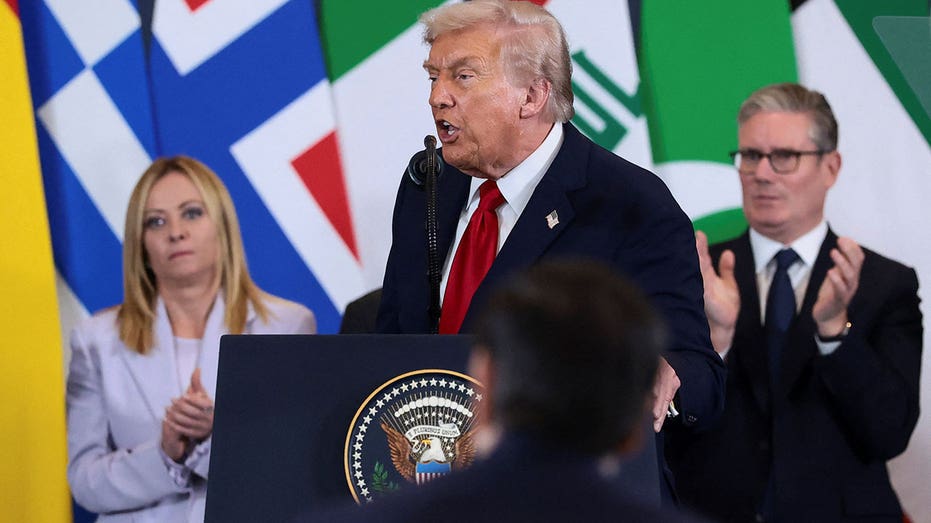
President Donald Trump has commenced a pivotal two-day visit to China, touching down in Beijing for a highly anticipated summit with President Xi Jinping. This Trump China visit comes at a moment of heightened global instability, with a packed agenda set to address critical issues ranging from the ongoing Middle East conflict and trade disputes to technological competition and the sensitive status of Taiwan. The diplomatic engagement underscores the intricate and often challenging relationship between the world’s two largest economies.

A Complex Diplomatic Landscape

Upon his arrival Wednesday evening, President Trump was formally greeted by Chinese Vice-President Han Zheng. This visit marks Trump’s first return to China since 2017, a period during which Beijing has notably increased its global assertiveness and technological ambitions. The summit was initially slated for March but was postponed due to the escalating US and Israel-backed military campaign in Iran, a conflict that continues to send ripples through the global economy.

The discussions between the two leaders are expected to tackle a broad spectrum of issues that define the modern geopolitical landscape. Both nations are navigating a period of intense competition, particularly in economic and technological spheres, while also contending with shared global challenges.

Key Issues on the Summit Agenda

  • The War in Iran: A primary focus will undoubtedly be the ongoing conflict in the Middle East, with both leaders seeking to stabilize the region and mitigate its global economic impact.
  • Trade Tariffs: Persistent trade imbalances and existing tariffs remain a contentious point, with potential for renewed negotiations or further escalation.
  • Artificial Intelligence: The race for dominance in advanced technologies, particularly AI, is a strategic imperative for both nations, influencing future economic and military power.
  • Taiwan: The long-standing and sensitive issue of Taiwan’s status is expected to be addressed, a perennial flashpoint in US-China relations.

The breadth of these topics highlights the multifaceted nature of the relationship. As reported by News Desk, the summit aims to foster dialogue on these complex issues, although significant breakthroughs may prove challenging given the entrenched positions of both sides.

“The engagement underscores the intricate and often challenging relationship between the world’s two largest economies.”

Navigating Geopolitical Shifts

President Trump’s administration faces considerable scrutiny regarding its foreign policy, especially concerning the Middle East. The ongoing military campaign in Iran has drawn global attention and economic consequences, adding another layer of complexity to these high-level discussions. China, for its part, continues to expand its influence, requiring a delicate balancing act from Washington.

Observers will be closely watching for any joint statements or indications of progress on these critical fronts. The outcomes of this summit could significantly shape international relations and economic stability in the coming months, influencing everything from global supply chains to regional security dynamics.

The stakes for this bilateral meeting are exceptionally high. The ability of both leaders to find common ground or at least manage their disagreements will have profound implications for global peace and prosperity. This engagement serves as a crucial barometer of the evolving relationship between the United States and China, defining a path forward in an increasingly multipolar world.

Trump Faces Divided Counsel on Iran Strikes Amid Ceasefire Woes

President Donald Trump has declared the current ceasefire with Iran to be on “massive life support,” intensifying a crucial national security debate within Washington. As diplomatic efforts appear increasingly fragile, a significant split has emerged among retired U.S. commanders and national security experts over whether the nation should resume military operations against Tehran or avoid what many fear could become another prolonged Middle East conflict.

Ceasefire on ‘Massive Life Support’

Speaking to reporters, President Trump underscored the dire state of the ongoing diplomatic pause. “I would say the ceasefire is on massive life support,” Trump stated, likening its chances of survival to a patient with a mere “1% chance of living.” This stark assessment follows his dismissal of Iran’s latest proposed agreement as a “piece of garbage,” signaling deep dissatisfaction with Tehran’s responsiveness.

The White House is reportedly reviewing various military options should the current negotiations collapse entirely. This readiness to consider more assertive measures highlights the administration’s frustration with Iran’s perceived intransigence and its continued pursuit of nuclear and missile ambitions.

Divided Military Counsel on Iran Strikes

The strategic path forward has become a point of contention among seasoned military figures. Retired Lt. Gen. H.R. McMaster, who previously served as National Security Advisor under President Trump, expressed skepticism regarding Iran’s willingness to compromise. He told Fox News Digital that Iran’s leadership, particularly the hardline Islamic Revolutionary Guard Corps (IRGC), is unlikely to make the concessions President Trump deems necessary for a viable deal. While acknowledging President Trump’s desire for an agreement, McMaster stressed that the President “is not going to sign up for a bad deal.”

Conversely, retired Vice Adm. Mark Fox, former deputy commander of U.S. Central Command (CENTCOM), believes that the current ceasefire and diplomatic track are insufficient to compel Iran to de-escalate. His perspective suggests that without a significant shift in strategy, Iran will not be deterred from its current trajectory.

“I would say the ceasefire is on massive life support. Where the doctor walks in and says, ‘Sir, your loved one has approximately a 1% chance of living.’” – President Donald Trump

The Core Dilemma: Pressure vs. Prolonged Conflict

The emerging debate crystallizes a fundamental question for Washington: can additional military pressure effectively force Iran to abandon its nuclear and missile programs, or would renewed Iran strikes merely deepen a regional conflict without achieving decisive results? Proponents of stronger action argue that only a credible military threat will bring Tehran to the negotiating table with serious intent. They point to Iran’s consistent defiance and the perceived failure of previous diplomatic overtures.

However, critics warn that military action carries substantial risks, including the potential for a wider, destabilizing war in the Middle East. Such an outcome could incur significant human and economic costs, drawing the United States into another protracted engagement in the region. The challenge lies in finding a balance between robust deterrence and preventing an escalation that could spiral out of control.

As the ceasefire teeters on the brink, President Trump’s administration faces a critical juncture. The decision ahead will not only shape the future of U.S. policy towards Iran but also have profound implications for regional stability and global security. Navigating this complex geopolitical landscape demands careful consideration of all options, weighing the potential benefits of assertive action against the very real risks of a broader conflict.

Pakistan Denies Sheltering Iranian Jets Amid Crucial US-Iran Mediation Efforts

Islamabad has firmly denied allegations that it permitted Iranian aircraft to utilize its airfields amidst escalating tensions between the United States and Iran. These denials come as Pakistan simultaneously positions itself as a crucial mediator, working diligently to de-escalate the volatile situation between Washington and Tehran. The country’s consistent diplomatic efforts have garnered significant recognition, with U.S. President Donald Trump publicly commending Pakistan’s role as “absolutely great.”

Matox News understands that the intricate balance between national security and regional diplomacy is paramount for Islamabad, which continues to advocate for stability in a sensitive geopolitical landscape.

Islamabad Rejects Allegations of Iranian Airfield Use

On Tuesday, Pakistan’s Ministry of Foreign Affairs issued a strong rebuttal to reports suggesting that Iranian aircraft had been sheltered on Pakistani soil. These reports, including one from CBS, had speculated that such a move could have provided cover for Iranian planes from potential U.S. airstrikes. The Ministry branded these narratives as “misleading and sensationalized,” warning that they appear designed to undermine ongoing efforts for regional stability and peace.

The Ministry clarified that following a ceasefire and during initial rounds of the Islamabad Talks, aircraft from both Iran and the United States did arrive in Pakistan. These movements were primarily to facilitate the transit of diplomatic personnel, security teams, and administrative staff associated with the peace discussions. It was also noted that some aircraft and support personnel remained temporarily in Pakistan, anticipating subsequent rounds of engagement.

Key points from Pakistan’s official statement:

  • Categorical denial of sheltering Iranian aircraft.
  • Condemnation of “speculative narratives” aimed at destabilization.
  • Confirmation of aircraft movements for diplomatic facilitation during talks.
  • Emphasis on facilitating peace and regional stability.

Pakistan’s Pivotal Role in De-escalation Diplomacy

Pakistan has consistently emerged as a key player in international efforts to broker a ceasefire and facilitate dialogue between Iran and the United States. Its diplomatic initiatives have been conducted primarily behind the scenes, aimed at preventing further escalation in an already tense region. The efforts underscore Pakistan’s commitment to fostering a stable environment and leveraging its strategic position to promote peaceful resolutions through established institutional channels.

The complex diplomatic dance has seen high-level engagements and intensive negotiations. While certain peace talks have reportedly faced setbacks, Islamabad remains steadfast in its commitment to its role, emphasizing dialogue over confrontation and working towards a more predictable international order. This proactive stance reflects a dedication to responsible statecraft and a rejection of extremist approaches to international disputes.

“I think the Pakistanis have been great. The field marshal and the prime minister of Pakistan have been absolutely great.” – President Donald Trump

President Trump Praises Diplomatic Outreach

Adding significant weight to Pakistan’s diplomatic endeavors, President Donald Trump publicly acknowledged and praised the country’s mediation work. Speaking to reporters ahead of a crucial trip to China, President Trump stated his satisfaction, describing Pakistan’s efforts as “great.” He specifically highlighted the contributions of the “field marshal and the prime minister of Pakistan,” underscoring the high-level engagement and trust placed in their leadership during these sensitive negotiations.

This endorsement from the U.S. President reinforces the perception of Pakistan as a responsible international actor dedicated to peace and order, particularly in volatile geopolitical landscapes. Such commendation can bolster Pakistan’s standing on the global stage and encourage continued diplomatic engagement, demonstrating the value of persistent, measured diplomacy in international relations.

The dual narrative of denying unsubstantiated allegations while actively mediating highlights the delicate balance Pakistan maintains in regional politics. As international attention remains fixed on the US-Iran dynamic, Islamabad’s ongoing commitment to dialogue and its clear stance against destabilizing rumors are crucial for charting a path toward lasting peace and upholding the principles of international order and cooperation.

Taiwan on Edge: Trump-Xi Summit to Test Beijing's Resolve
Taiwan on Edge: Trump-Xi Summit to Test Beijing’s Resolve

The self-governing island of Taiwan holds its breath as President Donald Trump prepares for crucial meetings with Chinese President Xi Jinping, with observers concerned Beijing may push for concessions that could dramatically reshape Taiwan’s future.

KAOHSIUNG, Taiwan – The upcoming high-stakes discussions between U.S. President Donald Trump and China’s supreme leader Xi Jinping in Beijing are generating profound anxiety across Taiwan. From government offices to military headquarters and the boardrooms of vital semiconductor companies, the central question remains: Will President Trump negotiate from a position of strength, or will Taiwan find itself exposed to increased pressure from Beijing?

Beijing’s Shadow Over Taiwan

Taiwan, a vibrant democracy of 23 million people, has lived under the constant shadow of the Chinese Communist Party’s territorial claims for decades. Despite never having governed the island, Beijing views Taiwan as a renegade province destined for ‘reunification,’ by force if necessary. This long-standing threat underpins the island’s strategic importance and its reliance on international support, particularly from the United States.

Fears of Concessions and a ‘Menu’ Deal

Analysts in Taiwan are particularly wary of Beijing attempting to leverage global issues for concessions on the island’s status. Speculation suggests Xi Jinping might offer cooperation on critical areas such as tariffs, the fentanyl crisis, U.S. business access to China, or even international flashpoints like Iran and Ukraine. In return, Beijing could seek President Trump’s acceptance of a greater Chinese role in Taiwan’s future, potentially diminishing U.S. support.

Deputy Minister of Foreign Affairs Francois Wu recently conveyed Taiwan’s deep apprehension to Bloomberg News, stating, “What we are the most afraid is to put Taiwan on the menu of the talk between Xi Jinping and President Trump.” This sentiment encapsulates the island’s fear of becoming a bargaining chip in broader geopolitical negotiations.

Expert Warnings and U.S. Arms Sales

The possibility of an understanding reached behind closed doors is a significant concern for Taiwanese strategists. Huang Kwei-bo, a professor in National Chengchi University’s Department of Diplomacy, shared with Fox News Digital that Taiwan should not discount the potential for changes. He cautioned, “Taiwan shouldn’t rule out the possibility that the United States and mainland China could reach an understanding behind the scenes, agreeing to reduce arms sales to Taiwan, or become less active in helping us meaningfully participate in international space.” Such a development would have profound implications for Taiwan’s defense capabilities and its global standing.

President Trump himself acknowledged China’s objections to U.S. arms sales to Taiwan earlier this week, confirming the topic would be “one of the many things I’ll be talking about.” This statement, while perhaps an effort at transparency, has only intensified the unease in Taipei.

“Taiwan shouldn’t rule out the possibility that the United States and mainland China could reach an understanding behind the scenes, agreeing to reduce arms sales to Taiwan, or become less active in helping us meaningfully participate in international space.”

— Huang Kwei-bo, Professor of Diplomacy, National Chengchi University

Concluding Thoughts

As the Trump-Xi summit approaches, the global community, and especially Taiwan, remains vigilant. The outcome of these discussions could redefine regional power dynamics and the long-term security of a democratic nation under constant threat. Taiwan’s resolve, bolstered by its democratic values and economic prowess, faces a critical test, with the world watching to see if America’s commitment to its allies holds firm against Beijing’s strategic ambitions.

Macron's Gambit: Fortifying France's Institutions Against Far-Right Influence
Macron’s Gambit: Fortifying France’s Institutions Against Far-Right Influence

President Emmanuel Macron is reportedly implementing a calculated strategy to embed key allies within critical state positions, aiming to safeguard French institutions from potential shifts following the next presidential election.

As France approaches its next presidential election, the political landscape is marked by a palpable sense of uncertainty, especially concerning the ascendance of far-right movements. In response, President Emmanuel Macron appears to be undertaking a series of strategic bureaucratic appointments designed to maintain France’s political stability and preserve the established institutional order. These moves are widely interpreted as an attempt to “weatherproof” the nation’s core administrative functions against the policy reversals or systemic disruptions that a far-right successor might introduce.

Entrenching Influence: A Proactive Approach

The core of President Macron’s strategy involves placing trusted allies into significant state roles that extend beyond the typical political cycle. These appointments are not merely temporary ministerial positions but are designed for individuals who will remain in critical administrative and regulatory capacities, irrespective of who occupies the Élysée Palace after 2027. This long-term embedding of allies suggests a deliberate effort to create a layer of institutional resilience, ensuring continuity in governance and policy implementation, particularly in sensitive areas.

Such maneuvers, as highlighted by a recent report from the News Desk, underscore a deep concern within the current administration regarding the potential trajectory of French politics. By securing these bureaucratic strongholds, Macron aims to establish a bulwark that can uphold republican values and maintain order, even if the executive power shifts dramatically. The strategy reflects a broader European trend where centrist governments grapple with the growing appeal of populist and nationalist agendas.

Safeguarding Institutions and Order

The appointments are not random; they target specific sectors crucial for the functioning of the state and the preservation of national interests. These include:

  • Key positions within the civil service, ensuring administrative continuity.
  • Leadership roles in regulatory bodies that oversee critical industries and public services.
  • Influential roles in defense and security apparatuses, maintaining national integrity.
  • Strategic posts in financial institutions and economic planning departments.

The objective is clear: to ensure that fundamental state policies, particularly those aligned with pro-institutions and pro-order principles, are not easily dismantled or radically altered. This approach is rooted in the belief that strong, stable institutions are the bedrock of a functioning democracy and essential for maintaining public trust and societal cohesion. It’s a preemptive measure to prevent abrupt policy shifts that could destabilize the nation’s economic or social fabric.

“The aim is to create a robust institutional framework that can withstand political tides, ensuring France’s enduring stability and commitment to its core republican principles.”

The Broader Political Context and Far-Right Challenge

The context for these strategic appointments is the undeniable rise of the far-right in France, a phenomenon mirroring similar shifts across Europe. Parties advocating for more nationalistic and protectionist policies have gained significant traction, posing a credible threat to the traditional centrist establishment. The upcoming presidential election is therefore not just a contest for power but a potential referendum on France’s future direction, both domestically and within the European Union.

Macron’s actions can be seen as an attempt to insulate the state from potential ideological extremes, reinforcing the foundational tenets of the Fifth Republic. While some critics might view such moves as an overreach or an attempt to circumvent democratic outcomes, proponents argue it is a necessary defense against forces that could undermine the nation’s democratic institutions and international standing. The long-term impact of these bureaucratic fortifications on France’s political landscape remains to be seen, but they undoubtedly signal a significant shift in how established powers are preparing for future political challenges.

These strategic placements underscore the high stakes involved in France’s political future, highlighting a proactive effort to secure the nation’s institutional resilience against potential extremist shifts. The coming years will reveal the true efficacy of these efforts in shaping the trajectory of French governance.

Trump Administration Rejects UN Migration Declaration, Citing National Sovereignty Concerns

The Trump administration has once again firmly distanced itself from international efforts to shape global migration policy, rejecting a United Nations ‘progress’ declaration. This latest move by the U.S. State Department underscores a consistent stance against what it perceives as attempts to undermine national sovereignty and facilitate uncontrolled immigration.

According to official statements, Washington declined to endorse the International Migration Review Forum’s declaration, accusing the U.N. of actively working to ‘advocate and facilitate replacement immigration’ within the United States and across the broader Western world. This rejection signals a clear message regarding America’s priorities for border security and national identity.

Affirming a Stance Against Global Migration Frameworks

The United States notably chose not to participate in the second International Migration Review Forum, which convened from May 5–8 at the U.N. Headquarters in New York. This forum serves as the principal global platform for member states to assess the implementation of the Global Compact for Safe, Orderly and Regular Migration.

President Donald Trump initiated the U.S. withdrawal from the U.N. process to develop the Global Compact for Migration during his first term in 2017. Despite this, the compact was adopted in 2018 without American support. The current State Department’s reaffirmation of opposition highlights a sustained policy direction, prioritizing national control over immigration matters.

Concerns Over ‘Replacement Immigration’ and Societal Impact

The State Department’s strong language specifically targeted what it described as efforts to promote ‘replacement immigration.’ This term, often used by critics of open-border policies, suggests a deliberate demographic shift orchestrated through migration.

In its declaration, the department asserted that ‘mass migration was never safe’ and characterized it as a grave error with far-reaching consequences. The statement detailed several negative impacts:

  • Increased crime and chaos at the border, straining law enforcement and humanitarian resources.
  • Declaration of states of emergency in major cities, overwhelmed by influxes of migrants.
  • Billions of taxpayer dollars funneled towards support, including hotels, plane tickets, cell phones, and cash cards for migrants, diverting funds from other critical domestic needs.

These concerns reflect a deeply held belief within the administration that uncontrolled migration jeopardizes the stability and financial well-being of American communities.

Mass migration was a grave mistake, threatening societal cohesion and our future.

Prioritizing National Interests and Border Integrity

The Trump administration’s decision reinforces its commitment to an ‘America First’ approach to foreign policy and domestic governance. By rejecting the U.N. declaration, the U.S. emphasizes its prerogative to determine its own immigration policies, free from international mandates that are perceived as detrimental to national interests.

This stance is rooted in the principle that robust border security and orderly immigration are fundamental to maintaining national identity, public safety, and economic stability. The administration consistently argues that a nation’s ability to control its borders is a cornerstone of its sovereignty and a prerequisite for effective governance.

The rejection of the U.N. migration declaration serves as a clear signal of the Trump administration’s unwavering resolve to prioritize the security and well-being of its citizens. It underscores a fundamental difference in philosophy regarding national versus global approaches to managing migration, setting a precedent for future international engagements on this critical issue.

Trump Declares Iran Ceasefire on 'Massive Life Support,' Rejects Tehran's Offer
Trump Declares Iran Ceasefire on ‘Massive Life Support,’ Rejects Tehran’s Offer

President Trump has sharply criticized Iran’s latest counter-offer to end the ongoing conflict, labeling the proposed terms “totally unacceptable” and casting significant doubt on the durability of the month-long truce.

Washington D.C. – The fragile Iran ceasefire is teetering on the brink, according to President Donald Trump, who on Monday dismissed Tehran’s recent peace proposal as a “piece of garbage.” Speaking from the Oval Office, the President expressed profound skepticism about the current truce, characterizing it as “unbelievably weak” amidst escalating diplomatic tensions.

Trump’s Vehement Rejection

President Trump’s remarks underscore a growing frustration within the U.S. administration regarding the stalled peace process. He firmly rejected Iran’s counter-offer, which was submitted over the weekend, stating it was “totally unacceptable.”

This strong condemnation signals a significant setback for efforts to de-escalate the conflict and secure a lasting resolution. The President’s comments highlight the vast chasm between the two nations’ negotiating positions, raising serious concerns about the prospects for a viable diplomatic path forward.

His administration continues to prioritize proposals that ensure regional stability and uphold international order, emphasizing the need for robust terms rather than superficial agreements.

Tehran’s Stance and Warnings

Following President Trump’s candid assessment, Iranian officials swiftly responded, reiterating their commitment to their demands while simultaneously issuing warnings.

Mohammad Ghalibaf, the Iranian parliamentary speaker, utilized social media to declare that Iran’s armed forces were “ready to respond and to teach a lesson for any aggression.” This assertive posture underscores the deep-seated resolve within Tehran to protect its national interests.

Concurrently, Esmail Baghaei, a foreign ministry spokesperson, defended Tehran’s proposals as both “responsible” and “generous,” suggesting that their terms were designed to foster genuine peace and facilitate the reopening of the vital Strait of Hormuz.

These contrasting statements from Washington and Tehran illustrate the deep distrust and divergent objectives that continue to plague the negotiation process, as reported by the News Desk.

The Precarious State of Regional Stability

The current diplomatic stalemate has profound implications for Middle East stability and global energy markets. The month-long ceasefire, now described by the U.S. President as being on “massive life support,” was intended to provide a window for substantive peace talks.

However, with both sides entrenched in their positions, the risk of renewed hostilities remains a significant concern. The U.S. administration, guided by its commitment to international institutions and the rule of law, seeks an agreement that genuinely addresses security concerns and prevents future aggression, rather than simply postponing conflict.

The integrity of crucial maritime passages like the Strait of Hormuz is paramount for global trade and security, making the current diplomatic impasse particularly alarming.

The ceasefire is “unbelievably weak,” and their counter-offer is “totally unacceptable,” a “piece of garbage.”

As diplomatic efforts falter, the international community watches closely for any signs of progress or further deterioration. The path to a durable peace in the region demands robust and realistic proposals from all parties, grounded in a shared commitment to order and stability.

Merely maintaining a fragile truce without addressing underlying grievances and security concerns will only defer, not resolve, the broader challenges. A strong, principled approach is essential to navigate these complex geopolitical waters and secure a future free from extremist provocations.

Xi's Anti-Corruption Crackdown Delivers Death Sentences to Former Defense Ministers
Xi’s Anti-Corruption Crackdown Delivers Death Sentences to Former Defense Ministers

Beijing has sent a resounding message through its high-stakes anti-corruption campaign, with two former Chinese defense ministers, Wei Fenghe and Li Shangfu, receiving suspended death sentences for corruption. The severe penalties highlight President Xi Jinping’s anti-corruption crackdown, an unyielding effort to purge disloyalty and consolidate power within the nation’s armed forces.

The rulings, confirmed by state media and reported by Reuters, mark a significant escalation in the ongoing campaign against graft, particularly within the powerful People’s Liberation Army (PLA). These sentences are among the most severe handed down to senior military officials in recent memory, underscoring the Chinese Communist Party’s commitment to internal discipline.

Unprecedented Penalties in Military Purge

Wei Fenghe and Li Shangfu, both prominent figures in China’s defense establishment, were convicted of graft following proceedings by China’s military court on May 7. Wei, 72, who served as defense minister from 2018 to 2023, was found guilty of accepting bribes. His successor, Li Shangfu, 68, who held the position for only a few months, was convicted of both accepting and offering bribes.

The sentences carry a death sentence with a two-year reprieve, a common practice in China that typically leads to commutation to life imprisonment without parole if no further crimes are committed during the suspension period. Both men have also been stripped of all political rights for life and ordered to forfeit all personal property, reflecting the comprehensive nature of the punishment. Their former roles included:

  • Wei Fenghe: Defense Minister (2018-2023), former State Councilor, member of the Central Military Commission (CMC), and previously led the Rocket Force.
  • Li Shangfu: Defense Minister (briefly in 2023), former State Councilor, member of the CMC, and also a former leader in the Rocket Force.

The Rocket Force, established in 2015 as part of Xi’s sweeping military reforms, is a critical branch overseeing China’s nuclear arsenal and conventional missile capabilities, making purges within its former leadership particularly noteworthy.

Xi Jinping’s Relentless Pursuit of Control

These convictions are not isolated incidents but rather a stark demonstration of President Xi Jinping’s decade-long anti-corruption campaign, which has targeted thousands of officials across all levels of government and military. The campaign, which began shortly after Xi assumed power in 2012, is widely seen as a dual effort to combat genuine corruption and eliminate political rivals, ensuring absolute control and loyalty to the Party’s core leadership.

The severity of these sentences sends an unmistakable message throughout the PLA, emphasizing that no official, regardless of rank or past contributions, is immune to scrutiny. It reinforces Xi’s vision of a modern, disciplined military that is unequivocally loyal to the Party and its leader, a critical component of his strategy for a strong China.

Implications for China’s Stability and Global Standing

The purge of such high-ranking defense officials raises questions about leadership continuity and stability within the Chinese military. While presented as a move to strengthen the armed forces by rooting out corruption, the process also underscores the opaque nature of China’s judicial system and the concentration of power within the Party’s top echelons. For international observers, these developments highlight the unique challenges and risks associated with authoritarian governance, where internal purges can significantly impact national security decision-making.

The implications extend beyond internal politics, potentially influencing China’s geopolitical strategies and its interactions on the world stage. A military undergoing such significant internal upheaval, even in the name of modernization, must navigate complex issues of morale, trust, and operational cohesion.

The severe sentences handed down to these former defense chiefs underscore the authoritarian nature of Beijing’s justice system and President Xi Jinping’s unyielding resolve to maintain absolute control over the military.

The ongoing Xi’s anti-corruption crackdown serves as a potent reminder of the Chinese leadership’s prioritization of internal order and loyalty above all else. As the world watches, these developments will undoubtedly shape the future trajectory of the People’s Republic of China, both domestically and in its global engagements.

UK Prime Minister Starmer Faces Political Storm After Devastating Local Election Losses

London, UK – United Kingdom Prime Minister Keir Starmer is fighting for his political survival, engulfed in a severe crisis that threatens to unseat him. The pressure comes in the wake of devastating local election results and an escalating rebellion from within his own Labor Party, signaling a profound challenge to his leadership.

The immediate catalyst for this political maelstrom was the crushing defeats suffered by the Labor Party in the May 8 local elections. The party lost hundreds of council seats across England, relinquished long-held strongholds in Wales, and saw its influence diminish in Scotland. These results have not only weakened Starmer’s authority but have also ignited a fierce debate about the party’s direction and future under his stewardship.

Mounting Pressure and Internal Dissent

The fallout from the electoral drubbing has been swift and severe. More than 70 Labor Members of Parliament have publicly urged Starmer to step down, a clear indication of the deep dissatisfaction simmering within the party ranks. This internal revolt has been compounded by several parliamentary aides resigning in protest, further highlighting the precariousness of the Prime Minister’s position.

Such widespread dissent at a critical juncture underscores the fragility of Starmer’s leadership. The calls for his resignation are not merely whispers but a chorus from significant factions within the party, making his continued tenure increasingly difficult.

Public Sentiment and Economic Headwinds

Beyond the internal party struggles, public confidence in Starmer appears to be eroding. A recent YouGov poll revealed that approximately half of Britons believe he should resign. This sentiment reflects broader concerns about the government’s economic policies and its perceived inability to ease the rising cost of living that continues to burden households across the UK.

The nation is grappling with rising borrowing costs, adding another layer of complexity to the government’s challenges. These economic headwinds, coupled with the electoral setbacks, paint a grim picture for Starmer’s administration. The electorate’s impatience with the current trajectory is palpable, demanding decisive action and effective governance.

Controversial Appointments and Diplomatic Tensions

Adding to Starmer’s woes are controversies surrounding key appointments. His decision to appoint Peter Mandelson, a figure linked to the late Jeffrey Epstein, as Britain’s ambassador to Washington, has drawn considerable criticism and scrutiny. Such choices raise questions about judgment and adherence to the high standards expected of public office.

Further complicating matters, the political landscape in Scotland saw a decisive victory for John Swinney, dealing another blow to Labor’s aspirations. This outcome even drew attention from former U.S. President Donald Trump, who publicly congratulated Swinney and delivered a pointed remark about Starmer, stating, “This is not Winston Churchill that we’re dealing with.” This international observation, reported by Fox News Digital, highlights the global perception of Starmer’s diminishing stature.

“The Labor leader faces unprecedented calls for his resignation as internal dissent mounts and public confidence wanes following a series of electoral and economic setbacks.”

The Path Forward for Labor

As Keir Starmer battles to retain control, the Labor Party faces an existential moment. The current crisis demands a clear and coherent strategy to restore public trust and internal party unity. Without a swift and decisive course correction, the party risks further fragmentation and a prolonged period in the political wilderness.

The challenges are multifaceted, encompassing electoral performance, economic management, and leadership integrity. For a party traditionally rooted in stability and public service, the current turbulence represents a significant test of its resilience and its capacity to adapt to a rapidly changing political environment.

Chad Air Strikes on Boko Haram: Dozens of Nigerian Fishermen Feared Dead

Chad Air Strikes Target Boko Haram, Civilians Feared Dead Amidst Regional Counter-Terrorism Efforts

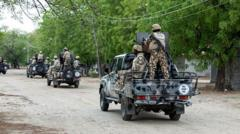
Intensive Chad air strikes targeting Boko Haram strongholds in the volatile Lake Chad region have reportedly resulted in the feared deaths of over 40 Nigerian fishermen. The offensive, launched by Chadian forces in retaliation for recent militant attacks, casts a somber light on the complex challenges of counter-terrorism operations and the tragic collateral damage often borne by innocent civilians caught in the crossfire.

This incident highlights the relentless struggle against extremist groups in the Sahel, a region perpetually grappling with insecurity and humanitarian crises. While nations are compelled to defend against terrorism and protect their citizens, the human cost of such interventions demands careful scrutiny and transparency to uphold professional and factual reporting standards.

Escalating Regional Conflict Against Extremism

The Chadian military initiated its significant air strikes following a series of “unjustified attacks” by Boko Haram. These brutal assaults, which occurred last Monday and Wednesday, specifically targeted Chadian military bases situated near the strategic Lake Chad. Reports indicate that these engagements claimed the lives of at least 24 soldiers and two generals, underscoring the severe and ongoing threat posed by the extremist group to regional stability and national security.

Chad’s presidency, in a public statement disseminated via Facebook, confirmed its retaliatory actions. The statement asserted that its forces had conducted “intensive air strikes” aimed at crippling Boko Haram‘s operational capabilities and deterring further aggression. Such decisive military responses are often deemed essential by sovereign nations to maintain order and protect their institutions from violent insurgency and cross-border terrorism.

Tragic Toll on Vulnerable Fishing Communities

Amidst these necessary counter-terrorism efforts, a deeply troubling narrative has emerged from the local population regarding civilian casualties. Abubakar Gamandi Usman, chairman of the Lake Chad Basin Fisheries Association of Nigeria, informed the BBC of the grim situation facing his community. He stated unequivocally that numerous union members are currently missing, and his association estimates that more than 40 individuals have tragically perished.

Usman’s account suggests a dual tragedy: some fishermen may have been directly impacted by the force of the air strikes, while others reportedly drowned while desperately attempting to flee the ensuing chaos in overcrowded, unstable boats. The immediate lack of recovered bodies complicates official confirmation, yet the consistent testimonies from local leaders paint a stark picture of profound and sudden loss within these vulnerable communities, who rely on the lake for their livelihoods.

“More than 40 fishermen are feared to have perished, either directly from the strikes or by drowning as they desperately tried to escape the violence.”

Official Silence Amidst Humanitarian Concerns

As of the time of this report, neither Nigerian nor Chadian authorities have issued official statements specifically addressing the alleged civilian casualties among the fishing population. This notable silence contrasts sharply with Chad’s public acknowledgment of its successful military operations against Boko Haram. The absence of official comment on the humanitarian aspect leaves many critical questions unanswered regarding the protocols, intelligence, and precautions taken during the strikes to avoid non-combatant harm.

For a region already reeling from years of conflict, displacement, and economic hardship, the potential for significant civilian losses during anti-extremist operations adds another layer of complexity to an already dire humanitarian situation. Ensuring the safety and well-being of non-combatants remains a paramount concern for pro-order and pro-family institutions, even in the face of persistent and brutal threats from terrorist organizations.

Upholding Order While Protecting the Innocent

The incident underscores the delicate and often brutal balance required when confronting entrenched extremist groups like Boko Haram. While strong, decisive action is necessary to safeguard national interests, protect sovereign borders, and ensure regional stability, the protection of civilian lives must remain a core tenet of all military engagements. Matox News believes in robust institutions and the rule of law, which includes accountability and transparency in all governmental actions, particularly those with profound human consequences.

As the international community watches these developments, there is an urgent need for swift investigation and clear communication from all involved parties to ascertain the full extent of this reported tragedy. Only through such diligence and commitment to factual reporting can trust be maintained, and future civilian harm minimized, even as the crucial fight against terrorism continues unabated across the region.

Social Media Auto Publish Powered By : XYZScripts.com